MENU
Close





A clash of vision, pride, and power - Tom Ford and Yves Saint Laurent transformed a workplace rivalry into one of fashion’s most unforgettable battles.
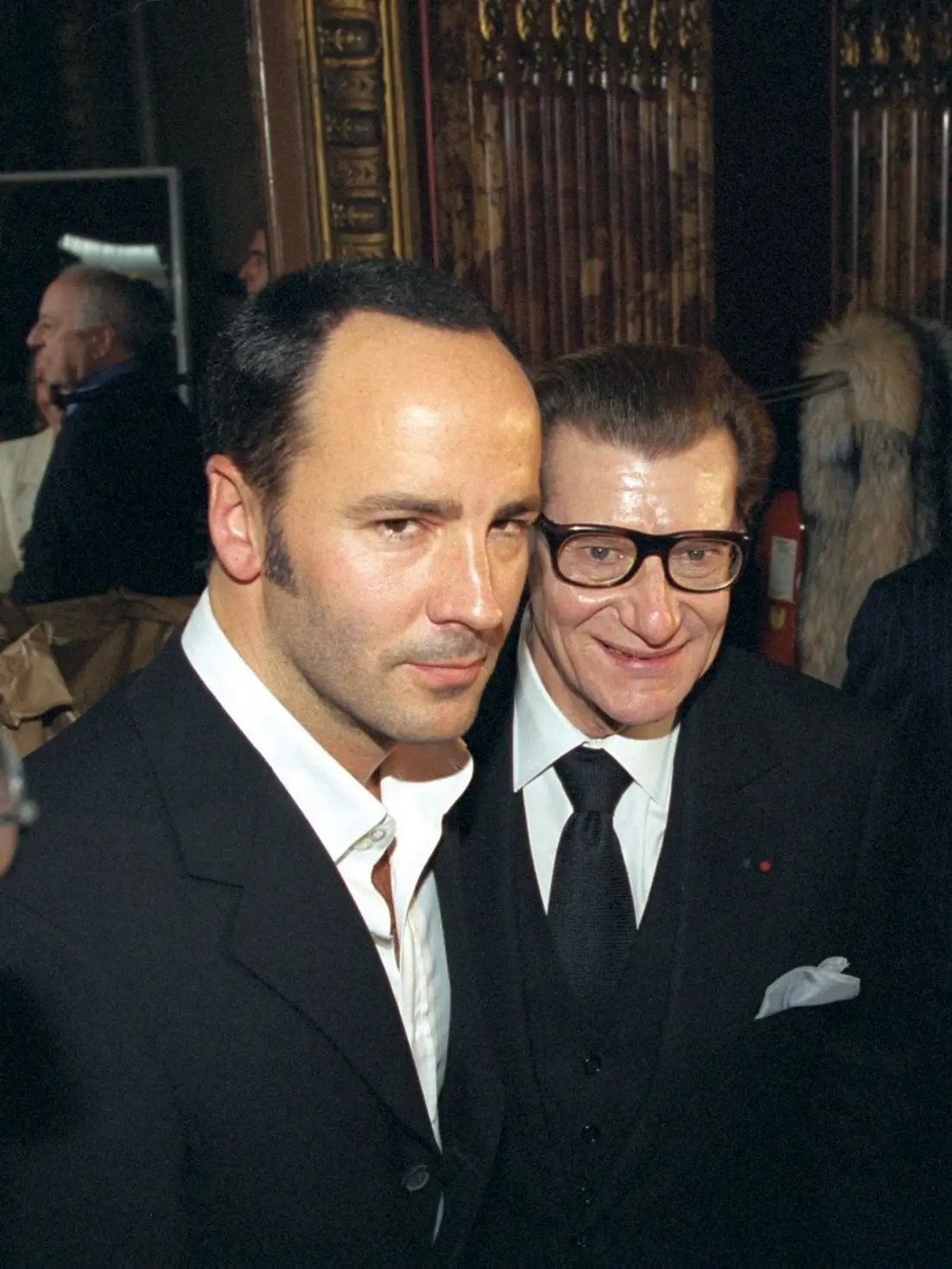
A clash of vision, pride, and power - Tom Ford and Yves Saint Laurent transformed a workplace rivalry into one of fashion’s most unforgettable battles.
November 20, 2025
Advertisement

Advertisement



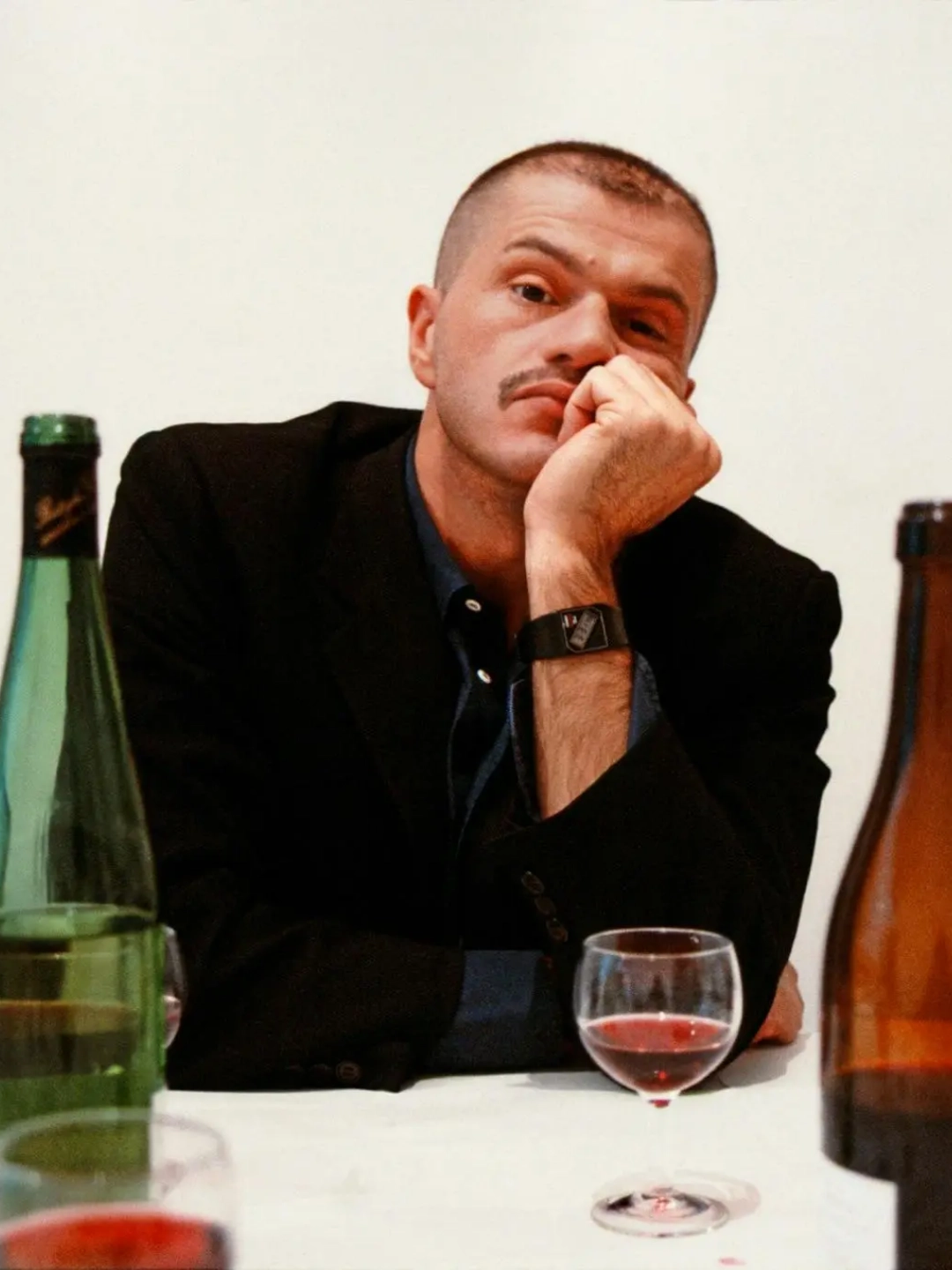
In the grand theater of fashion, drama is never in short supply. But few rivalries have burned brightly, such as between Tom Ford and Yves Saint Laurent. It was a collision of creative visions, generational ideals, and two towering egos that could not quite share the same spotlight.
In 1999, when the Gucci Group acquired the storied house of Yves Saint Laurent, they turned to their golden boy: Tom Ford. The American designer had transformed Gucci from a floundering relic into a multi-billion-dollar sensation by injecting unapologetic sex appeal and a dose of theatrical flair into its DNA. The thinking was simple: if Ford could resuscitate one legendary house, surely he could do it again.
What followed was part fashion fairytale, part Greek tragedy.
At first, the pairing seemed promising. Ford recounted, "We were quite friendly at first. Yves liked that we had bought the company and wanted me to continue designing. He praised my work at Gucci. We had dinner a few times and before I launched a new collection, Yves was the first person to see it." But the champagne toast did not last.
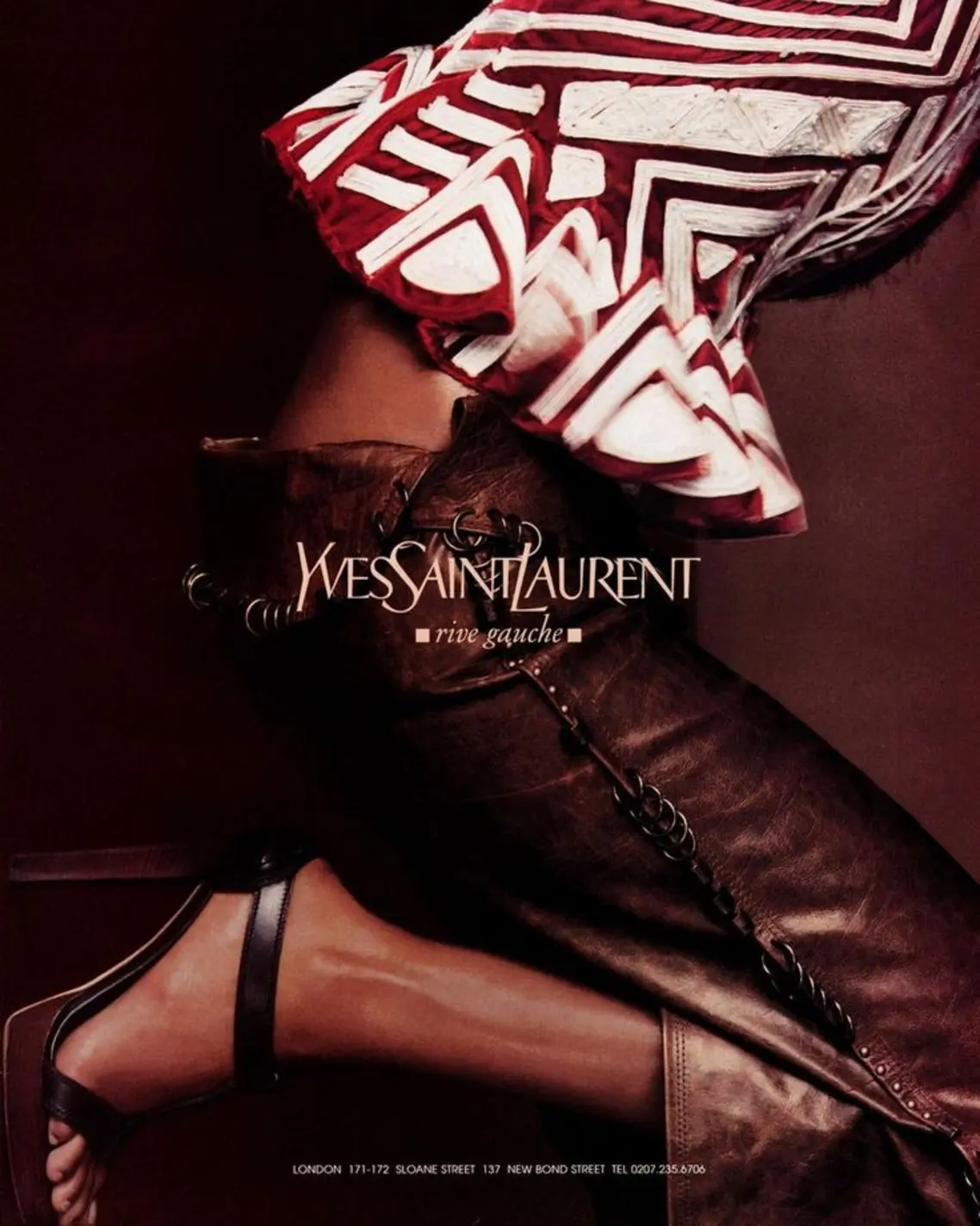

Ford was tasked with ready-to-wear, while Saint Laurent remained at the helm of couture. And while Ford brought his usual sensual polish to the label, Saint Laurent grew uneasy. Their styles were oil and water. Saint Laurent favored poetry and Parisian restraint; Ford preferred provocation with a velvet edge.
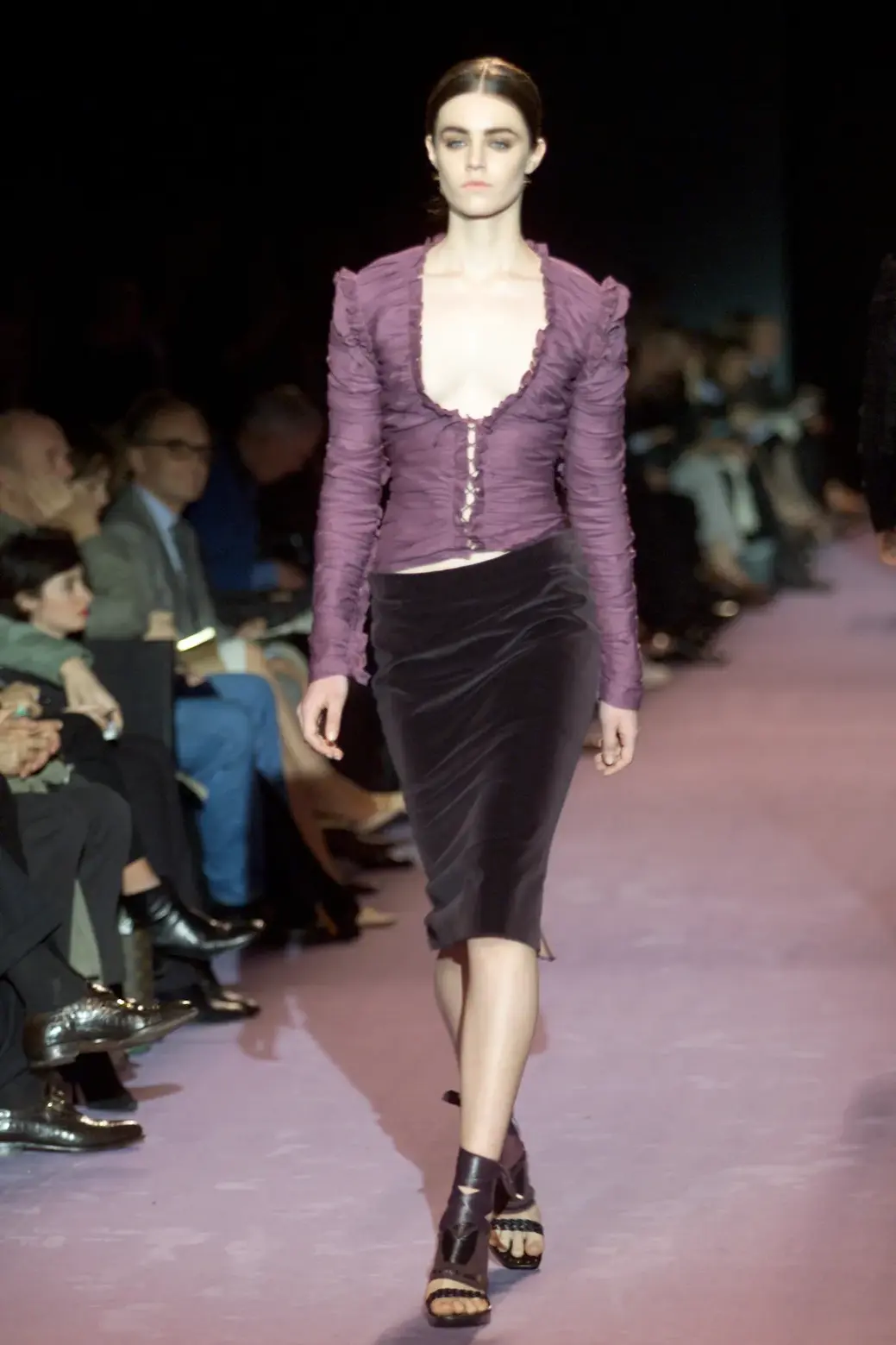
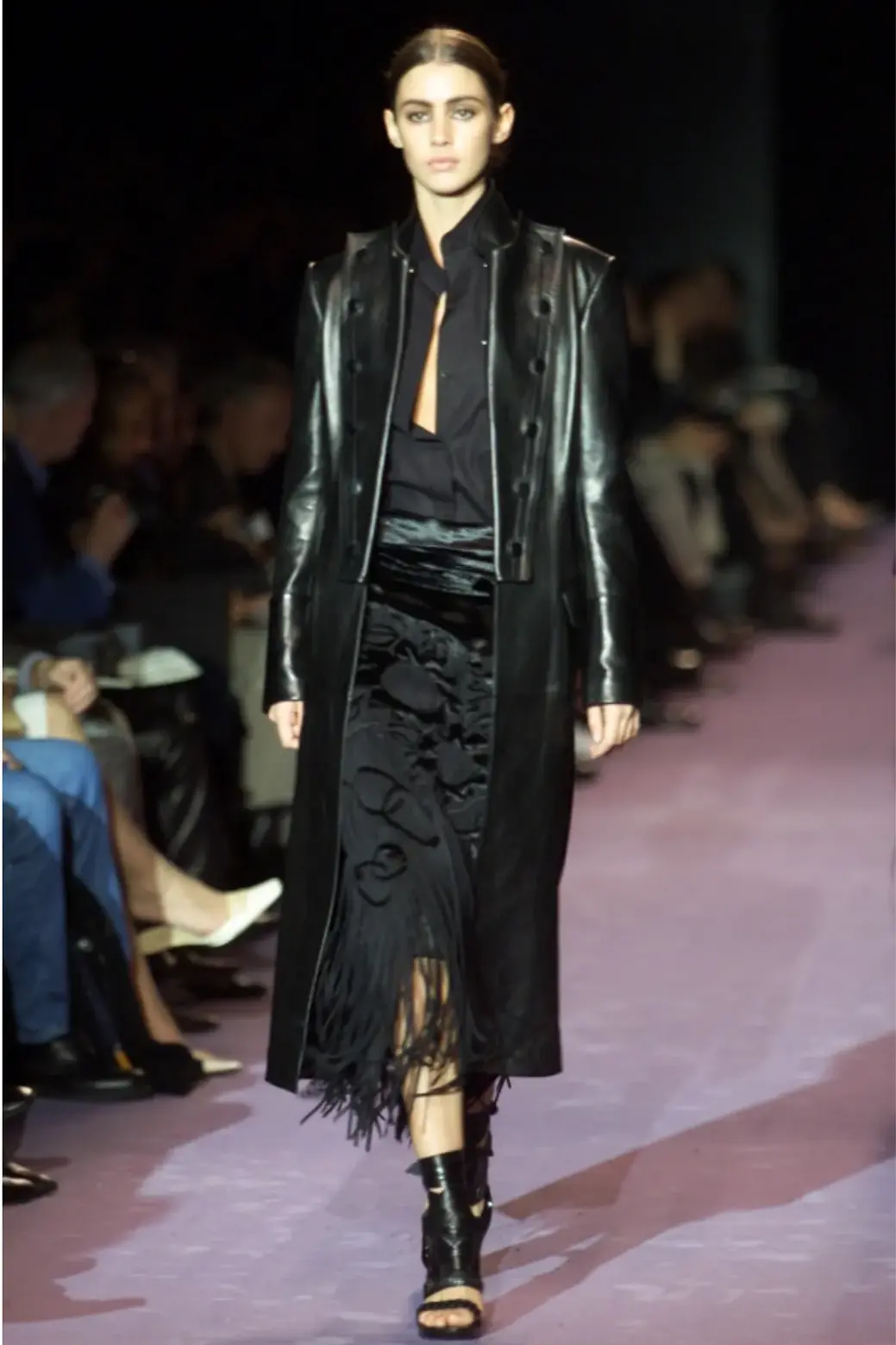
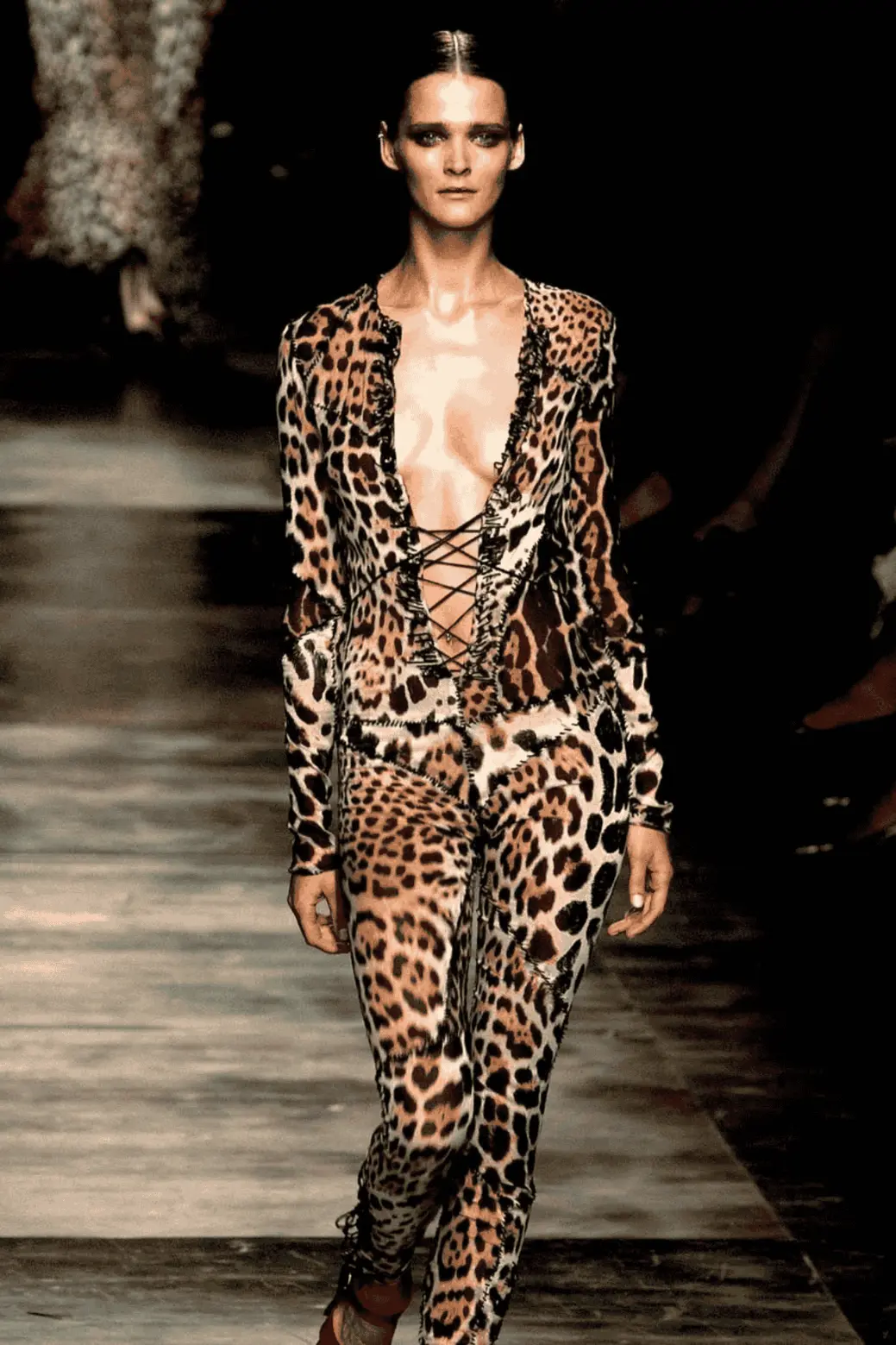

That tension burst into public. Saint Laurent, never one to mince words, described Ford as “this poor guy... just trying to show off,” later writing in one infamous letter, “In thirteen minutes, you destroyed 40 years of my work.”
Ouch.
Ford, for his part, tried to stay diplomatic, at least publicly. But time peeled away the polish. “Yves and his partner, Pierre Bergé, were so narrow-minded and evil in trying to make my life miserable,” he admitted later. “They called the financial police to make a ruckus in our office.” In Ford’s telling, even the joys of Paris became sour. “It wasn’t until I started working in France that I began to dislike it.”
Their feud had all the makings of a fashion noir. There were secret letters, backhanded quotes to the press, and a deeply personal creative clash. What began as a collaboration morphed into a cold war of aesthetics and ideals.
Ford admitted the emotional toll was immense. “It was sixteen collections a year. I don’t think I could have sustained it for very long,” he reflected. “When I retired in 2004, I really thought I was never coming back to fashion.”

Yet, despite the emotional fray, Ford’s collections for Yves Saint Laurent were ironically some of his best. His debut in 2000 at the Rodin Museum was widely praised for its sensitive reinterpretation of the house codes. And though Saint Laurent was nowhere to be seen, critics noted that Ford had managed to speak in the house’s native tongue, even if he added his own accent.
But Ford’s final show in 2004 was something else entirely. It was less homage and more emancipation. Jewel-toned qipaos, fur-trimmed jackets, and sultry silhouettes paraded down the runway. It was, quite literally, Ford doing Ford - with Yves’ name stitched inside the label.
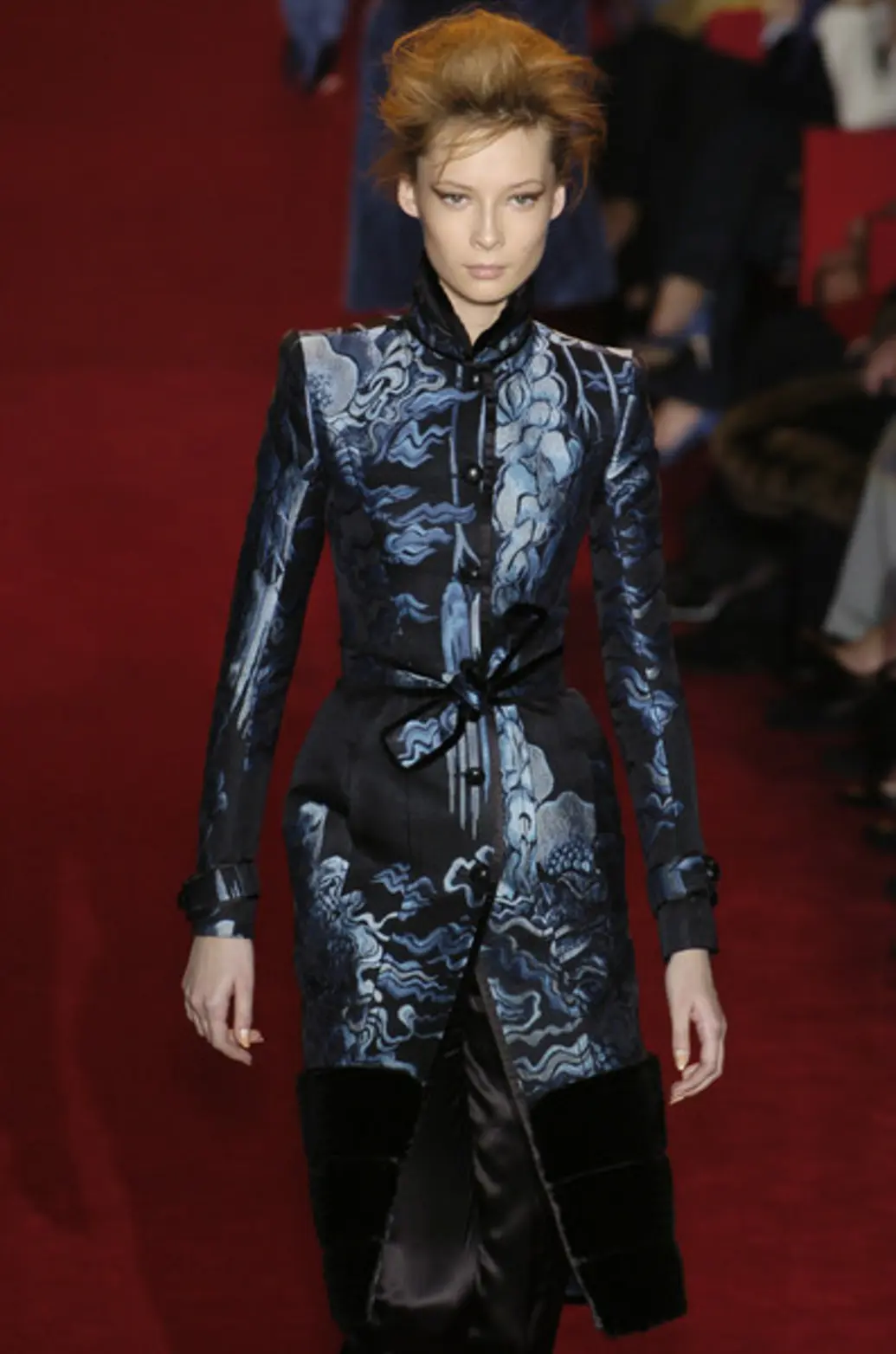

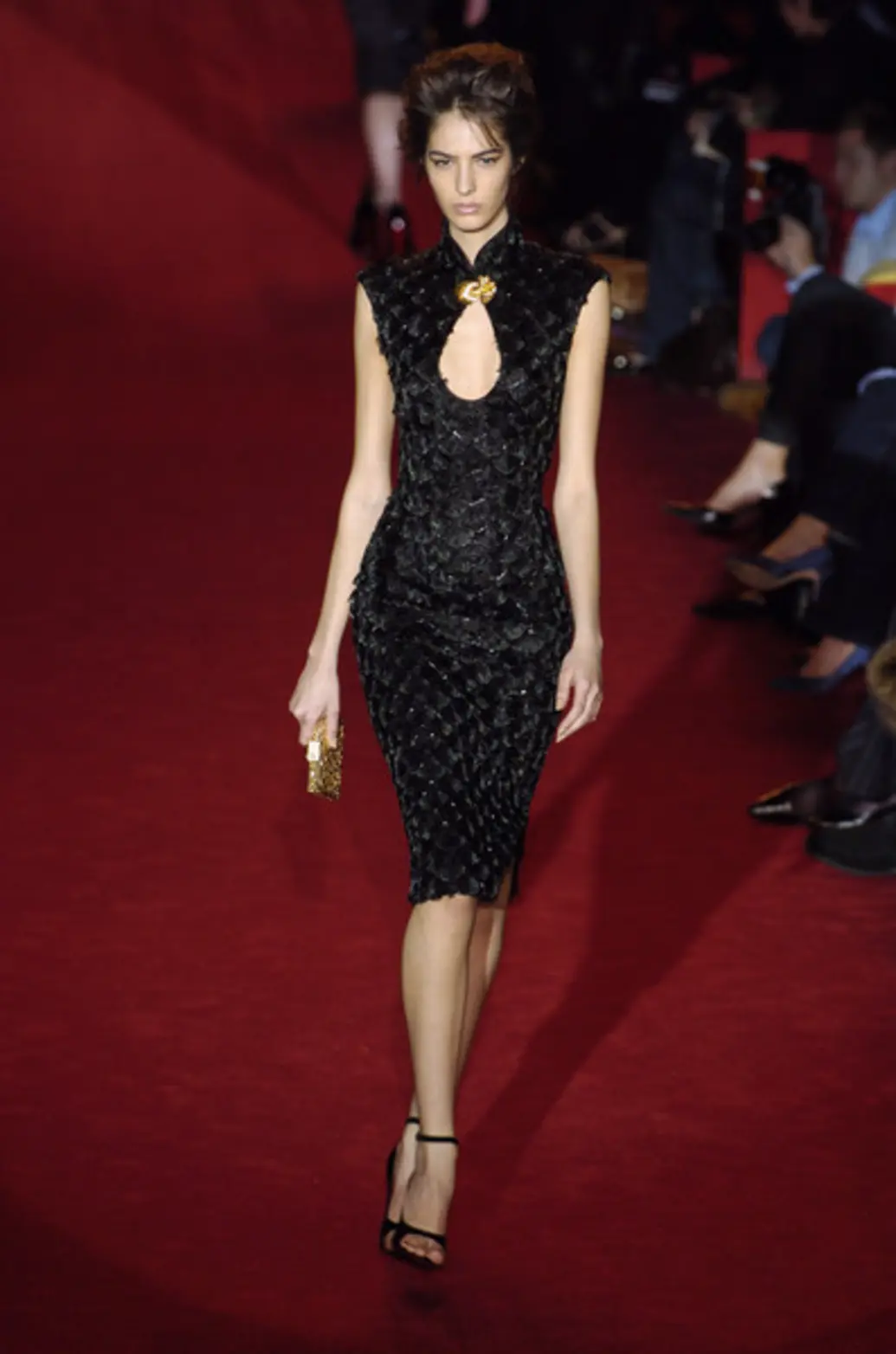
At the end, he walked the runway in a velvet Le Smoking jacket: not quite Saint Laurent’s classic black, but a fiery red, cheeky in its Hefner-esque decadence. As he bowed deeply before Gucci president Domenico De Sole, the message was clear: the war might have bruised him, but he was leaving on his own terms.
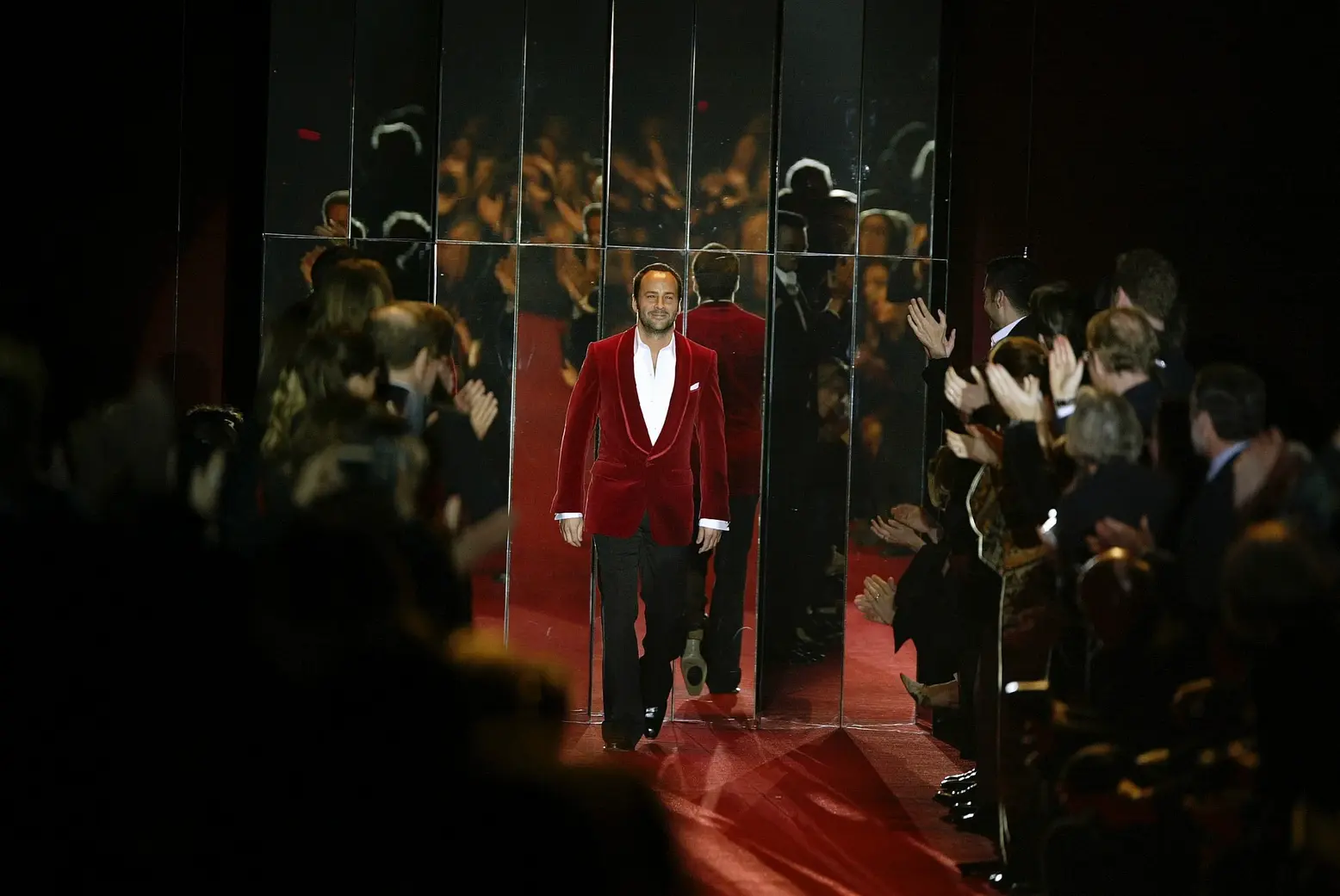
Saint Laurent once lamented, “Finally, Ford left. I suffered what he did to my name. Fortunately, the damage can still be repaired.” But fashion has a long memory, and time has been kinder to Ford’s legacy at the house than its founder ever was.
In hindsight, Ford’s tenure at Yves Saint Laurent was less about destruction and more about provocation. He did not desecrate the house; he dared to question it. Perhaps, in some ironic twist, that’s the most Saint Laurent thing of all.
Years later, Ford mused, “I don’t even remember much about my time at Yves Saint Laurent, though I do think some of my best collections were there.” It’s hard to disagree.
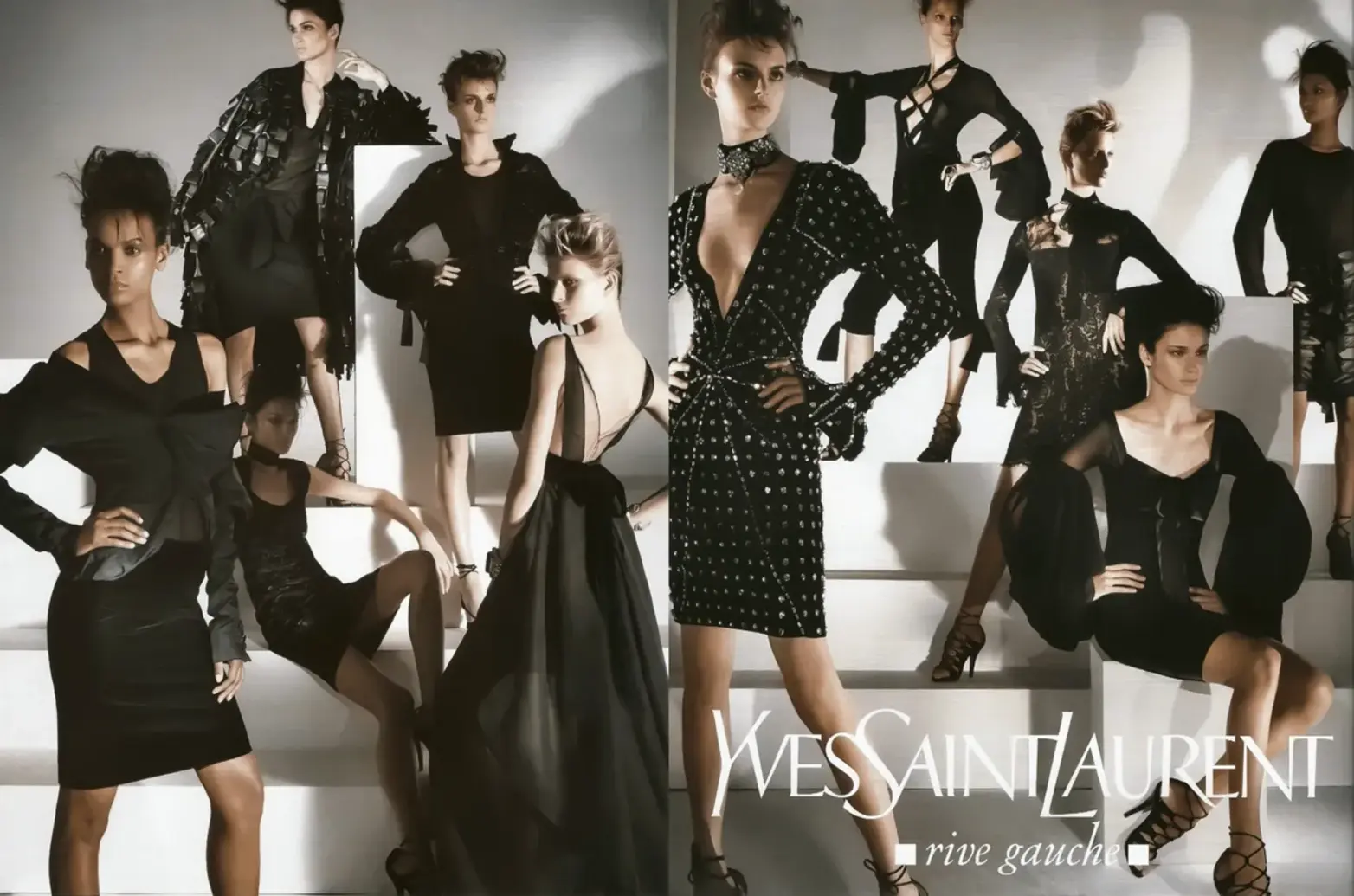
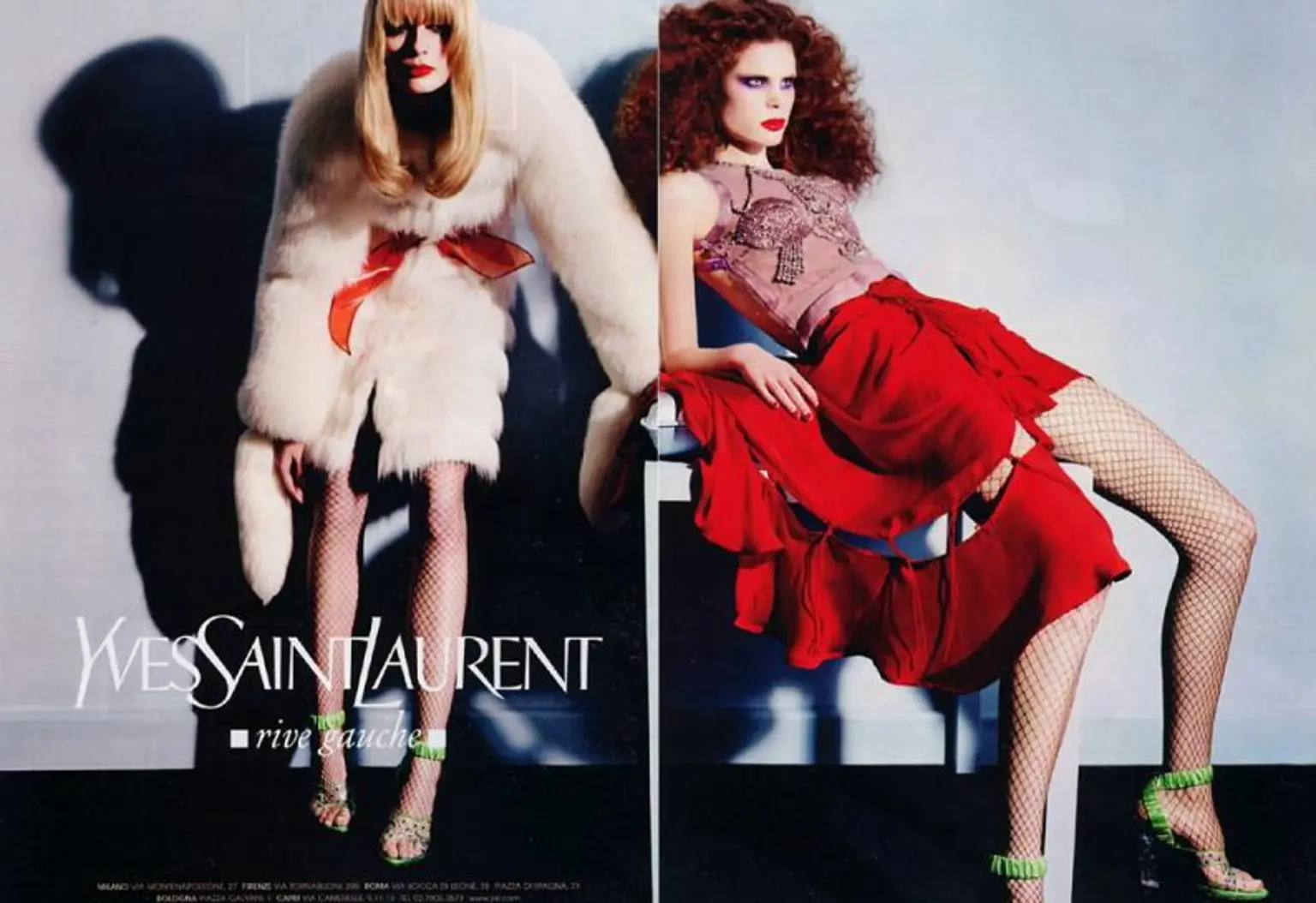
While Gucci basked in Ford’s sleek eroticism, Yves Saint Laurent offered him a different kind of challenge—one rooted in reverence, resistance, and, eventually, reinvention. Their clash remains one of fashion’s great cautionary tales: what happens when two titans can’t share the throne.
Or, as the French might say, c’est la guerre de style.
Advertisement