MENU
Close





Explore the delicate balance between artistry and commerce in haute couture. This article examines Haute Couture Marketing, from Guest Members to Grand Members, and how maisons navigate creativity, heritage, and branding without losing the essence of fashion’s ultimate laboratory.
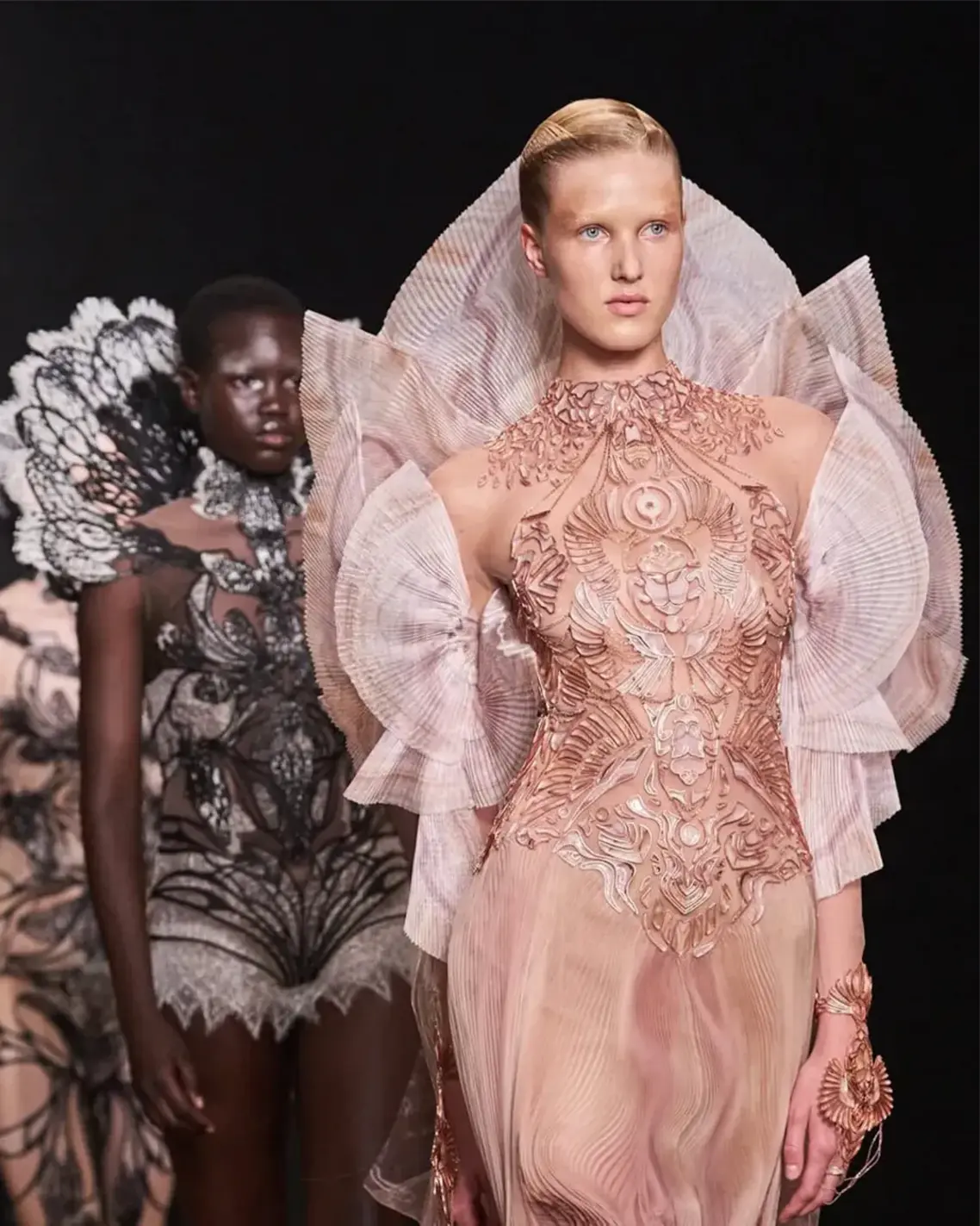
Explore the delicate balance between artistry and commerce in haute couture. This article examines Haute Couture Marketing, from Guest Members to Grand Members, and how maisons navigate creativity, heritage, and branding without losing the essence of fashion’s ultimate laboratory.
January 26, 2026
Advertisement

Advertisement



Haute couture has always been more than fashion-it is a symbol of artistry, cultural heritage, and technical mastery in French fashion. Each stitch, fold, and embellishment reflects centuries of tradition and experimentation. Beyond mere clothing, couture represents a dialogue between creativity, craftsmanship, and cultural identity.
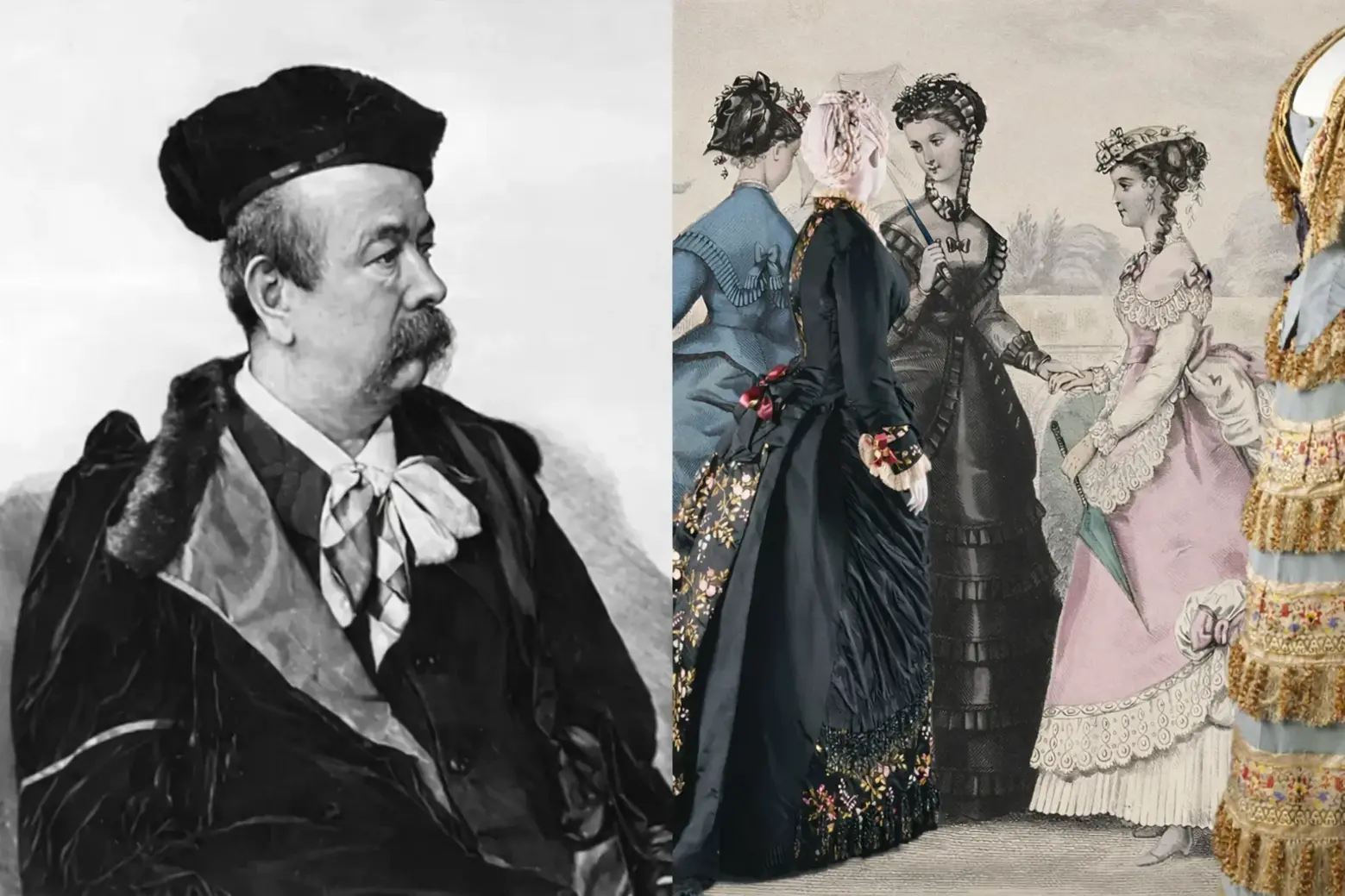
This heritage can be traced to the early 19th century, when Empress Joséphine, wife of Napoleon Bonaparte, became a patron of Charles Frederick Worth, widely regarded as the father of haute couture. Her support nurtured a distinctly French fashion identity and established Paris as the global center of elegance and innovation. This historical approach emphasized artistry, technical exploration, and cultural prestige-unlike some modern Haute Couture Marketing practices, which occasionally prioritize visibility over craft.
Traditionally, haute couture serves as a laboratory for testing new techniques, materials, and visionary ideas before they trickle down into ready-to-wear or other commercial collections. Couture collections are often called the “F1 of fashion”-spaces where brands push speed, technical skill, and boldness to the forefront of design.
Houses such as Chanel, Dior, and Iris van Herpen continue to uphold this ethos: each collection acts as a platform for experimentation, sometimes with little direct commercial intent, but always expanding the boundaries of design. This is the essence of true Haute Couture Marketing, where the focus is on creating influence through innovation rather than pure advertising.
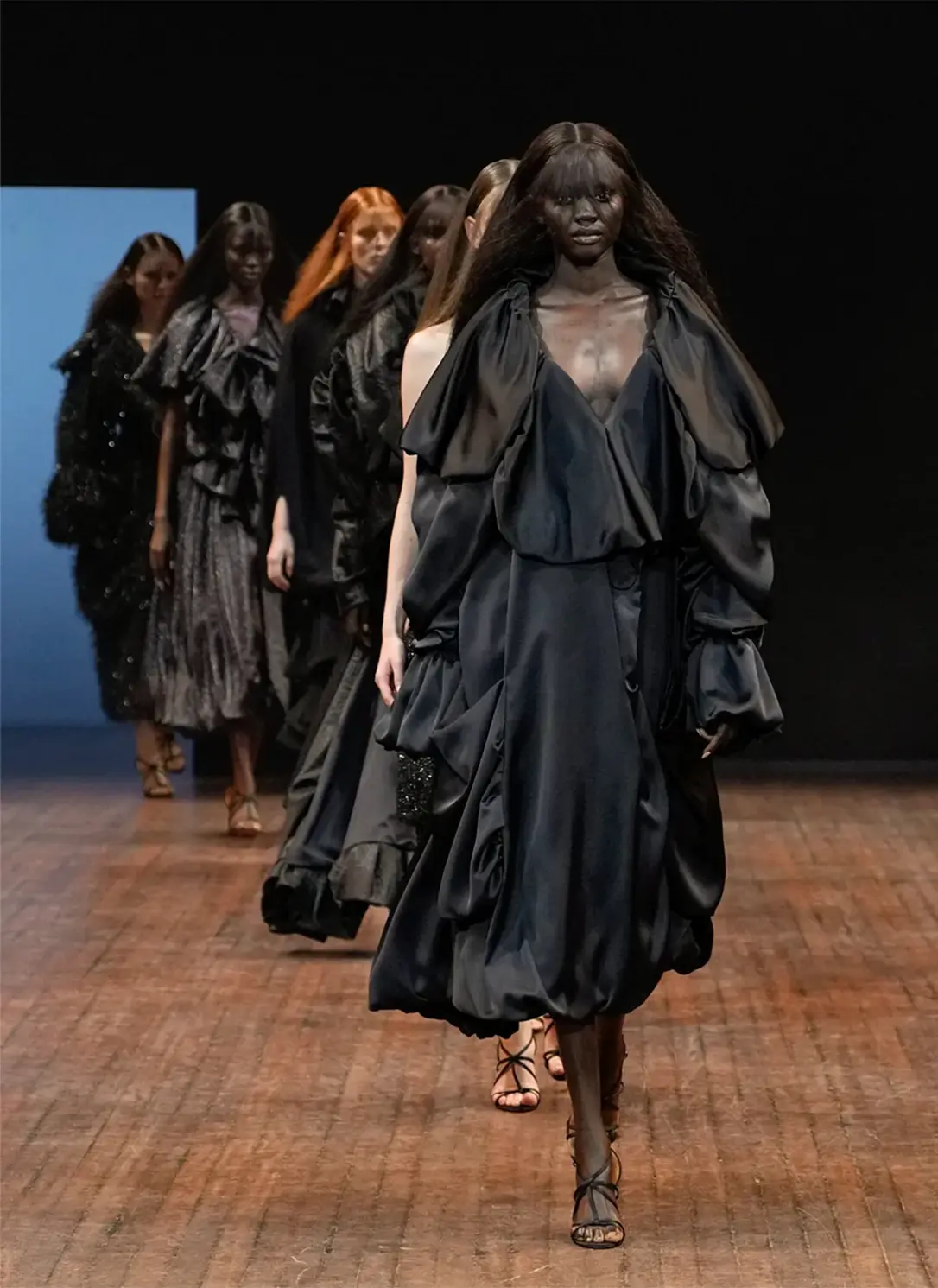
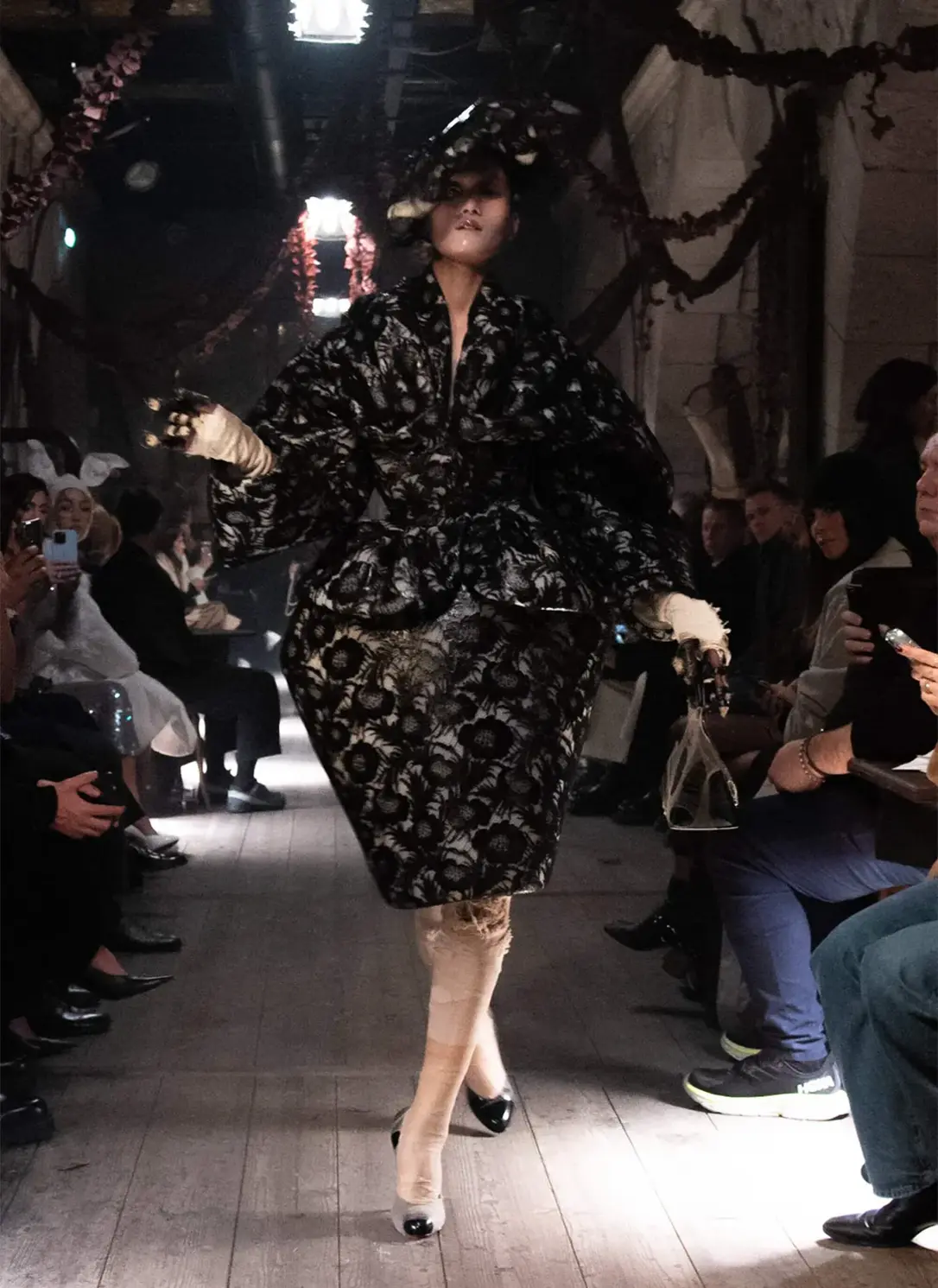
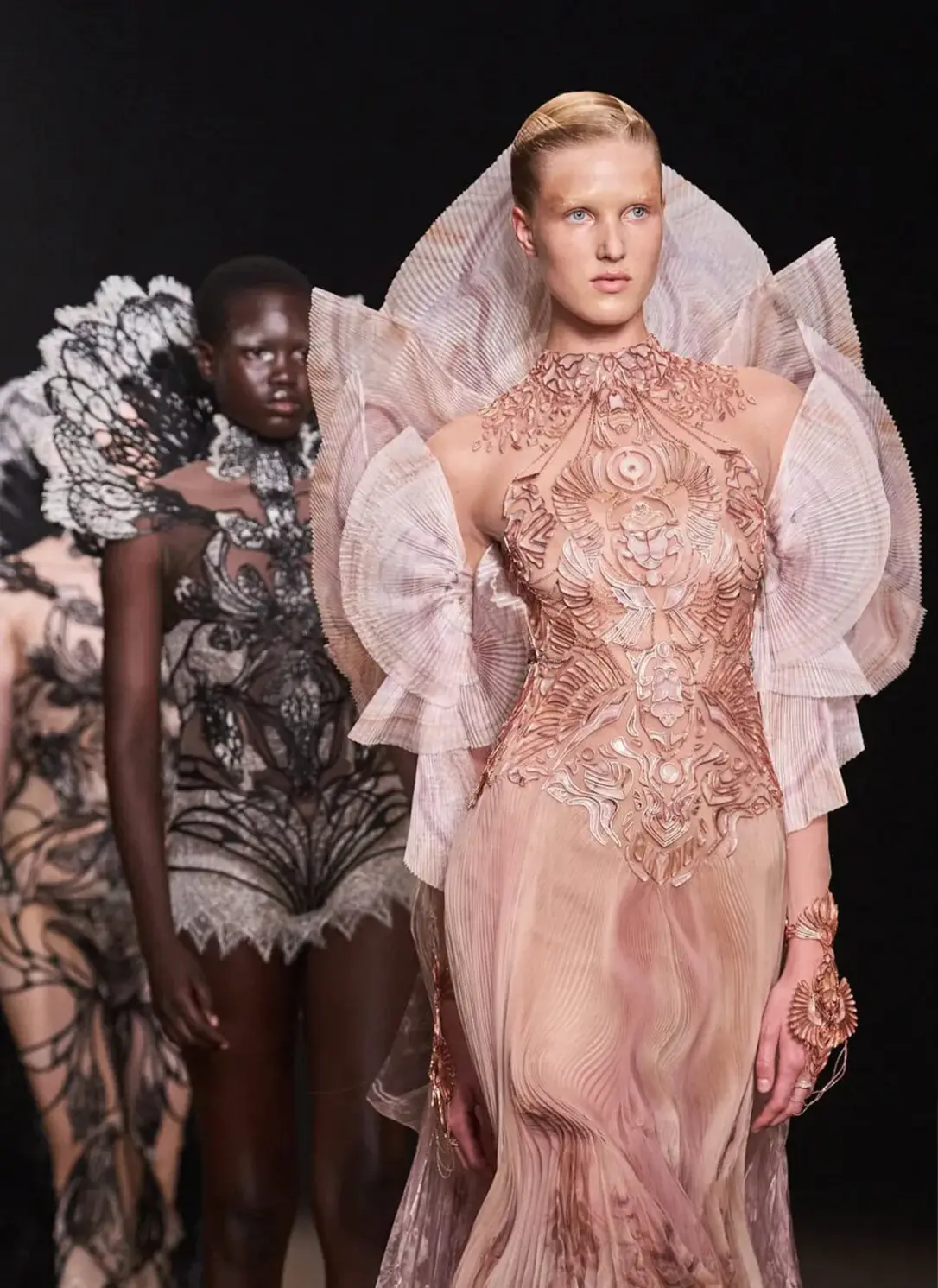
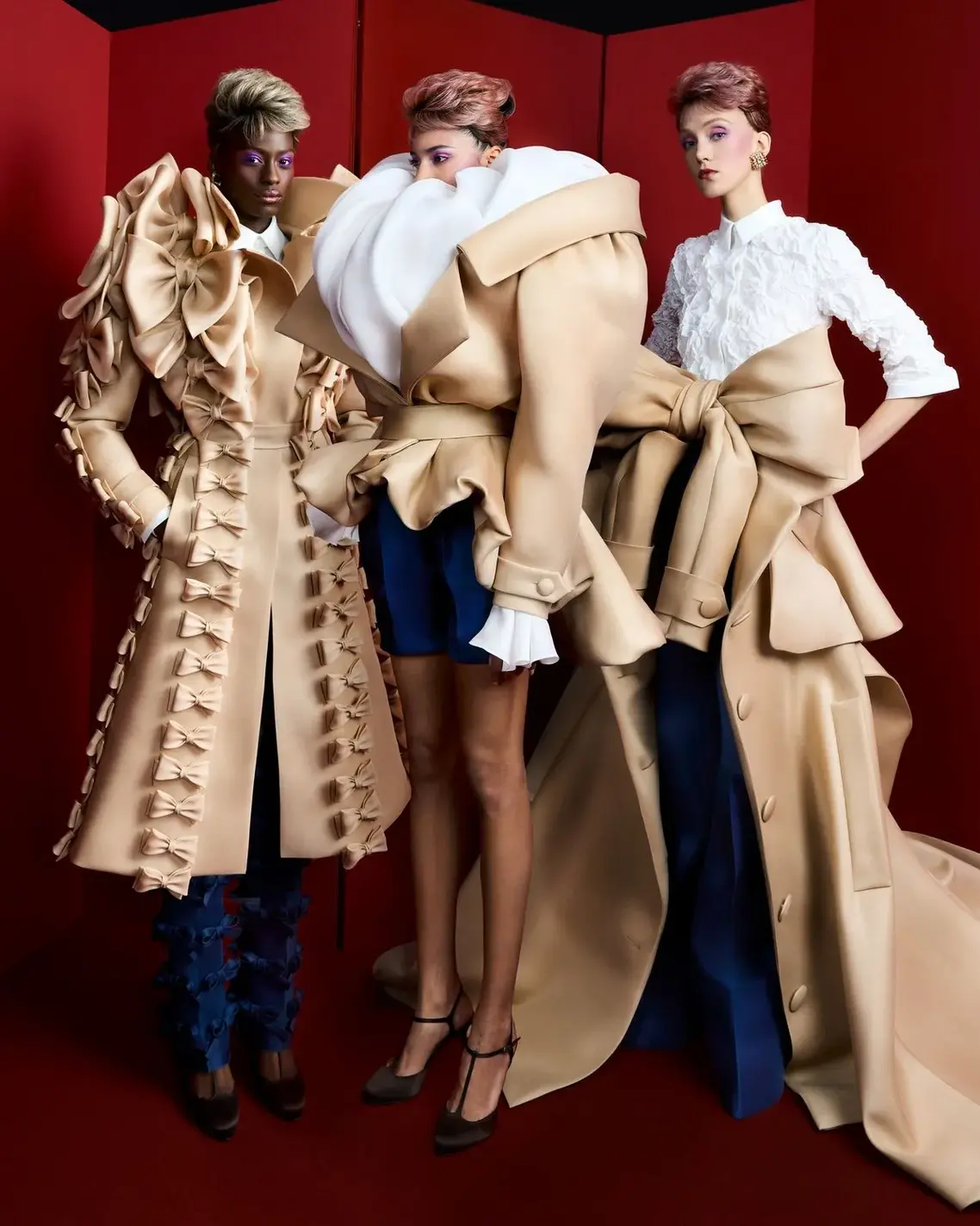
However, some maisons-Viktor & Rolf, Maison Margiela, and Prada-strategically leverage haute couture for Haute Couture Marketing purposes:
While this is a valid strategic choice, if couture loses its role as a laboratory for innovation, a subtle tension arises: beauty risks being commoditized before it fully manifests in its purest form.
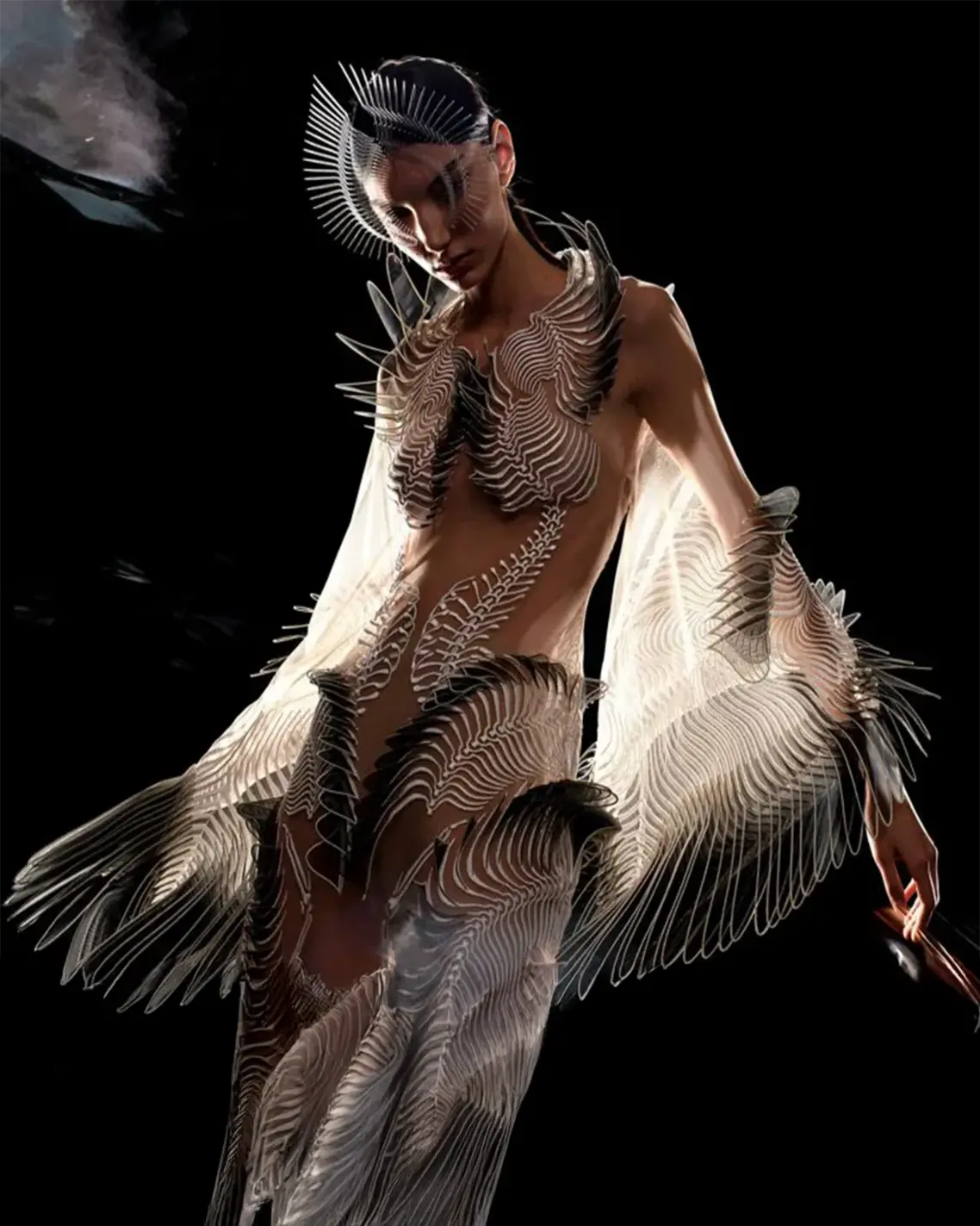
The distinction between Guest Members and Grand Members of Haute Couture provides structure to the industry. Guest Members are invited to present collections during Haute Couture Week, gaining visibility, testing techniques, and integrating into the Parisian couture ecosystem. Some Guest Members eventually transition into Grand Members, a status requiring full compliance with the Chambre Syndicale de la Haute Couture standards:
Brands that have successfully transitioned include Iris van Herpen and Guo Pei, while others remain Guest Members by choice, focusing on selective projects or ready-to-wear expansions.
This journey reflects the subtle interplay between innovation, prestige, and operational demands. For many maisons, the path from Guest to Grand Member is both an artistic and strategic milestone. Haute Couture should remain a benchmark, a destination for beauty in fashion, rather than merely a tool for Haute Couture Marketing, amplifying brand image or status.
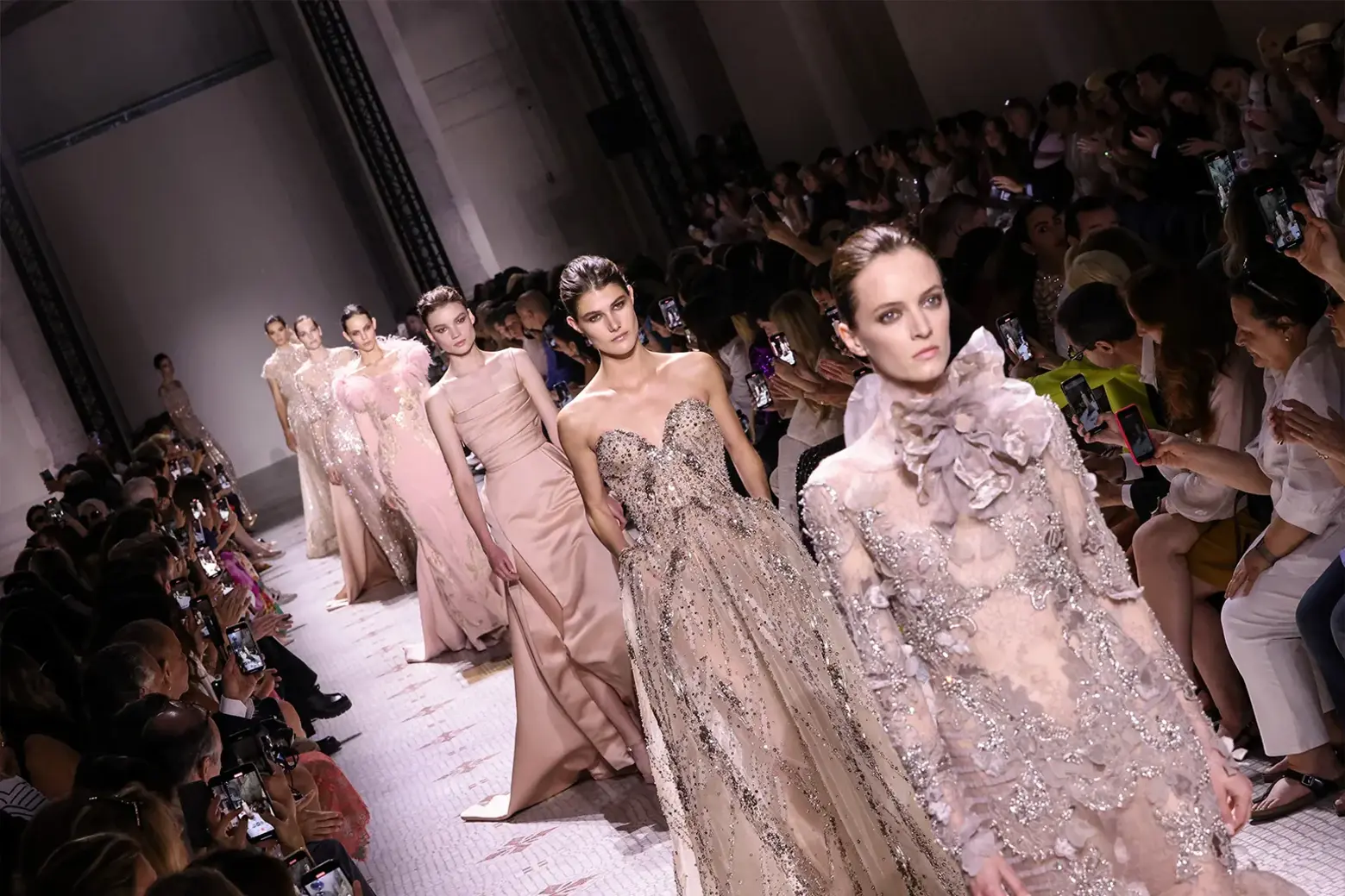
Couture continues to function as a creative laboratory, even when visibility and branding considerations play a role. Media attention and commercial potential add complexity to the process rather than diminishing the artistry, creating a space where technical skill and aesthetic ambition intersect with strategic storytelling.
Finding a subtle balance is part of the craft. The most successful maisons manage to explore new techniques, materials, and forms while engaging audiences and maintaining brand identity. In this way, couture remains a space of experimentation and innovation, even amid global attention.
Historical perspective underscores the depth of haute couture. Figures like Empress Joséphine, a patron of Charles Frederick Worth, emphasized its cultural and artistic significance, cultivating a uniquely Parisian expression of fashion. This reminds the industry that couture originated as a pursuit of heritage and craftsmanship, with Haute Couture Marketing as a secondary, supportive layer rather than the primary purpose.
The other side of Haute Couture reveals a quiet tension at the heart of haute couture marketing. When couture functions mainly as a marketing vehicle, it risks drifting from its original essence, where art meets masterful craftsmanship. The most successful houses maintain balance, aligning innovation, heritage, and commerce, using the power of media and branding while preserving couture as a true laboratory of beauty.
Advertisement