MENU
Close





Noctual wellness reframes luxury’s long obsession with the early hours. Where sunrise yoga and dawn rituals once defined discipline and self-mastery, Ramadan quietly rewrites the script. During this month, life does not contract around the day, it expands into the night. Wellness follows the same arc, shifting from performance to presence, from optimization to orchestration. What emerges is a new kind of indulgence: nocturnal wellness, designed around softness, sequence, and intention.
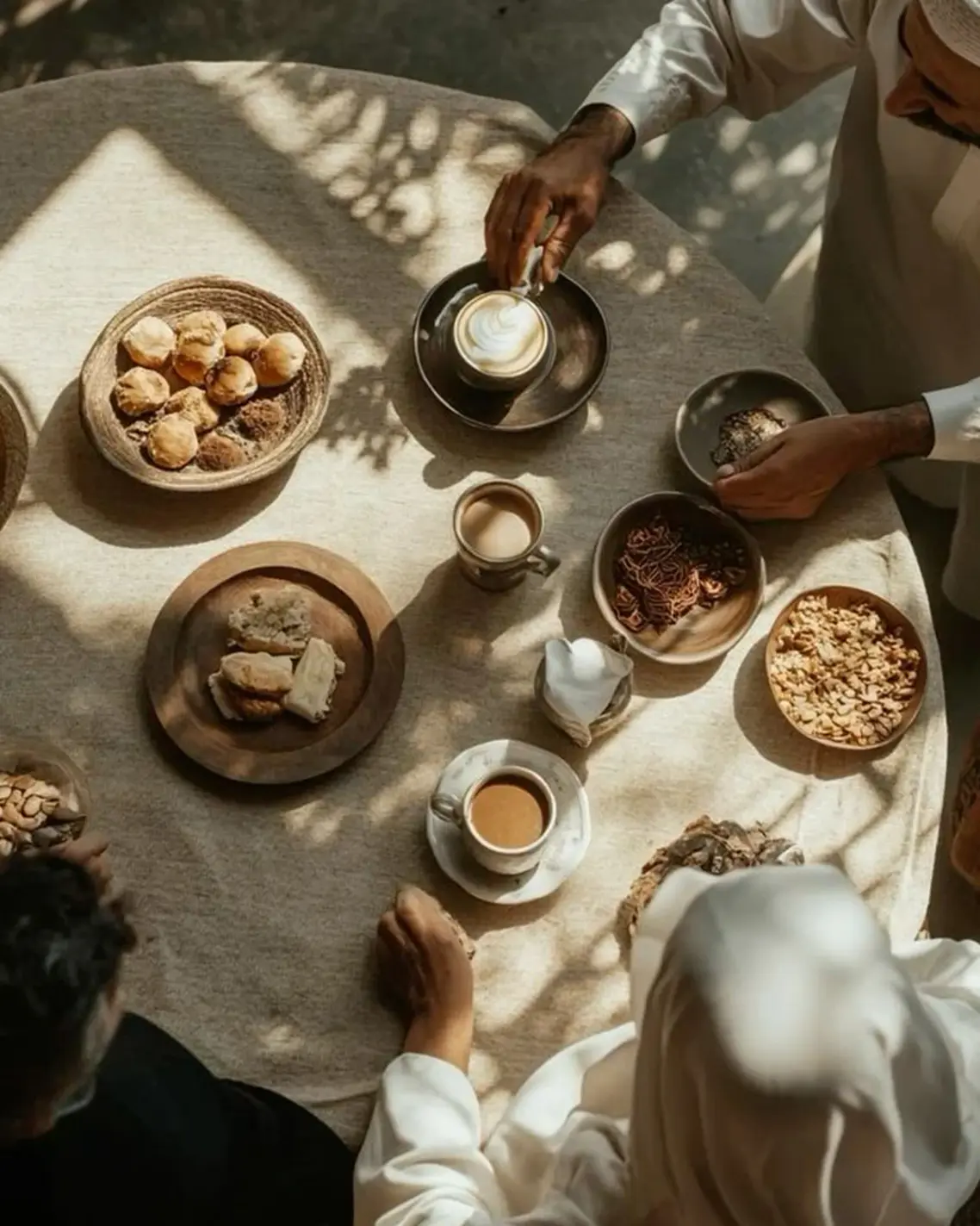
Noctual wellness reframes luxury’s long obsession with the early hours. Where sunrise yoga and dawn rituals once defined discipline and self-mastery, Ramadan quietly rewrites the script. During this month, life does not contract around the day, it expands into the night. Wellness follows the same arc, shifting from performance to presence, from optimization to orchestration. What emerges is a new kind of indulgence: nocturnal wellness, designed around softness, sequence, and intention.
January 19, 2026


Ramadan naturally reorganizes the body’s clock. Iftar arrives at sunset as both nourishment and relief. Prayers introduce a reflective calm. Social hours stretch late into the night, followed by suhur before dawn and finally sleep. This rhythm has always existed within Muslim cultures, but only recently has luxury begun to recognize its potential. The result is a growing “night economy” of wellness experiences programmed after dark, when the senses open differently and the body responds with deeper receptivity.
The editorial thesis is simple yet radical. Nocturnal wellness is experience-density luxury. Instead of cramming the day with activity, the night is curated through layers of heat, sound, gentle movement, and sleep architecture. Each element arrives in sequence, supporting digestion, calming the nervous system, and preparing the body for restorative rest. The luxury lies not in excess, but in timing.
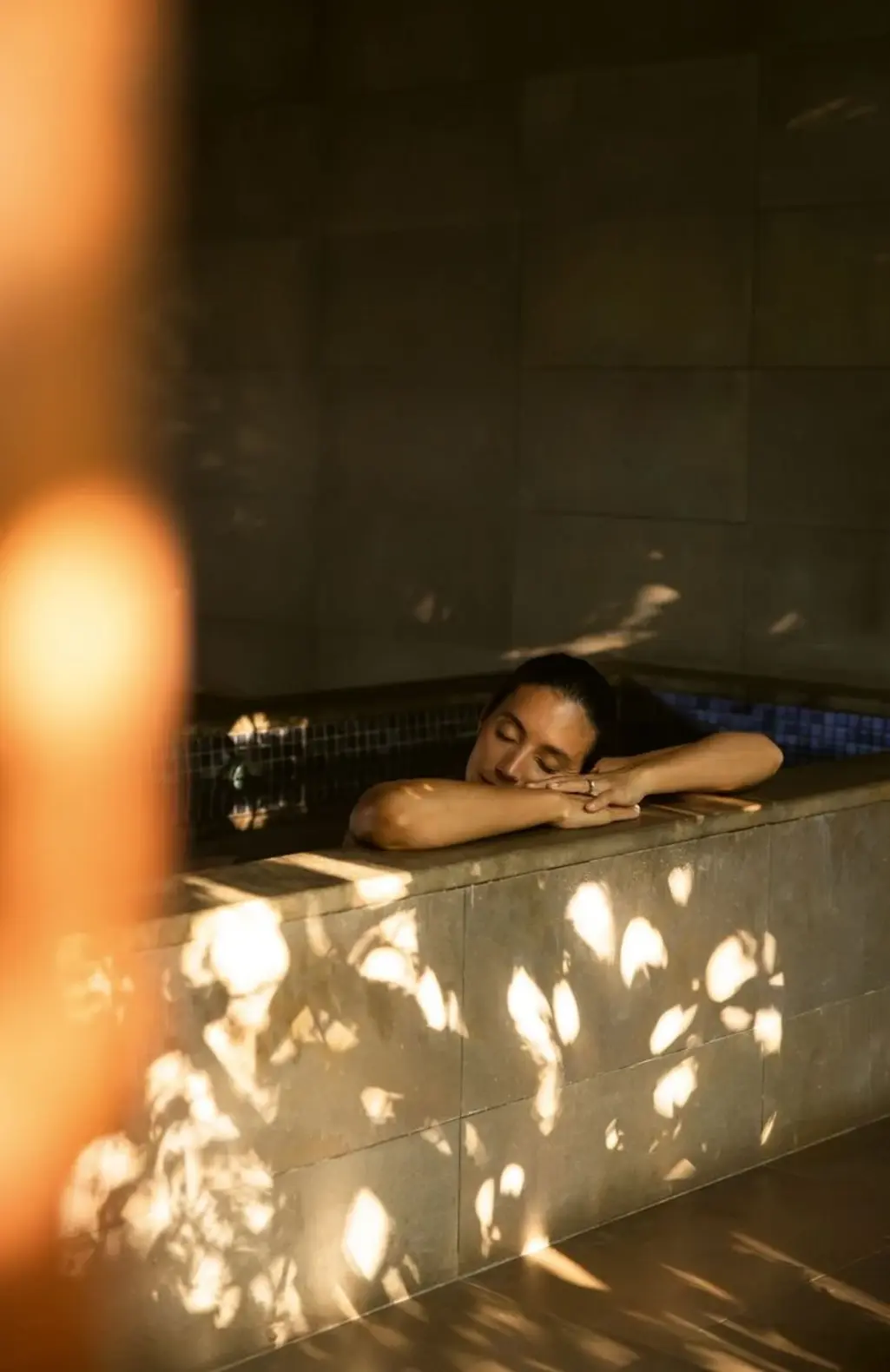
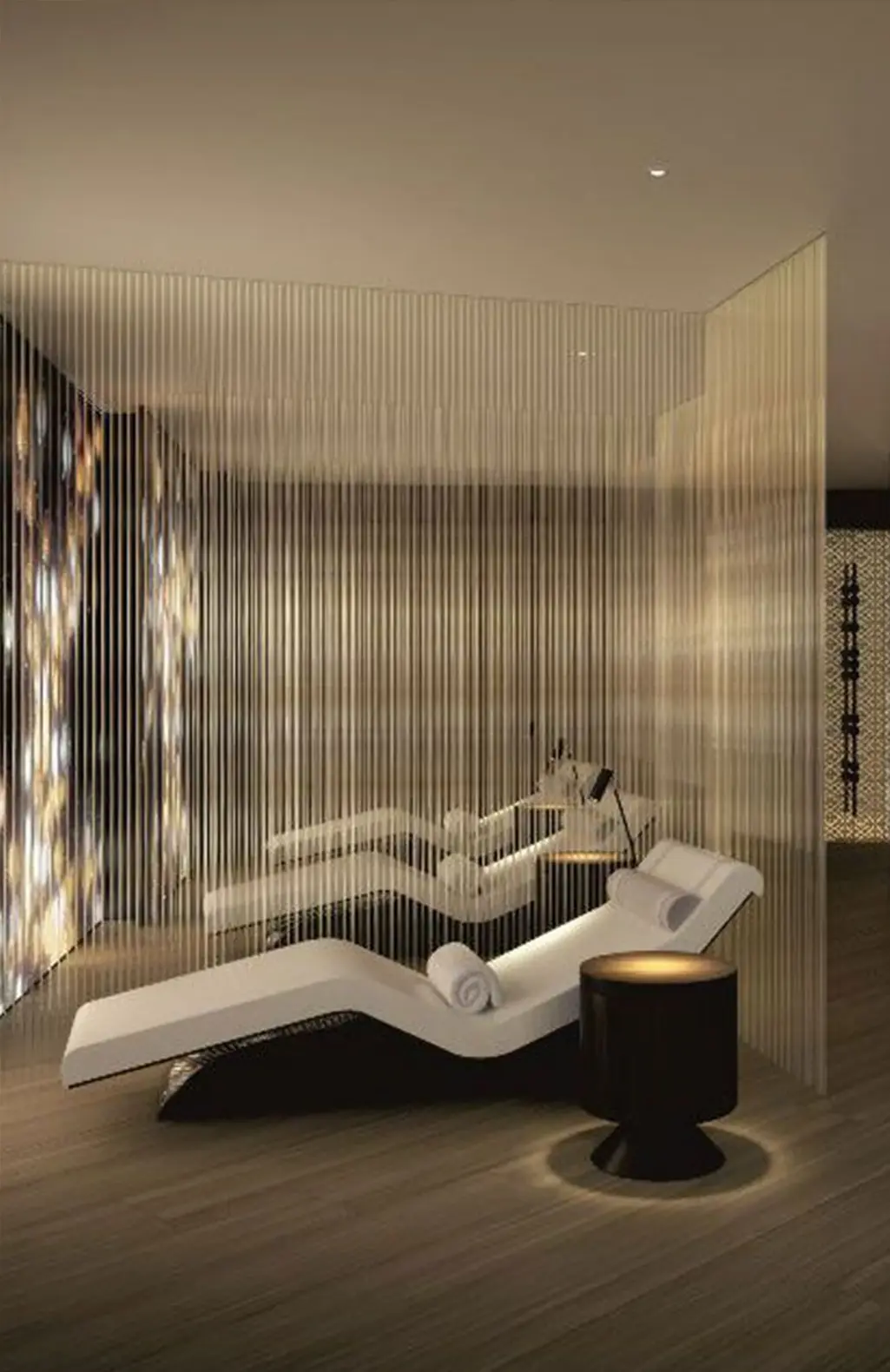
Ramadan evenings move with a clear internal logic. After a day of fasting, the body requires warmth and ease. Digestion slows. Stimulation feels louder. Brands across hospitality and wellness have begun programming later experiences because the audience is already awake, social, and primed for care rather than exertion.
This shift explains why hammams extend hours past midnight, why sound baths are scheduled after evening prayers, and why spas offer suhur kits alongside sleep rituals. The night becomes the primary canvas. Wellness stops being something squeezed between meetings and becomes something that holds the evening together.
In this context, luxury is measured by fluency with the body’s rhythm. Experiences feel generous because they follow the natural order of Ramadan nights rather than forcing a daytime template onto nocturnal life.
The hammam sits at the heart of nocturnal wellness during Ramadan. Rooted in Mediterranean and Middle Eastern bathing traditions, the hammam historically functioned as a space for purification, social connection, and transition. It marked the movement between states: outside and inside, work and rest, body and spirit.
At night, heat takes on a deeper role. Steam softens muscles tightened by fasting and prayer. Warmth supports digestion after iftar and prepares the body for rest. In traditional settings, the hammam was as much about conversation as cleansing, a place where time loosened.
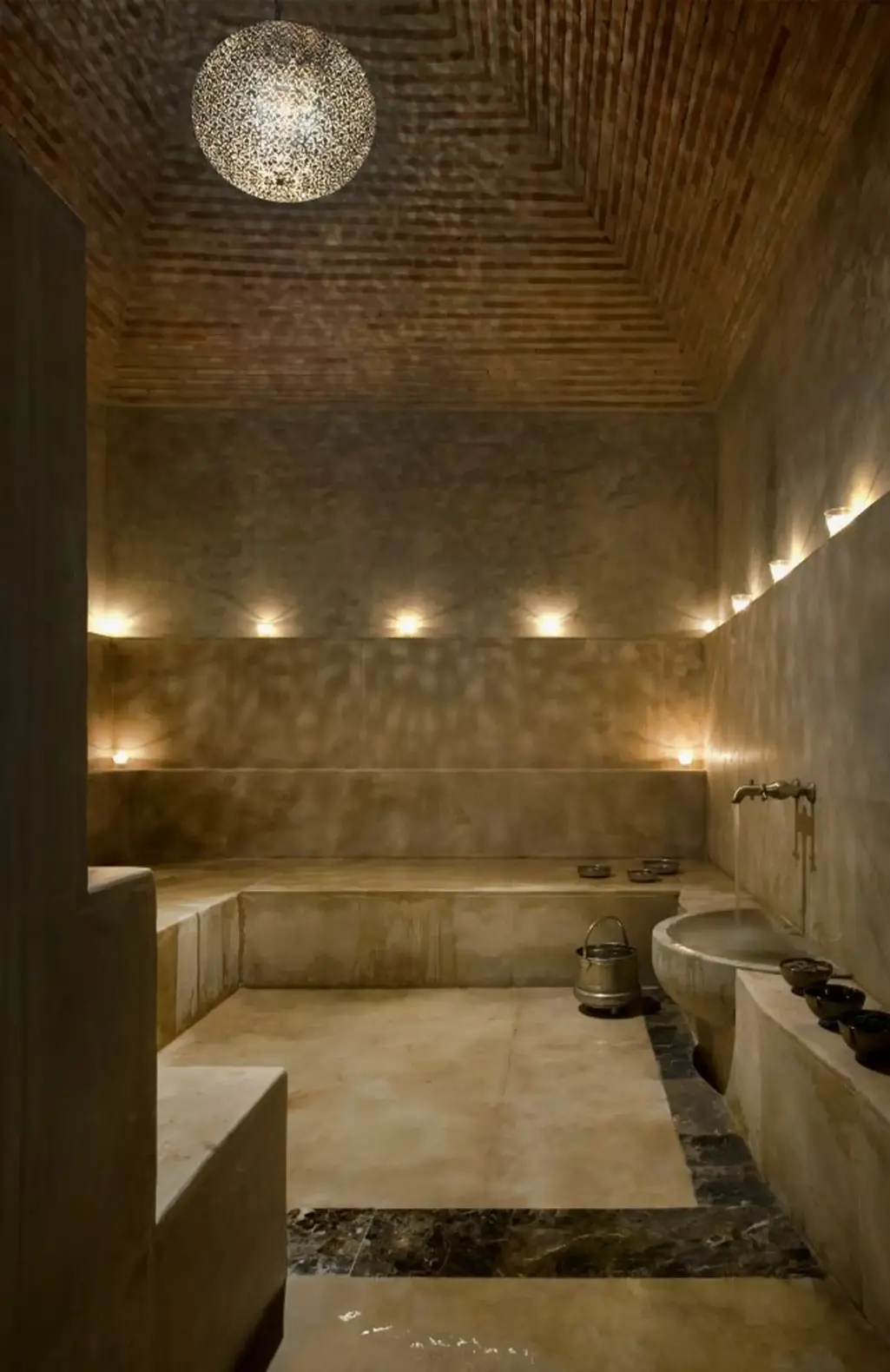
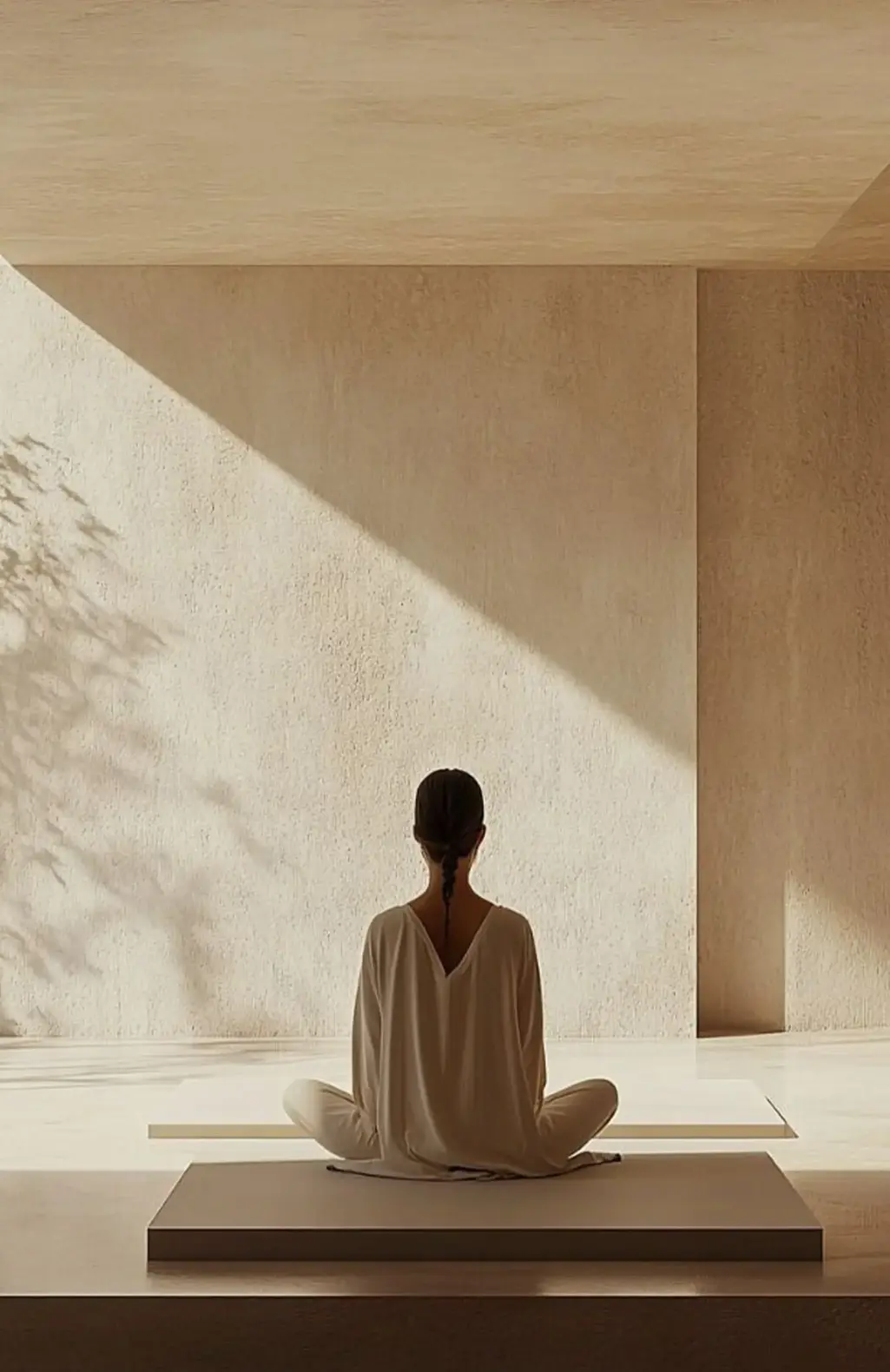
The luxury update refines this intimacy. Private hammam suites replace communal bustle. Lighting drops to an amber glow, low enough to quiet the eyes. Scent rituals favor eucalyptus, neroli, or gentle woods rather than sharp menthols. After heat, the ritual continues into a post-hammam lounge culture: warm stone beds, hushed tea service, and long pauses that allow the body to recalibrate.
Here, the hammam is no longer a destination. It becomes a reset point, the hinge upon which the rest of the night turns.
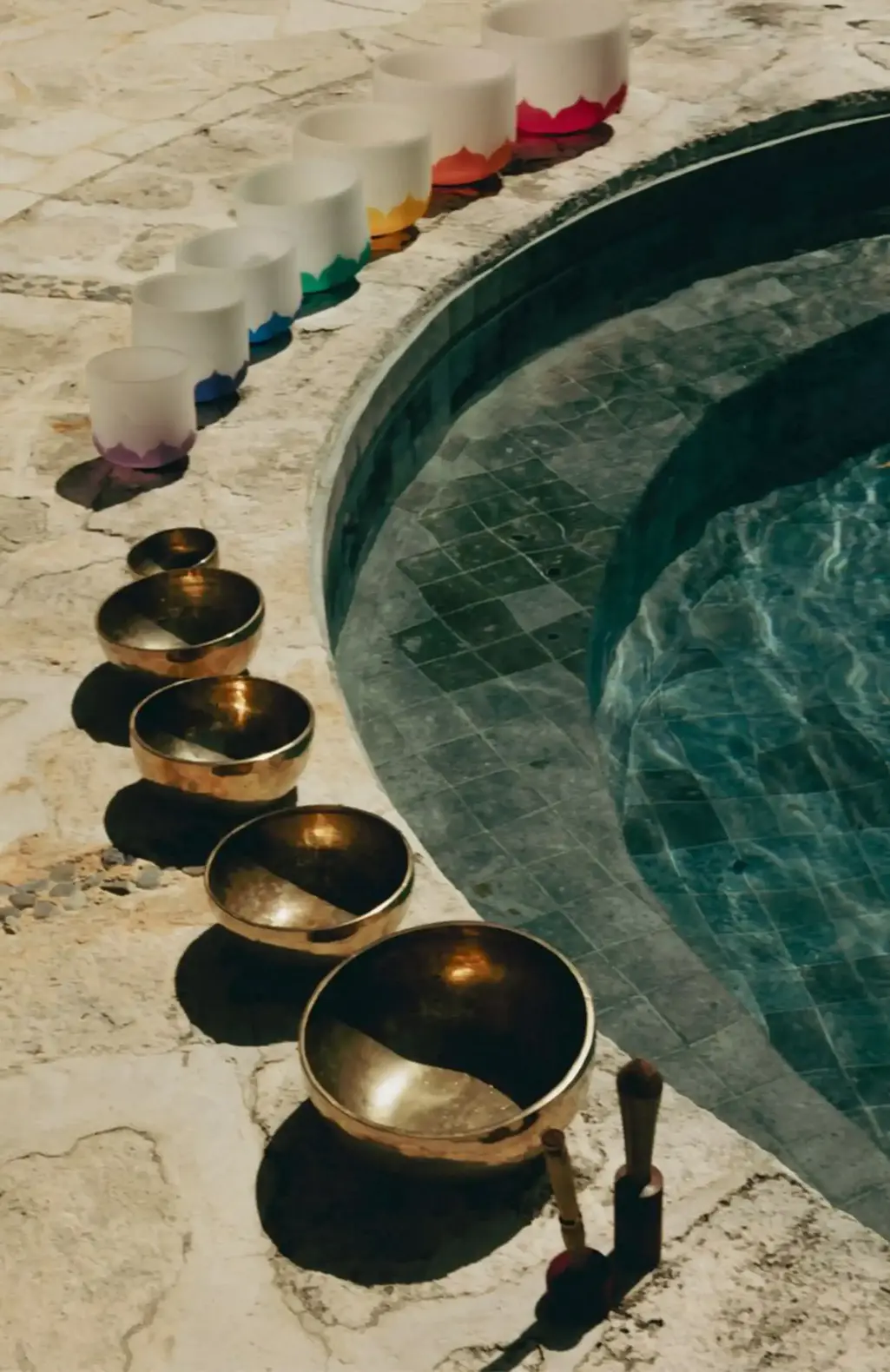
After heat, sound enters as the softest form of architecture. Singing bowl meditations and sound baths have gained traction well beyond spiritual circles, supported by studies showing reductions in tension, fatigue, and negative mood states following sessions. At night, these effects deepen. The nervous system, already drifting toward parasympathetic calm, responds with remarkable speed.
In luxury contexts, sound is treated as material rather than entertainment. Bowls, gongs, or low-frequency tones are introduced in candlelit rooms with minimal visual distraction. Silence is not broken but shaped. Vibrations move through the body like slow tides, undoing residual alertness from the day.
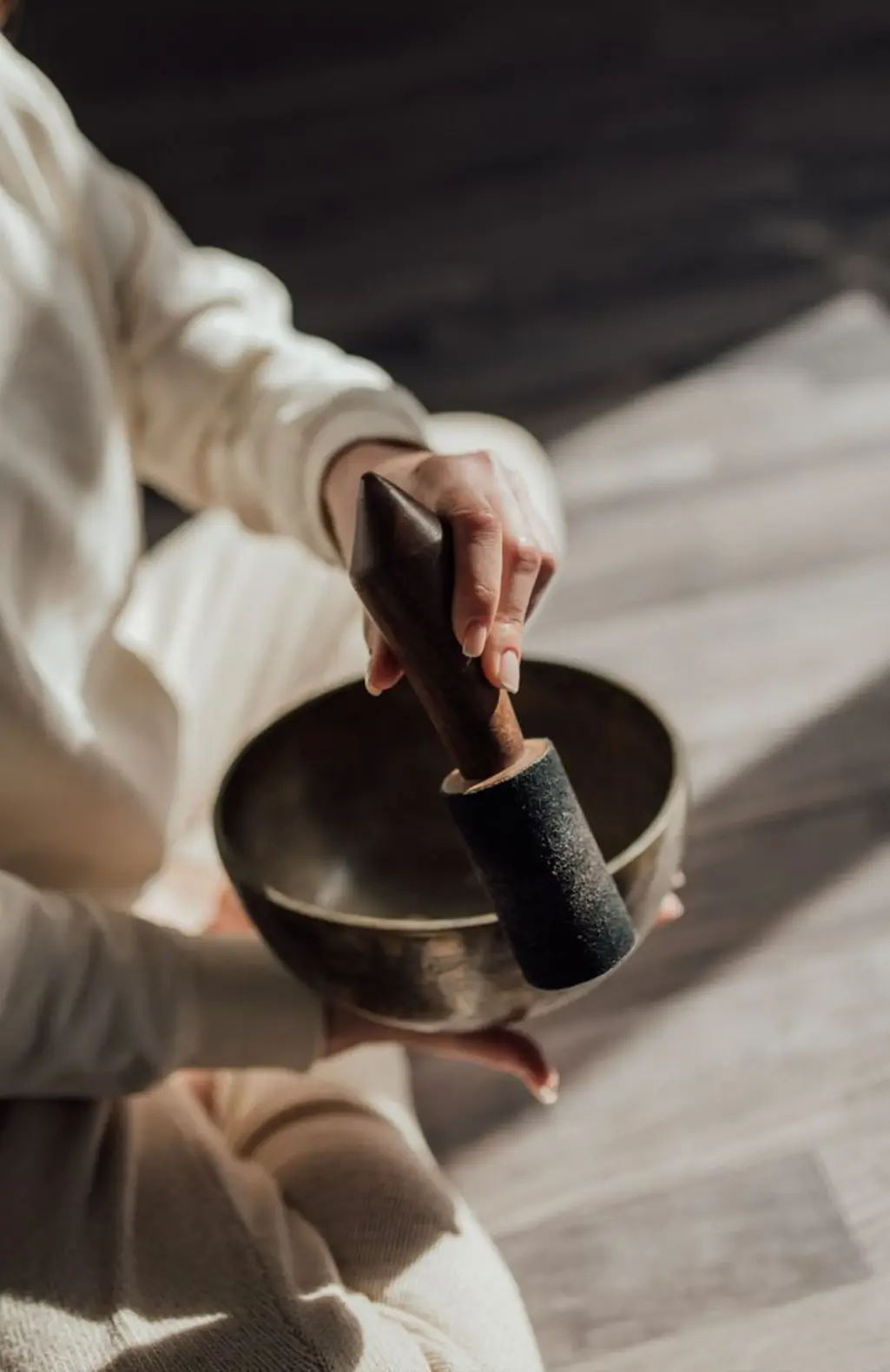
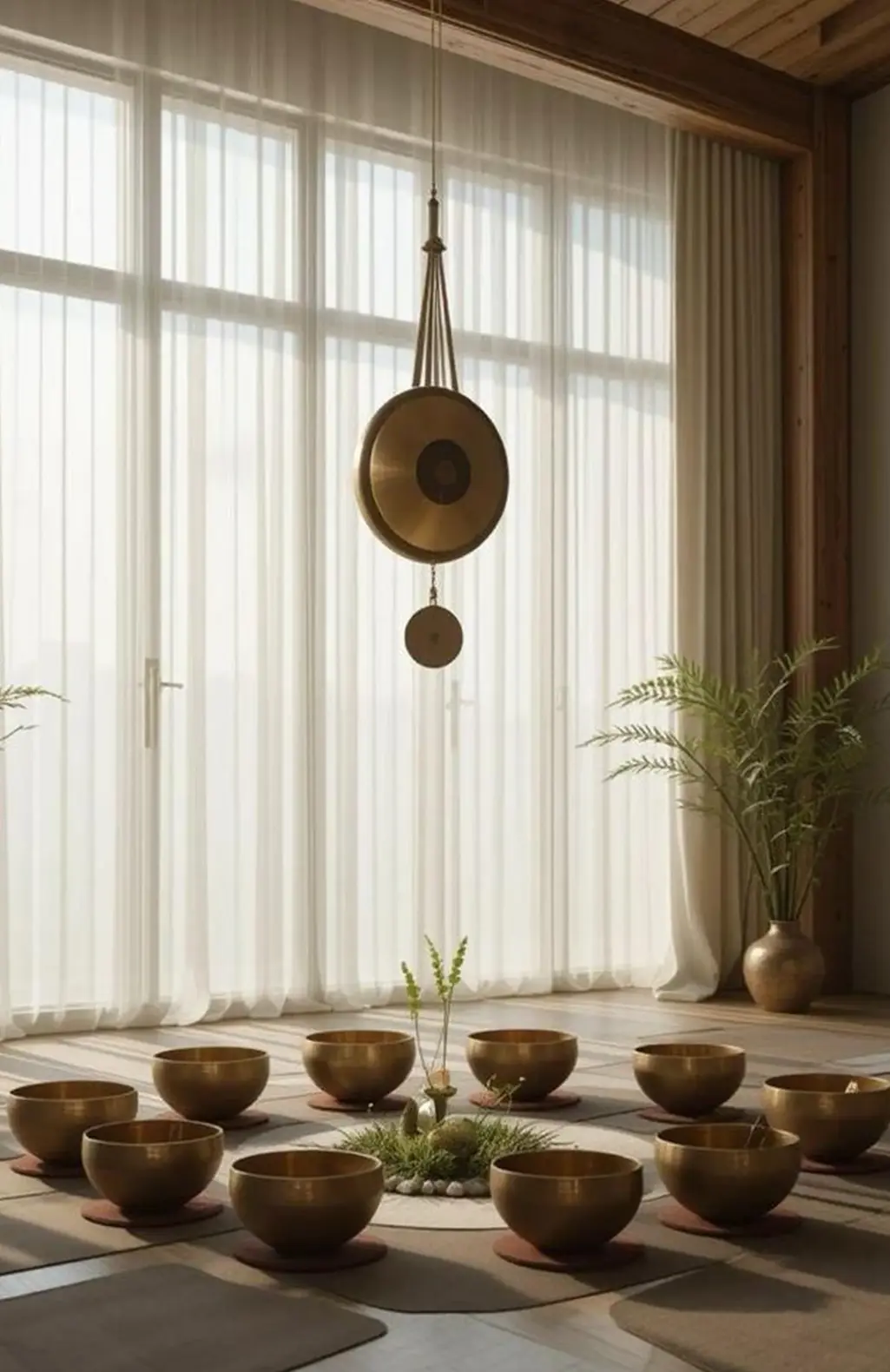
During Ramadan evenings, sound baths feel particularly aligned. They mirror the contemplative tone of the month while offering a sensory experience that requires no effort. Sound becomes a bridge between social wakefulness and private rest, guiding the body downward without force.
Movement during Ramadan nights serves a different purpose than daytime fitness. It is decompression, not achievement. Low-intensity mobility, breathwork, and stretching sessions are designed to release rather than activate.
These practices often take place after heat or sound, when muscles are warm and the mind has softened. Slow spinal movements, hip opening, and guided breathing help settle digestion and reduce physical restlessness before sleep. The emphasis remains on comfort and continuity, allowing the body to unwind without creating new stimulation.
Luxury reframes movement as hospitality toward the body. Mats are thicker. Rooms are warmer. Instructors speak less. The session ends with stillness rather than applause, reinforcing the idea that night movement exists to close the day gently.
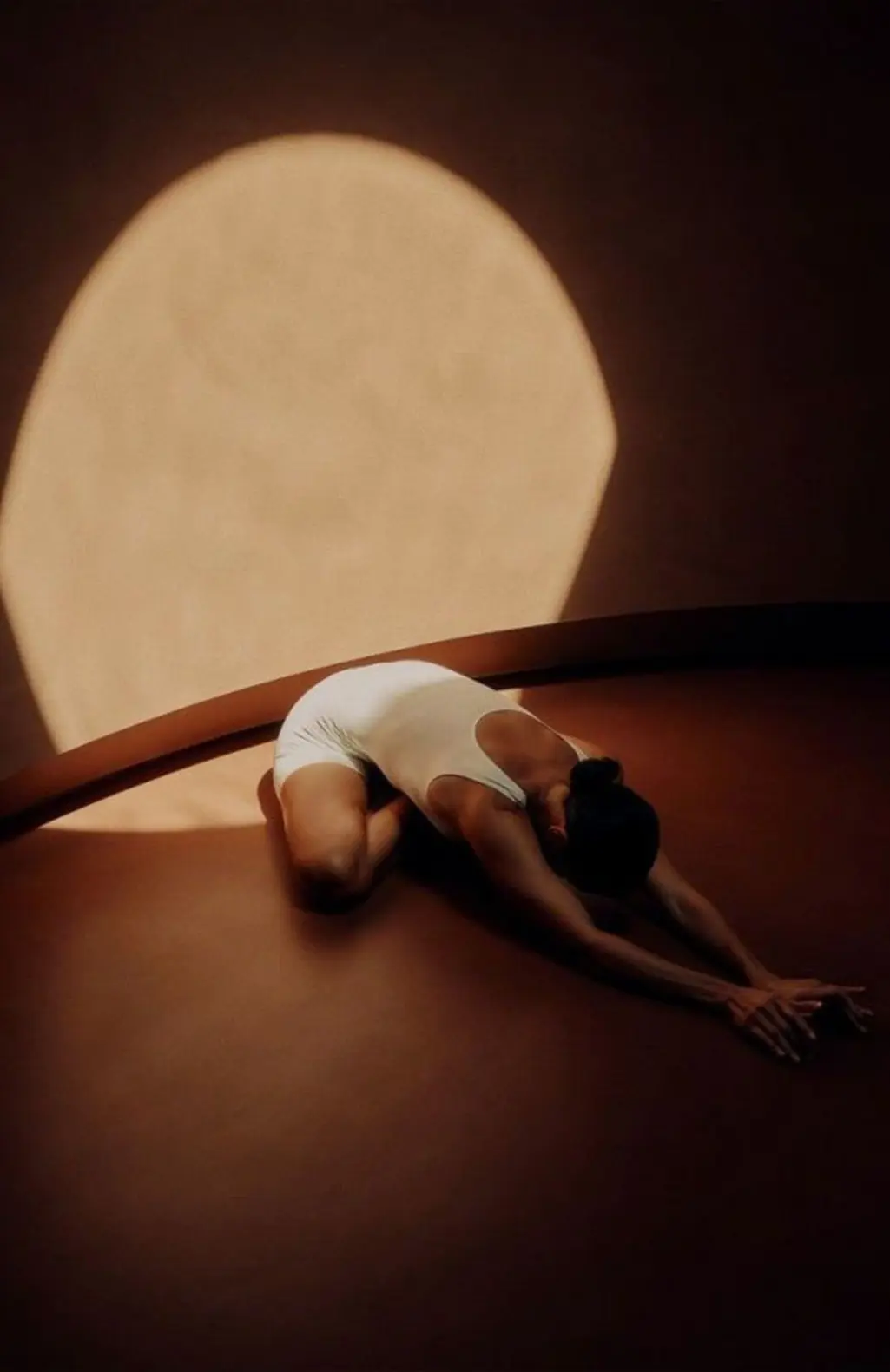
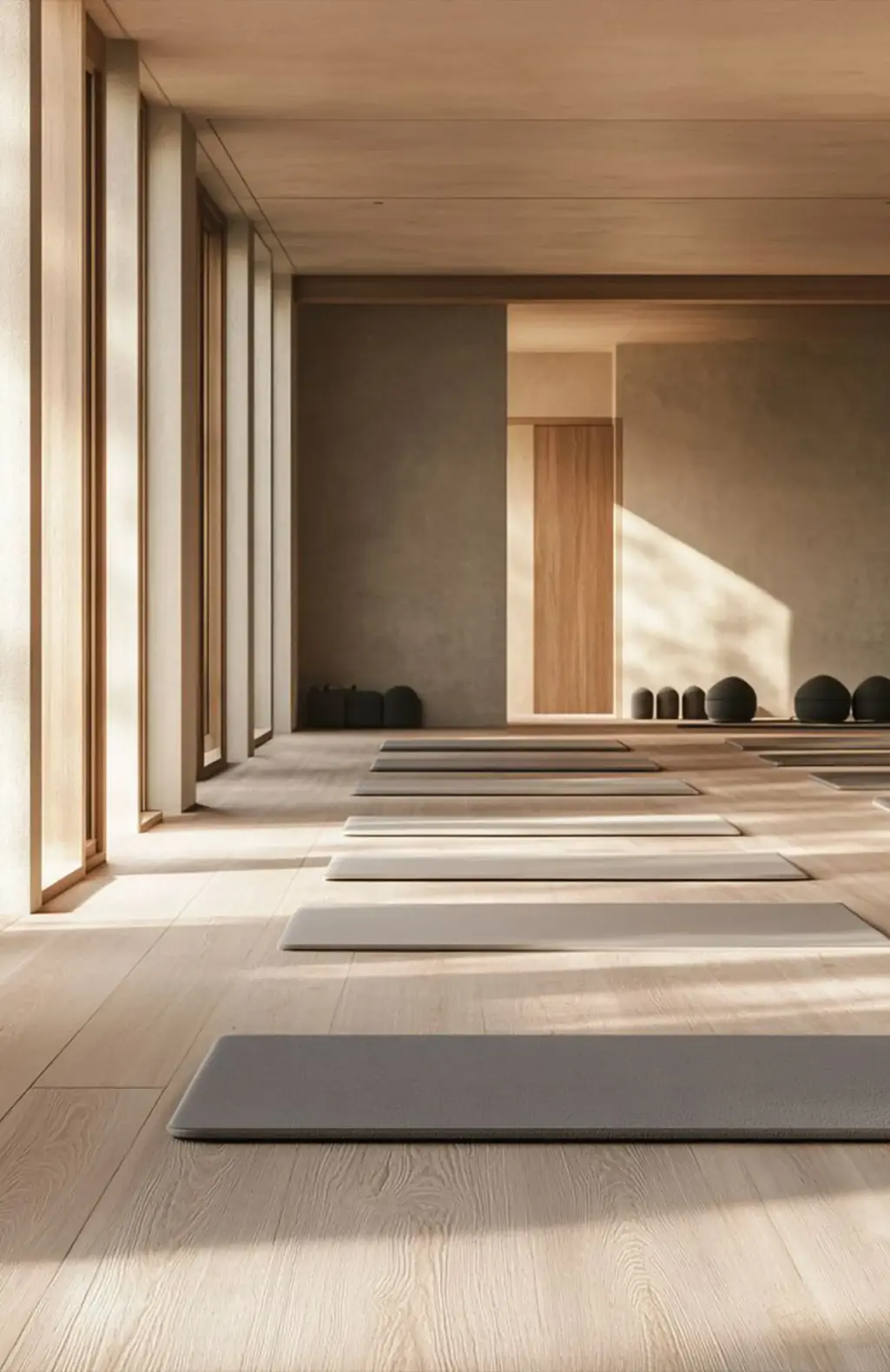
If nocturnal wellness has a final act, it is sleep architecture. During Ramadan, sleep becomes fragmented by design, making quality more valuable than quantity. Here, design steps in as a form of recovery technology.
Light discipline sits at the center. Evening light directly influences circadian rhythms, and dim, warm environments support the transition toward rest. Luxury sleep suites favor layered lighting: indirect wall washes, bedside low-glow lamps, and complete blackout capabilities. Screens are minimized or hidden. Control panels favor simplicity.
Sound control matters equally. Quiet HVAC systems, insulated doors, and soft materials reduce background noise. Bedding shifts toward tactile reassurance: weighty duvets, breathable linens, pillows selected for personal preference. Fragrance remains restrained, present only as a whisper.
In this context, luxury is not visual drama but sensory mercy. The suite does not impress. It protects.
Post-iftar begins with a slow neighborhood walk, allowing digestion and gentle social energy to settle. The evening flows into a private hammam or steam session, where heat releases physical tension accumulated through the day. From there, a guided sound bath quiets the nervous system. The night concludes in a tea lounge with warm herbal blends before retreating into a prepared sleep suite designed for immediate rest.
This itinerary suits urban life, offering depth without requiring escape.
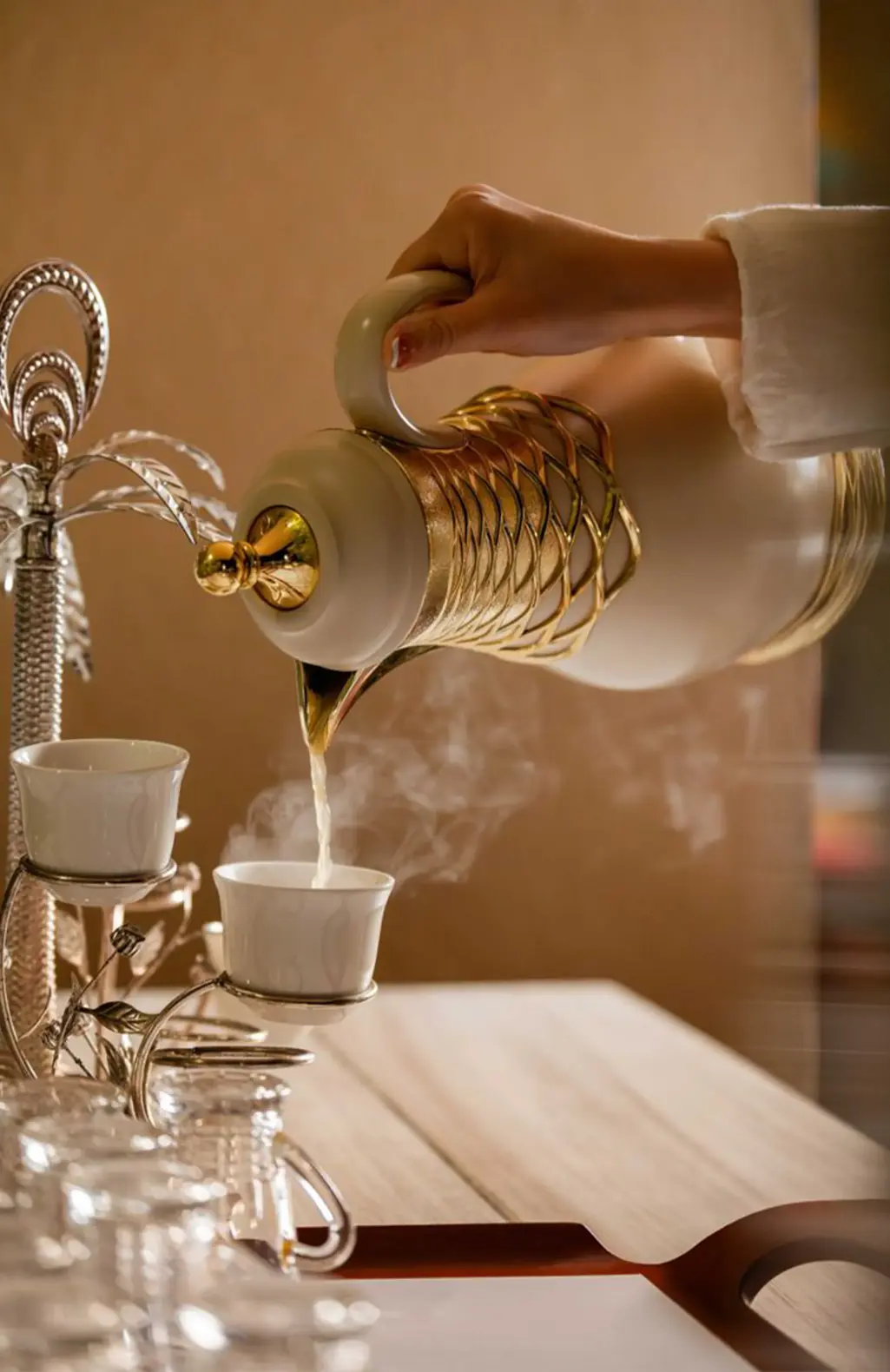
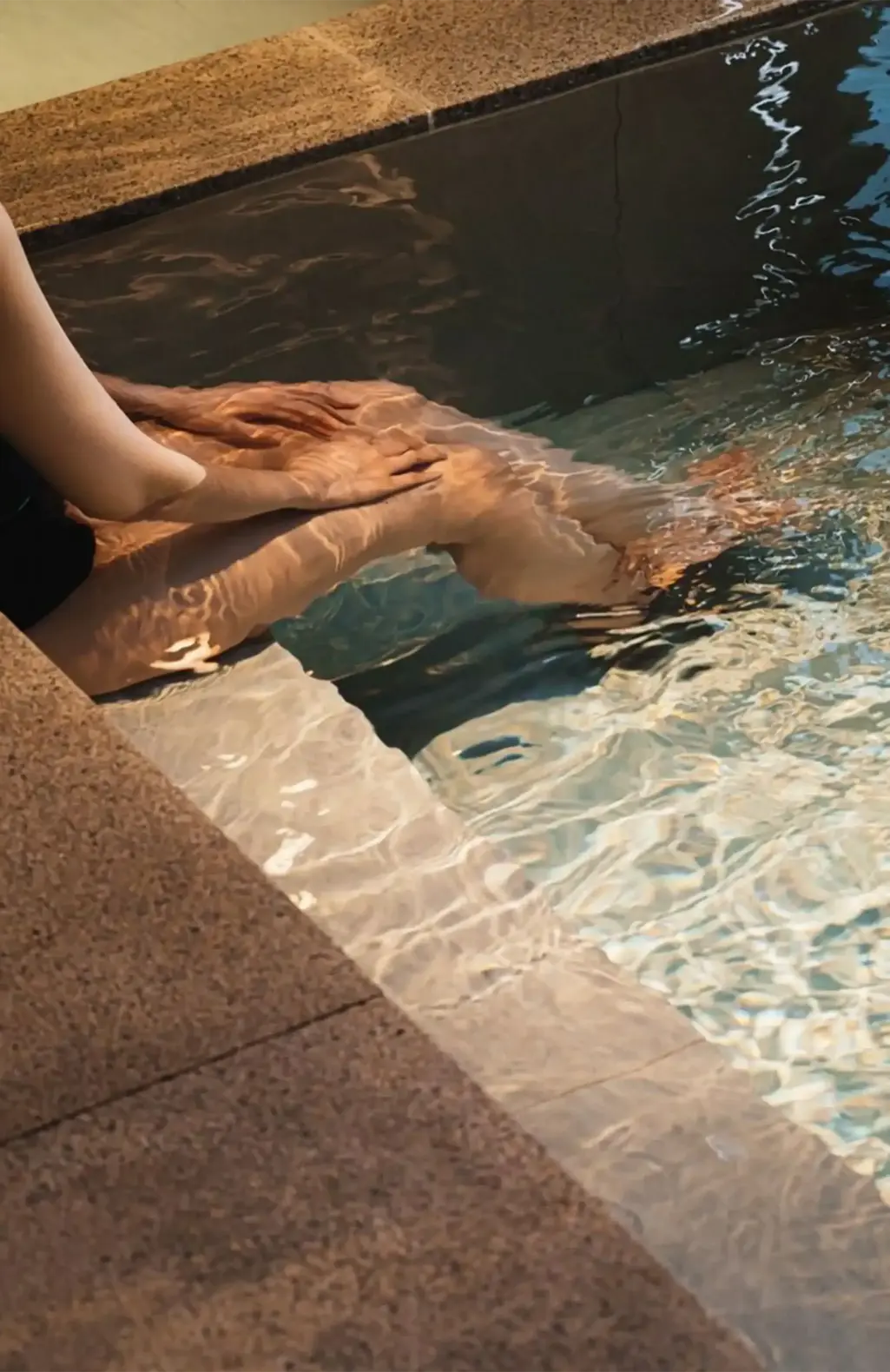
The experience opens with a heat ritual, followed by a cool-down lounge that emphasizes stillness. A facial or foot ritual arrives next, grounding the body through touch. Guests then move into a silent room for rest or meditation. The night ends with a curated suhur kit delivered discreetly, supporting the pre-dawn rhythm without disruption.
Efficiency defines this itinerary, ideal for travelers or busy schedules.

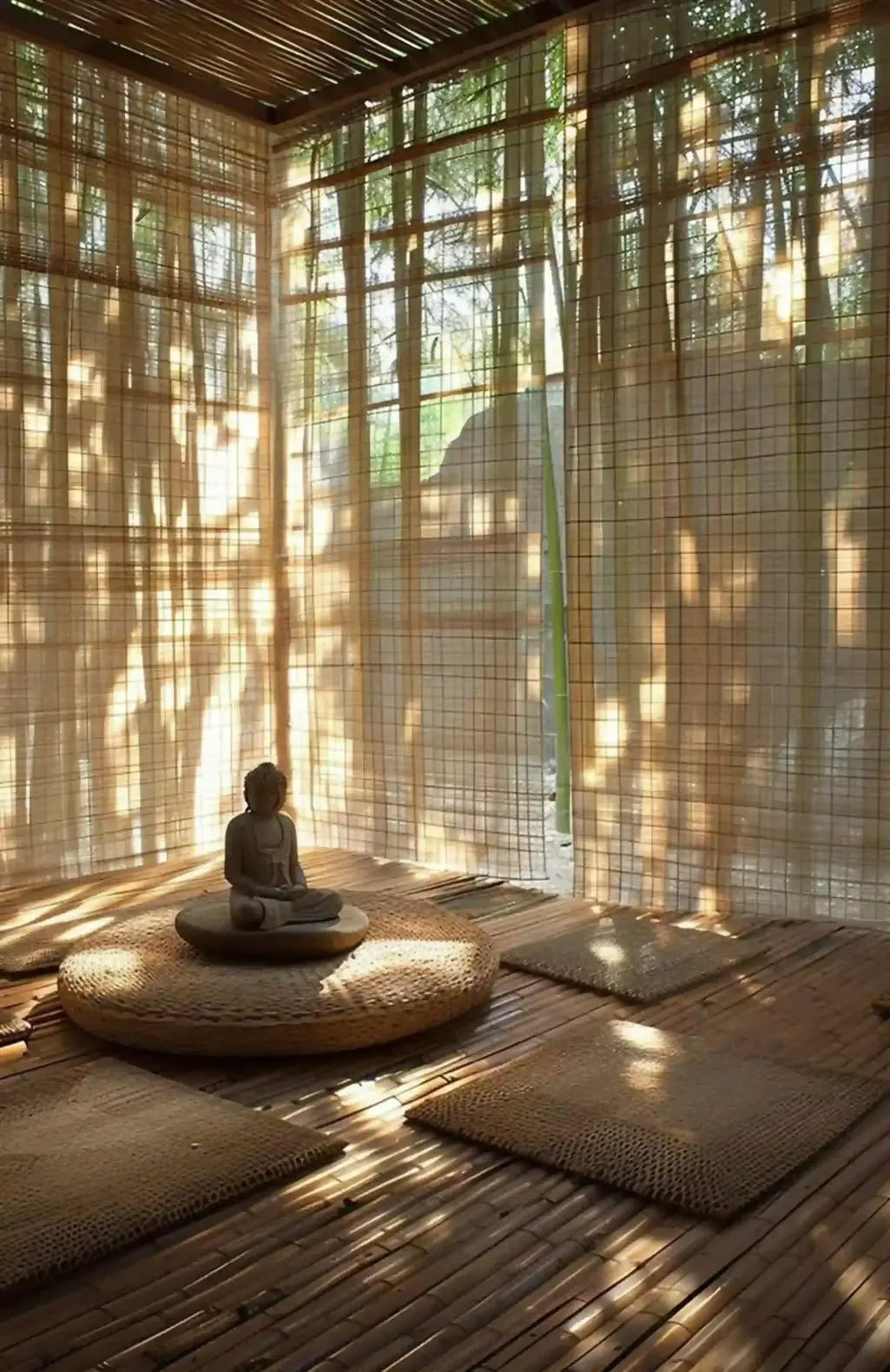
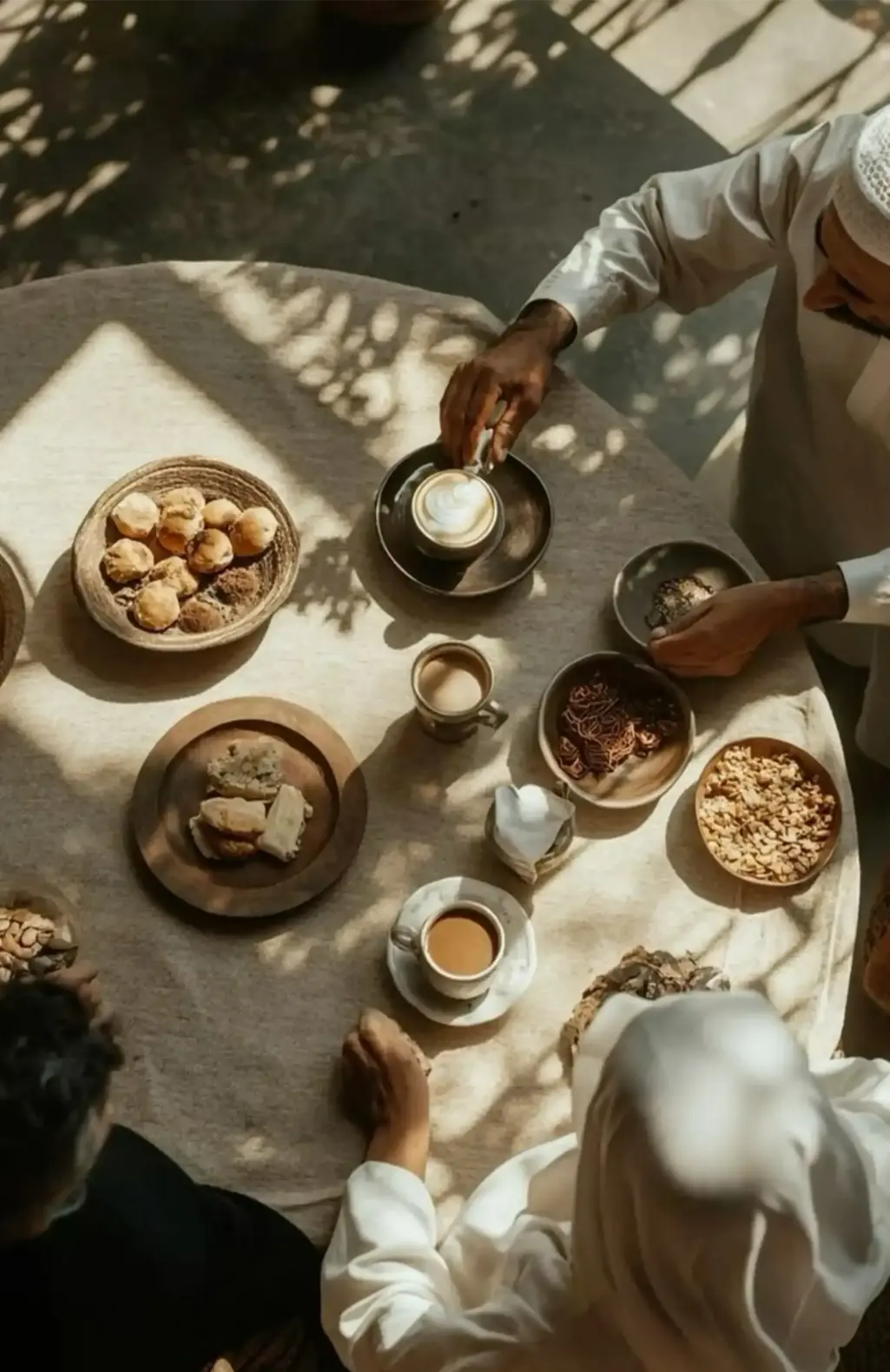
Arrival happens under low light, allowing the desert’s scale to remain felt rather than seen. A portable heat ritual or spa session anchors the body. Stargazing follows, offering natural sensory expansion without stimulation. A sound bath deepens calm before guests retire to a sleep tent or suite engineered for thermal comfort and silence.
Here, the night becomes expansive, echoing the spiritual geography of Ramadan itself.
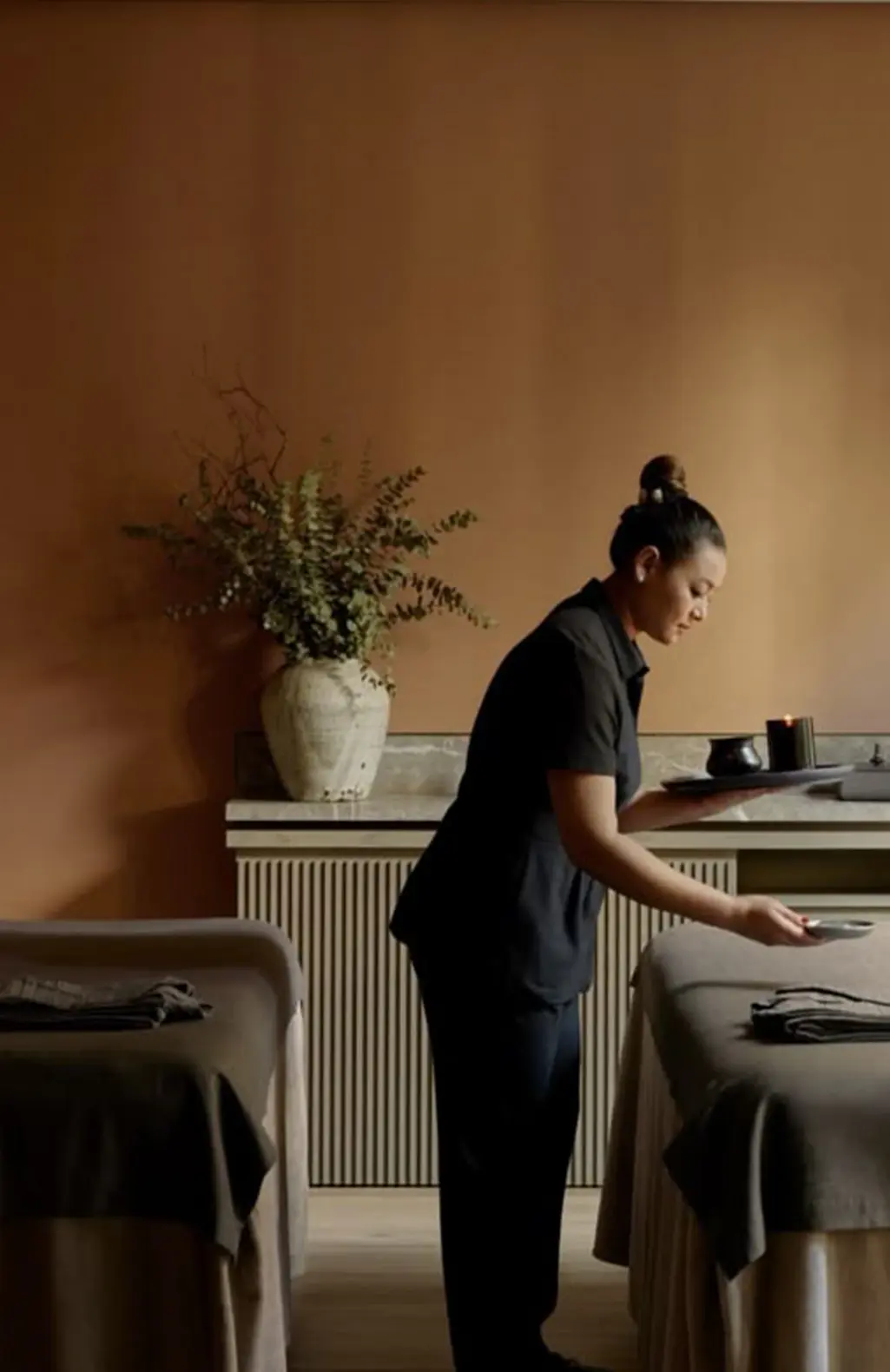
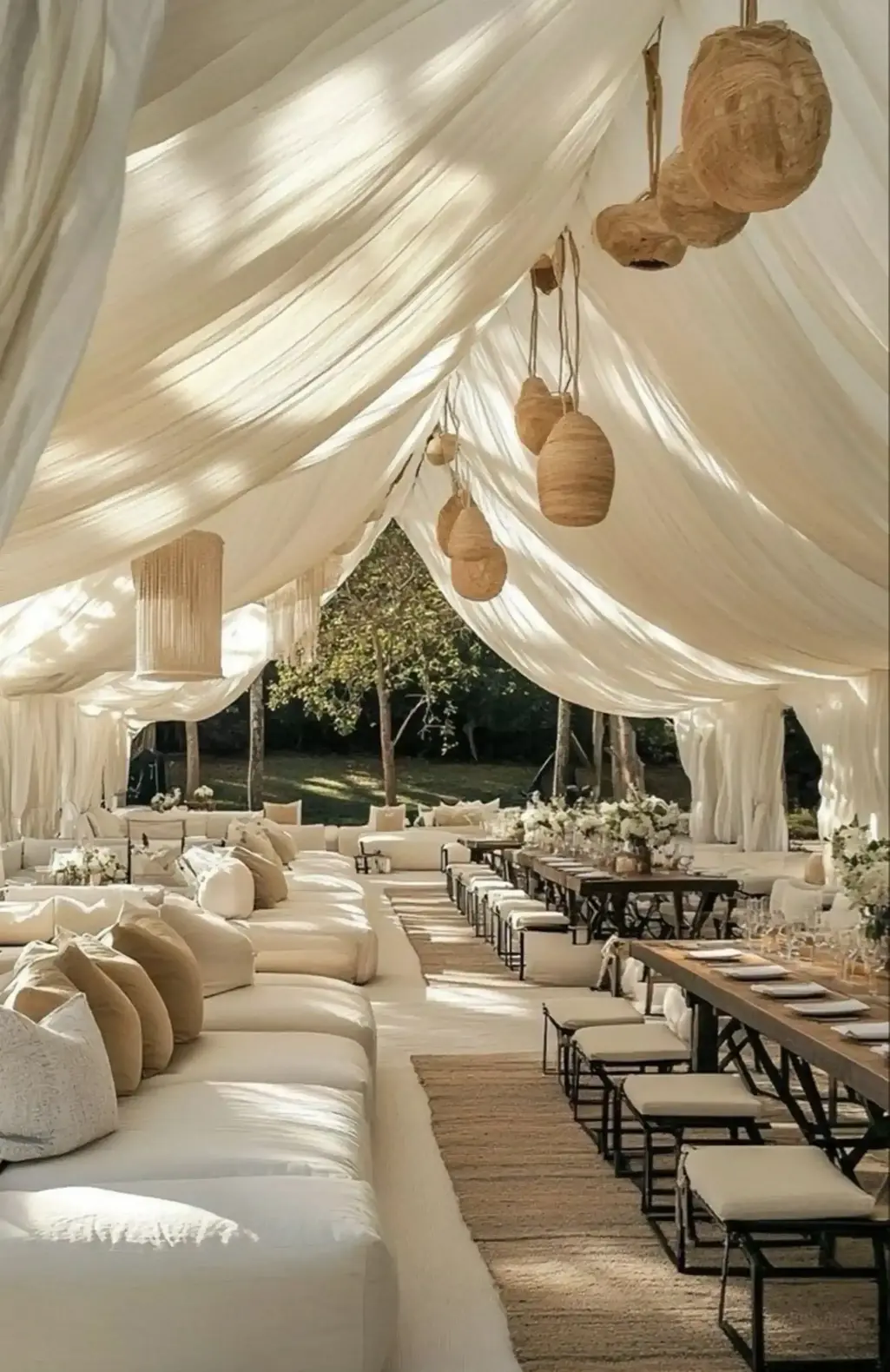
For those translating nocturnal wellness into private homes or hospitality spaces, priorities remain clear. Invest in layered lighting with warm color temperatures. Ensure true blackout capability. Choose bedding that invites weight and breathability. Reduce mechanical noise wherever possible. Treat fragrance as an accent rather than a signature.
Above all, design for sequence. The room should anticipate the body’s descent into rest, offering cues rather than commands.
Ramadan teaches luxury a vital lesson. Wellness does not need to be louder, brighter, or earlier. It can arrive late, move slowly, and linger. In honoring the night, nocturnal Wellness rediscovers one of its oldest truths: the most profound indulgence is being carried gently toward rest, exactly when the body is ready.