MENU
Close





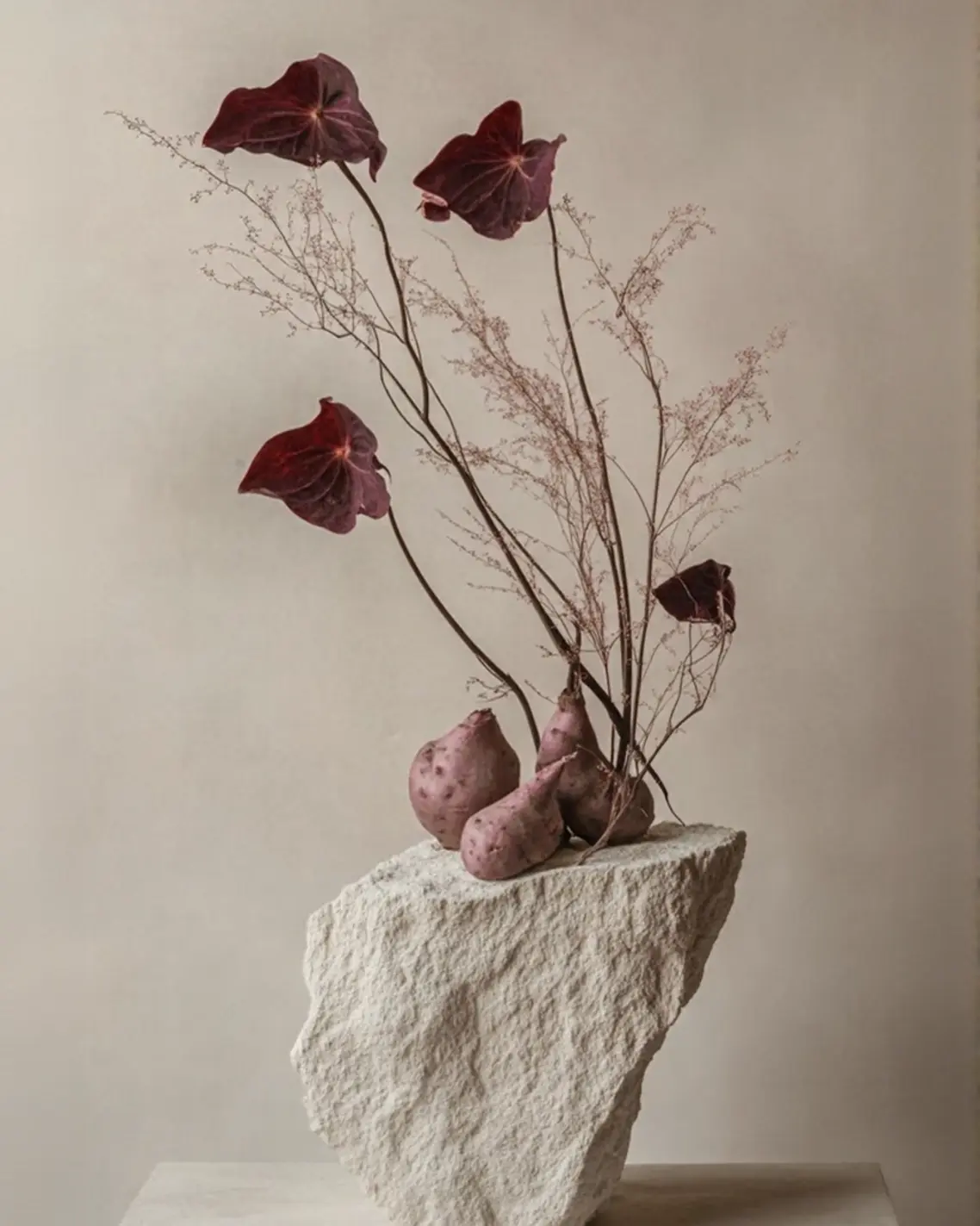
Ramadan florals are shifting quietly, almost reverently away from anything that feels performative. This season, flowers step out of pure decoration and into something closer to architecture: fewer stems, firmer silhouettes, and a sense of arrangement as structure rather than splash. Tone replaces color noise. Negative space becomes part of the design. On the table, these compositions sit like still lifes: composed, deliberate, and deeply calm.
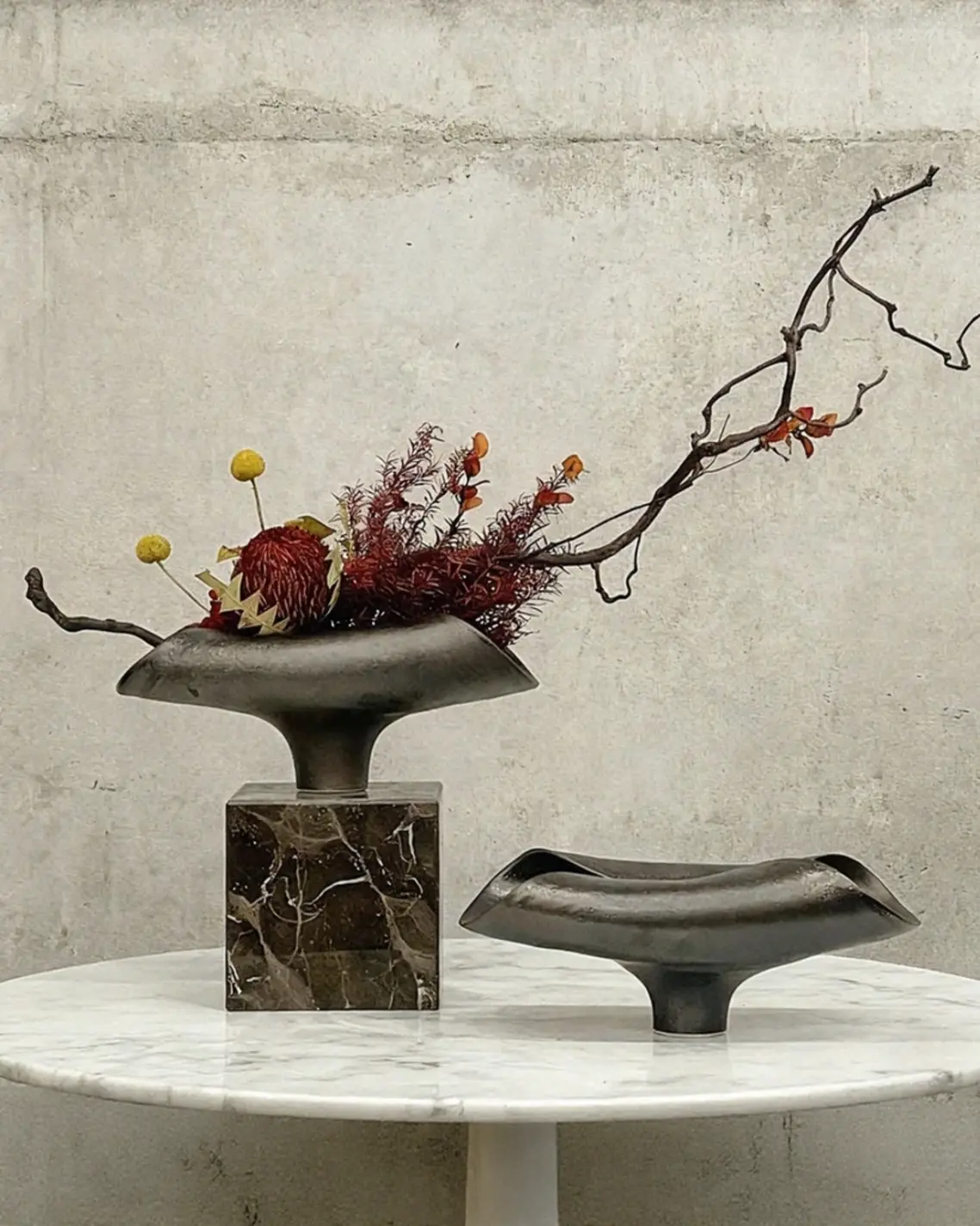
Ramadan florals are shifting quietly, almost reverently away from anything that feels performative. This season, flowers step out of pure decoration and into something closer to architecture: fewer stems, firmer silhouettes, and a sense of arrangement as structure rather than splash. Tone replaces color noise. Negative space becomes part of the design. On the table, these compositions sit like still lifes: composed, deliberate, and deeply calm.
January 19, 2026


Beyond roses, the palette turns more rooted, more regional in mood: olive branches with their silvered hush, date palm fronds that read like calligraphy, jasmine that carries memory without demanding attention, narcissus and tuberose in small doses for a clean, devotional whiteness. Even when the blooms are lush, the styling stays disciplined: one material, one gesture, one focal point, so the feeling stays serene.
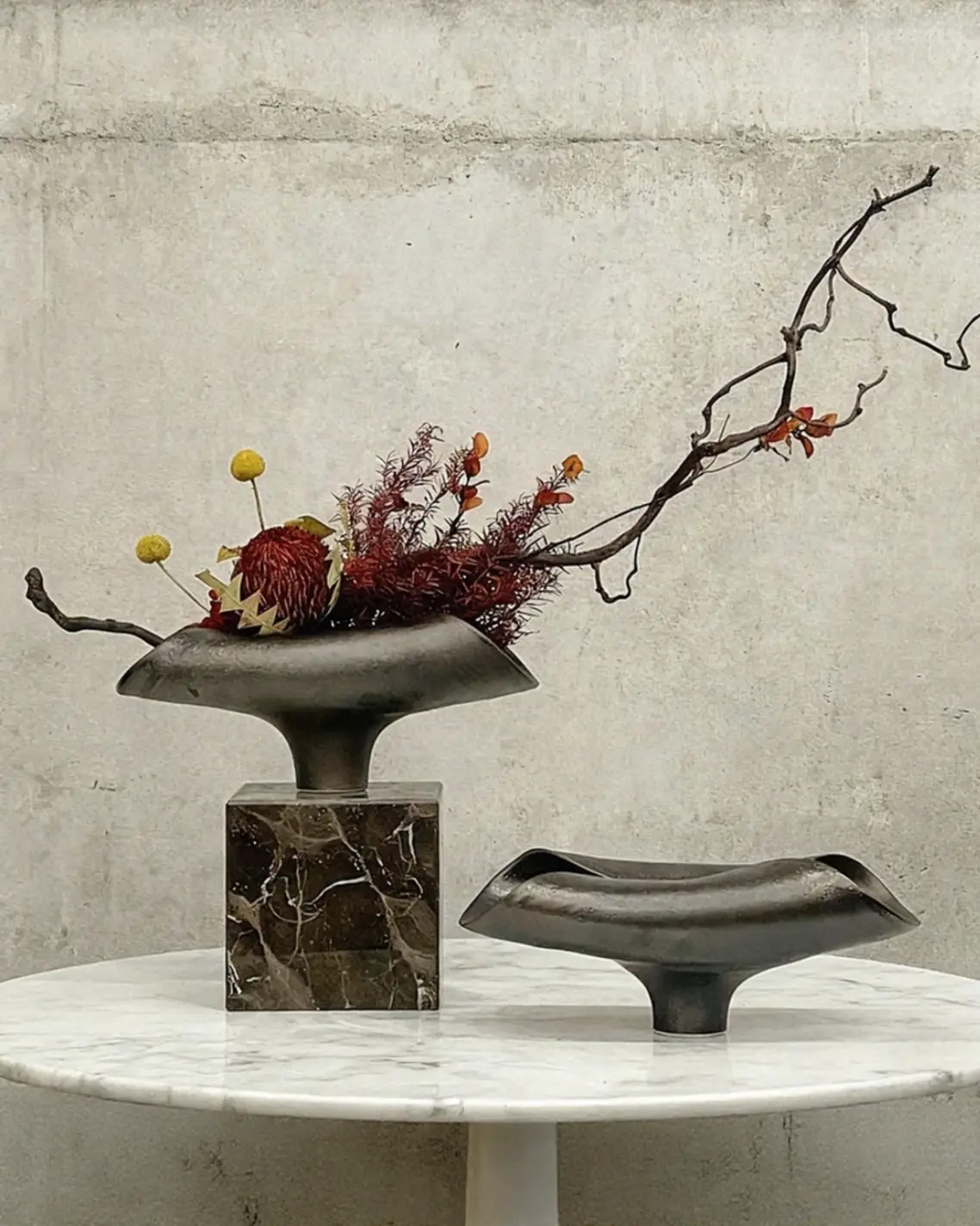
The modern Ramadan floral story understands luxury as restraint. Space is left to breathe. Form carries meaning. Every stem feels chosen, every vessel considered - stone, brass, smoked glass, ceramics with a hand-thrown edge. What remains is a floral language that feels contemporary, culturally legible, and editorial in spirit: less bouquet, more sculpture; less “more,” more intention.
Form over volume. Tone over spectacle. Space as luxury.
This year’s most compelling arrangements follow a simple philosophy. Flowers behave like objects, not ornaments. Negative space becomes part of the composition, as valuable as the blooms themselves. Monochrome palettes - sand, olive, chalk, stone, allow shape and texture to lead, while vessels act as anchors, grounding the arrangement with craft and weight.
Certain botanicals resonate instinctively during Ramadan because they already belong to the table, the landscape, the memory.
Olive, citrus, and herbs carry quiet symbolism: endurance, prosperity, hospitality. They feel culinary-adjacent, welcome beside shared dishes, familiar without being literal. Palm textures introduce structure and verticality, offering graphic silhouettes that read clearly even in low light. Their presence feels architectural rather than floral, which is precisely the point.
A Ramadan table is communal by nature, and florals should honor that. Low, elongated arrangements preserve sightlines across shared platters and encourage conversation. Asymmetry feels collected rather than staged, as if elements were gathered over time.
Keep the height restrained along the centerline, and let any taller stems drift toward the edges, so the table remains open, generous, and inviting.
In modern Ramadan styling, the vessel is the jewellery. Hand-thrown ceramics, resin, matte stoneware, cut glass, or softly aged brass give weight and intention to even the simplest stem. The flower and the container speak as equals, each enhancing the other.
Dinosaur Designs (Resin): Their boulder-like forms have a painterly, translucent quality that mimics stone. They offer a soft, organic "weight" to a table.
Reflections Copenhagen (Glass): These are the definition of "vessel as jewelry." They use 18th-century geometric glass-cutting techniques to create heavy, jewel-toned crystal pieces that look like oversized gems.
Tom Dixon (Bash): These are hand-beaten from large sheets of brass. The crumpled, gold-leaf effect feels raw and incredibly expensive, providing a warm glow that complements sunset tones.
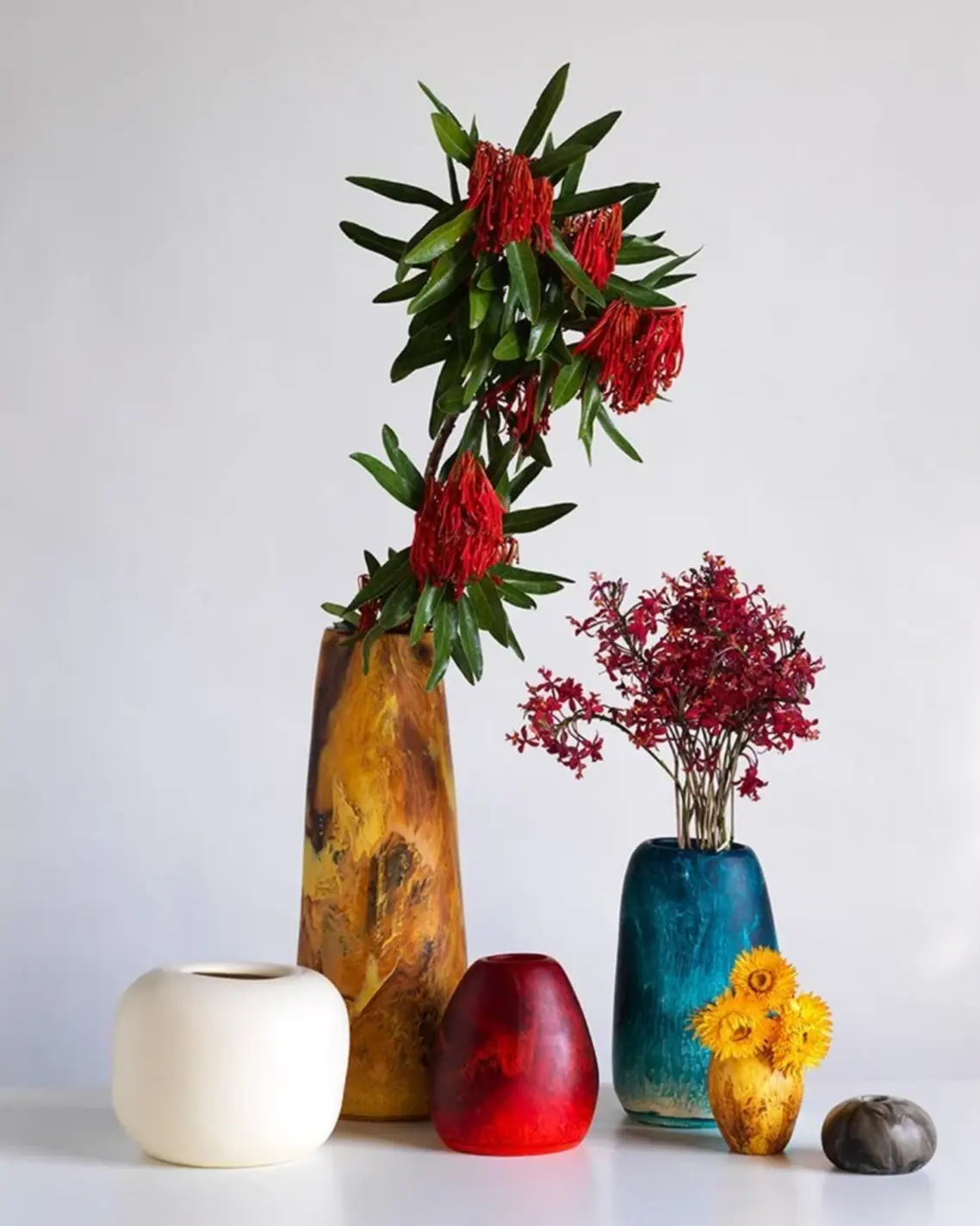
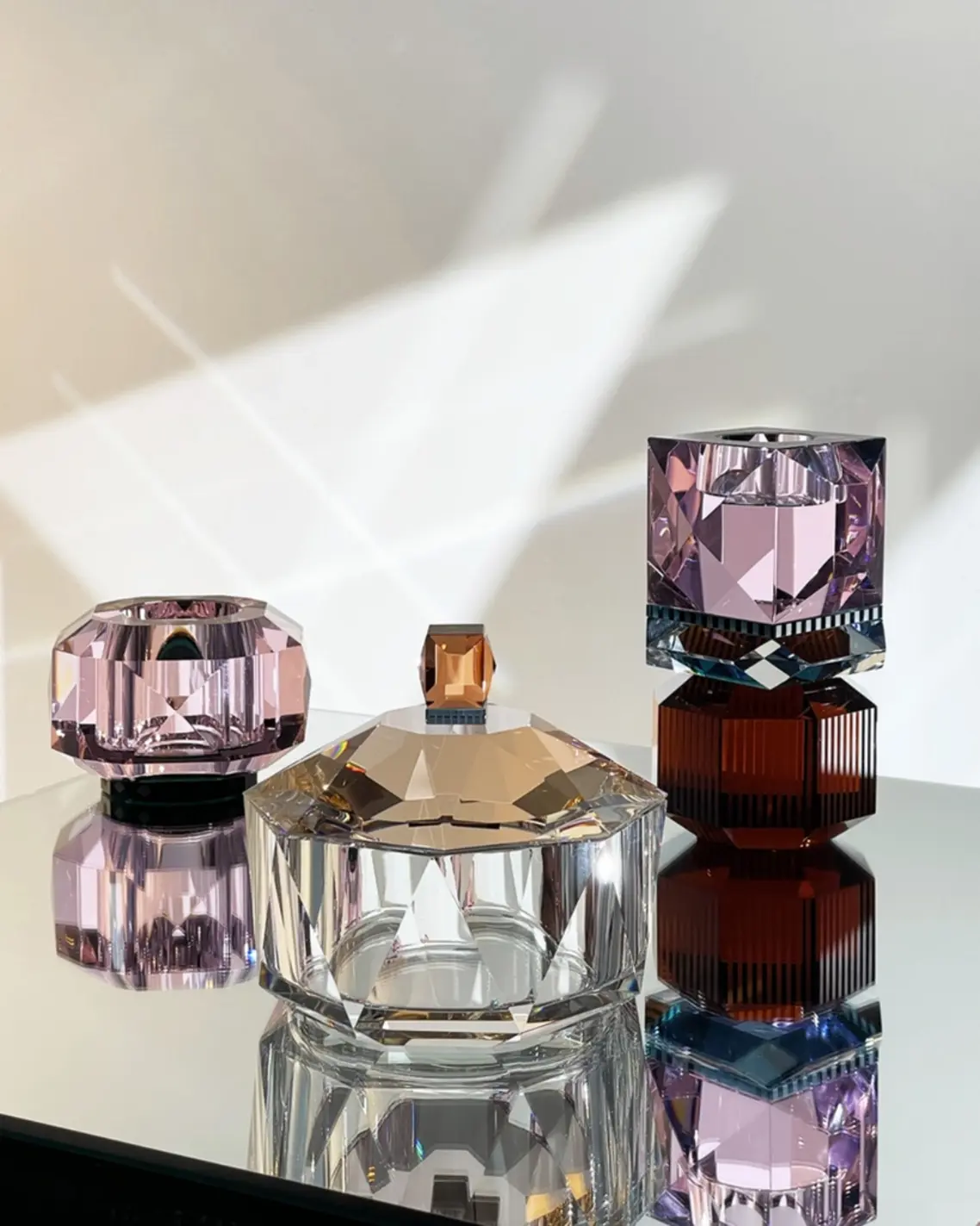
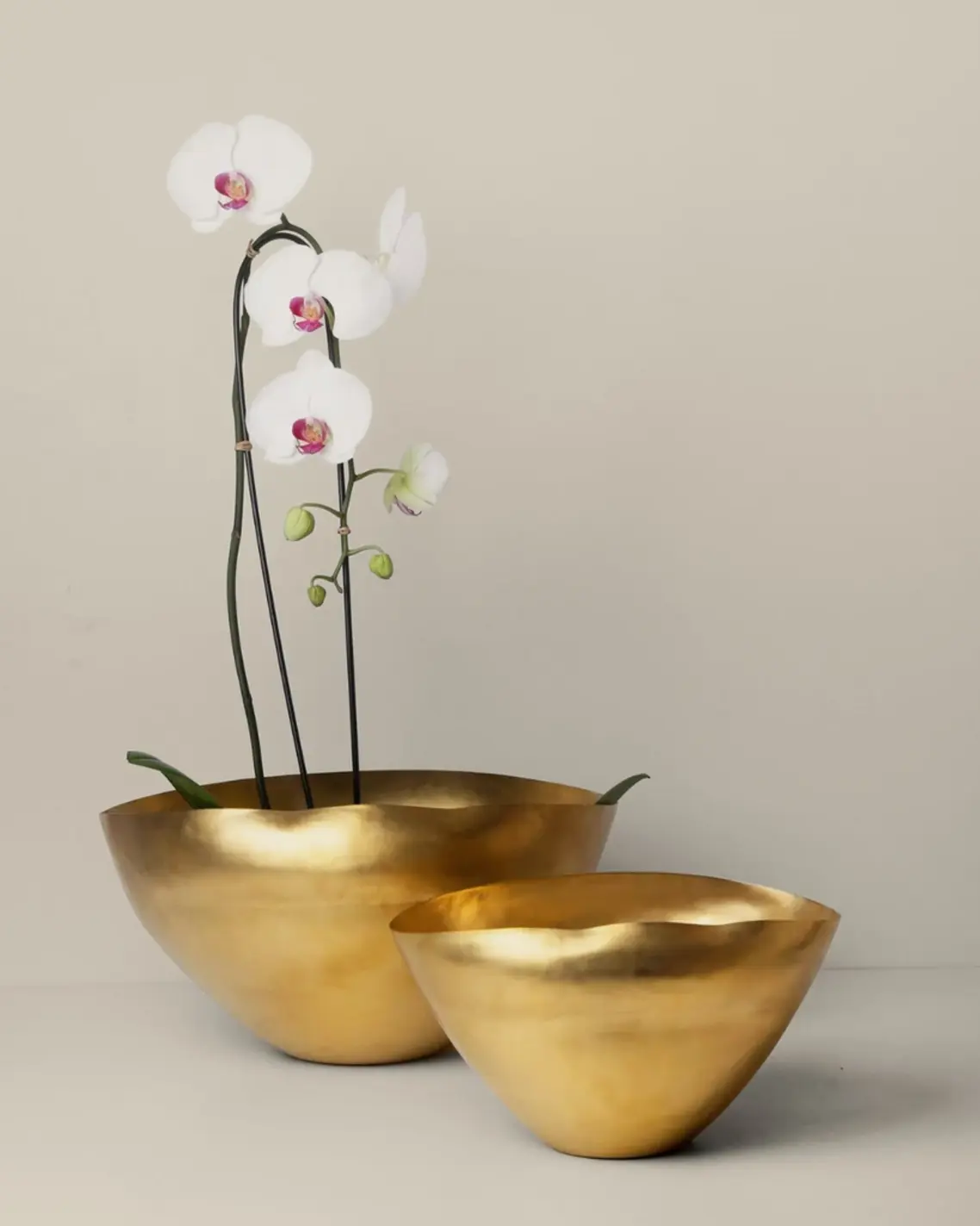
Before the table, there is the threshold. A console vignette: florals paired with a lantern, a tray, perhaps a scent object, sets the tone instantly. It signals care, preparation, and the quiet generosity that defines Ramadan hosting.
A palette drawn from the landscape itself: Sand, cream, ivory, soft green.
Ingredients: Dried palm accents, pale blooms, airy foliage Vessel: Matte ceramic or stoneware
This arrangement reads like a desert still life. Subtle, grounded, and serene, it thrives on tonal harmony rather than contrast
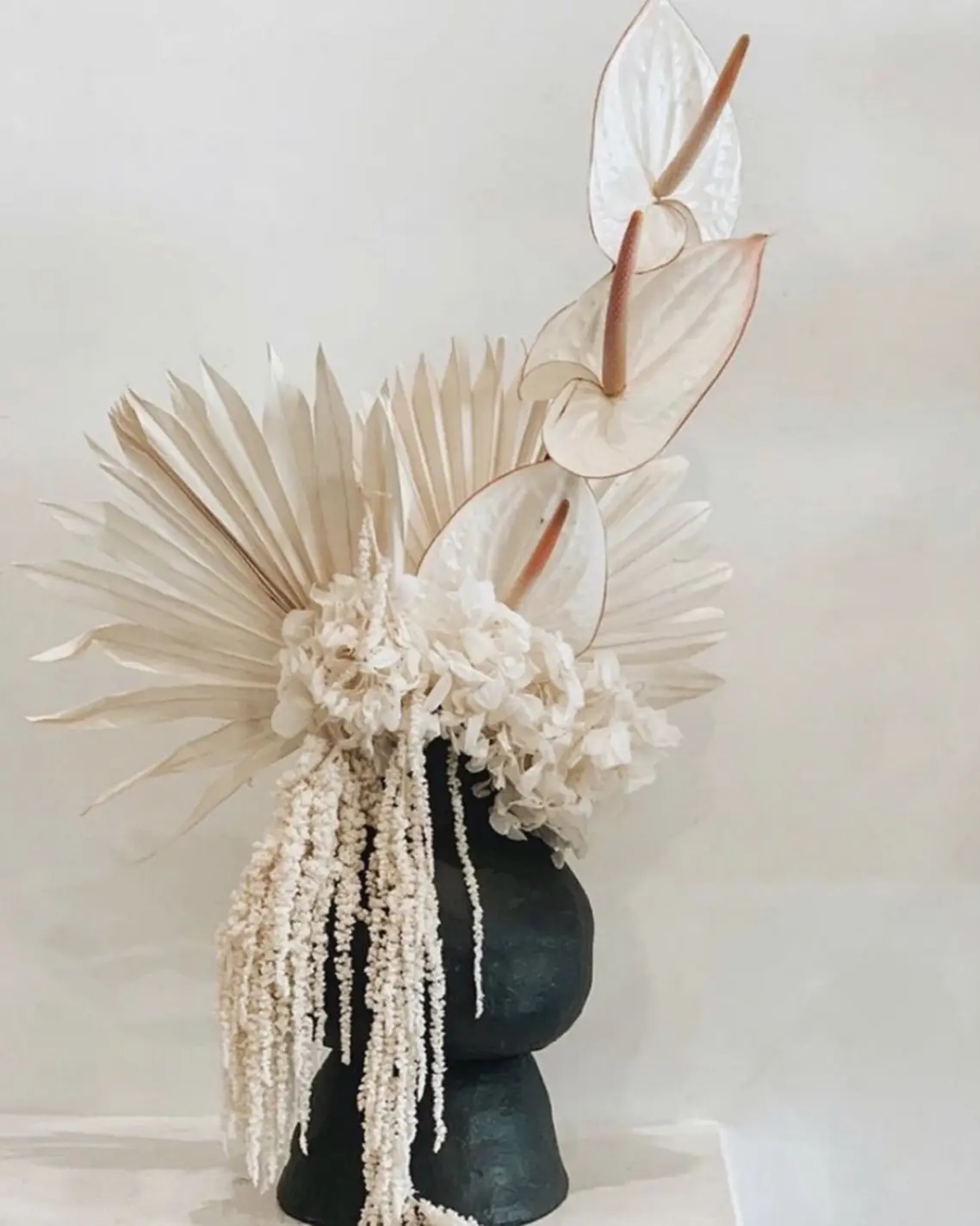
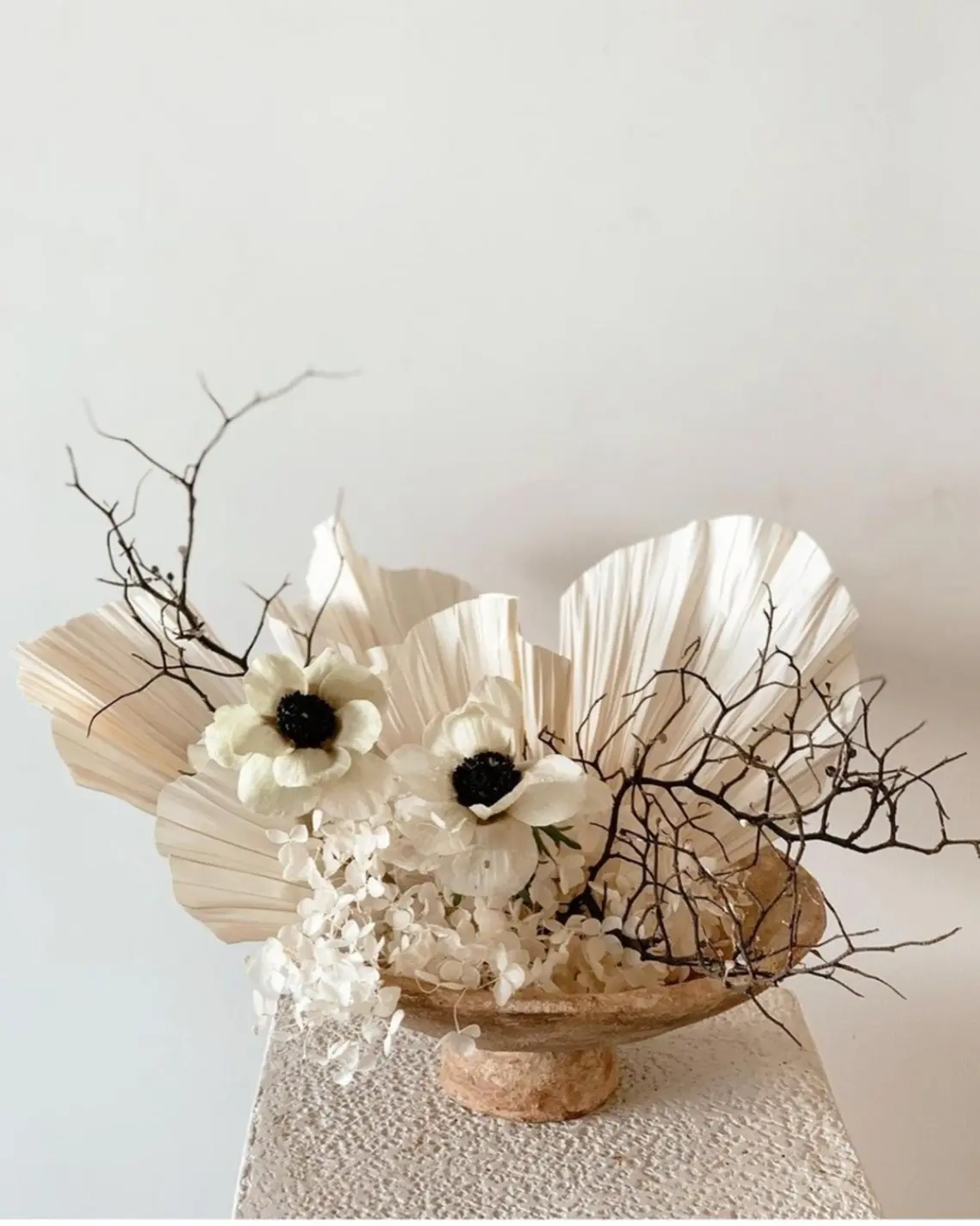
A composition that feels gathered rather than arranged.
Ingredients: Olive branches, citrus stems and leaves, rosemary or mint, minimal blooms Vessel: Cut glass or a shallow brass bowl, paired with a tray for a “market edit” feel
Olives hold a strong presence in regional hospitality traditions, making this look immediately legible at the table. It bridges the ornamental and the edible with ease.
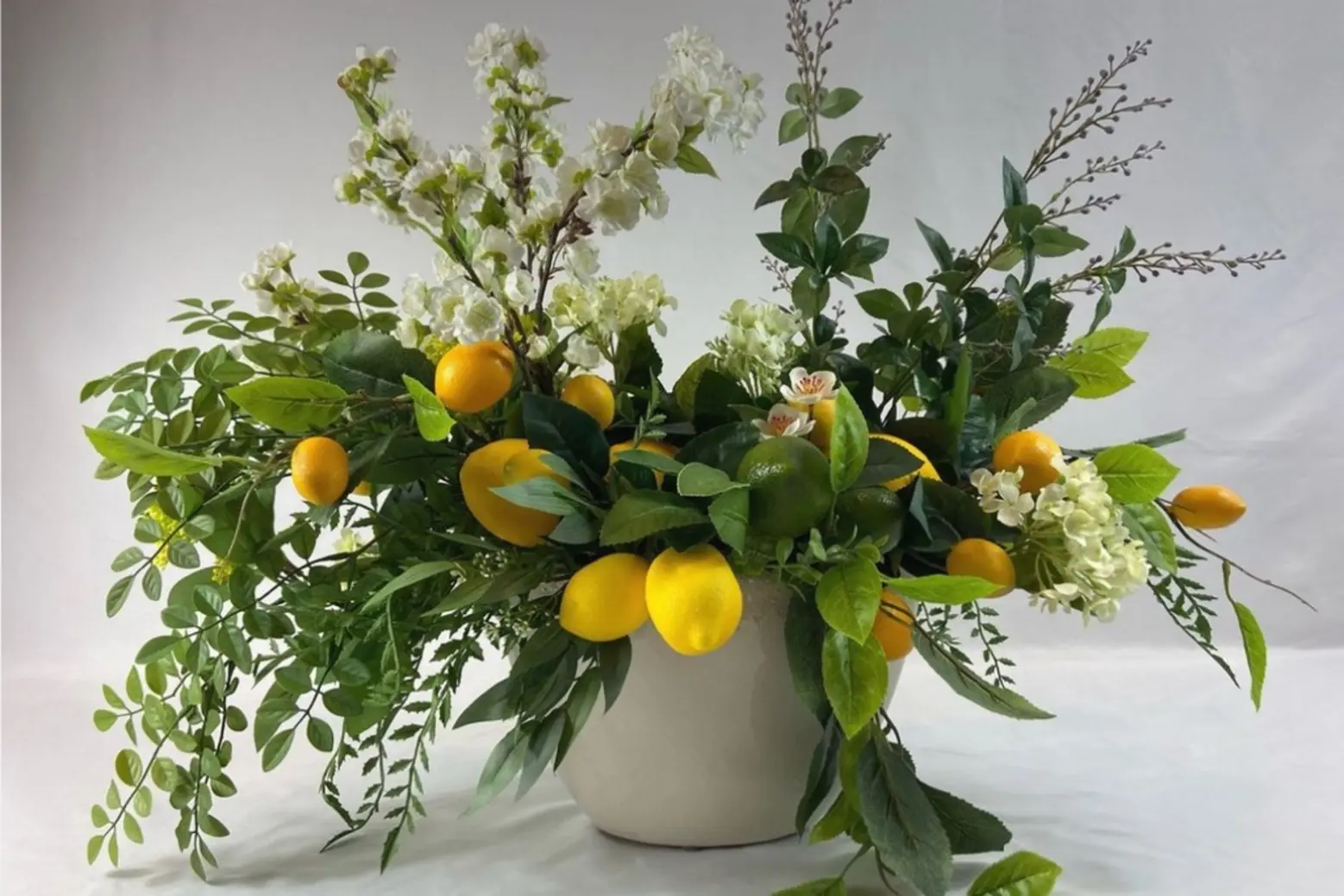
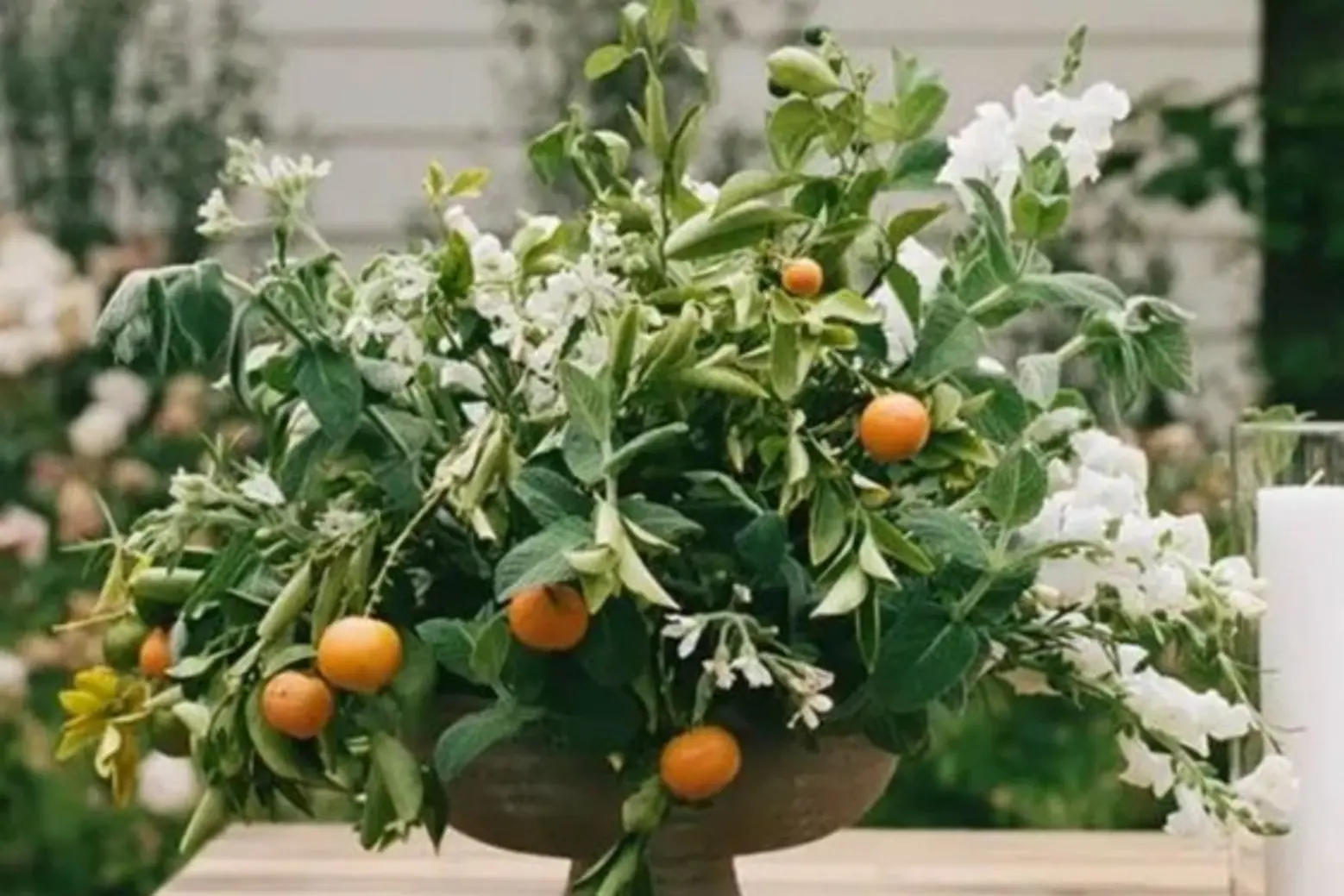
Fewer stems, bolder intent.
Concept: A small number of dramatic stems with strong silhouettes Effect: Modern art for the table
This look aligns seamlessly with contemporary interiors and photographs beautifully. It echoes the wider move toward statement forms and focused compositions, where one gesture says everything.
Ramadan florals today feel quieter, but they speak more clearly. They honor the month through balance, between beauty and restraint, symbolism and simplicity, craft and space. In doing so, they become less about decoration and more about presence.