MENU
Close





With natural light, a gentle gaze, and an instinct for elegance, Patrick Demarchelier shaped the visual language of fashion from the rise of the supermodels to intimate portraits of Princess Diana. Tracing his journey, we discover not just a photographer, but a man whose simplicity became his greatest signature.
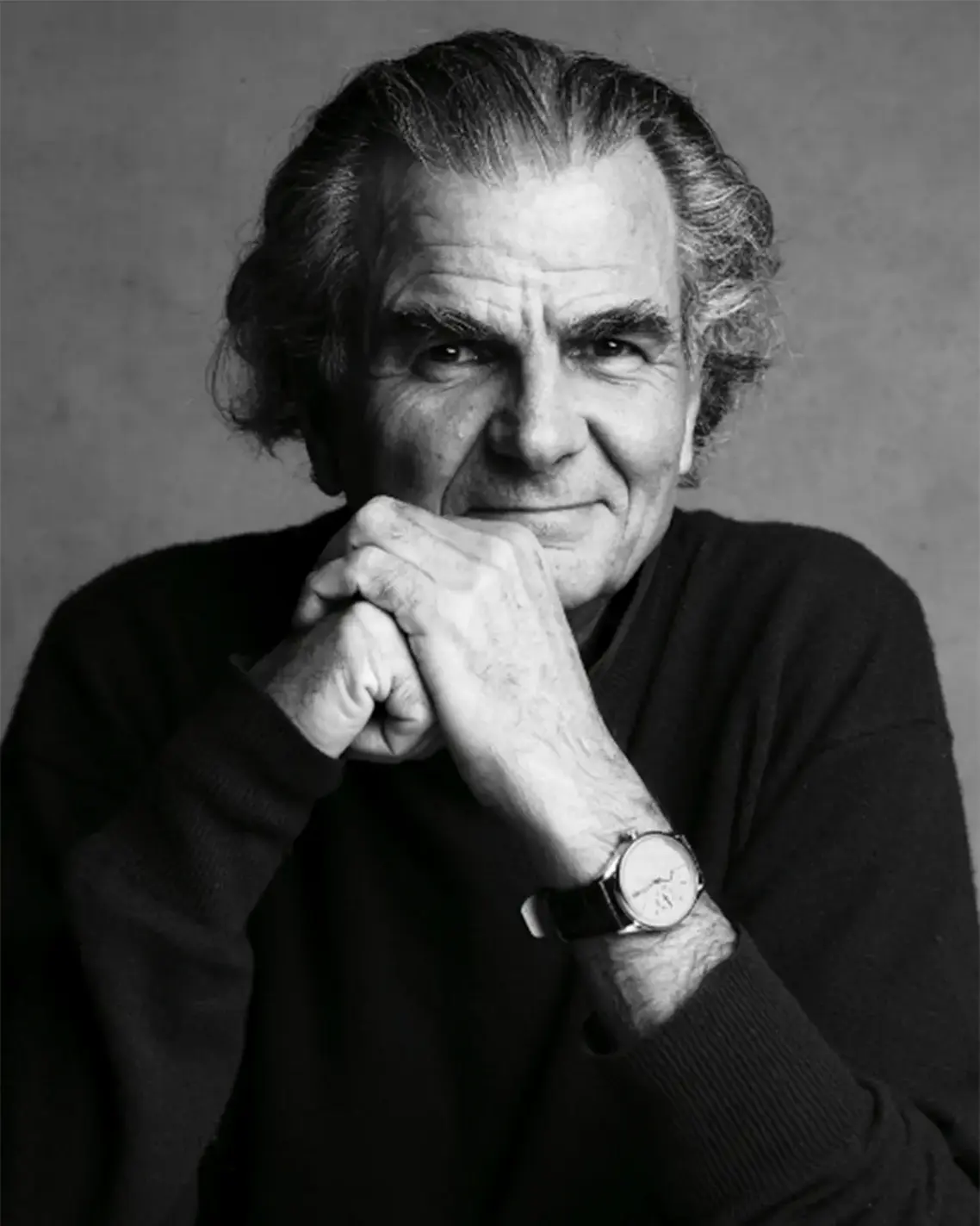
With natural light, a gentle gaze, and an instinct for elegance, Patrick Demarchelier shaped the visual language of fashion from the rise of the supermodels to intimate portraits of Princess Diana. Tracing his journey, we discover not just a photographer, but a man whose simplicity became his greatest signature.
January 28, 2026
Advertisement
Advertisement


Born in 1943 in the French port city of Le Havre, Patrick Demarchelier grew up surrounded by the quiet rhythm of maritime life, a world that subtly shaped his aesthetic sensibility. At seventeen, a simple gift from his stepfather, Eastman Kodak camera, would set the course of his life.
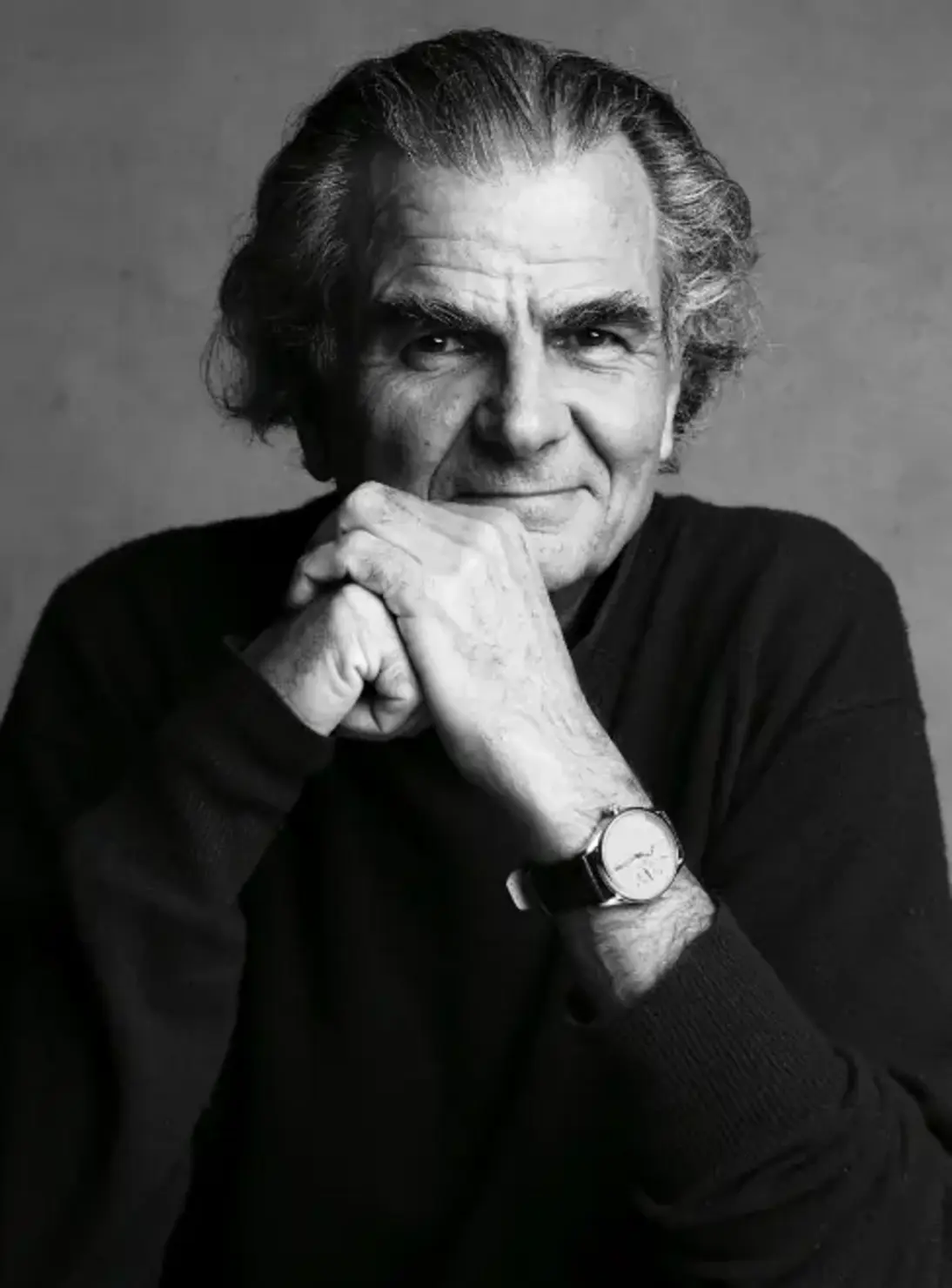
Demarchelier always approached photography with curiosity, precision, and perfectionism. He viewed photography as “a fraction of a second,” an ability to seize truth before it disappears. “You have half a second to capture someone,” he said. “My idea is always to let people be themselves. You need to get that moment just before they realise they’re being photographed.” By creating relaxed environments, he allowed authentic moments to emerge, an approach that became his signature style.
Simplicity defined his early work: natural light, minimalism in back-and-white, and compositions that let the subject speak for themselves. He drew inspiration from film, other photographers, and observation, believing the eyes were the first camera, and the device itself merely a conduit. In an era of staged grandeur, his restraint felt quietly human. Watching a Demarchelier photograph, you sense not just the image, but the photographer's artistic sensibility.
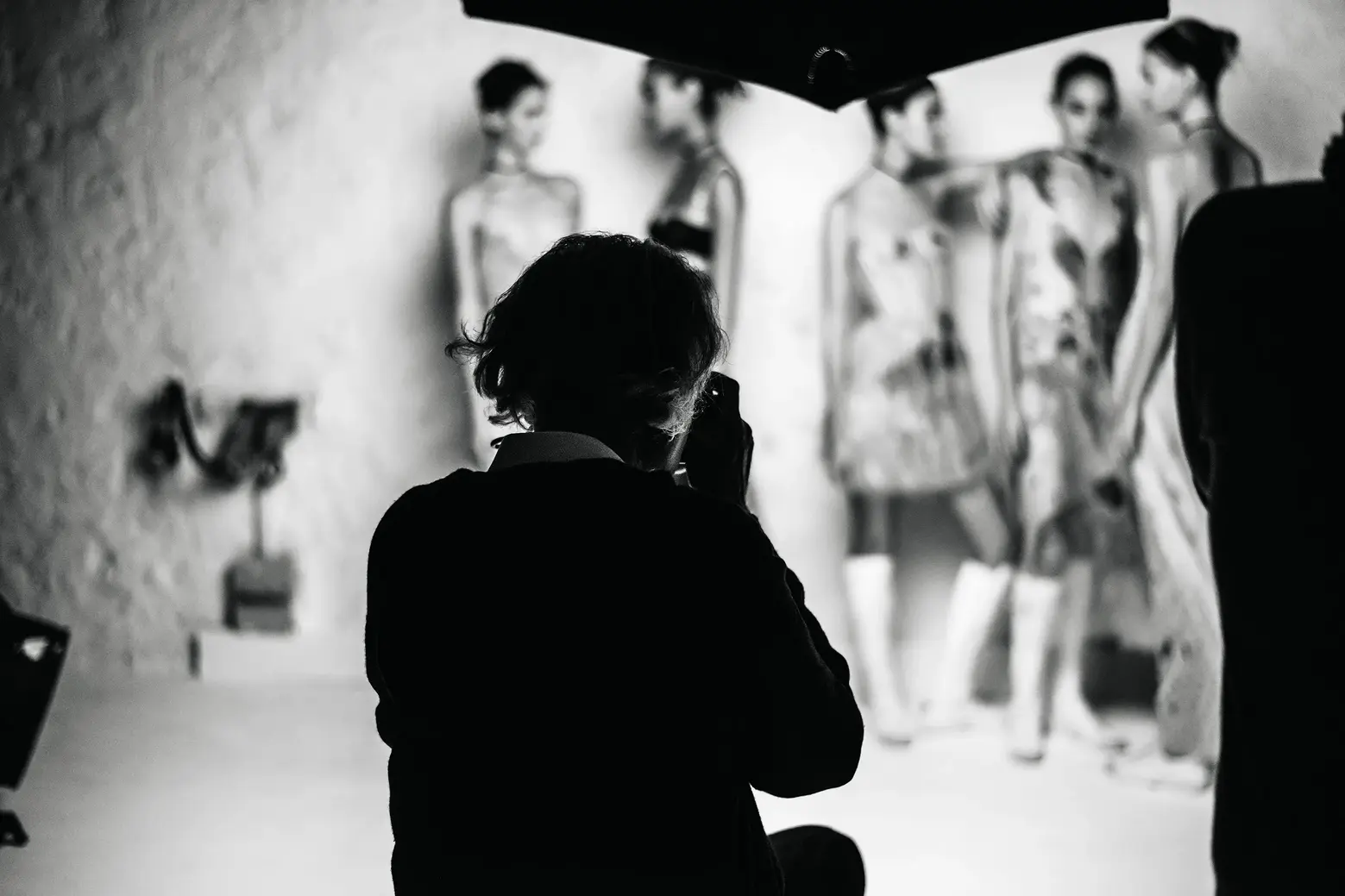
Demarchelier moved to Paris at the age of twenty, working initially as an assistant to photographers including Henri Cartier-Bresson and Hans Feurer. He cut his teeth on editorial and fashion photography, learning to work quickly and decisively. Known for his speed, he once remarked, “When you work very fast, you surprise people. You catch them in a good expression.” This agility became a hallmark of his process.
By the late 1970s and early 1980s, he had become a fixture in the pages of Harper’s Bazaar, later moving to Condé Nast with an exclusive arrangement to shoot for Vogue, Teen Vogue, Vanity Fair, and Allure. His ability to deliver compelling images quickly made him invaluable, whether in studio, on rooftops, or on location, creating an effortless aura that editors and models trusted implicitly.
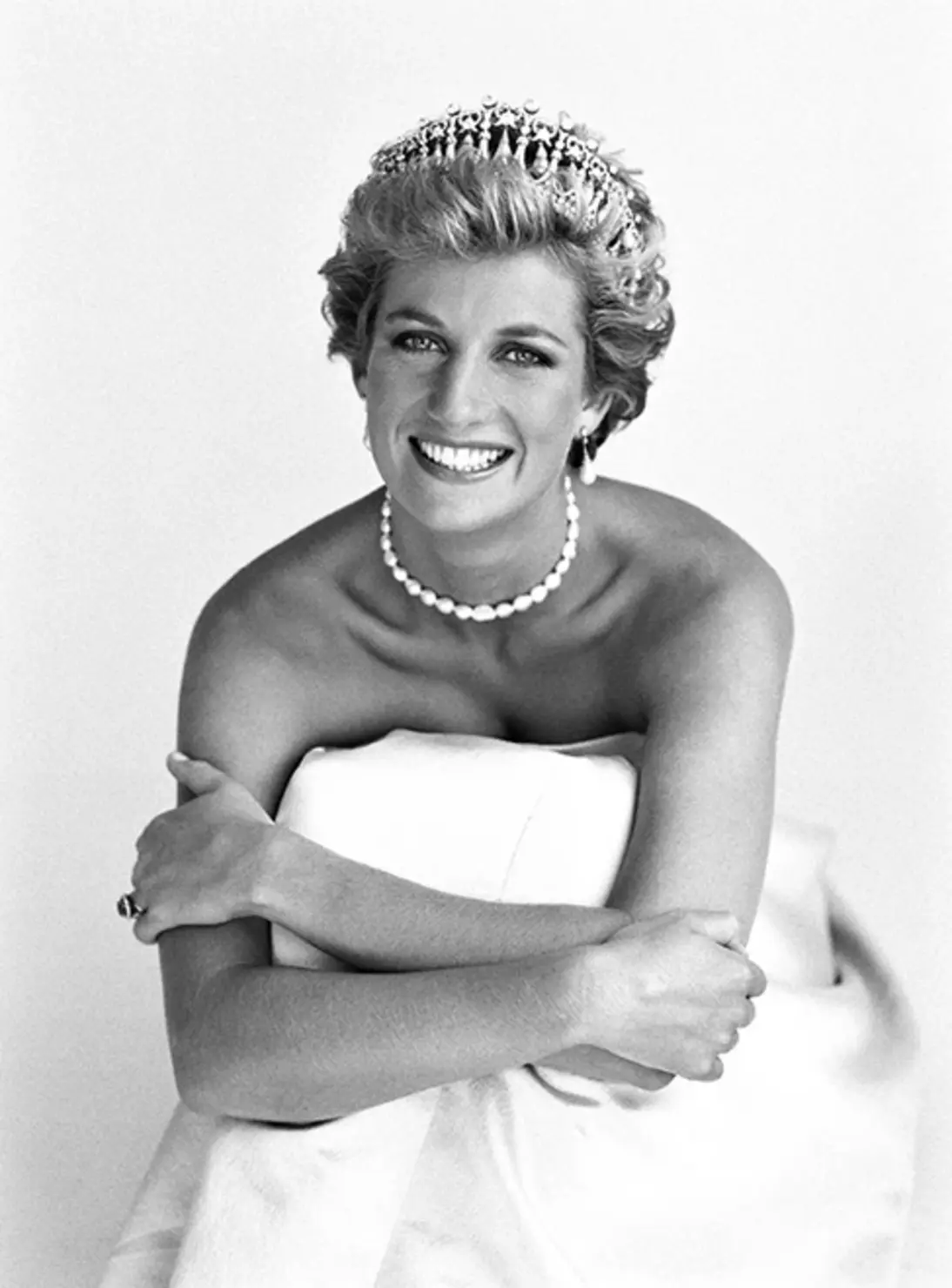
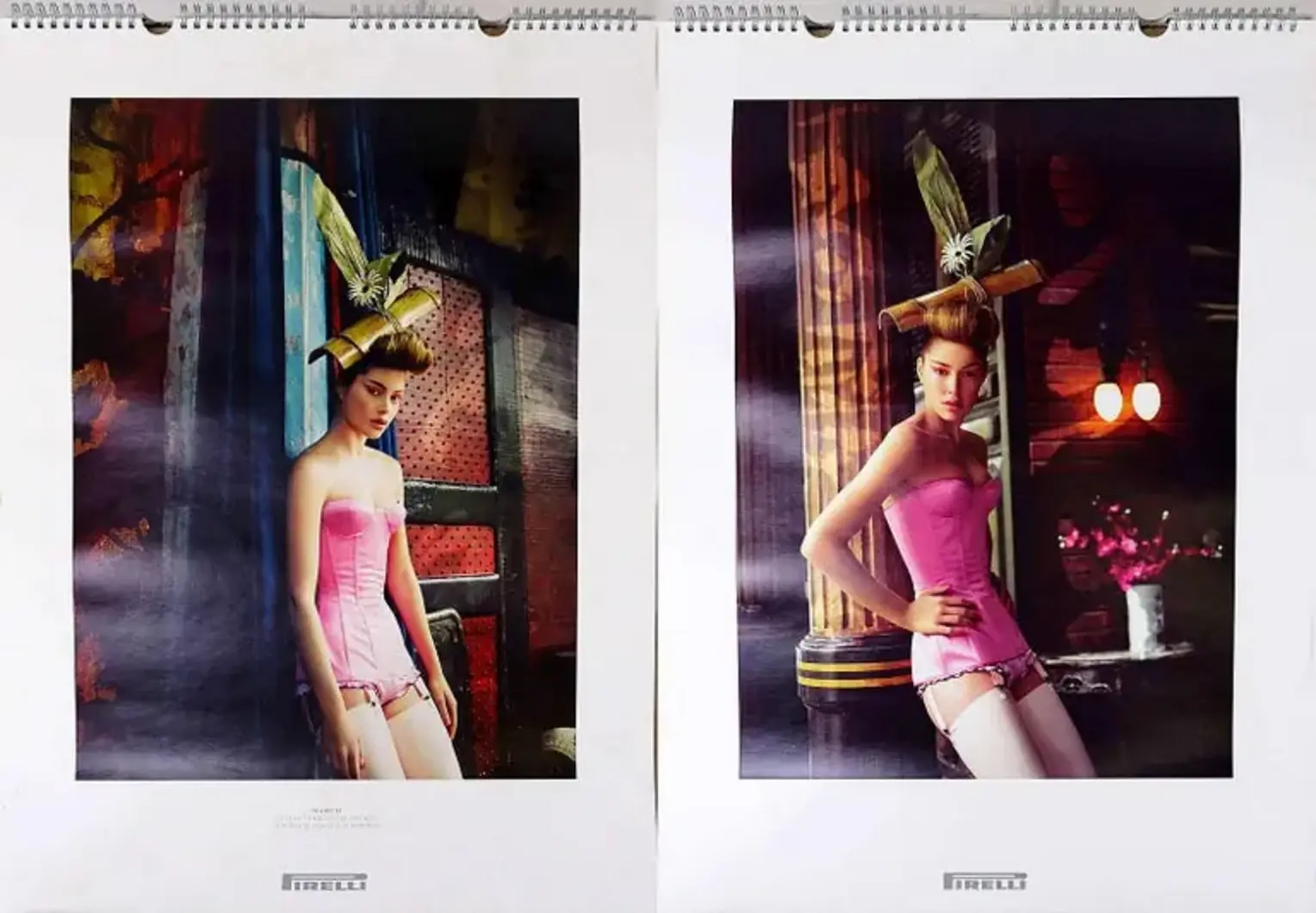
His 1989 Vogue cover led to an unprecedented commission: photographing Princess Diana, making him the first non-British photographer to work for the royal family. Alongside editorial work, he shot campaigns for Chanel, Dior, Louis Vuitton, Calvin Klein, Ralph Lauren, Yves Saint Laurent, Target, Gap, and Revlon, while also working on Broadway, album covers for Madonna, Mariah Carey, and Janet Jackson, and the Pirelli calendar from 2005 to 2008, photographing icons like Kate Moss, Jennifer Lopez, and Sophia Loren.
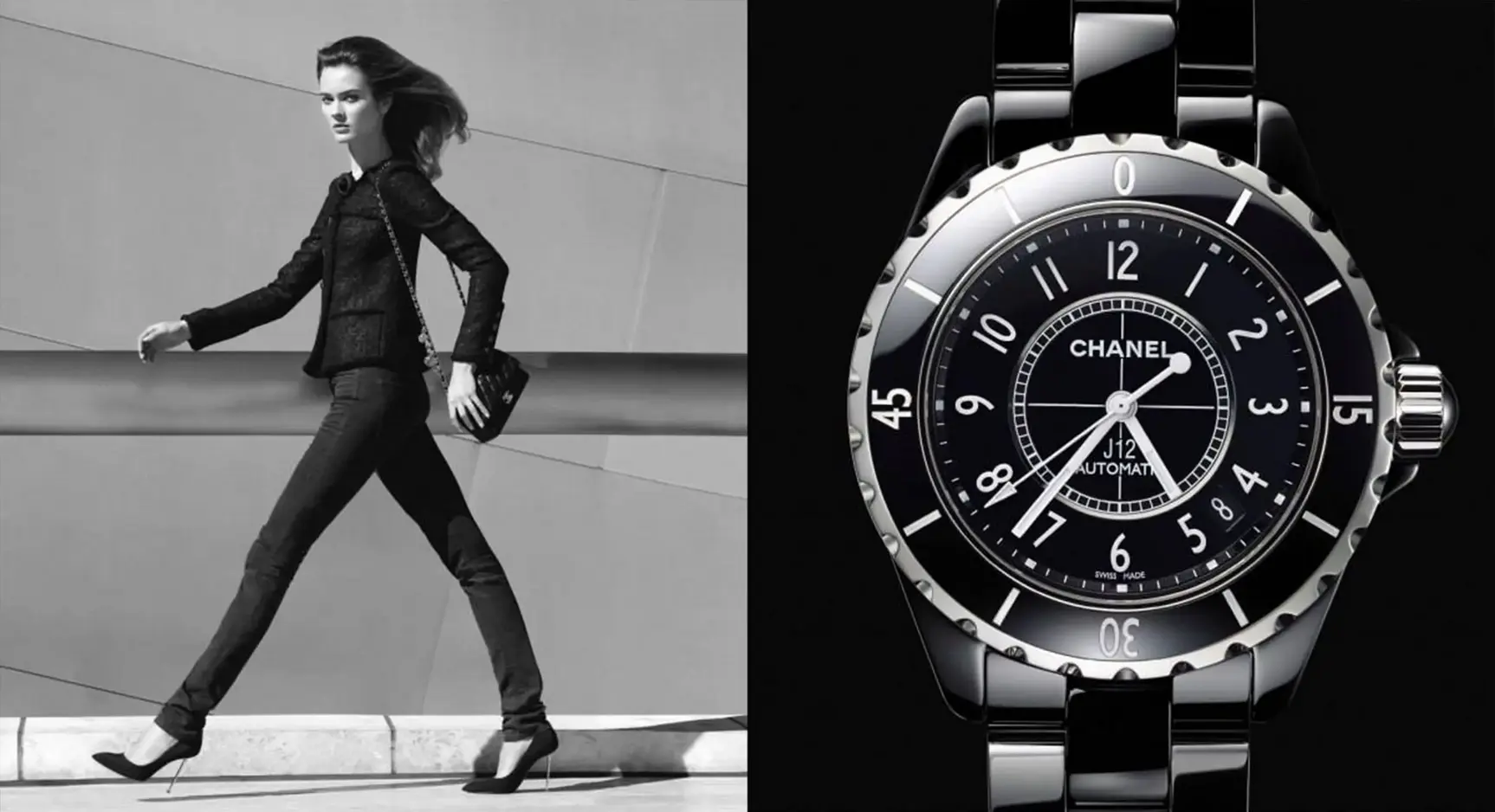
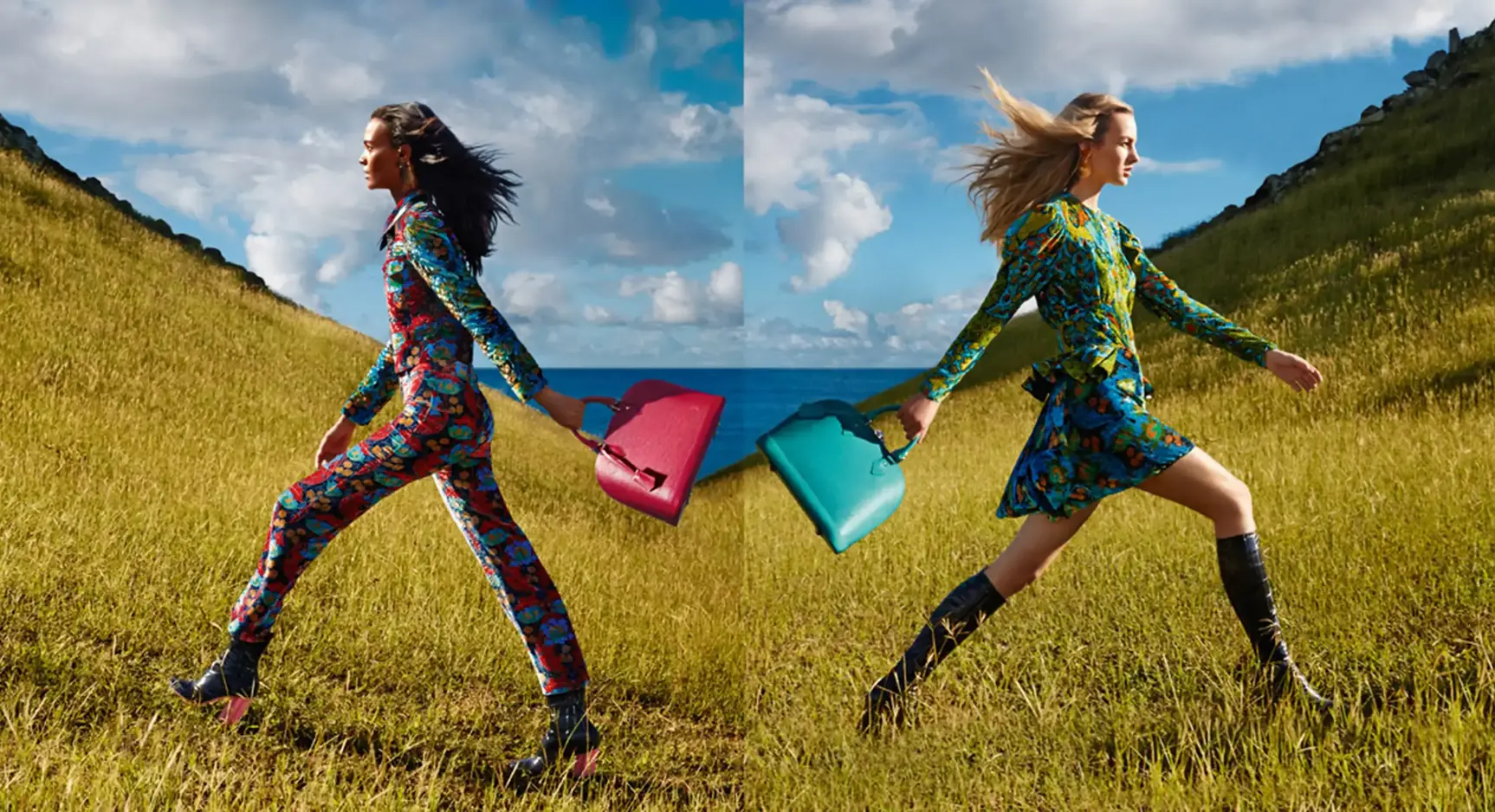
Demarchelier’s photography was instinctual. “A good picture is a moment, you catch the moment,” he explained. He cultivated minimal demands on his subjects, trusting spontaneity over rehearsal. Linda Wells, who worked with him at Allure, recalled how his ability to surprise subjects produced images that felt alive rather than stiff or artificial. “He liked to catch people by surprise. His pictures weren’t pose-y; they felt real,” she said.
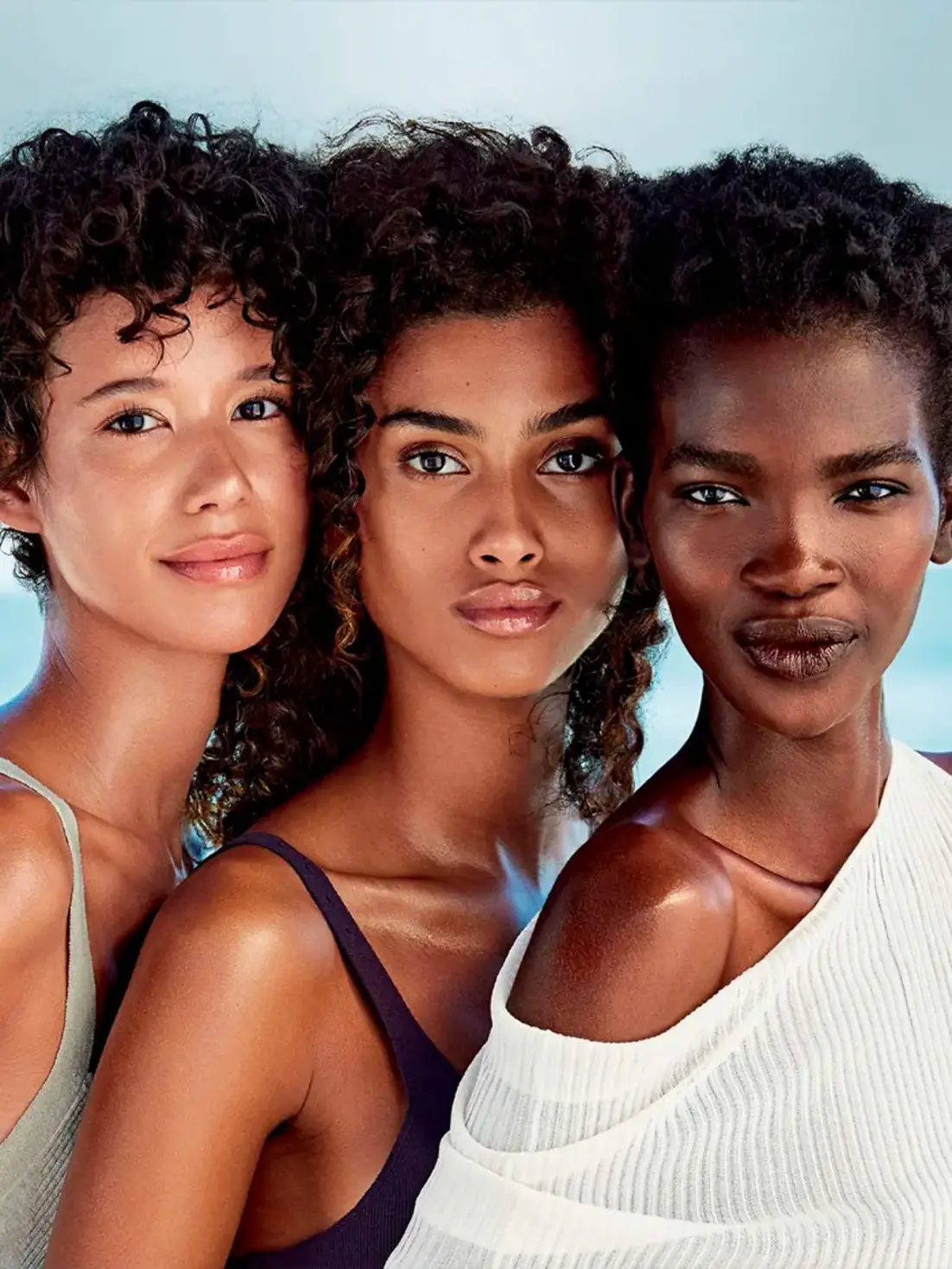
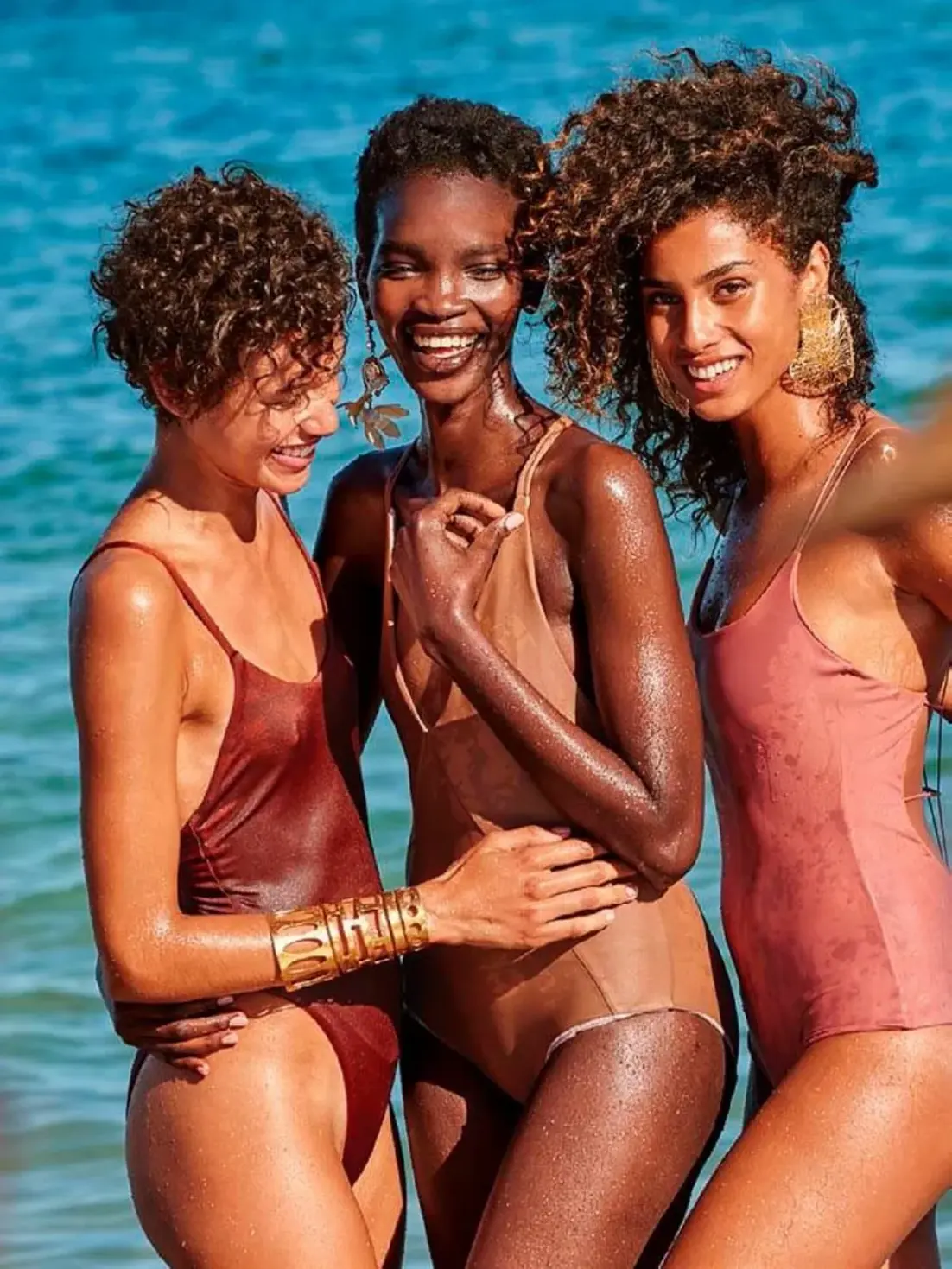
Despite his celebrity clientele, Demarchelier never privileged fame over craft. Whether shooting emerging talent or established stars, he sought to bring out the person in front of the lens, producing work that combined elegance, authenticity, and immediacy. His humor, sharp mind, and flexible approach - varying his French accent to suit conversation, offering cost-saving solutions, and improvising locations - earned him a reputation as both generous and extraordinarily capable.
Colleagues and friends remembered him as a mentor and collaborator. Antoine Verglas called him “a legend, mentor, and idol,” while Gilles Bensimon emphasized his knowledge and excitement at the start of every shoot. Arthur Elgort recalled Demarchelier’s generosity, offering him and his girlfriend a place to stay when they were just starting out in Paris. Across the industry, he was recognized as a photographer who combined instinct, technical mastery, and a human touch.
Demarchelier’s contributions earned him formal recognition, including being named an Officier de l’Ordre des Arts et des Lettres in 2007 and receiving the CFDA Founder’s Award in honor of Eleanor Lambert. Retrospectives, exhibitions, and numerous publications, including Fashion Photography: Patrick Demarchelier and Dior Couture Patrick Demarchelier, cemented his place in fashion history.
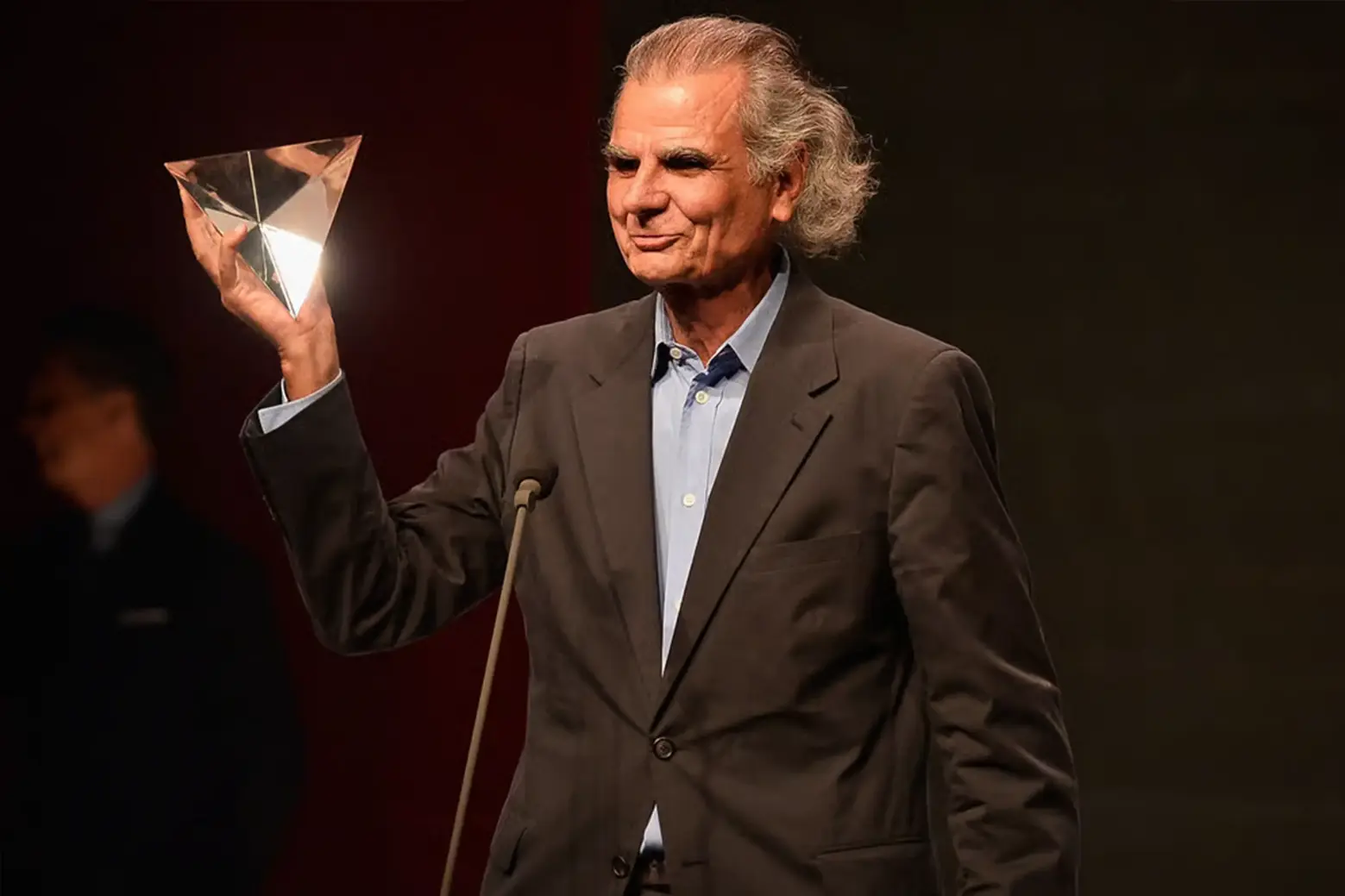
Beyond accolades, his legacy lies in his clarity of vision: photography that is elegant without being ostentatious, intimate yet composed, and always respectful of the subject’s humanity. As Graydon Carter observed, he was “a singular photographer and a funny and spirited colleague,” while Etheleen Staley called him “a civilized person, a great photographer, and a good father.”
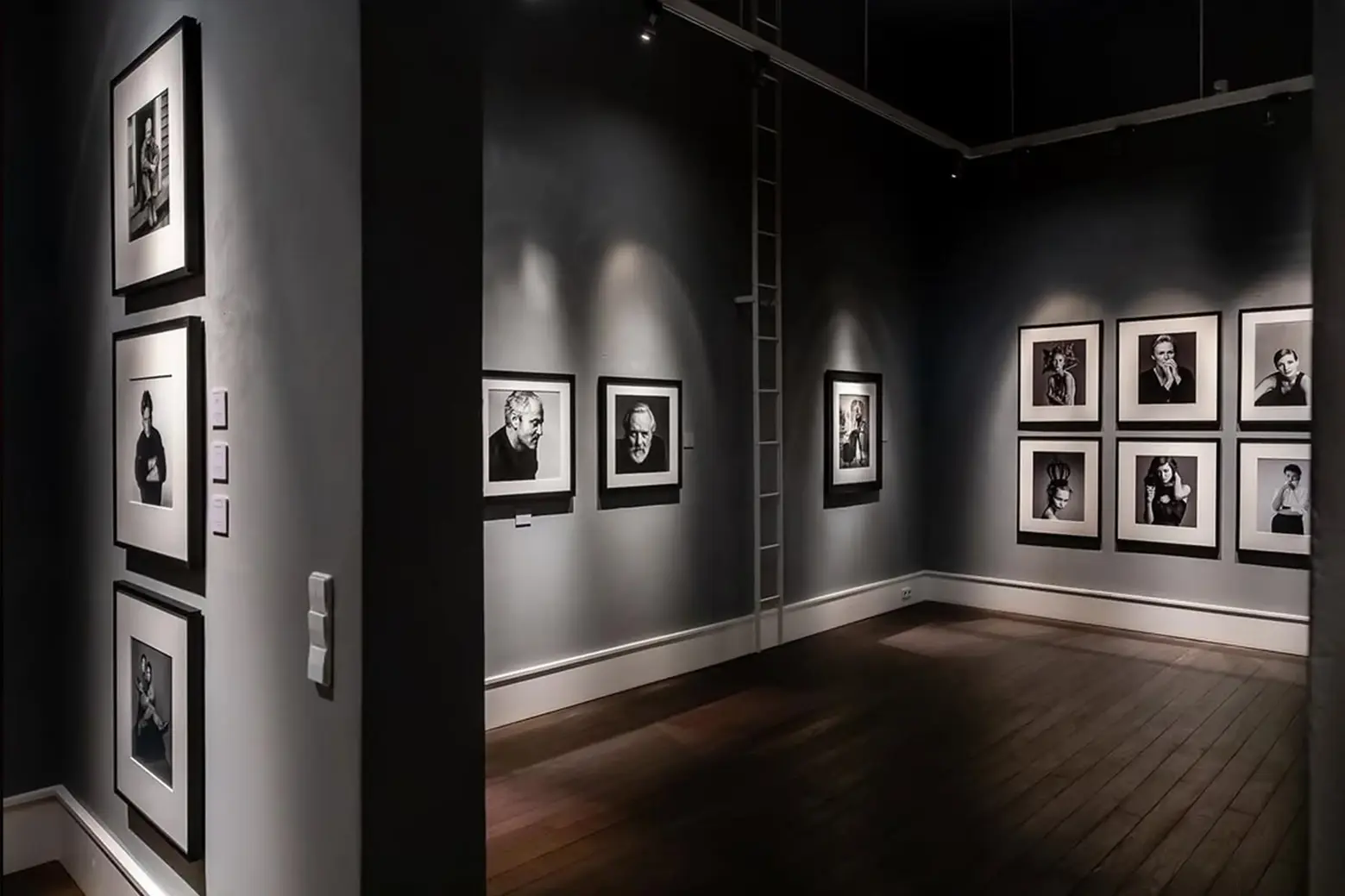
Even as his presence on the fashion scene shifted in later years, Patrick Demarchelier remained focused on the next project. “My best work is the work coming up next. I don’t like to look at the past,” he said. That relentless forward-looking energy, combined with his gift for capturing grace in fleeting moments, ensures that his images, whether on magazine covers, in exhibitions, or in private collections, will continue to define the visual language of fashion photography for generations.
Advertisement