MENU
Close





Modest fashion has moved from a niche conversation to a global market force, and for many women it signals continuity rather than novelty, positioning familiar, self-directed silhouettes as a natural form of ethical dressing.
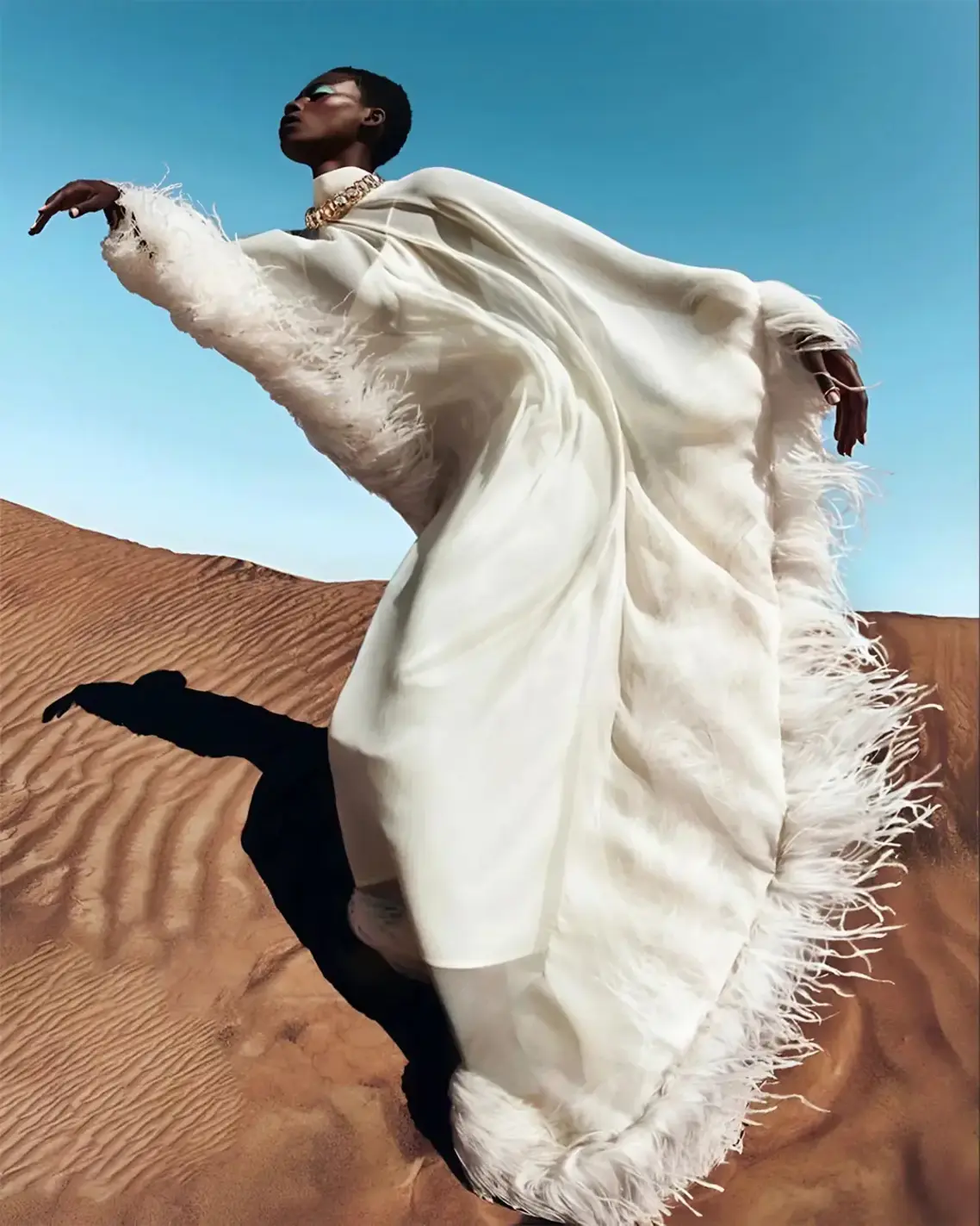
Modest fashion has moved from a niche conversation to a global market force, and for many women it signals continuity rather than novelty, positioning familiar, self-directed silhouettes as a natural form of ethical dressing.
January 30, 2026
Advertisement
Advertisement


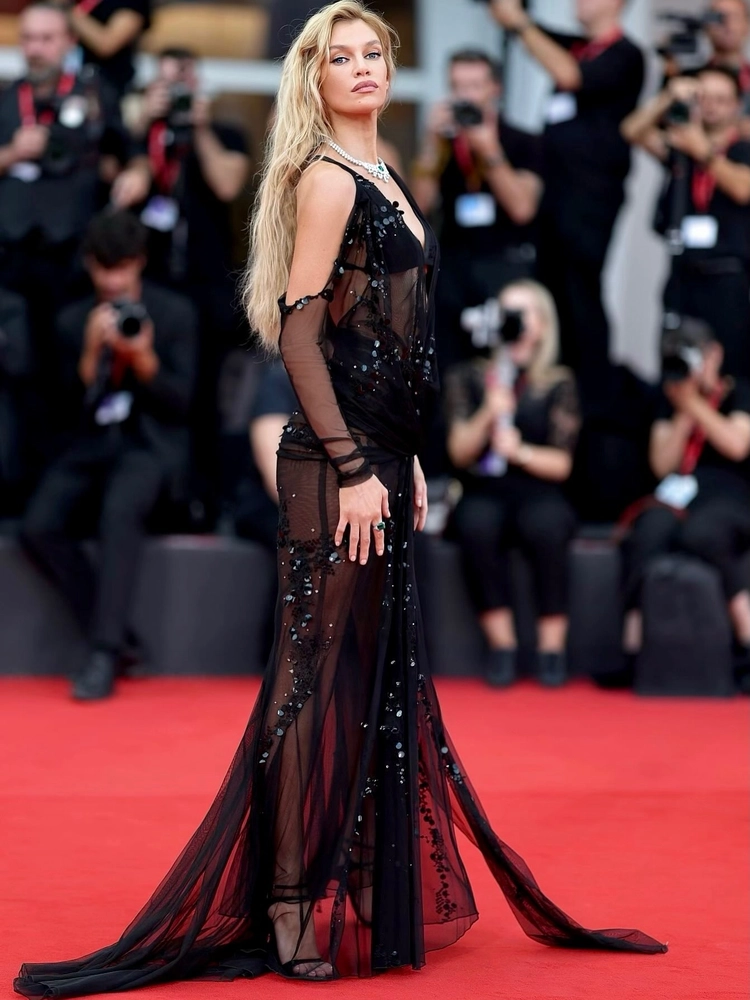
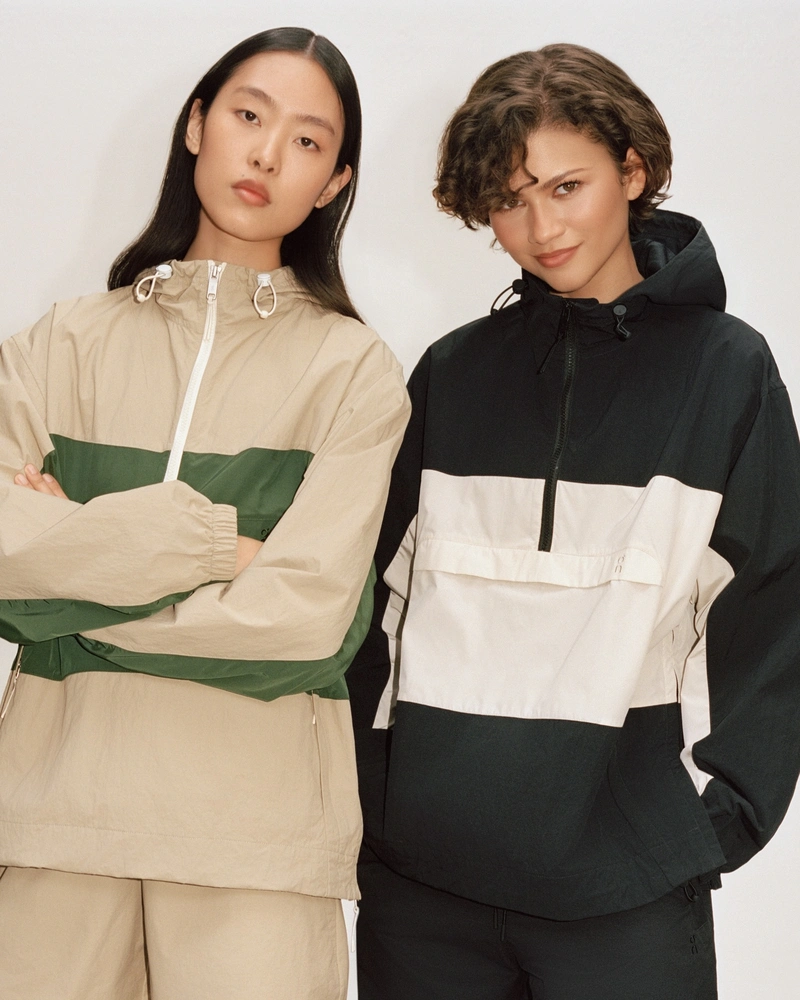
At its core, modest fashion prioritizes a more covered look: longer sleeves, higher hemlines, reduced emphasis on cleavage, and an overall approach that lets proportion, fabric, and tailoring lead. This definition stays practical, yet the results rarely align with the tired stereotype that coverage equals dullness. Across contemporary designer platforms, the aesthetic is frequently elegant and highly constructed, proving that modest silhouettes can sit comfortably inside modern luxury.
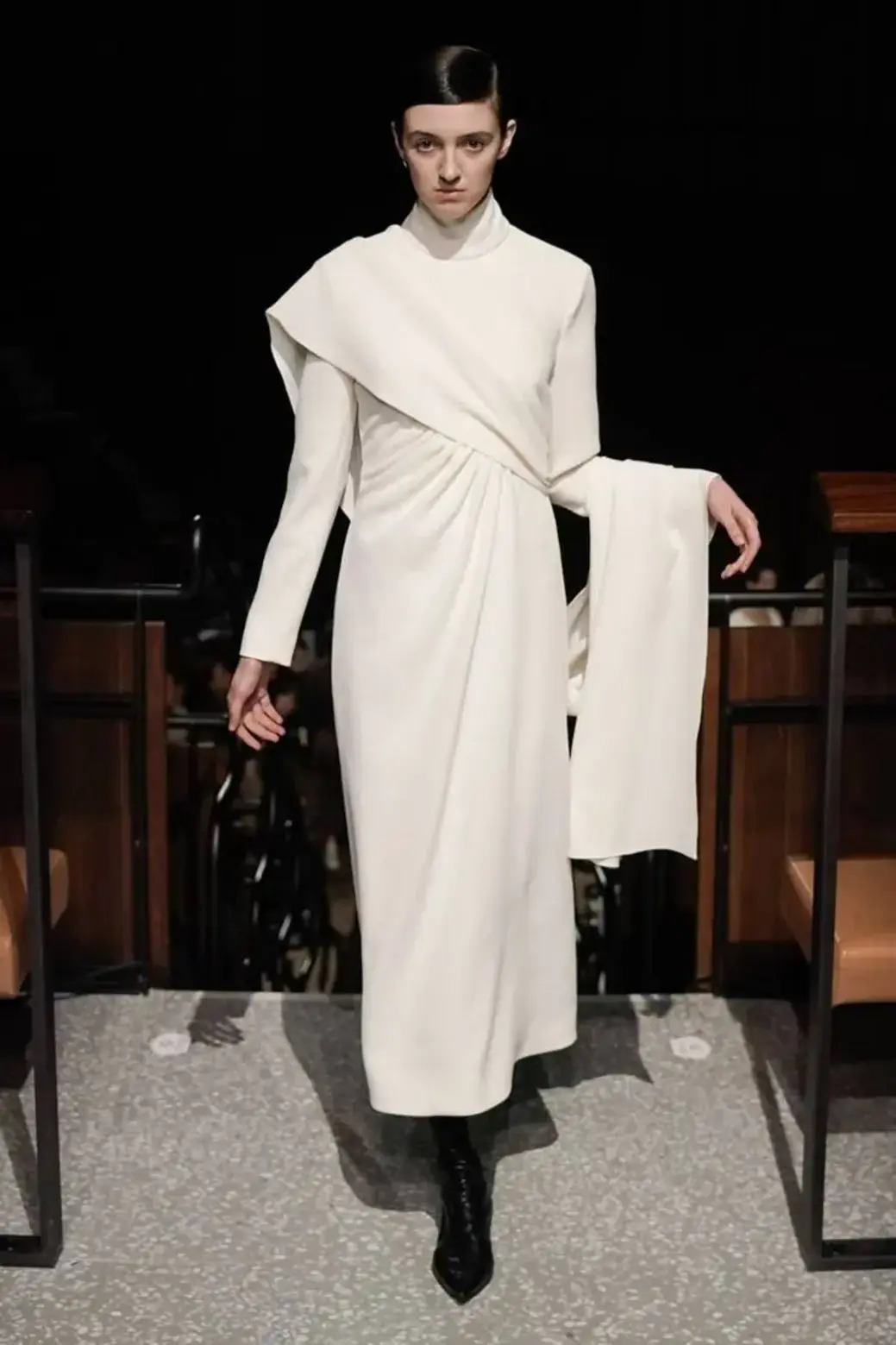
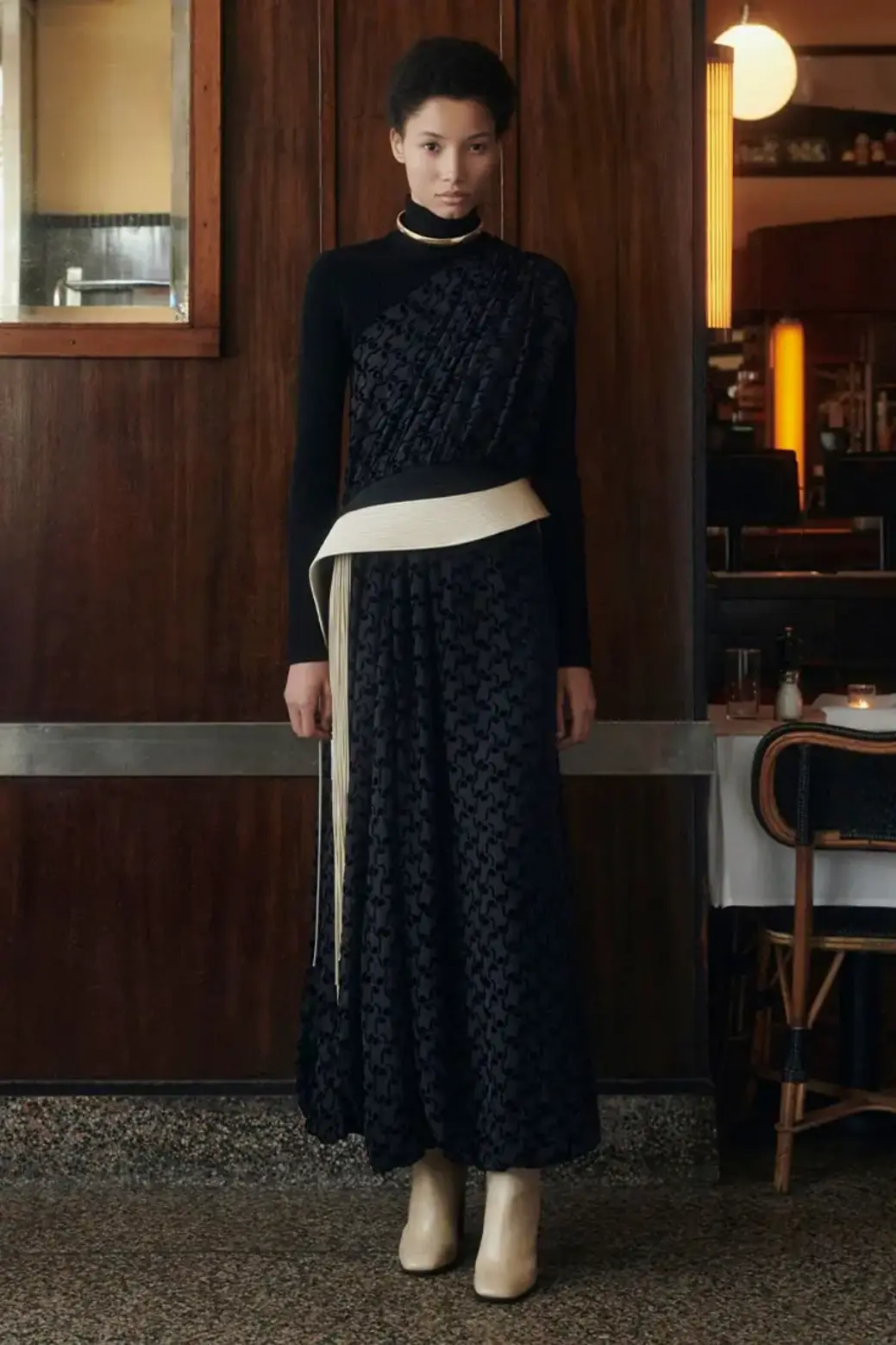
Designers such as Emilia Wickstead and Tory Burch offer examples of how coverage can be translated into garments that feel unequivocally beautiful. Since 2020, modest fashion’s rise has shown up in both demand and dollars, with Lyst’s 2019 data pointing to a 90% year-over-year jump in modest fashion searches and Thomson Reuters figures cited by Vogue Arabia estimating global modest fashion spending at $254 billion in 2023, with potential to reach $473 billion at about 6.6% annual growth.
This expansion also invites a wider ethical question. The rise of modest fashion is not only a market story; it is a values story. It raises issues around agency, comfort, longevity, and the conditions under which women are encouraged to dress, present, and perform.
Modest fashion aligns easily with body positivity and women’s empowerment because it centers choice. A woman can feel confident in her body and still prefer clothing that reveals less. That preference does not require shame, and it does not weaken confidence. It simply reflects control over visibility: deciding what to reveal, what to reserve, and when that boundary feels right.
This framing matters in a fashion system that frequently rewards exposure as shorthand for liberation. Modest dressing pushes back on that narrow equation. It suggests that autonomy includes the ability to opt for discretion without losing style, presence, or power. Coverage, in this context, becomes a design language for self-definition, not a signal of restriction.

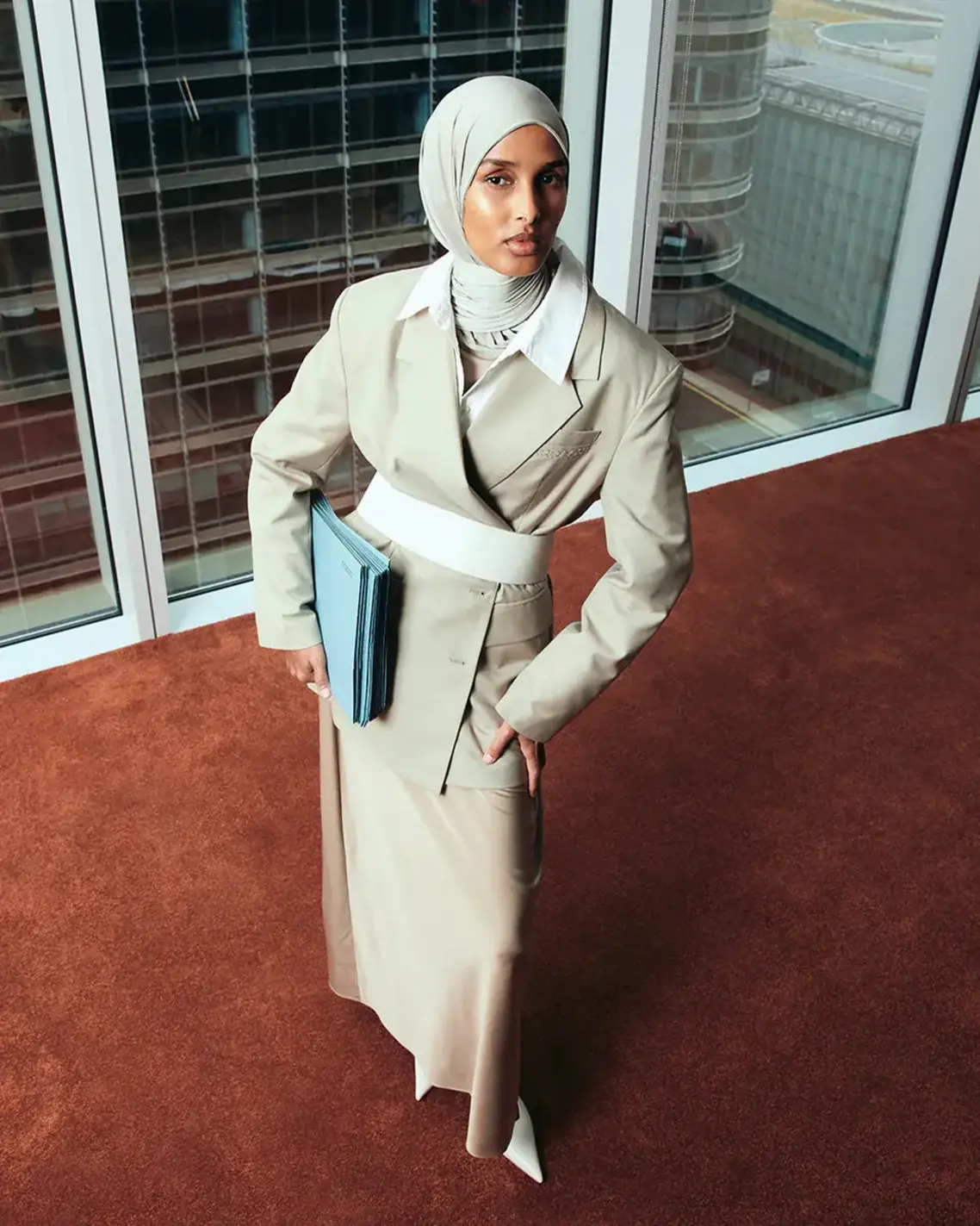
The concept of the male gaze helps explain why this shift resonates. Much of mainstream fashion and advertising has historically emphasized the body as a primary site of consumption, spotlighting features that dominant cultural norms have trained audiences to prioritize. Modest fashion does not label those features as wrong, nor does it claim sexuality lacks value. It simply relocates the center of attention. The focus moves from the body as a display object to the wearer as a whole person, with intellect, identity, and intention taking equal visual space alongside beauty.
A second driver is pragmatic: comfort is ethical. Clothing influences how a person moves, works, sits, and concentrates. Tight silhouettes, fragile constructions, and shoes that require endurance can quietly drain attention and energy over a long day. When an outfit demands constant management, the wearer’s time becomes an accessory to the garment.
From an ethical-fashion perspective, that trade-off deserves scrutiny. Ethics cannot stop at supply chains and sustainability claims; it also includes the lived experience of wearing. Garments that support movement, allow ease, and reduce friction respect the wearer’s agency in everyday life. Modest silhouettes often provide that ease through looser cuts, thoughtful layering, and fabrics that prioritize drape and wearability. The result is not only comfort, but a calmer kind of confidence: the outfit works with the body instead of turning the day into a negotiation.
Modest fashion’s growth also connects to a cultural mood shift. In an era shaped by social media saturation, constant visibility, and performative personal branding, privacy and restraint carry new weight. Holding something back can read as strength. Modest dressing offers a tangible way to express that sensibility through clothing.
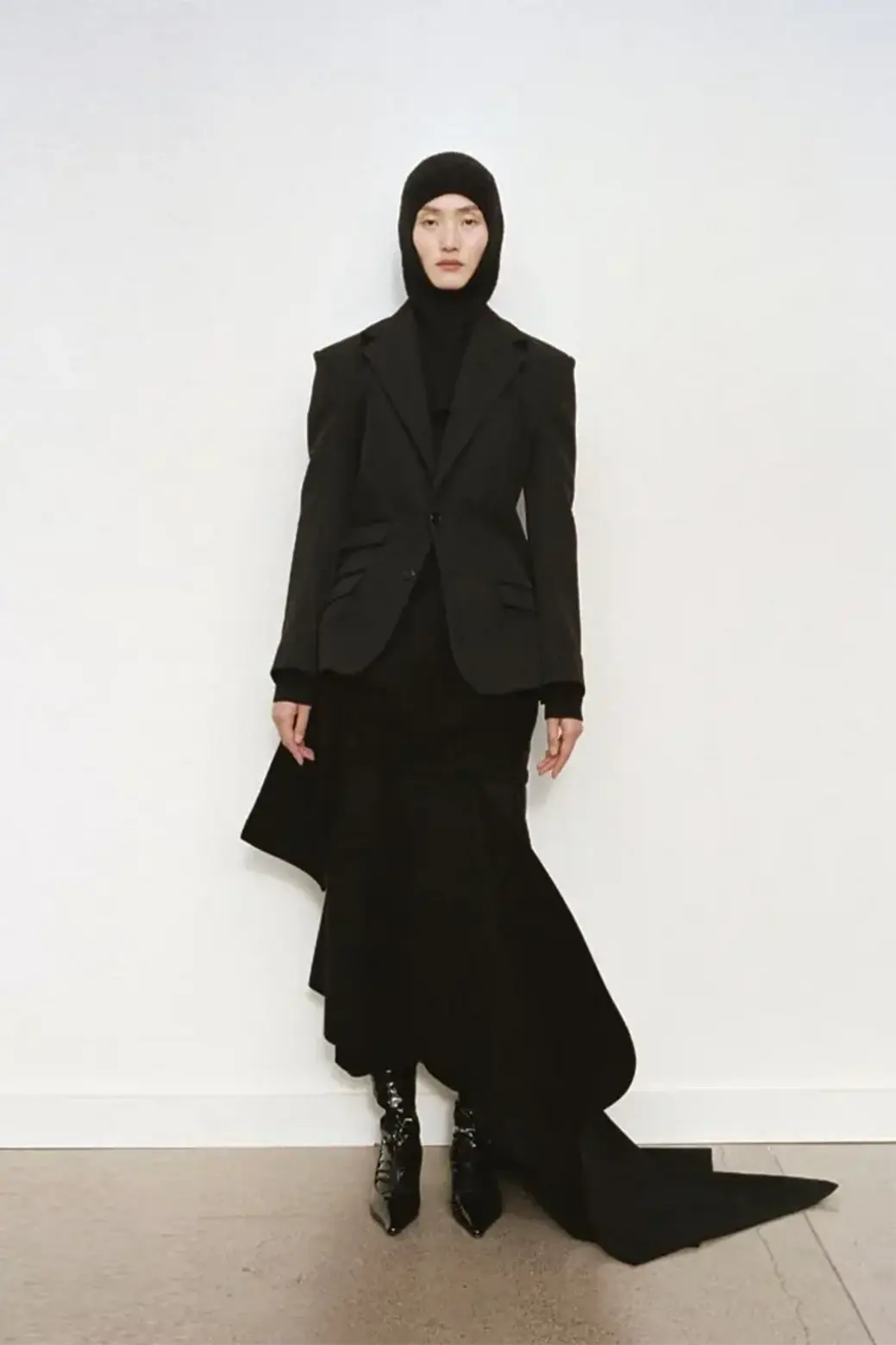
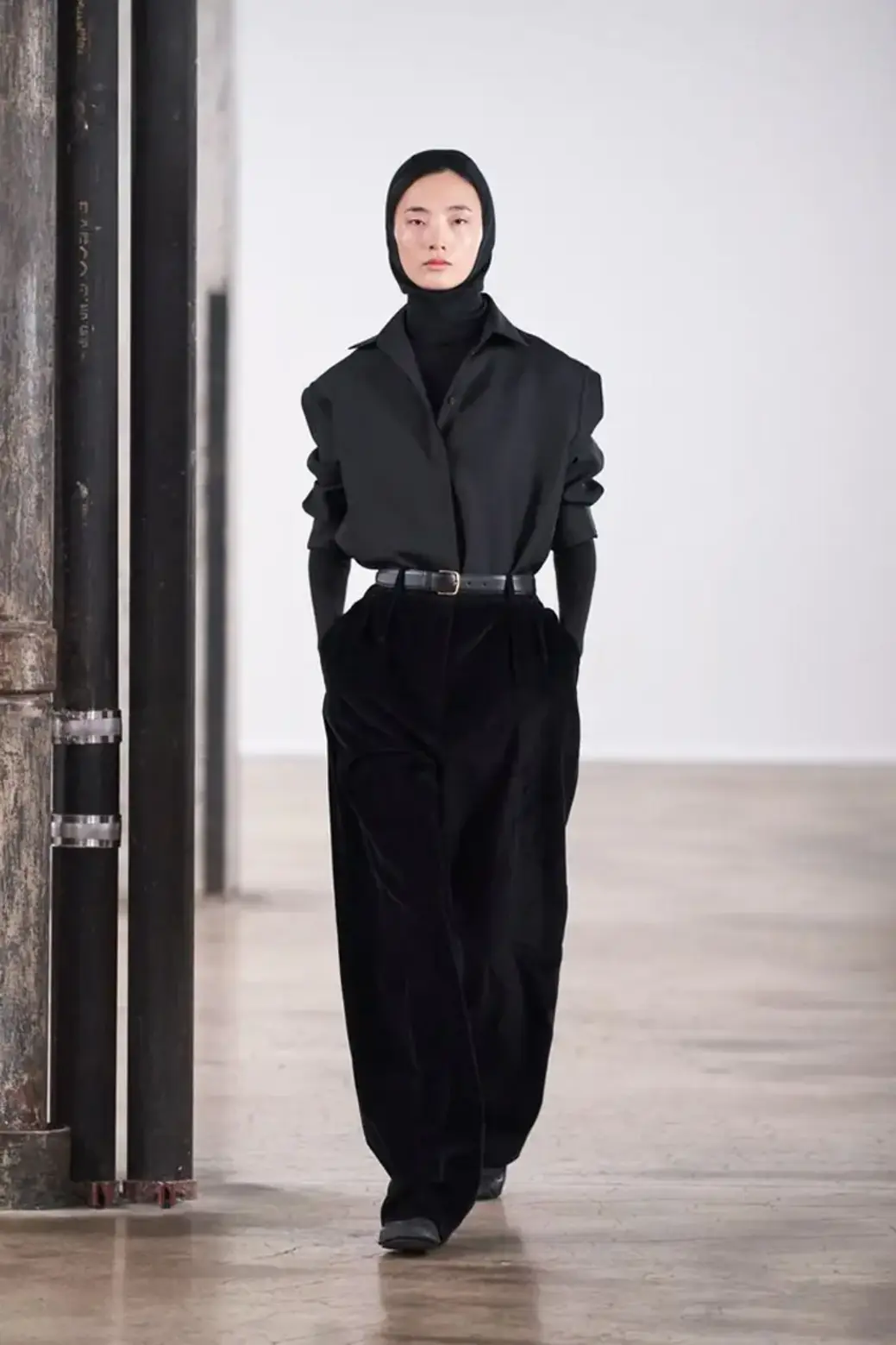
This is where modest fashion intersects with the idea of quiet luxury. The quiet-luxury aesthetic relies more on craft: high-quality textiles, impeccable tailoring, disciplined proportions, and design decisions that reward a closer look. Brands such as The Row and Lemaire demonstrate how an outfit can feel expensive through fabric weight, clean construction, and intelligent restraint, rather than overt exposure.
That overlap matters for sustainability as well. Modest pieces are often less dependent on hyper-sexualized micro-trends and seasonal shock value. When garments emphasize cut, cloth, and longevity, they tend to stay relevant longer. This supports a slower wardrobe logic: fewer pieces, better made, worn repeatedly, and kept for years. In that sense, modest fashion can function as a practical pathway into ethical dressing, because it naturally favors longevity and re-wear.
Some people read the word modest as regressive, equating it with bashfulness or a lack of confidence. That interpretation is overly narrow. Modesty can be understood as balance and self-respect: a grounded relationship with the body and with public perception. It can also be a deliberate aesthetic choice, as intentional and self-assured as any other fashion posture.
Modesty also does not require moral ranking of other styles. Sexy dressing remains a valid expression of womanhood, just as covered dressing does. A culture of real choice includes both. The point is not to replace one ideal with another; the point is to broaden the spectrum of what is celebrated and normalized.
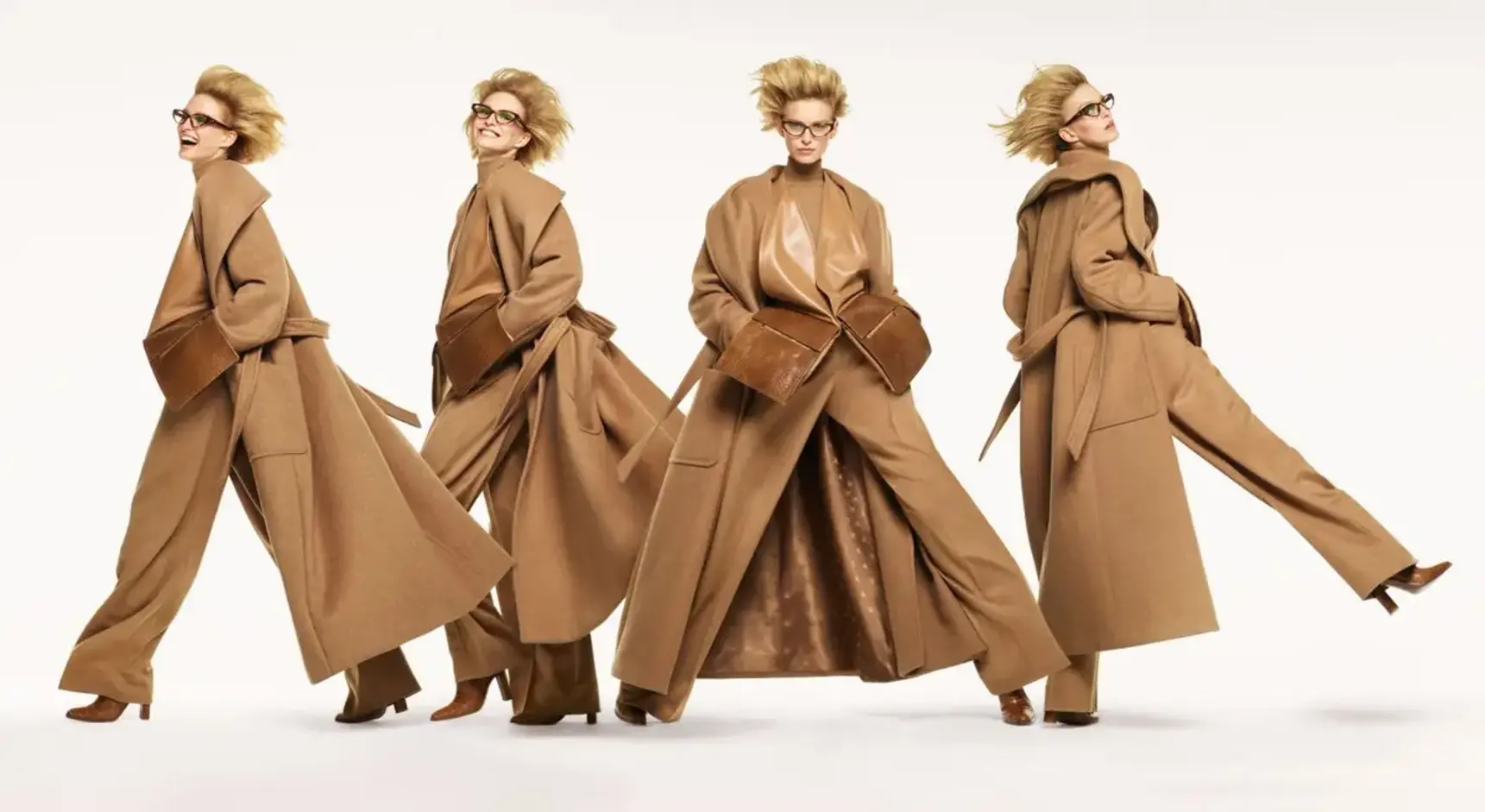
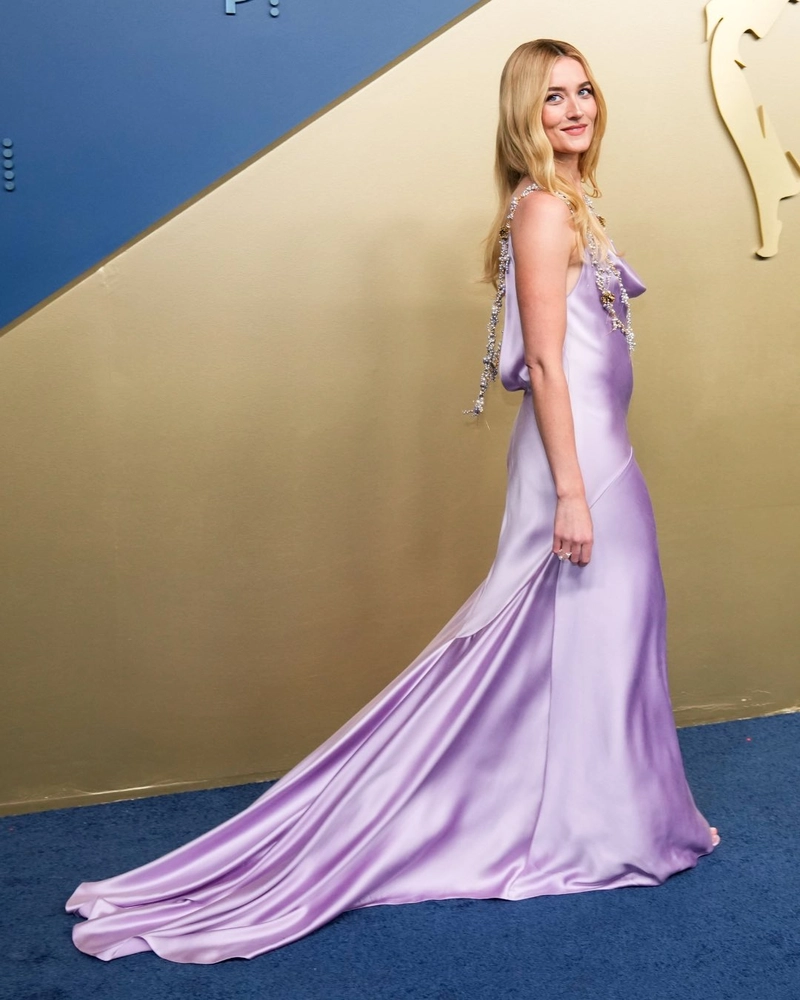
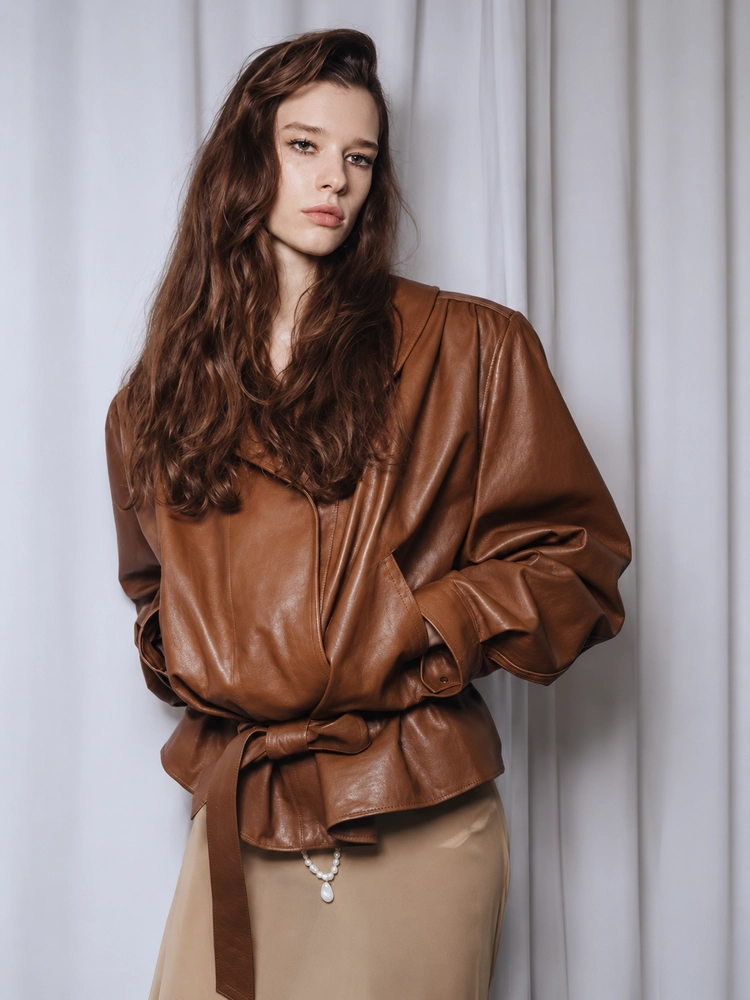
Within that expanded spectrum, modest fashion can operate as power dressing in a modern form. A floor-length coat with precise tailoring, a high-neck blouse, a well-built kaftan, or a longline dress with sculptural structure can project authority without relying on exposure for impact. The wearer’s presence comes through proportion, posture, and polish. The clothing signals intention and confidence, with style doing the work that skin is often expected to do.
The rise of modest fashion also reflects demographic reality. A large audience of women wants fashion that feels current, editorial, and covered, for reasons that span religion, culture, comfort, personal preference, and politics of visibility. It includes Muslim, Jewish, and Christian communities, and it includes secular women who feel fatigue with a mainstream definition of femininity that often narrows to display. The broader industry’s current response suggests an overdue correction: women’s identities are multifaceted, and fashion becomes more inclusive when it accommodates that complexity without treating coverage as an exception.
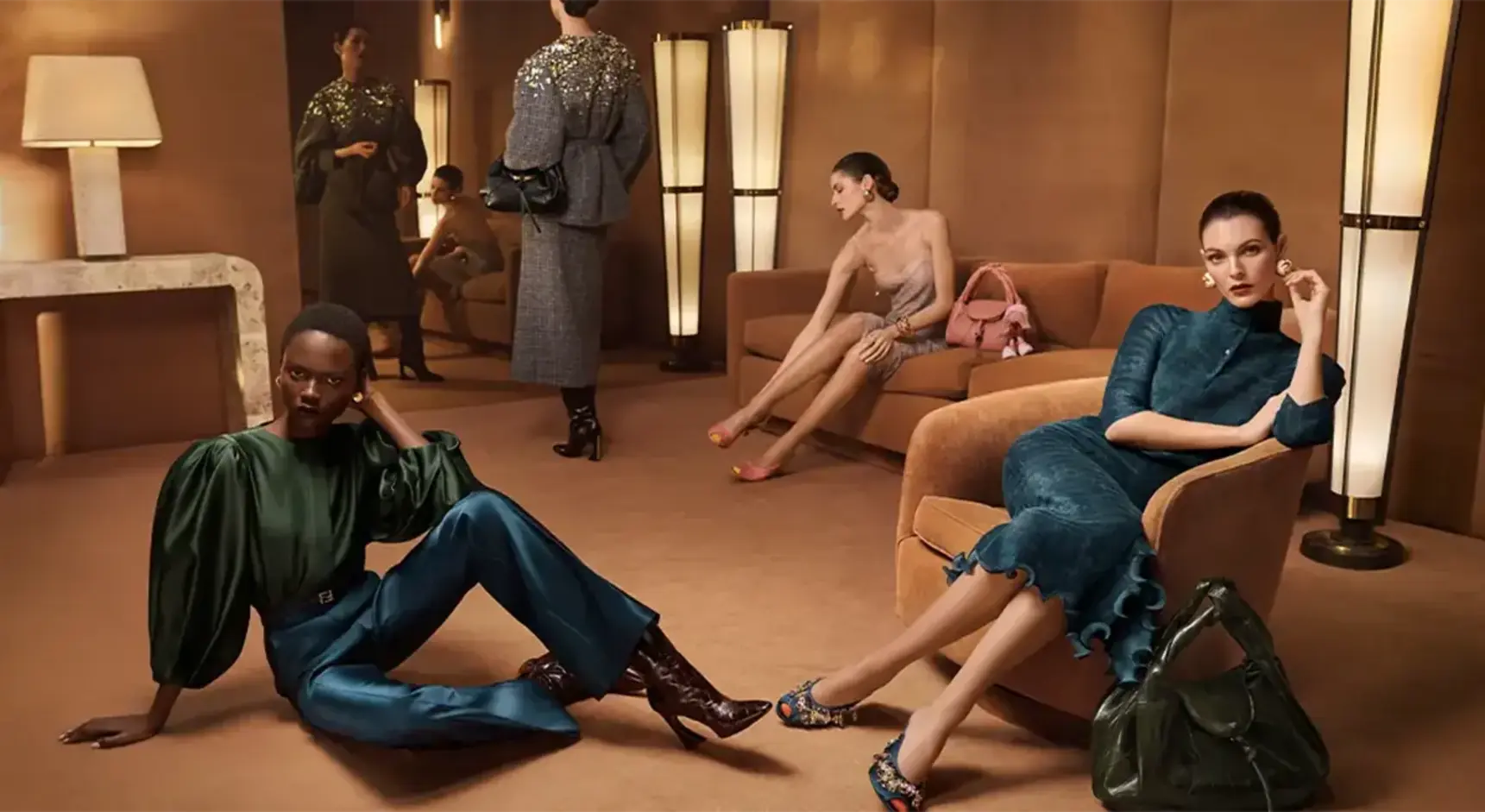
Modest fashion encourages layering, texture play, tailoring, and textile experimentation, and it offers a model of style that can feel simultaneously modern and rooted, glamorous and composed, expressive and self-governed. Through the lens of ethical dressing, its appeal becomes even clearer: it supports agency by validating the choice to cover, supports comfort by favoring silhouettes that accommodate real life, and supports sustainability by prioritizing quality and longevity over short-lived spectacle. Most of all, it supports a wider definition of power, one that allows women to decide how they want to be seen and to treat modesty as a positive, confident, and fully fashionable stance.
Advertisement