Opening from February 25 to March 10, Leonard Baby’s Resting Babyface transformed Hollywood’s Villa Carlotta into an intimate stage for memory, melancholy, and queer self-invention, where painting felt less like display than emotional trespass.
Leonard Baby at Villa Carlotta
Opening from February 25 to March 10, Leonard Baby’s Resting Babyface transformed Hollywood’s Villa Carlotta into an intimate stage for memory, melancholy, and queer self-invention, where painting felt less like display than emotional trespass.
March 10, 2026


“I want the viewer to feel ‘I’m not meant to be here’” — Leonard Baby
Leonard Baby’s Resting Babyface opened on Wednesday, February 25, 2026, with a reception at Villa Carlotta in Hollywood, and remained on view through March 10, 2026. Presented by Half Gallery at the landmark address of 5959 Franklin Avenue, Los Angeles, the exhibition arrived with the energy of Frieze Week but refused the usual slickness of the moment. Instead, it chose intimacy, unease, and emotional residue.
That setting mattered. Villa Carlotta, a storied 1920s residence with old Hollywood associations, carries the kind of atmosphere that already feels half-lived, half-performed. Its romantic architecture and residential rooms gave Baby the ideal stage for a body of work concerned with privacy, aftermath, and psychological interiority. Rather than entering a neutral gallery, viewers moved through a place that seemed to hold secrets in its walls. The result made the paintings feel less hung than overheard.
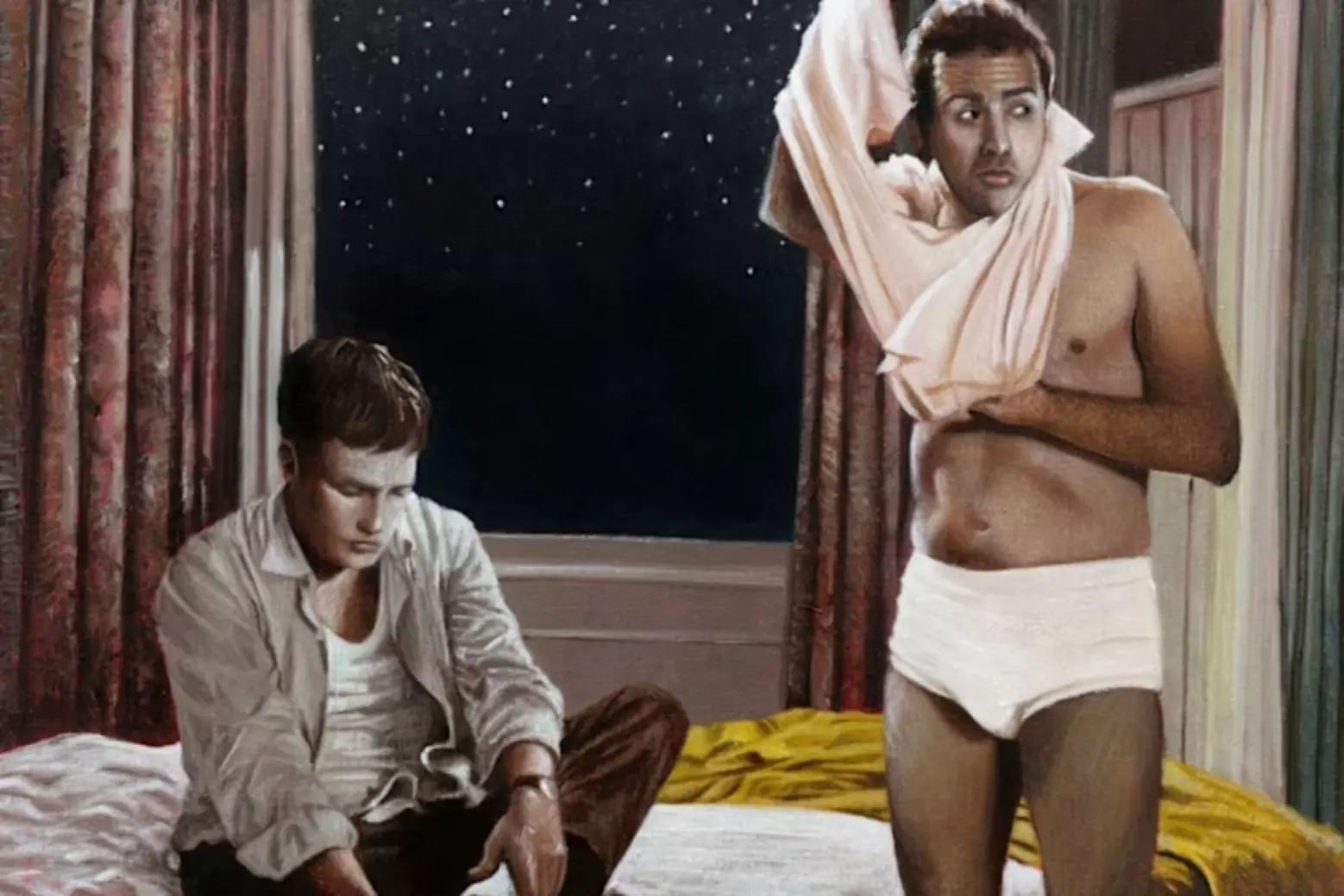
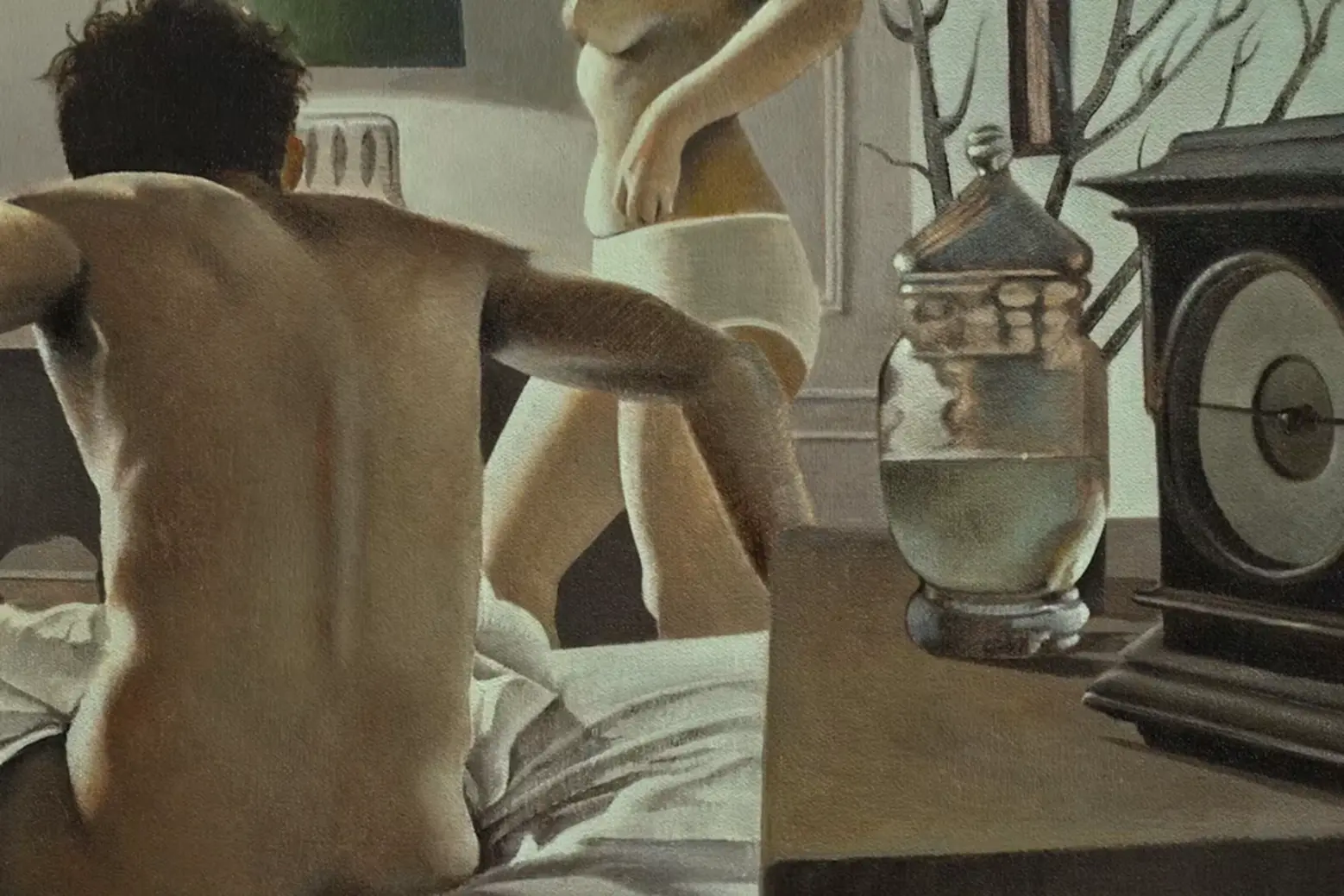
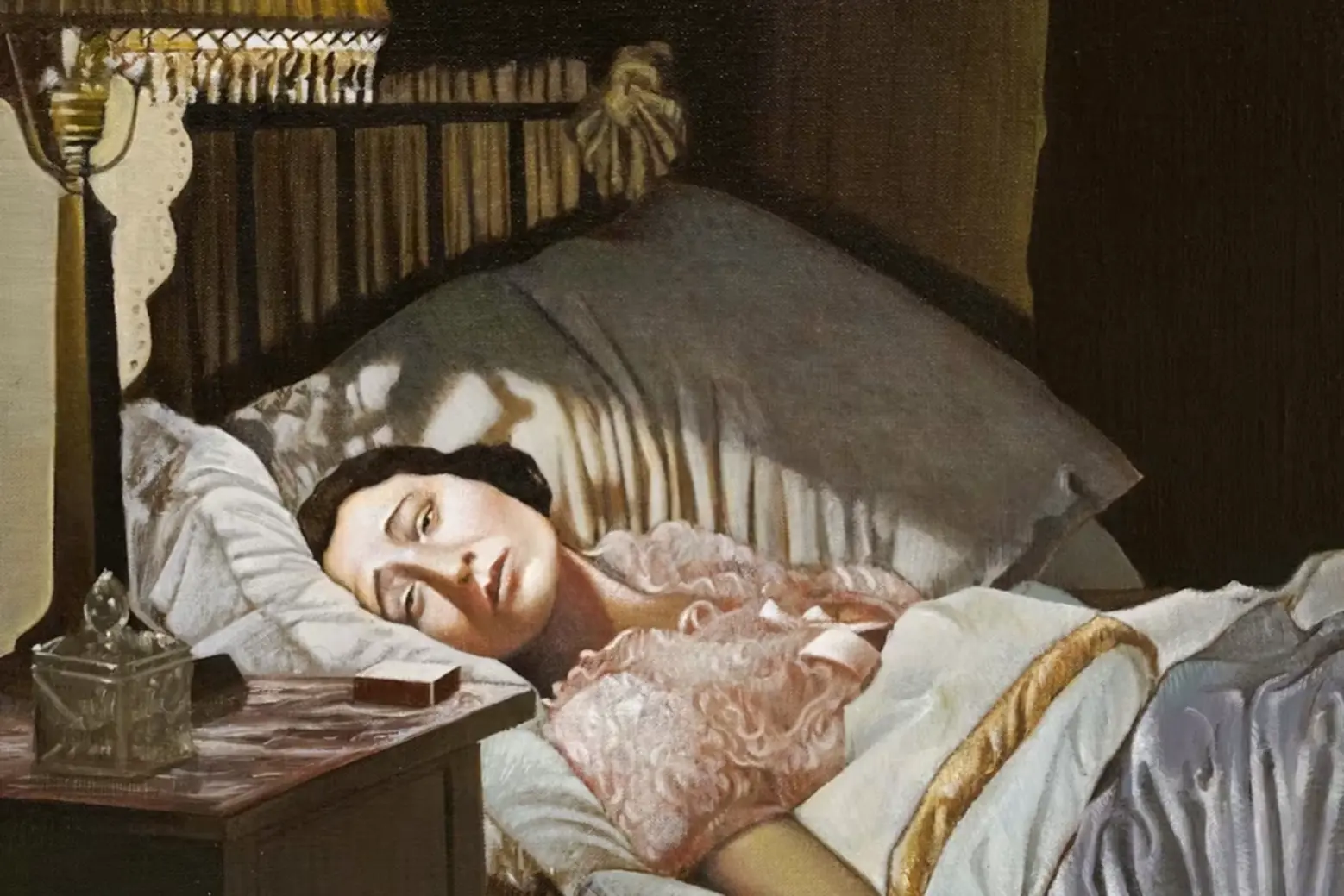
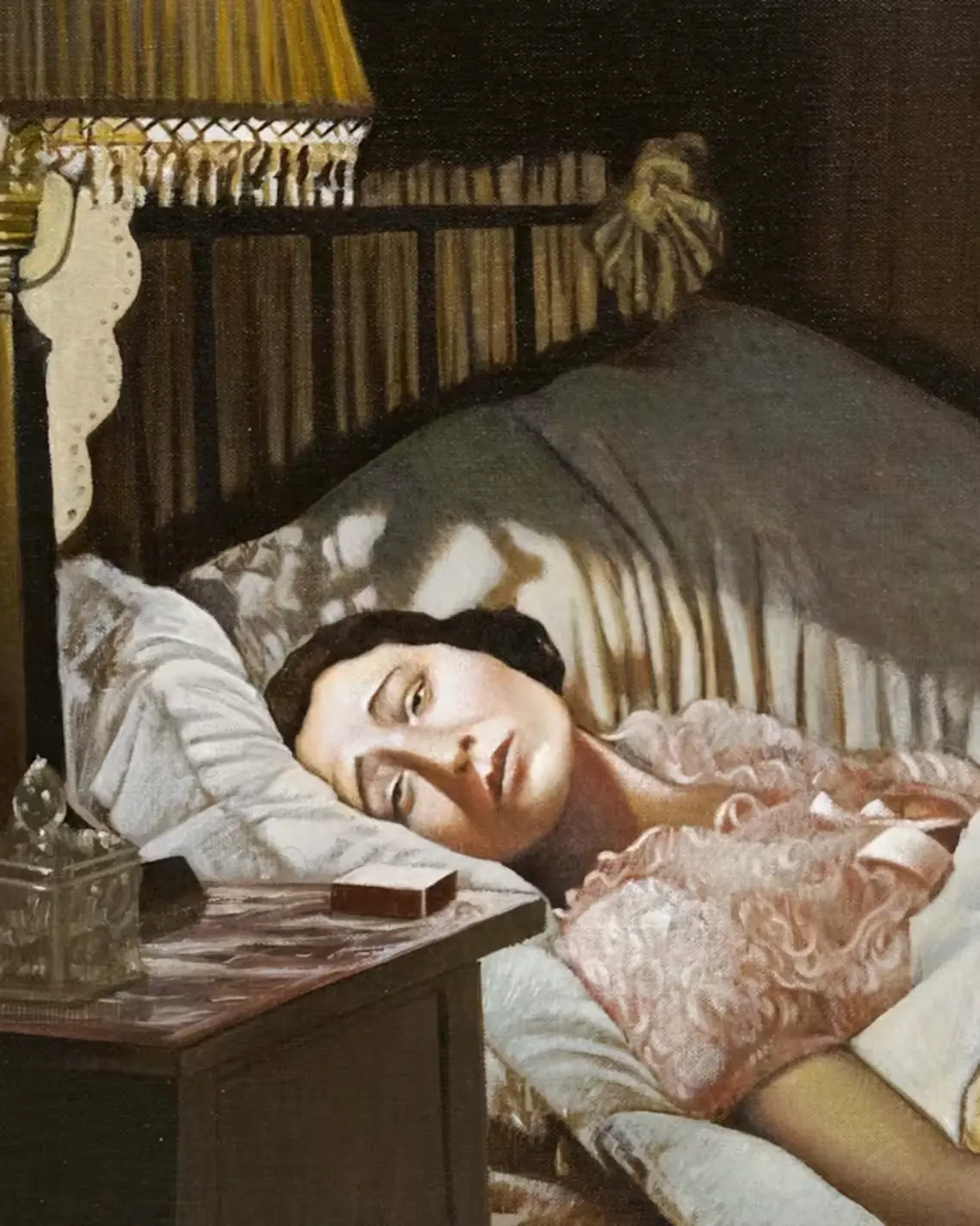
The exhibition marked a meaningful shift in Baby’s practice. He has often been associated with cinema-inflected painting, images that carry the blur, drama, and emotional suspension of film stills. In Leonard Baby’s Resting Babyface, that language turned more inward. Bedrooms, unmade beds, and therapists’ offices became recurring sites of revelation, not as decorative symbols but as stages where identity is assembled, defended, and quietly undone. Critics around the show repeatedly noted this atmosphere of vulnerability, with scenes that linger between confrontation and reflection.
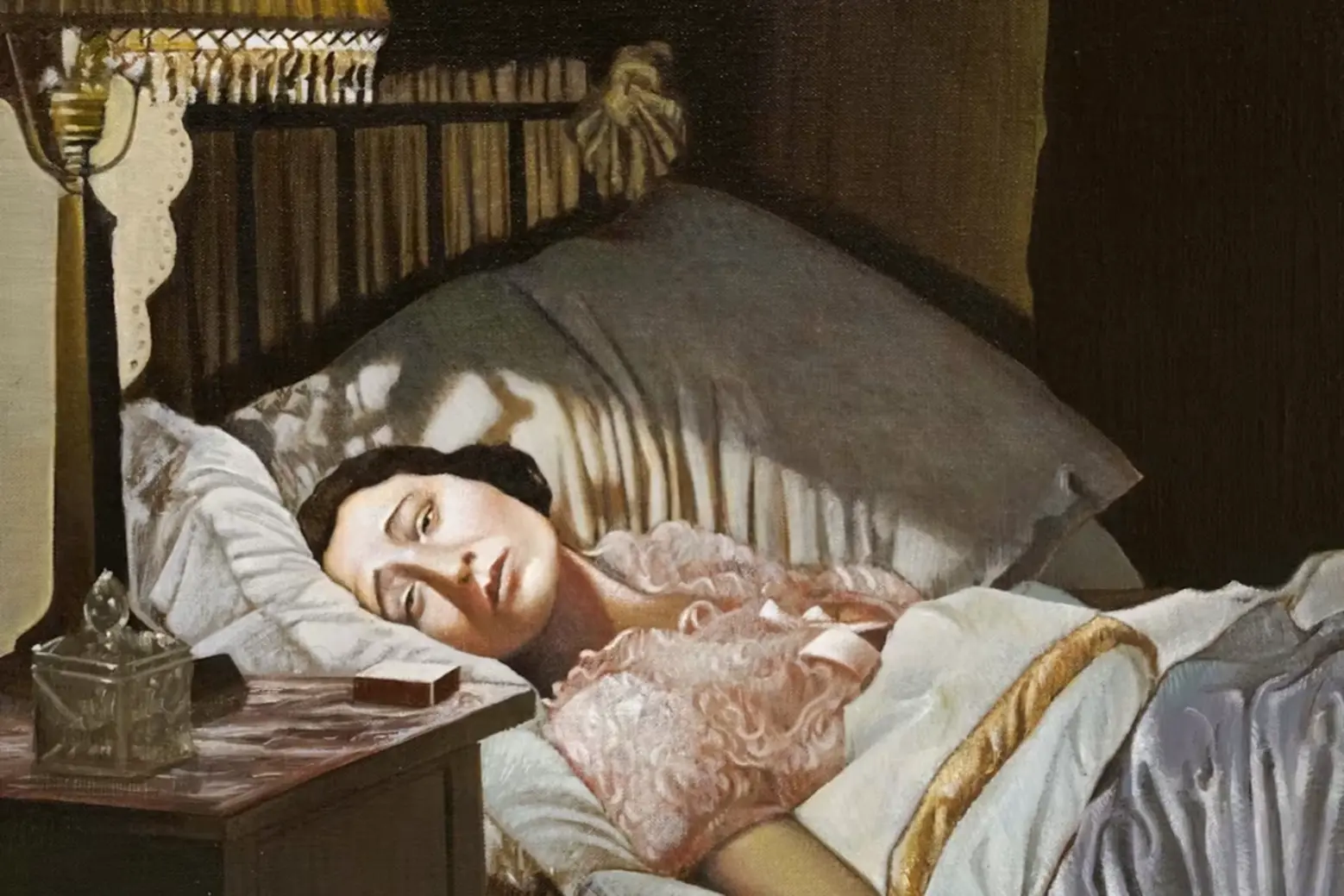
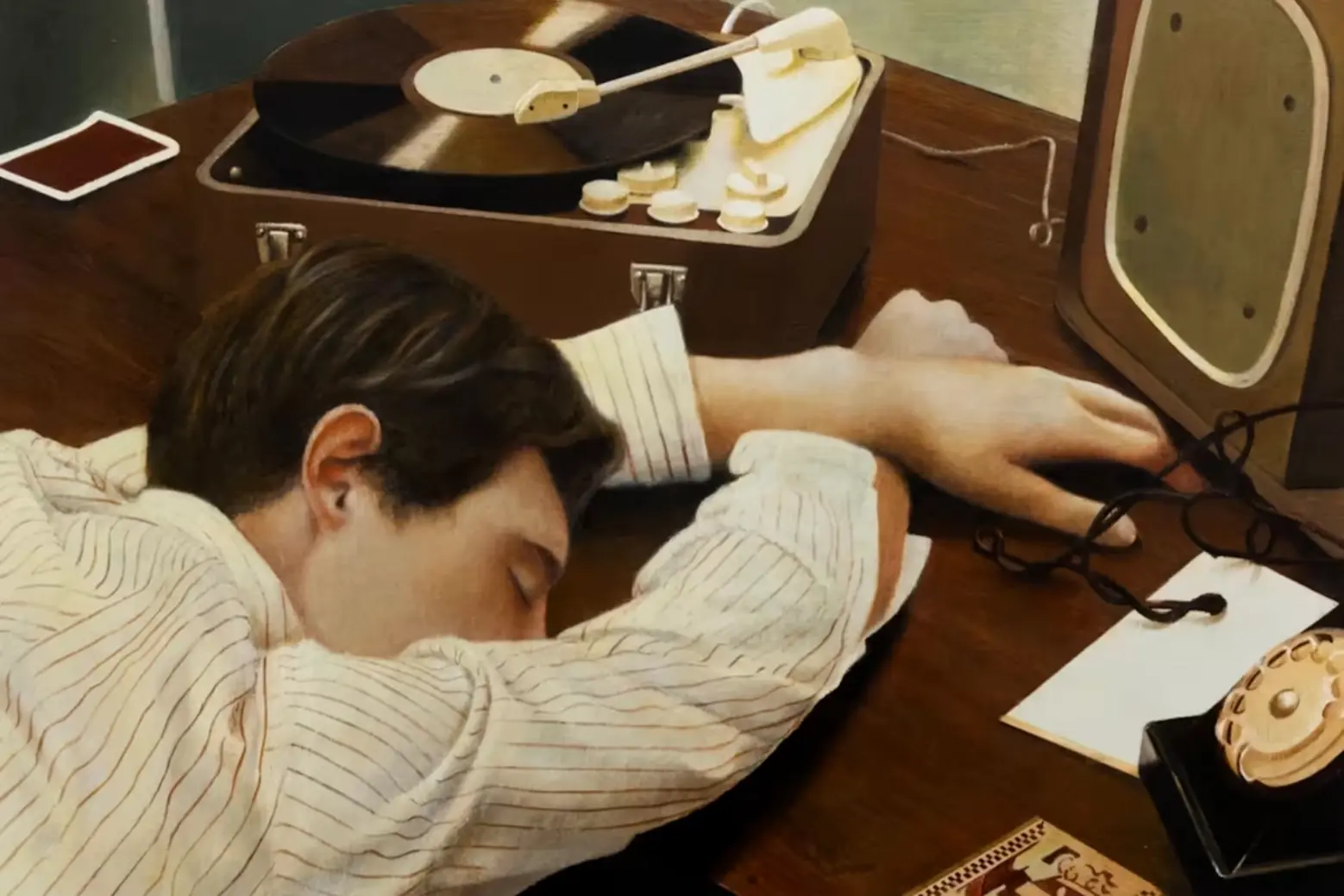
What gave the show its force was its restraint. Leonard Baby’s Resting Babyface suggests a mask of calm, a performed neutrality that hides deeper turbulence beneath the surface. Baby’s paintings carry exactly that tension. They are tender but distant, theatrical but wounded, polished yet haunted by private experience. In Villa Carlotta, that contradiction became the exhibition’s real achievement. Leonard Baby did not simply install paintings in a historic Hollywood building.