MENU
Close





By trading Indonesian manufacturing for Italian craftsmanship, Alo is betting that its "wellness sanctuary" lifestyle is powerful enough to make you retire your Chanel flap for good.
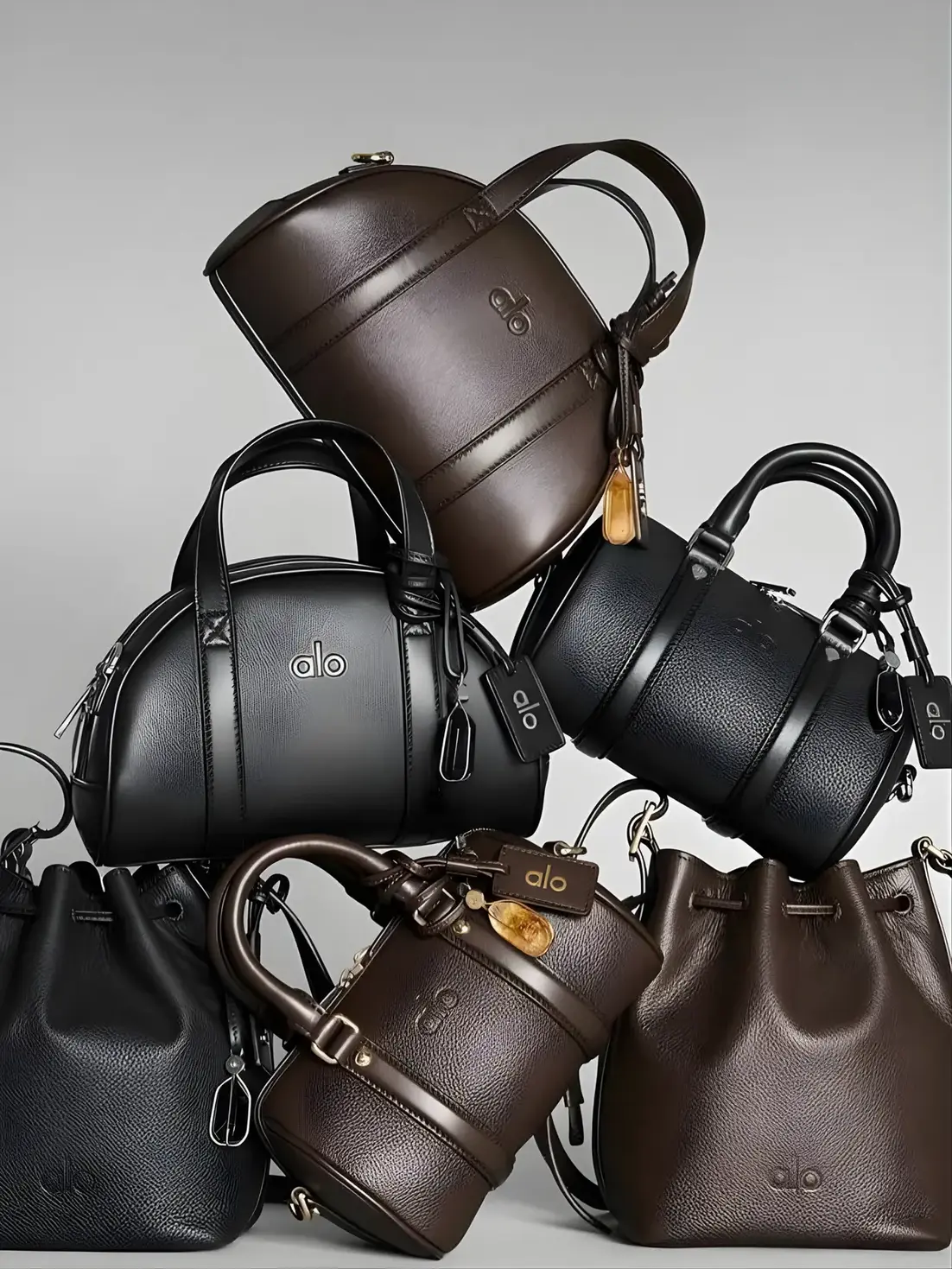
By trading Indonesian manufacturing for Italian craftsmanship, Alo is betting that its "wellness sanctuary" lifestyle is powerful enough to make you retire your Chanel flap for good.
January 26, 2026
Advertisement

Advertisement



If you’ve spent any time in SoHo or Beverly Hills, the Alo canvas tote is as common as a green juice. But CEO Danny Harris is no longer satisfied with being the uniform of the Pilates Princess. He wants the crown of the Heritage House.
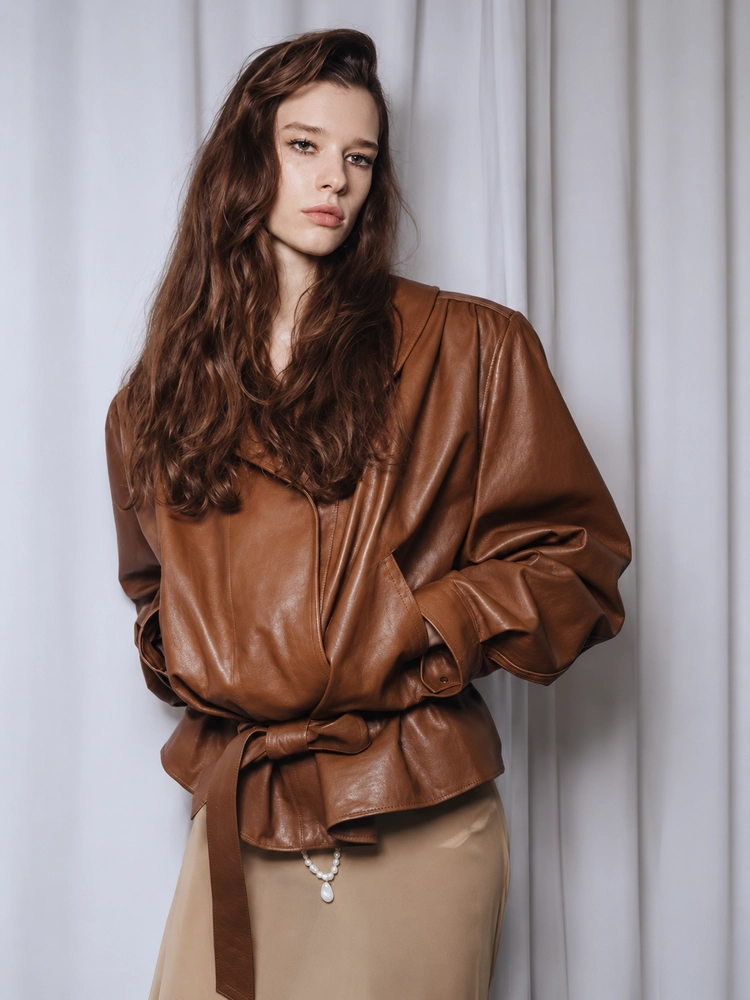
With the launch of a new Italian-made leather handbag line priced between $1,200 and $3,600, Alo is making a high-stakes gamble: they are betting that you’ll trade your Chanel flap for a bag born in a yoga studio. The collection arrives with Italian manufacture and a serious fashion campaign: Steven Meisel behind the lens, major top models faces - Candice Swanepoel, Amelia Gray in front, and the kind of styling team that signals legitimacy in one glance.
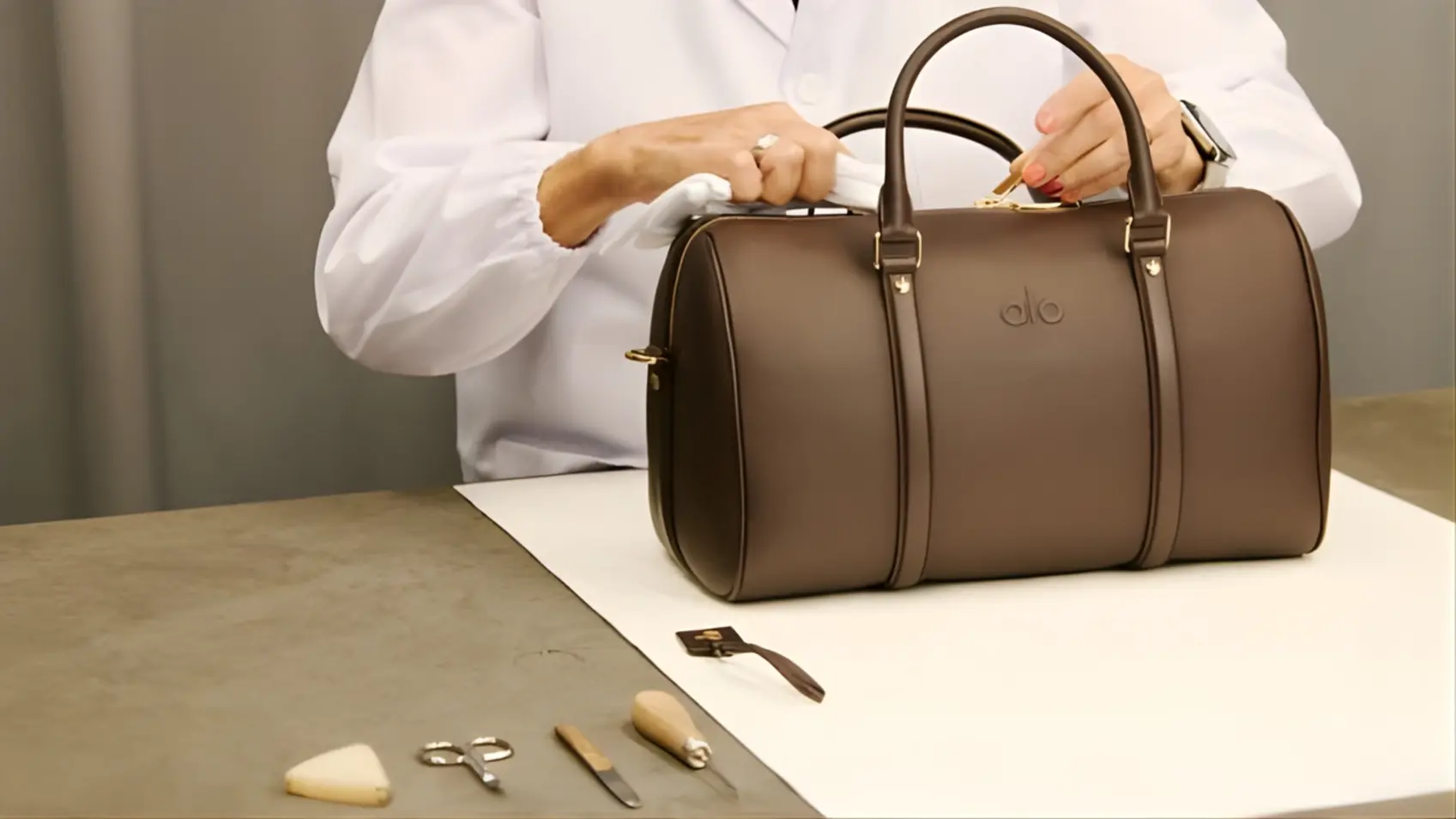
Harris is framing the move to Italian manufacturing as a progression, but critics are asking if a change in zip code equals a change in status. While Alo’s core leggings are famously produced in places like Taiwan and Indonesia, these bags are hand-crafted in Florence.
But does "Made in Italy" constitute innovation?
The most brutal hurdle for Alo is the Resale Reality. People spend $3,000+ on brands like Dior or Chanel because those pieces hold, or even gain value. They come with a century of heritage that can’t be replicated.
Alo, conversely, has a reputation closely tied to the fast-fashion cycle of drops, and influencer seeding. There is a deep-seated fear among luxury collectors that a $3,000 Alo bag is essentially a self-dupe: a product that looks like luxury but lacks the legacy to sustain its price point. Within weeks, high-street brands will likely release inspired-by versions for $100, further diluting the exclusivity Harris is trying to build.
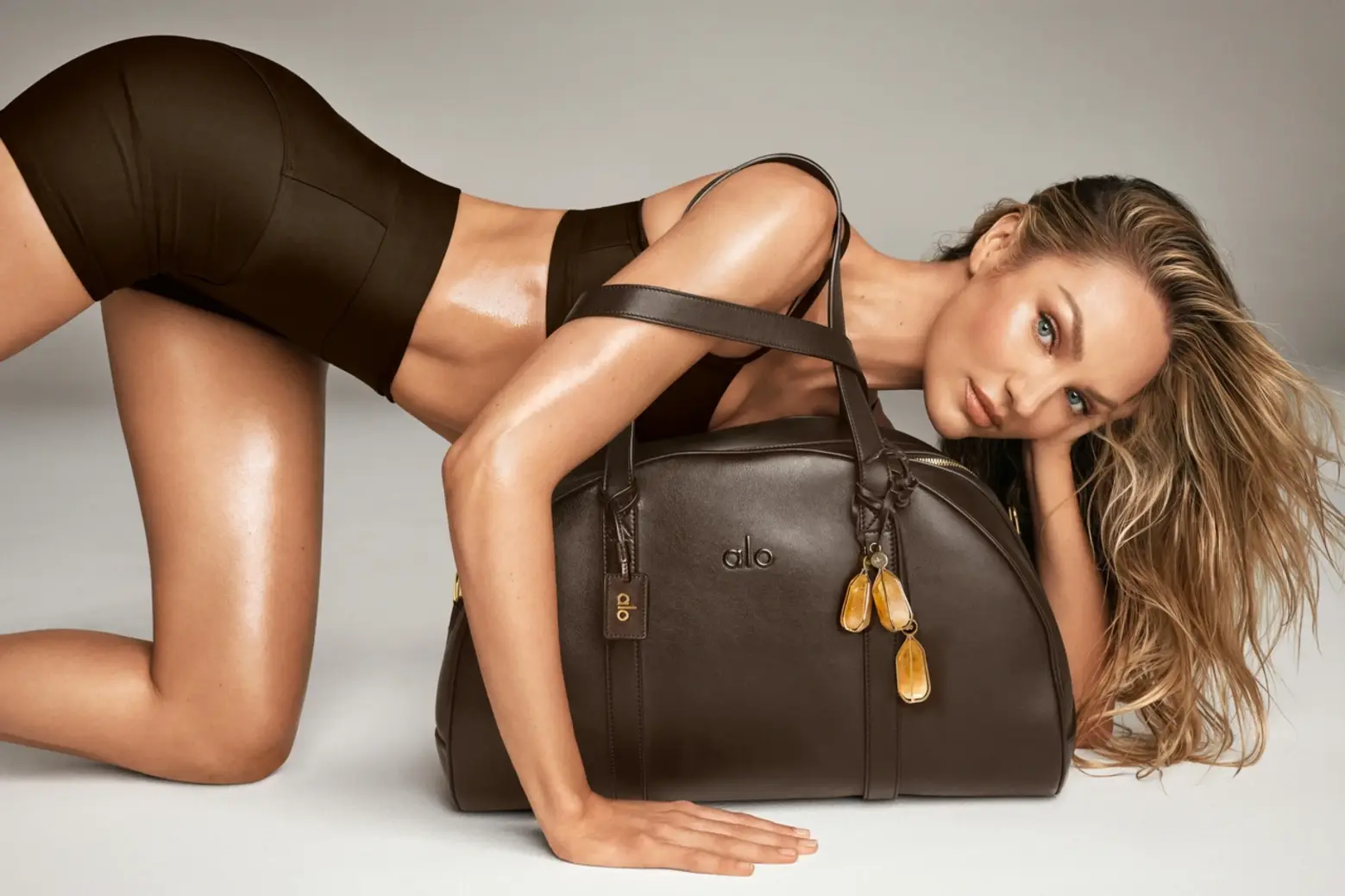
You have to admire the audacity. Harris isn't just asking for a seat at the table; he’s trying to flip it. By claiming consumers will swap Chanel for Alo, he is betting on a generational shift where Gen Z values wellness vibes over old-world prestige.
"If they were buying a Chanel bag, they will now buy an Alo bag," Harris claims.
It’s a bold statement for a brand that many still categorize as "elevated gym wear." Is it luxury, or is it just "hella expensive"? To be luxury, a brand usually needs a narrative that transcends the product. Alo's narrative is sweat, leggings, and green juice—hardly the stuff of Parisian ateliers.
Alo is successfully building a Wellness Empire, with plans for Japan-made eyewear and resorts in Capri. But the handbag market is a different beast. Luxury consumers are notoriously snobbish about new money brands entering the leather goods space without a history of craftsmanship.
Whether this succeeds depends on one thing: Is the Alo community a cult or a customer base? If they are a cult, they’ll buy the bag to signal their membership in the Wellness Elite. If they are just customers, they’ll stick to the $100 leggings and keep their $3,000 for a brand that has survived more than a few fashion seasons.
Advertisement