MENU
Close





Discover the legacy of Grand Member of Haute Couture, from historical icons to modern revivals, craftsmanship, and enduring fashion influence.
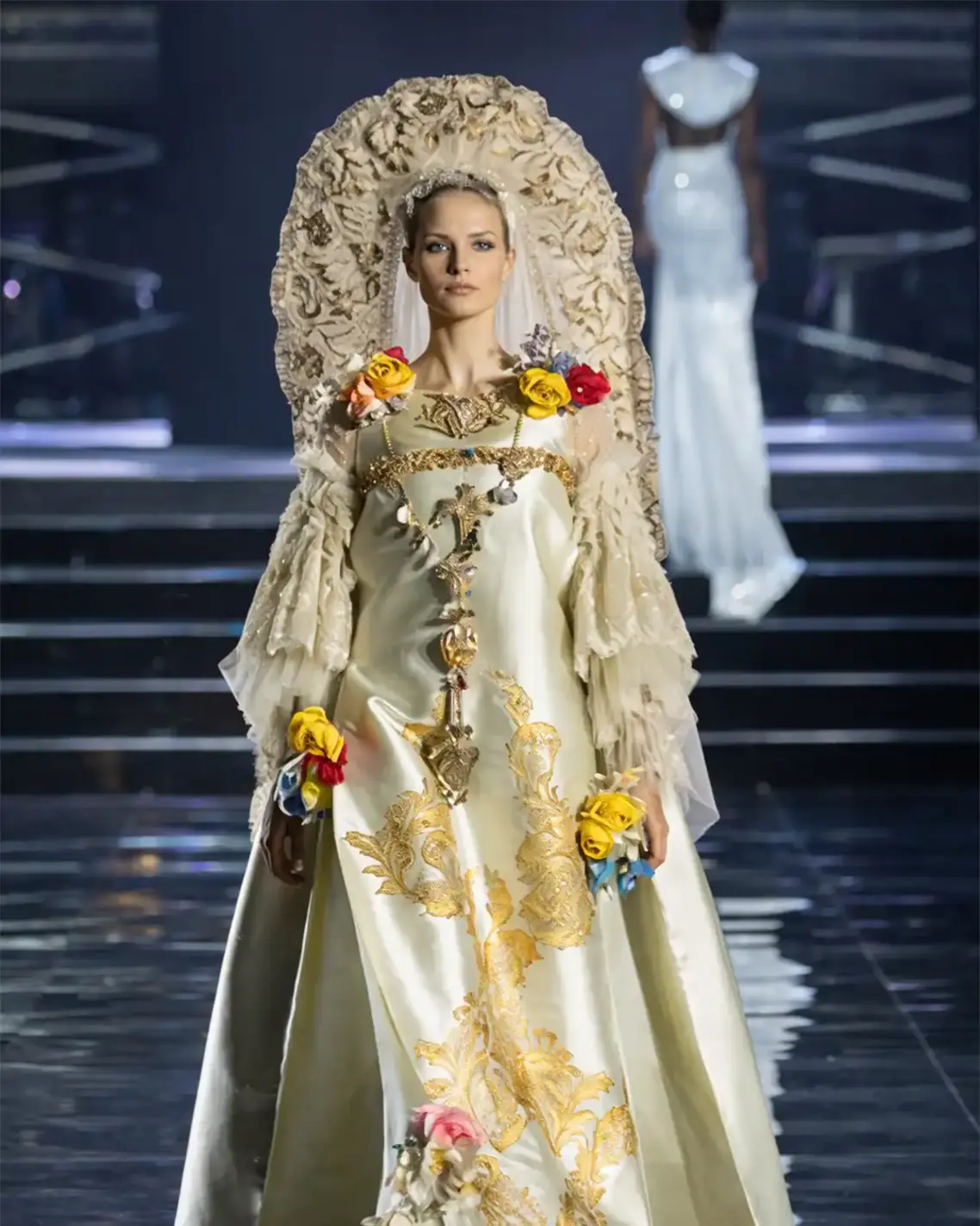
Discover the legacy of Grand Member of Haute Couture, from historical icons to modern revivals, craftsmanship, and enduring fashion influence.
January 26, 2026
Advertisement

Advertisement



At the heart of Paris Haute Couture lies a circle few fashion houses ever enter — the Grand Member of Haute Couture. Far more than a badge of prestige, this status represents mastery of craft, deep historical roots, and sustained creative relevance. Regulated by the Fédération de la Haute Couture et de la Mode (FHCM), full membership connects the present to a lineage that began in the 19th century and continues to evolve in an era of globalised luxury fashion.
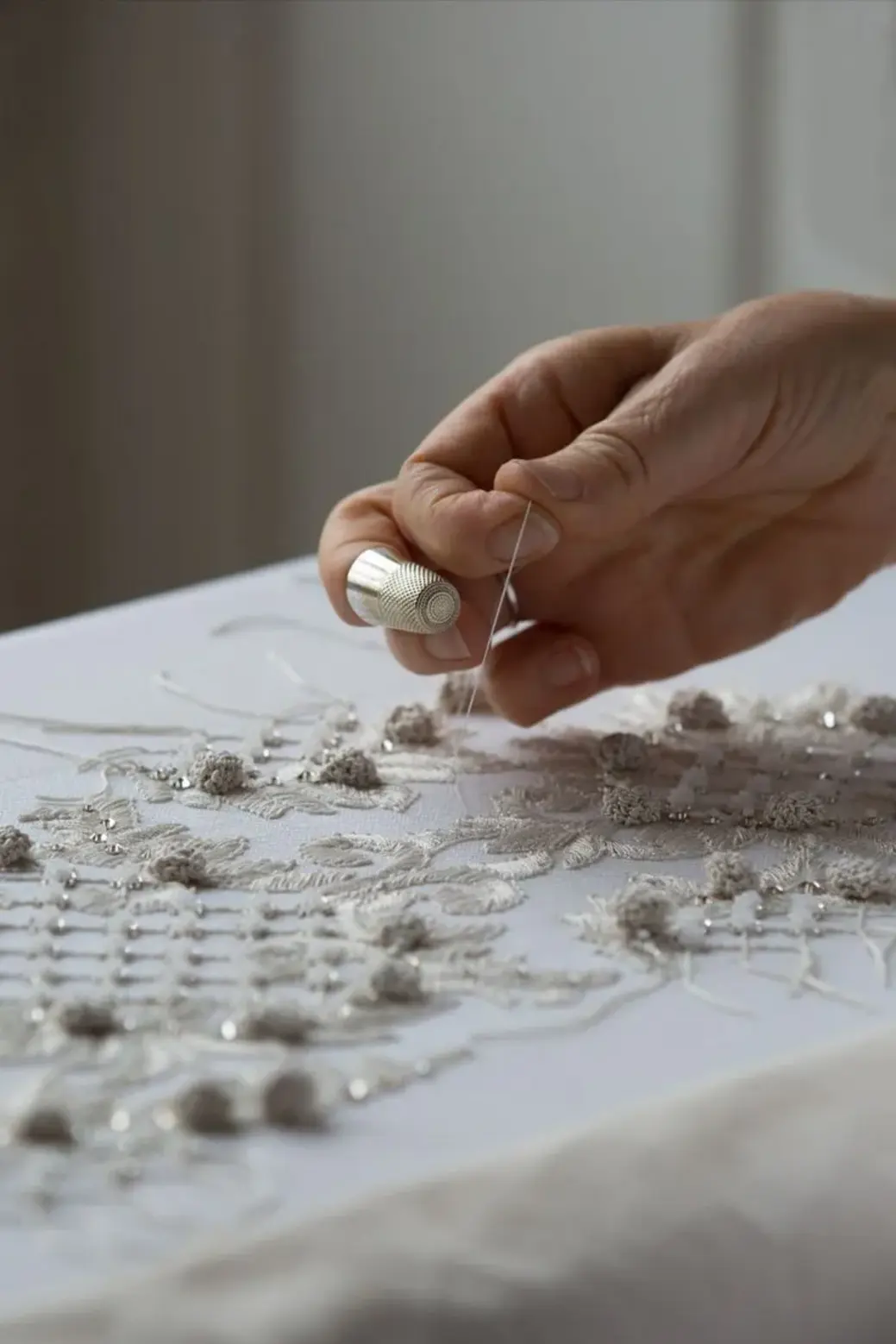
A Grand Member of Haute Couture is a fashion house officially accredited by the FHCM — a designation protected under French law and reserved for the most exacting of fashion houses. To qualify, a house must adhere to strict criteria that preserve the artisanal integrity of couture:
These conditions are designed not to exclude arbitrarily, but to ensure that haute couture — literally “high sewing” — remains a realm of craftsmanship and luxury that cannot be commodified. Couture must be personal, bespoke, and deeply technical.
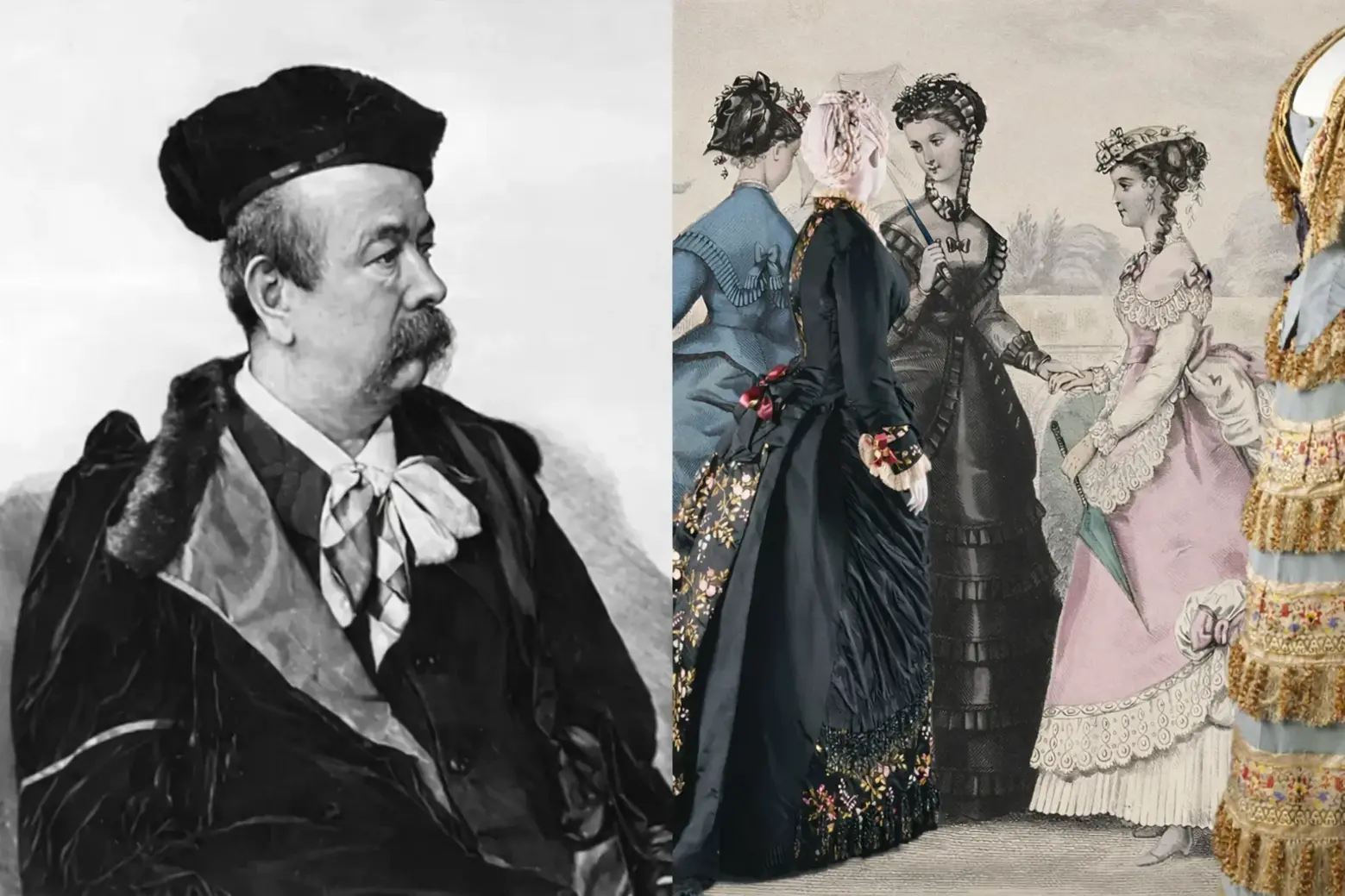
The history of haute couture begins with Charles Frederick Worth, an English designer who established his Paris salon in 1858 and essentially invented the system of seasonal collections tailored to individuals. Worth’s elevation of the designer’s role laid the groundwork for haute couture as both art and institution.
Over the 20th century, many houses became Grand Members, shaping style, society and fashion itself. Some have endured; others have faced the fragility of couture’s economic model and disappeared — at least in their original form.
These examples illustrate that closure need not be final — through strategic reinvestment and thoughtful leadership, a dormant couture legacy can return to the stage.
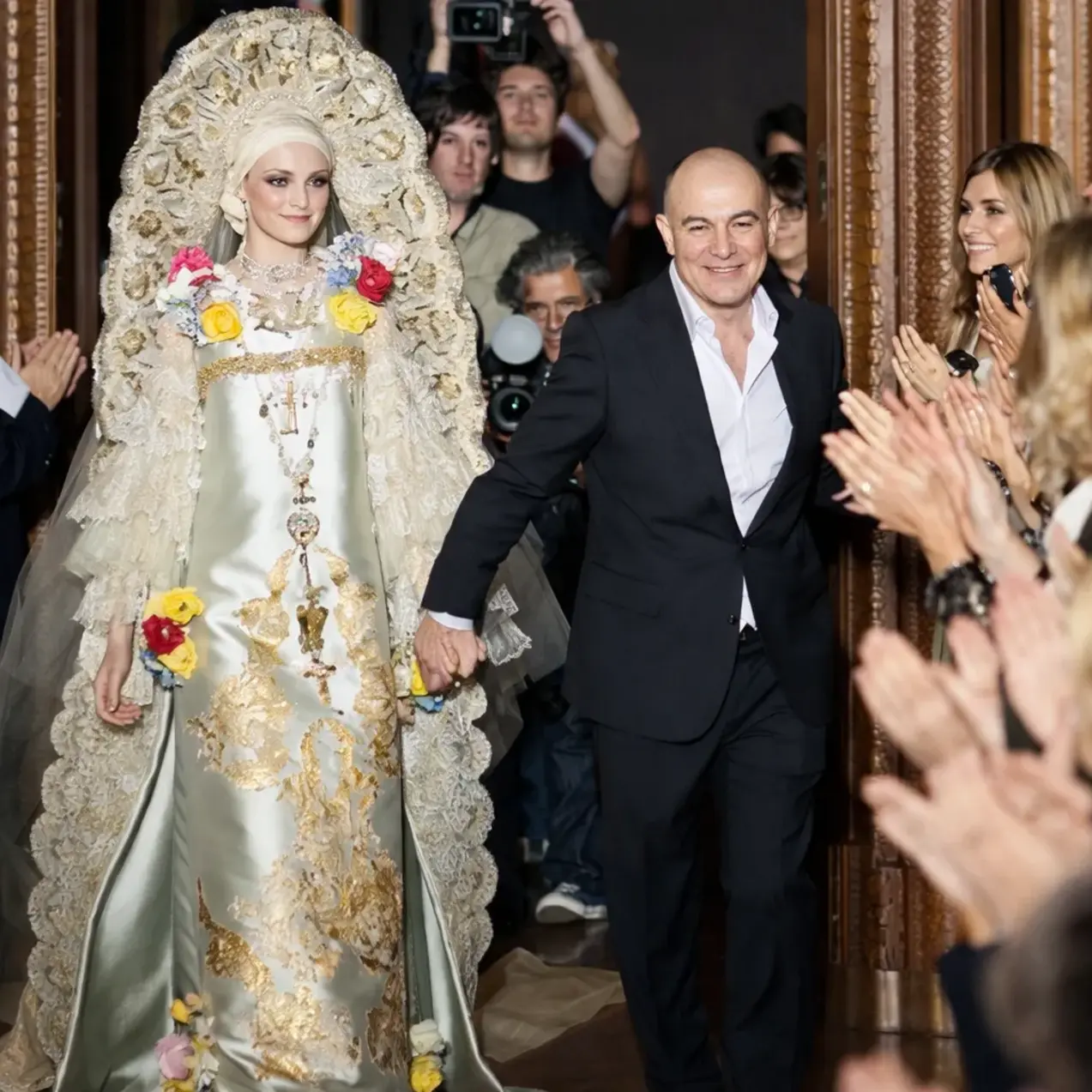
Some designers have followed a path from guest participation to full accreditation. This progression reflects both their development in craftsmanship and institutional confidence in their longevity. Examples include:
These transitions demonstrate that the FHCM’s standards can be met through dedication to craftsmanship and organisational development.


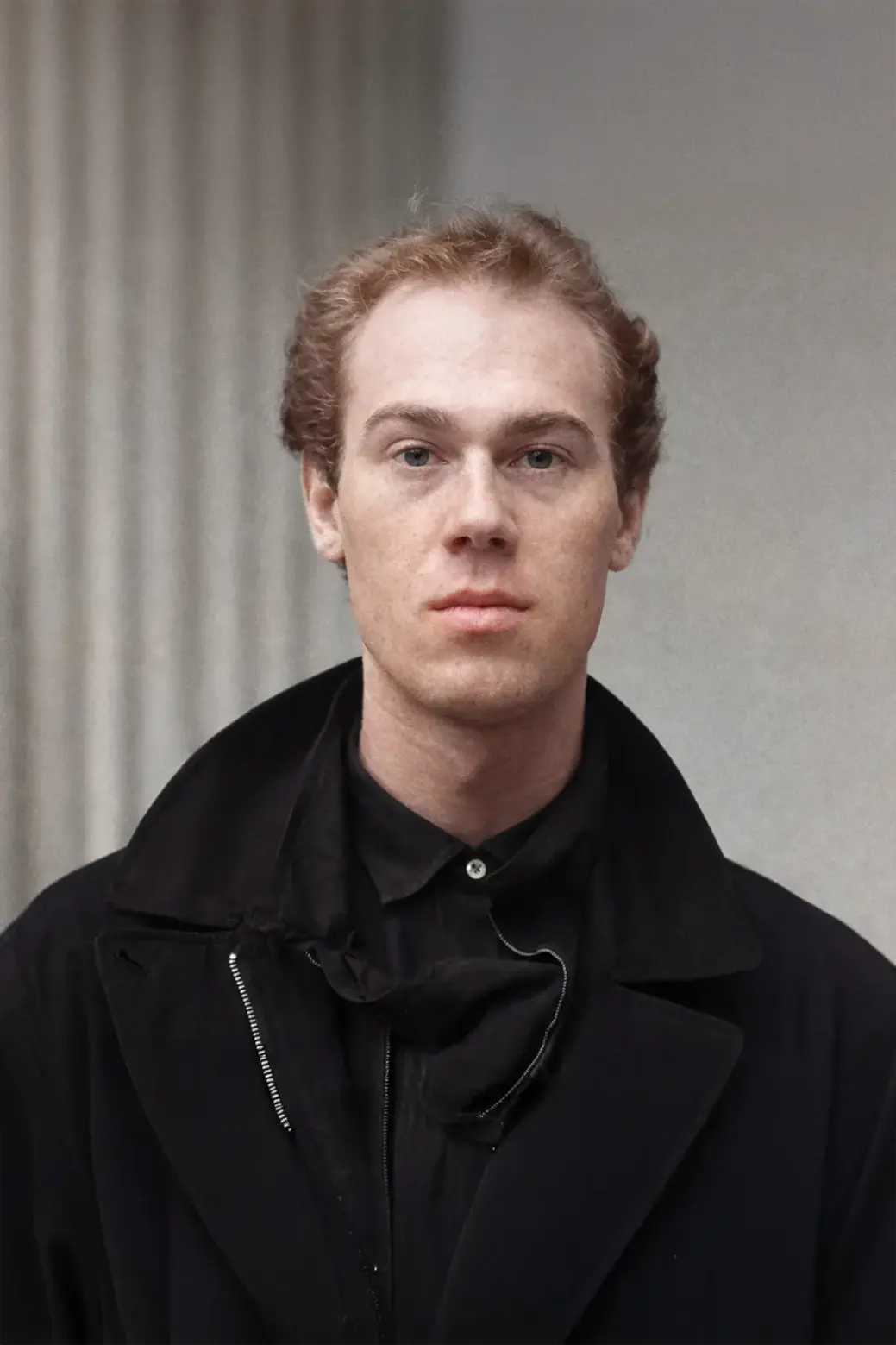
For a fashion house, becoming a Grand Member of Haute Couture is transformative in several ways:
Grand Membership situates a brand within a lineage of fashion excellence stretching back over a century. It is symbolic authority — couture houses often serve as arbiters of taste, reference points for style history, and custodians of technique.
Unlike commercial fashion, which must respond to quarterly sales cycles and broad market tastes, couture allows for unfettered experimentation. It serves as a research lab where techniques are developed, textiles are reimagined, and silhouettes are tested — influencing readytowear and even accessories in later seasons.
Though haute couture itself often yields limited direct profit, its halo effect boosts the entire luxury brand. Couture conveys authenticity, artisanal depth and historical legitimacy that elevate brand perception globally.
Grand Members maintain deep relationships with elite collectors, museums, celebrities, and institutions. Their works are frequently exhibited, documented in fashion archives, and referenced in cultural dialogues about art and design.
Certain houses have achieved iconic stature, not just for longevity, but for the depth of their influence:
These houses exemplify how couture can be both timeless and forwardlooking.
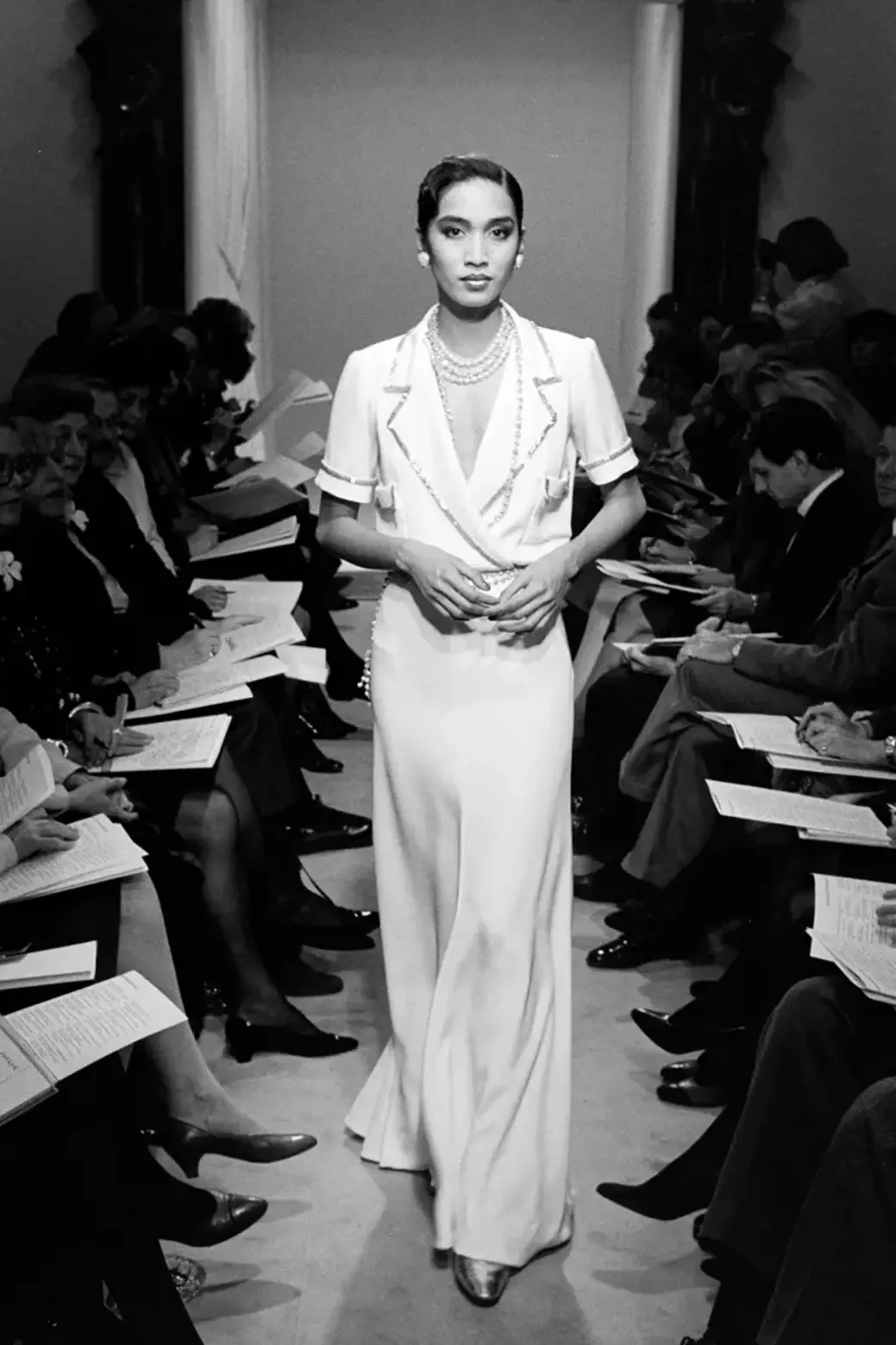
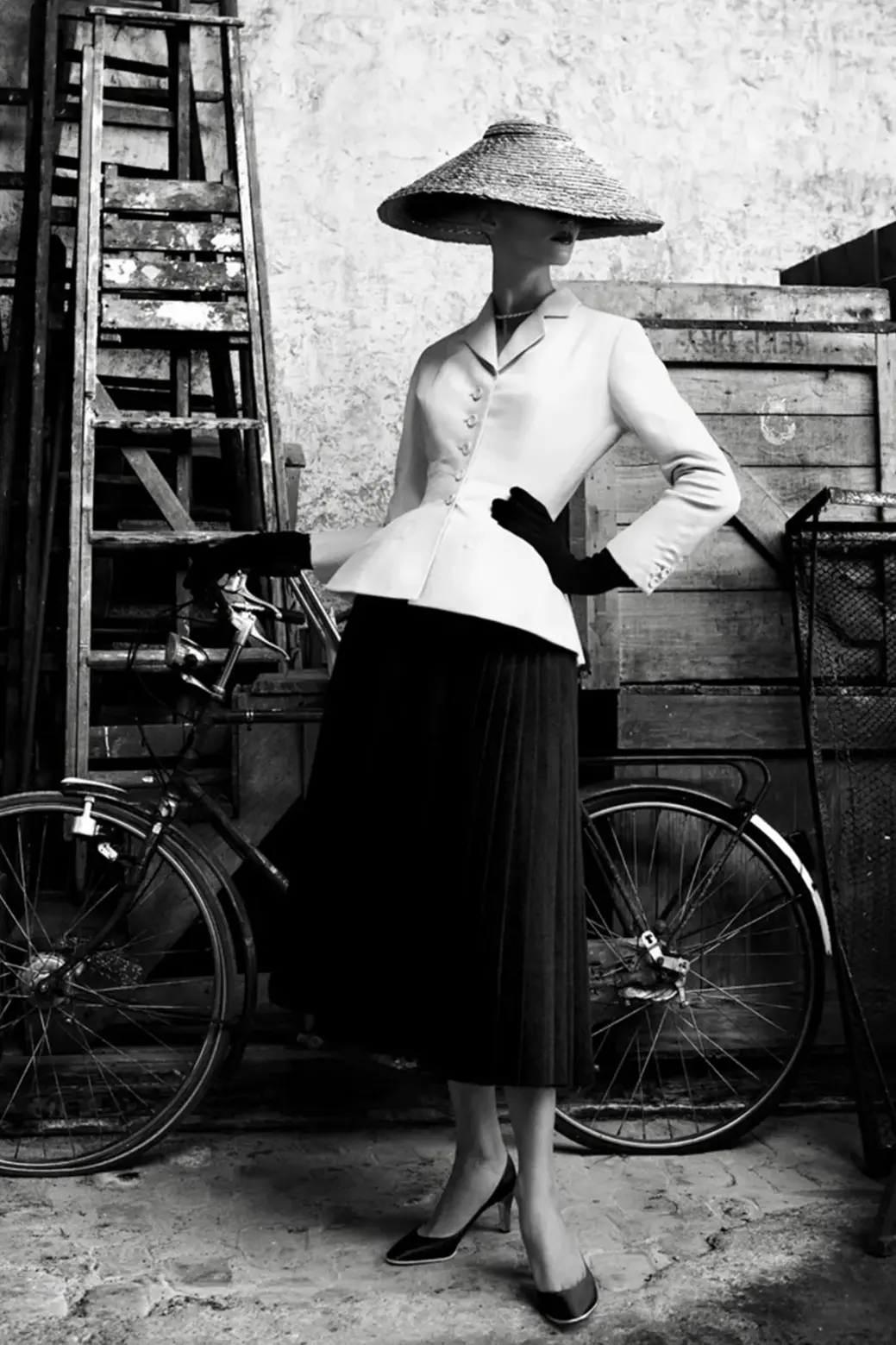
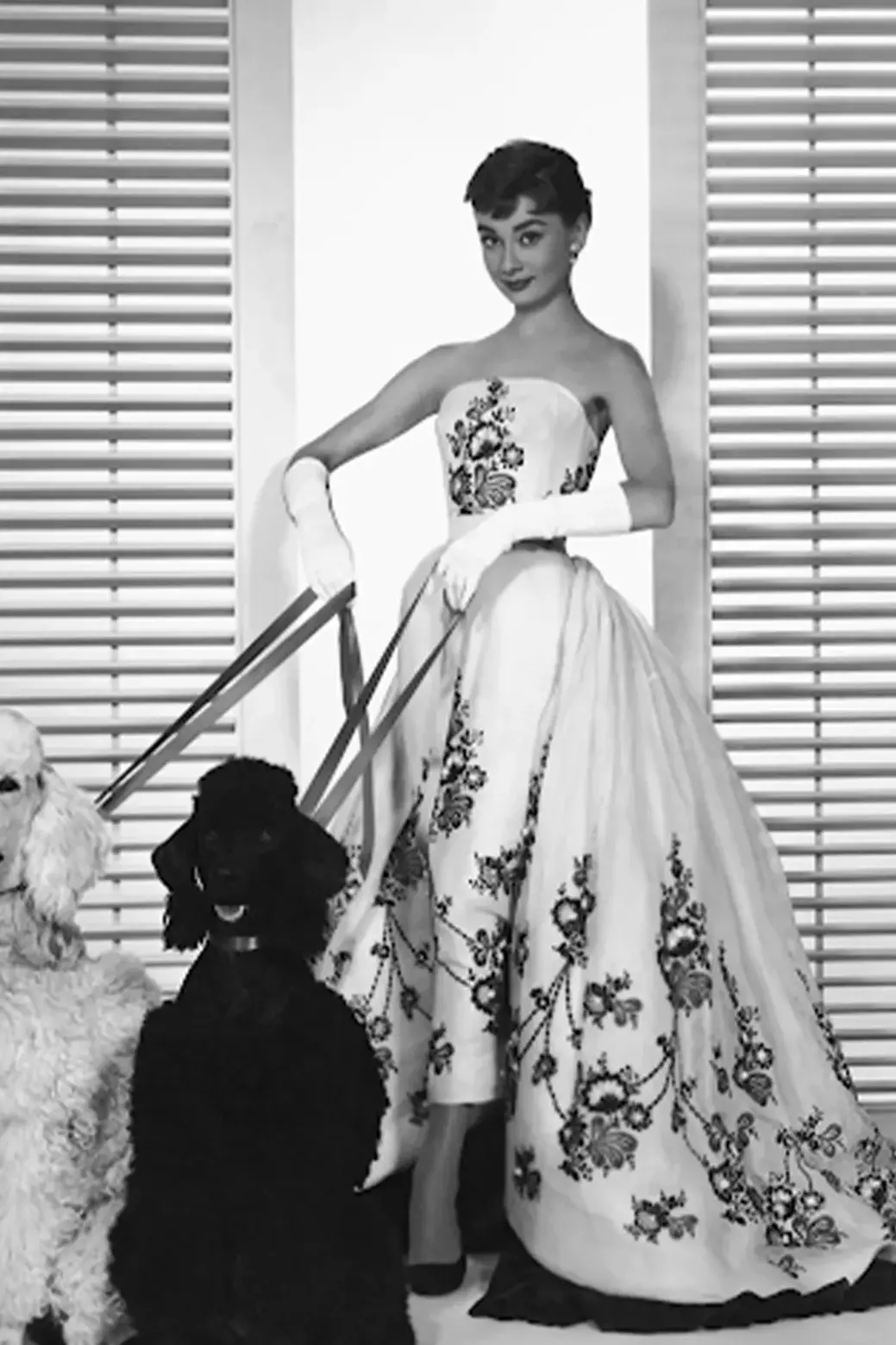
Not all couture houses sustain success indefinitely. Even after achieving Grand Member status, many face commercial or operational hardship:
These cases show that haute couture is not immune to market realities, despite its cultural status.
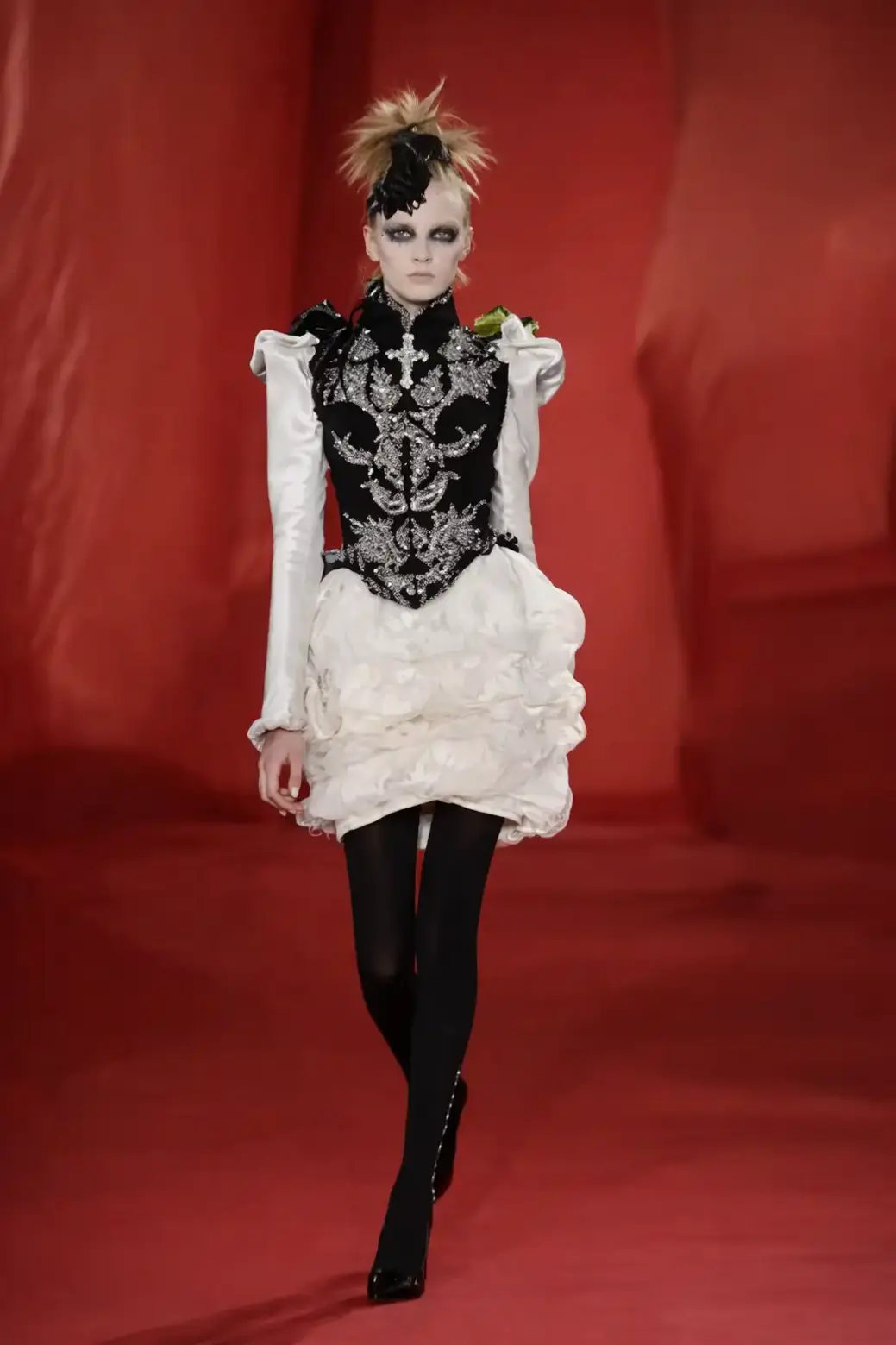
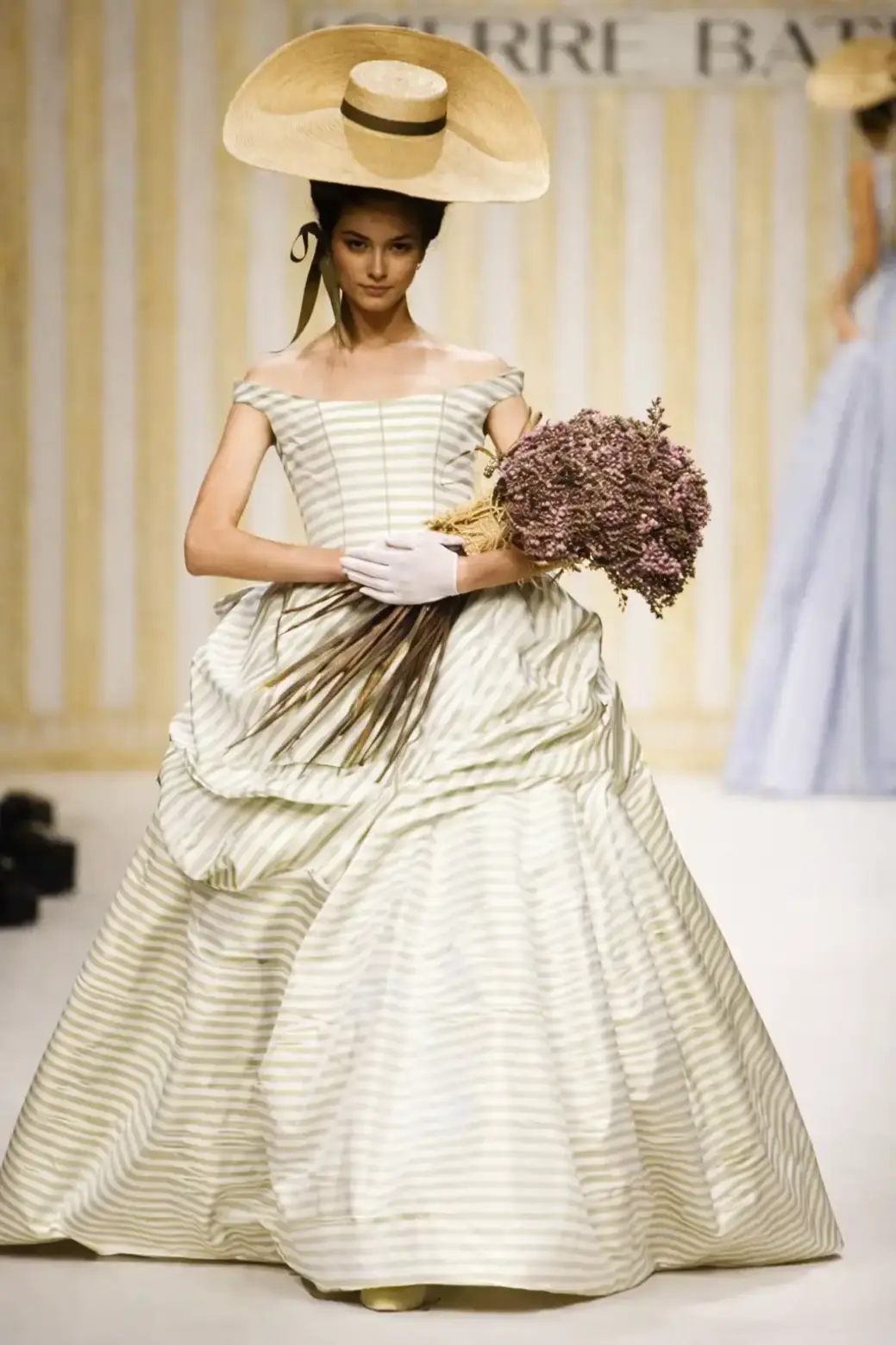
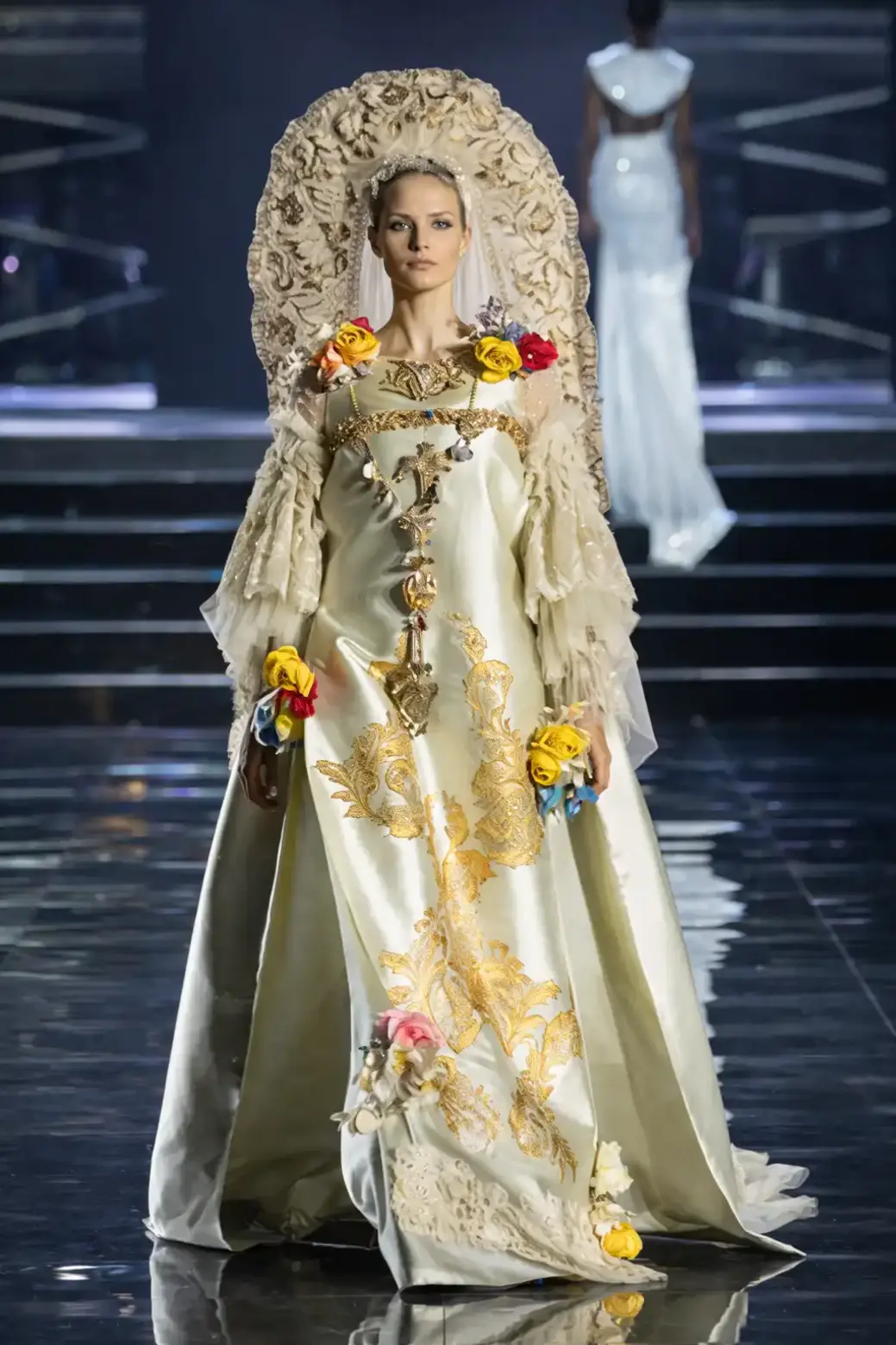
A Grand Member of Haute Couture is more than a title — it is a testament to enduring artistry, meticulous craft and a willingness to embrace risk. From the ateliers of Paris where couture began to the global stage where it continues to influence fashion imagination, Grand Members carry forward an extraordinary cultural tradition.
Yet couture history also reveals that artistic brilliance must be matched by strategic resilience. Houses like Schiaparelli prove that a Grand Member of Haute Couture can be reborn and reinterpreted, while examples such as Christian Lacroix underscore the economic fragility of the system. Within this constant negotiation between heritage and innovation, Haute Couture endures as a living craft at the intersection of art and fashion, with each Grand Member of Haute Couture acting as a vital steward of its future.
Advertisement