MENU
Close





Bold, fearless, and endlessly inventive, each Fashion Legend in this story represents a creative force whose vision reshaped the industry and left a lasting imprint on fashion history.
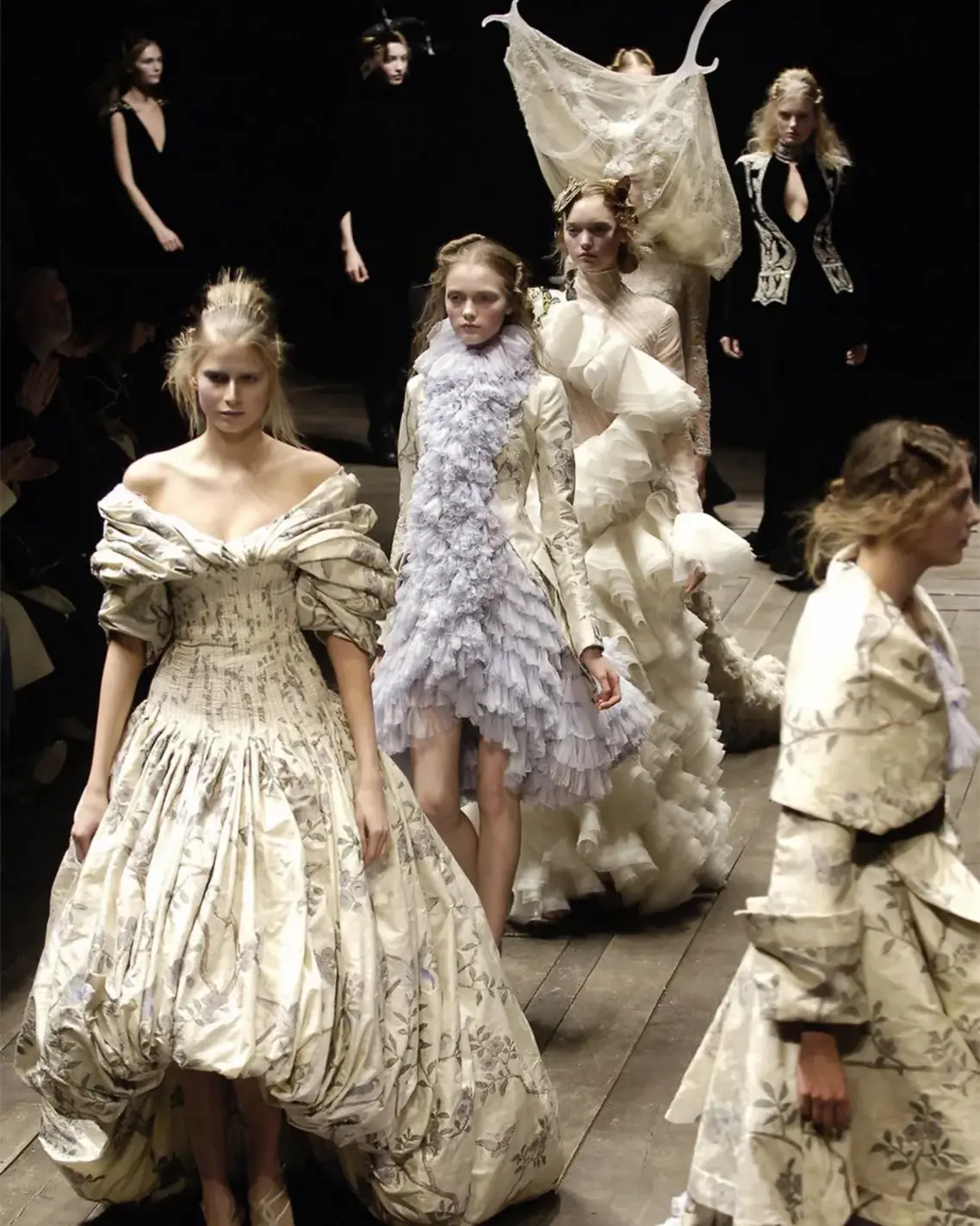
Bold, fearless, and endlessly inventive, each Fashion Legend in this story represents a creative force whose vision reshaped the industry and left a lasting imprint on fashion history.
October 23, 2025
Advertisement

Advertisement



Fashion has never stood still. Over the past century, it has evolved from the private world of tailor and client to the spectacle of runways that ignite the imagination.
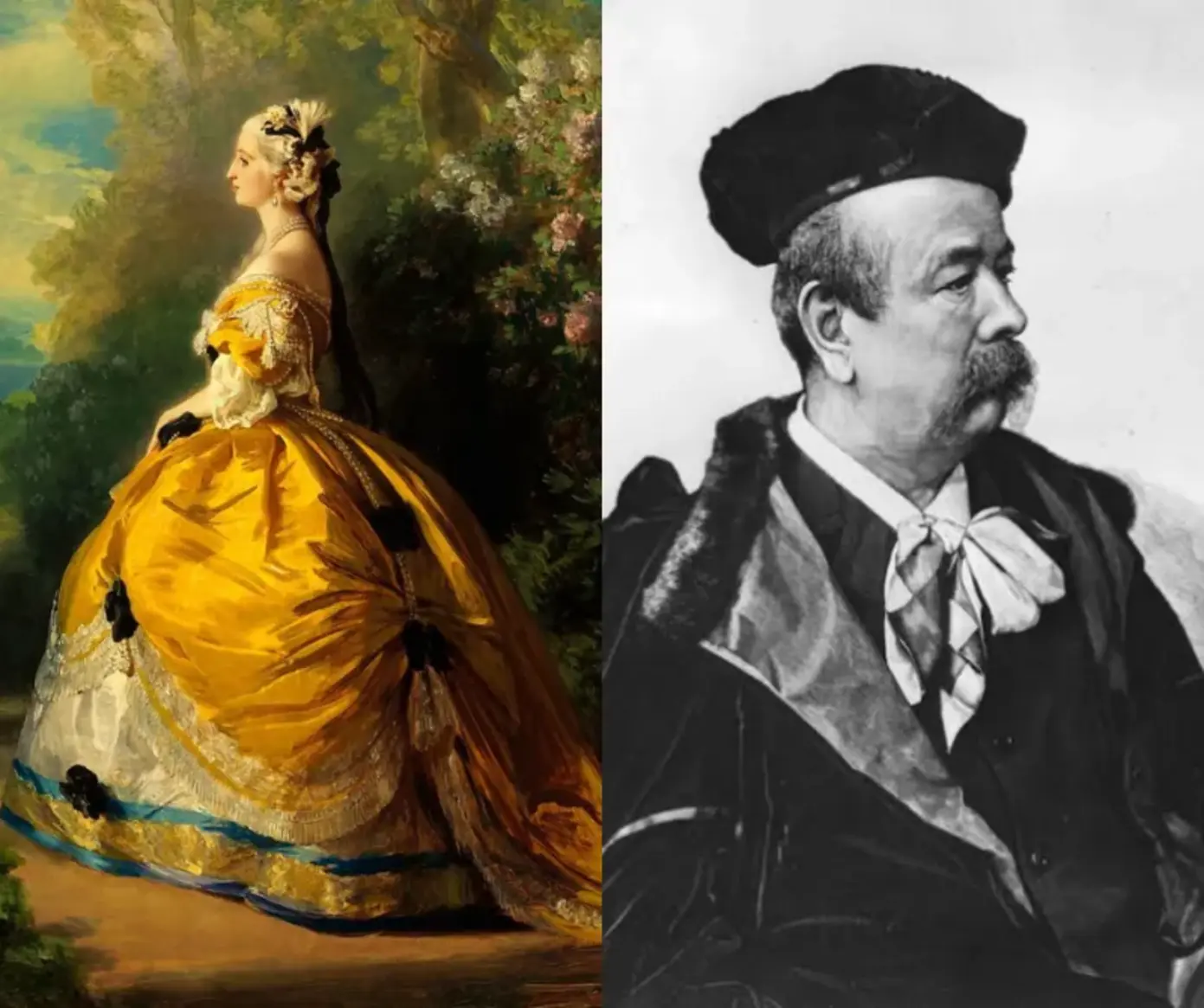
Let’s trace the origins of Haute Couture: in the 19th century, its father was none other than Charles Frederick Worth. He was the first designer to label his creations and to establish a true “fashion house,” employing female seamstresses to complete his intricate designs. From this moment, the industry began to draw sharper lines: men led design and innovation, while women mastered the delicate crafts like embroidery, dyeing, finishing. It was also around this time that the concept of the fashion designer emerged, a multifaceted figure further shaped in Italy by the spirit of Made in Italy. The role extended beyond design itself, bridging the fashion industry with buyers and public demand.
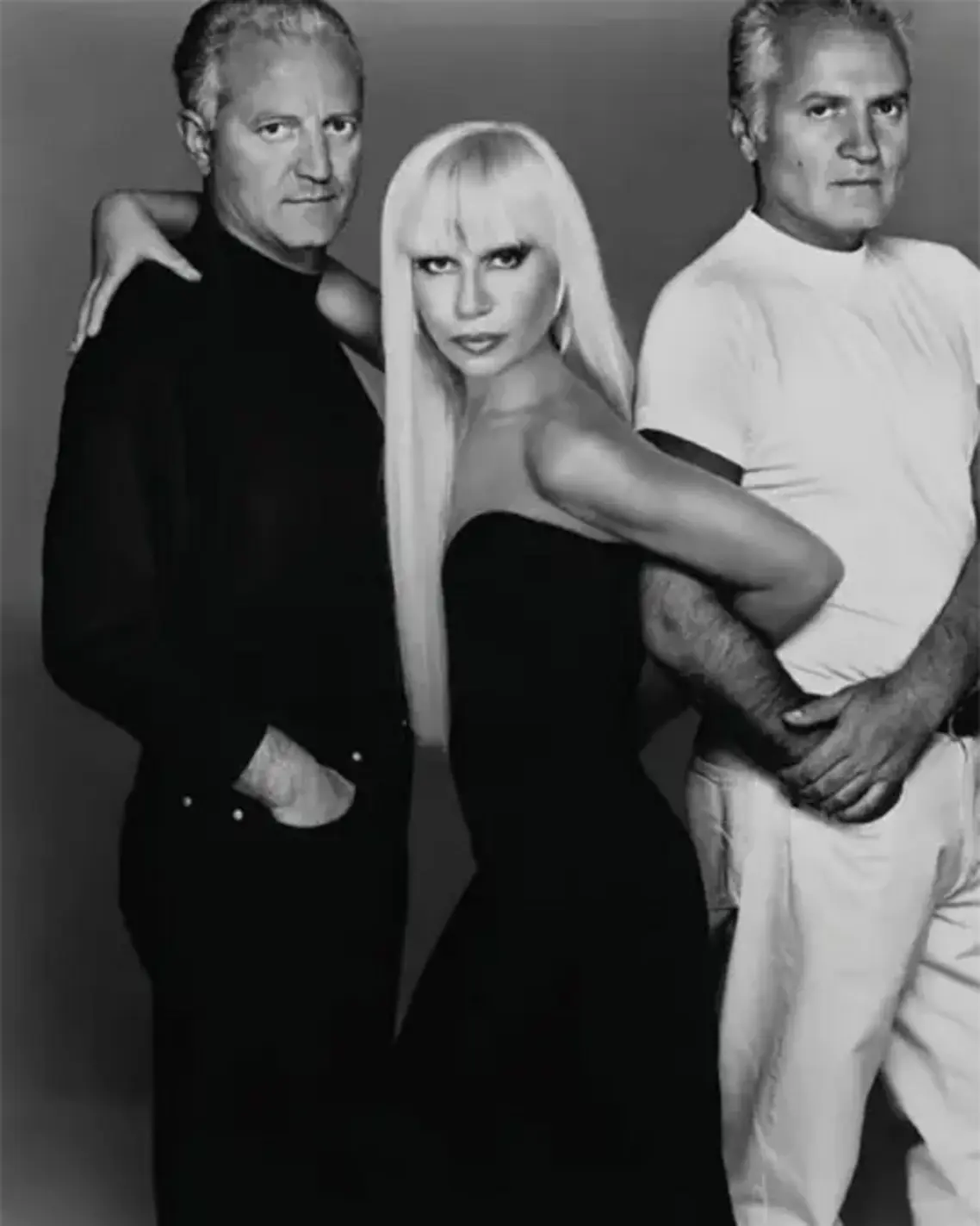
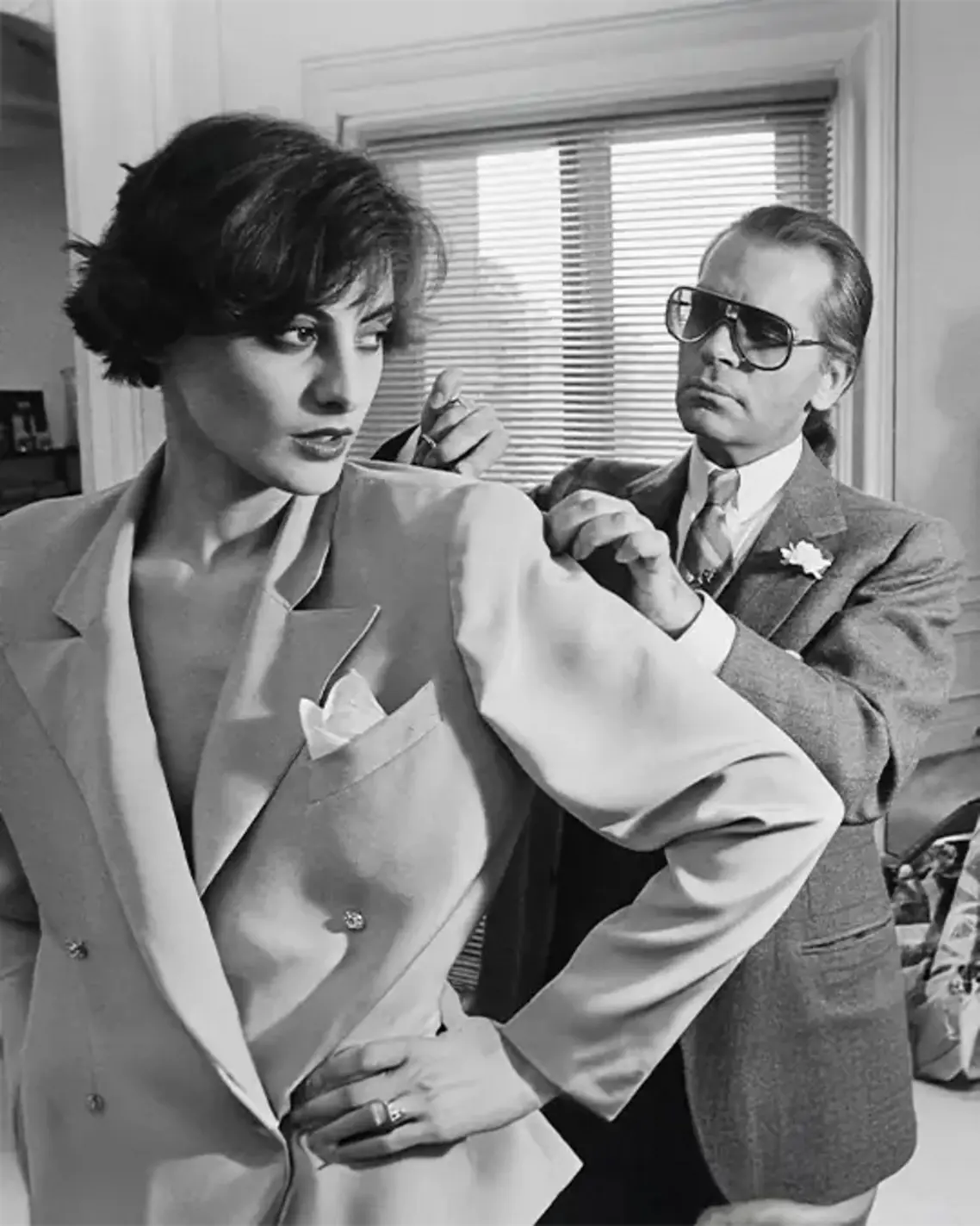
Fast-forward to modern history, Walter Albini pioneered prêt-à-porter (or high-end ready-to-wear) in ateliers. His vision brought couture out of the salon and onto the street, balancing exclusivity with accessibility. Meanwhile, Versace dreamed of turning metal into fabric. His oroton dress, a shimmering mesh of metal, challenged Italy’s textile traditions and expanded what fashion could be made of. Karl Lagerfeld also stands as a prime example. From 1962, he worked independently across France, Italy, the UK, and Germany, while simultaneously serving as creative director for both Chanel and Fendi. He was also the first to break tradition by collaborating with H&M, producing an accessible collection of handbags, a move that ignited the era of luxury-meets-fast-fashion collaborations.
At the same time, Alexander McQueen redefined the very concept of the fashion show, transforming the runway into a theatrical spectacle. Over 18 years with his own brand and his tenure at Givenchy, McQueen created moments of breathtaking drama: Shalom Harlow sprayed by a robotic arm, showers of gold falling on the runway, or circles of fire encircling models — cementing his legacy as a master of spectacle and high drama. Beyond their collections, many designers became cultural architects: shaping not just clothes, but how the world sees fashion itself.
In the contemporary era, the figure of the creative director has emerged as a defining icon of fashion. Virgil Abloh, who declared he was born to create, began as an intern at Fendi in 2009 and quickly caught the attention of Karl Lagerfeld, who predicted: “In the future, there will be fewer designers and more creative directors.” With Off-White, Virgil Abloh captured the pulse of a restless generation: one tired of rigid codes and hungry for a looser, more fluid language of style. Abloh did more than blend streetwear with couture — he created a new fashion language, where youth, accessibility, and luxury coexist in harmony. A trained engineer with a master’s in architecture, Abloh dove headfirst into creativity: collaborating with Kanye West, experimenting with furniture, designing jewelry. Limits? He knew none. Boundaries? He shattered them. This relentless spirit made Abloh a creative director who redefined 21st-century fashion.
From Abloh, the wave continues. Pharrell at Louis Vuitton, Sabato De Sarno at Gucci, Peter Do at Helmut Lang — all are “crafting” the next era of international fashion. Bold ideas, unconventional moves, even defying algorithms have become the spark for fashion’s next revolution.
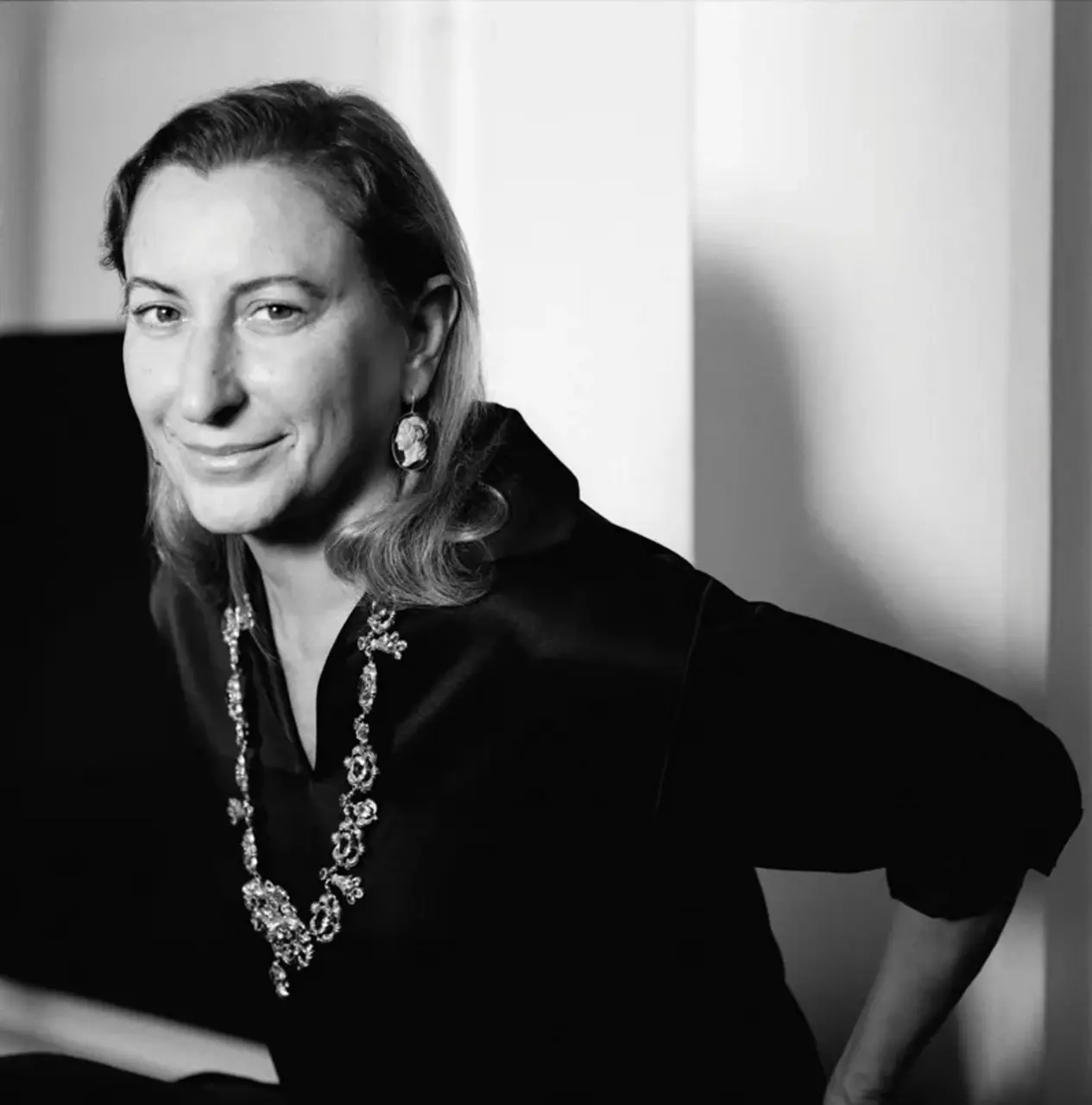
Fashion’s influence isn’t confined to menswear silhouettes.Among the women who left an indelible mark, Miuccia Prada stands out for her rule-breaking spirit. At the start of her career, she famously stated, “I’m not a fashion designer, I’m just myself.” That ethos helped Prada redefine elegance, turning personal identity into the core philosophy of her brand.
This spirit has always been present across eras. Coco Chanel with her little black dress, Elsa Schiaparelli and her surrealist jewelry, Christian Dior’s “New Look,” Mary Quant’s liberating miniskirts, Roy Halston’s pillbox hats, Pierre Cardin’s pioneering vinyl, Balenciaga’s doll-like silhouettes, Yves Saint Laurent’s revolutionary Le Smoking, Giorgio Armani’s unstructured jackets, Valentino’s legendary reds, Rei Kawakubo’s exploration of black, Prada’s anti-luxury nylon bags. And if the 20th century built icons, the 21st continues their revolutionary spirit. Demna with deconstruction and anti-fashion, Jonathan Anderson blending art and wearability, Daniel Roseberry restoring Schiaparelli’s couture prominence, they inherit the legacy while redefining how fashion reflects contemporary culture, society, and human aspiration.
Today, in a hyper-digital world, fashion extends far beyond clothing, operating as a reflection of culture itself. Each Fashion Legend featured here speaks a language shaped by their time, translating social change, cultural nuance, and creative ambition into garments and accessories that define modern identity. More than products, these creations stand as enduring visions, marks left by designers who transformed fashion into a statement of their era.
Advertisement