MENU
Close





From Audrey Hepburn’s little black dress in Breakfast at Tiffany’s to Grace Kelly’s aristocratic elegance in To Catch a Thief, fashion in films transcends costume to become cinema’s most eloquent love language - where every stitch tells a story dialogue cannot.
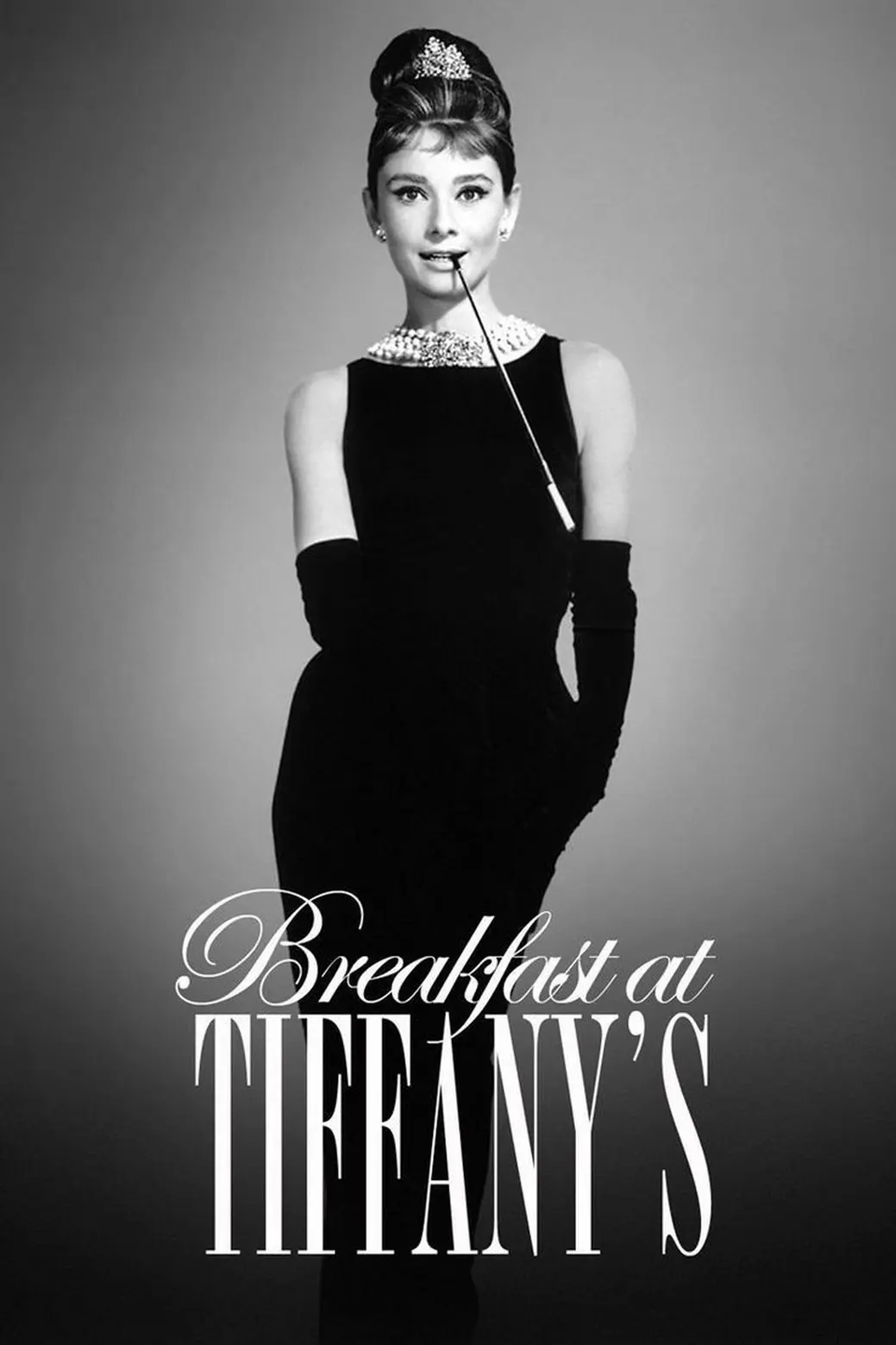
From Audrey Hepburn’s little black dress in Breakfast at Tiffany’s to Grace Kelly’s aristocratic elegance in To Catch a Thief, fashion in films transcends costume to become cinema’s most eloquent love language - where every stitch tells a story dialogue cannot.
January 9, 2026
Advertisement
Advertisement


There is a kind of love story told not with words, but with fabric, cut, and color. It is the romance between cinema and fashion in films, a perfect marriage where every dress, every suit, carries the weight of a special supporting character: a visual narrator.
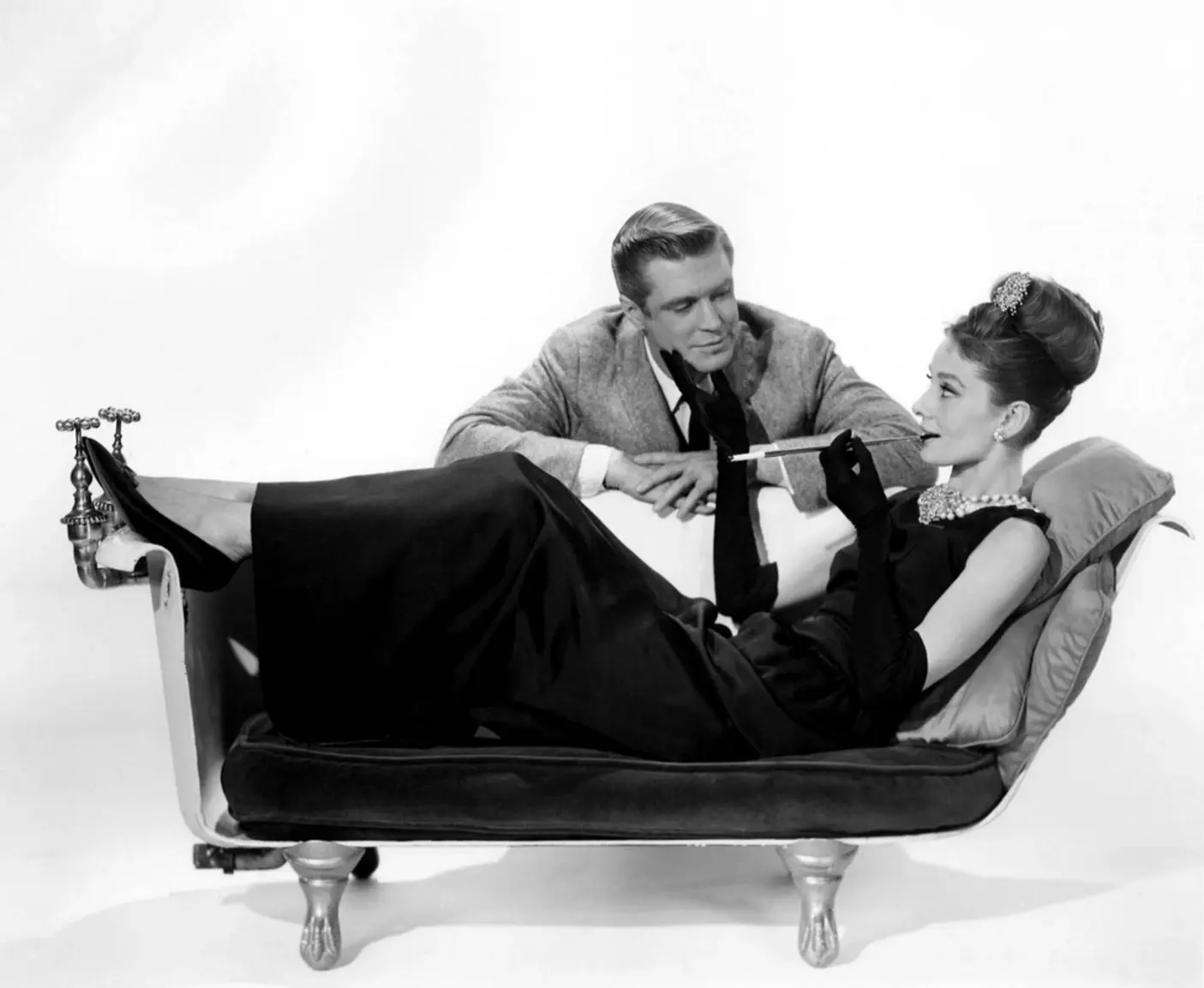
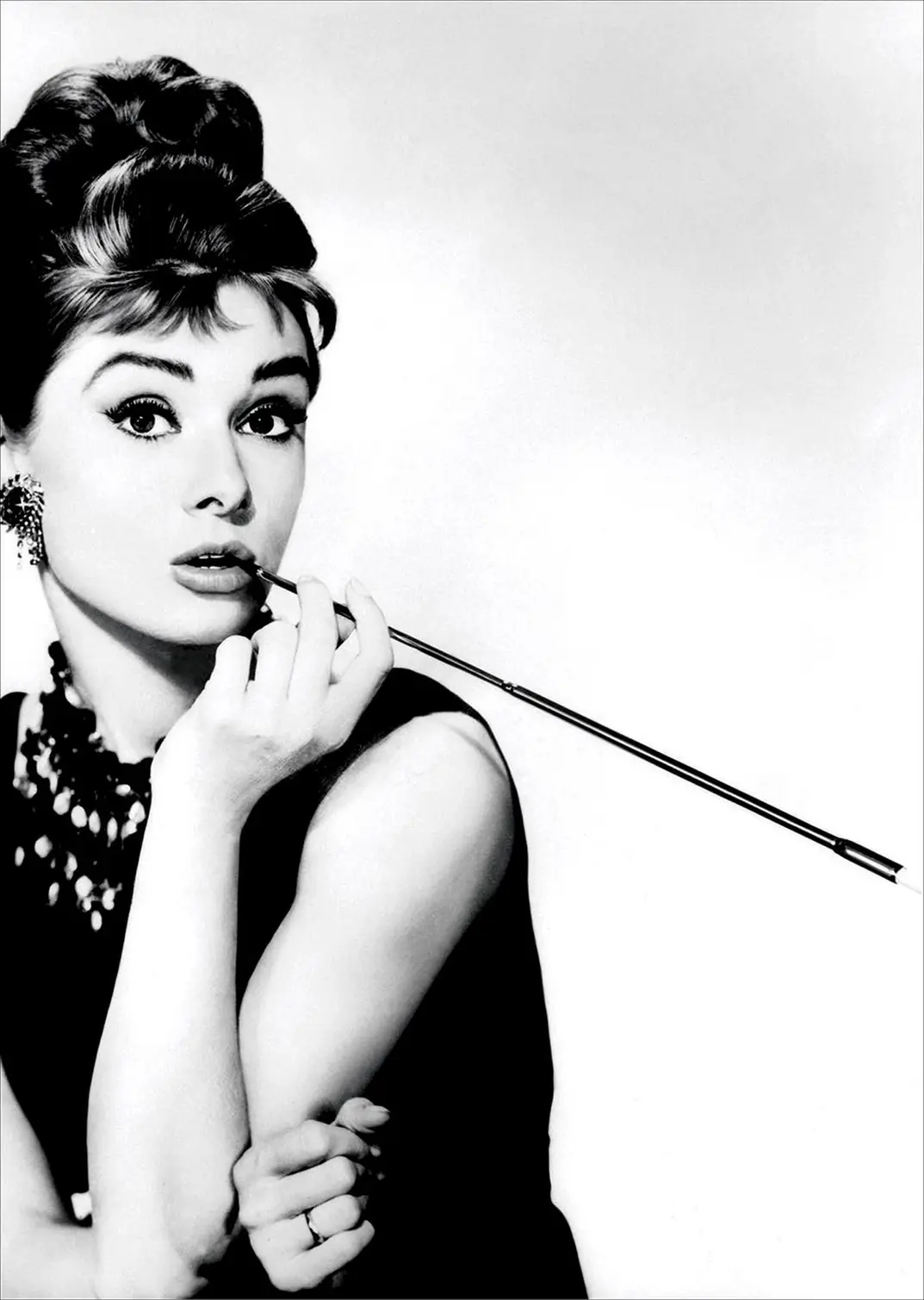
Looking back at the 1950s, the golden age of classic romance films, one sees fashion stepping out of the wardrobe and into the plot. When Audrey Hepburn appeared in Breakfast at Tiffany’s (1961), the Givenchy little black dress was not merely a costume choice. It became an icon of character - the romantic loneliness, the elegance tinged with rebellion of Holly Golightly. That was the moment fashion in movies stopped serving the character and began to define the character. The world didn’t just love her; it longed to be her, through that very dress.
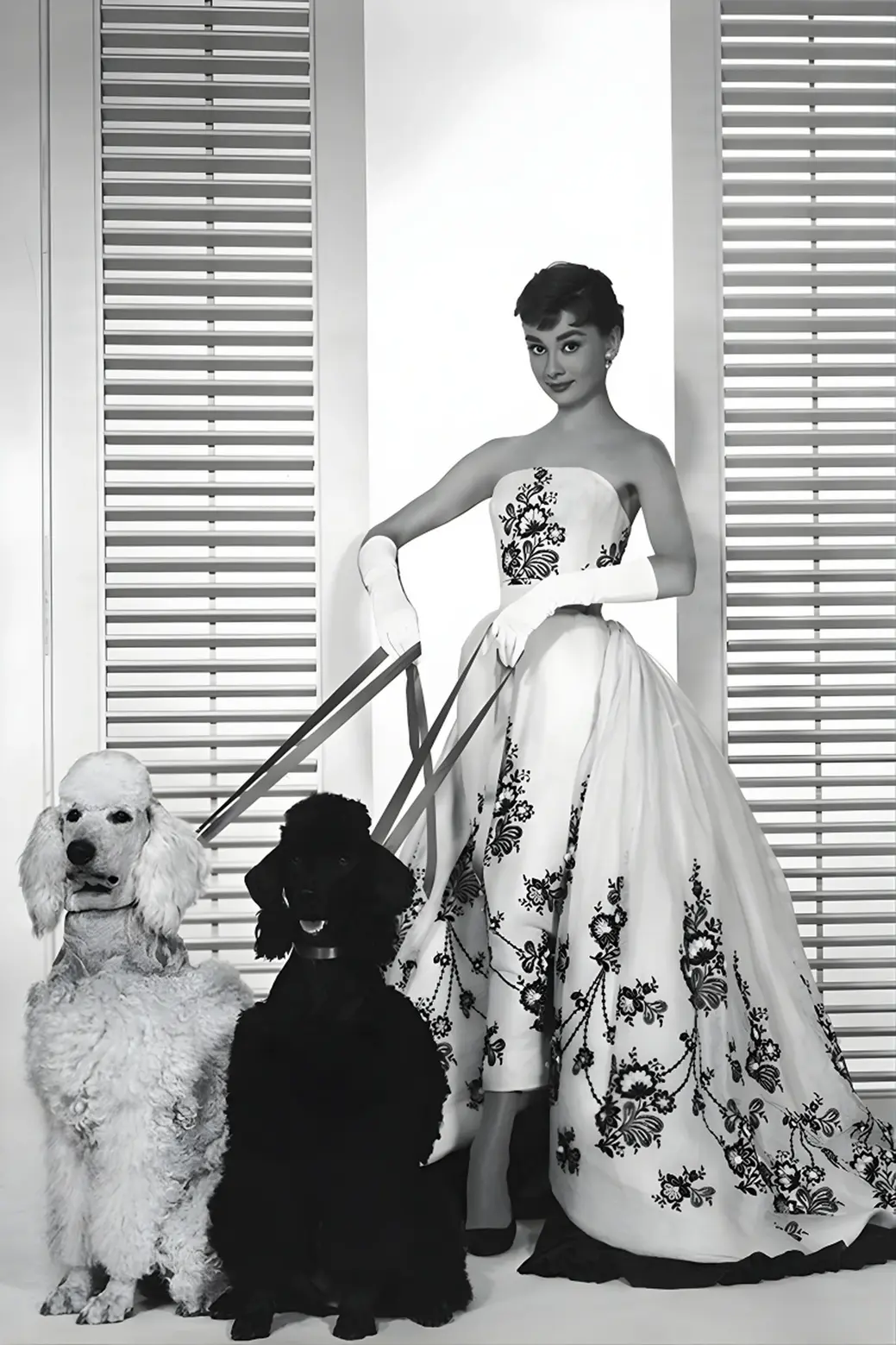
But the deeper story lies in the symbiotic relationship between star and designer. Audrey Hepburn once confessed, “Only Givenchy’s designs make me feel like myself. He creates character.” This bond was not transactional but a creative dialogue. In Sabrina, the exquisitely embroidered white dress she wears to the garden party is living proof. It marks not only Sabrina’s transformation from chauffeur’s daughter to sophisticate but also declares a style philosophy: the power of sophisticated simplicity. Fashion in films, in this case, was the most powerful and beautiful vehicle for social mobility.
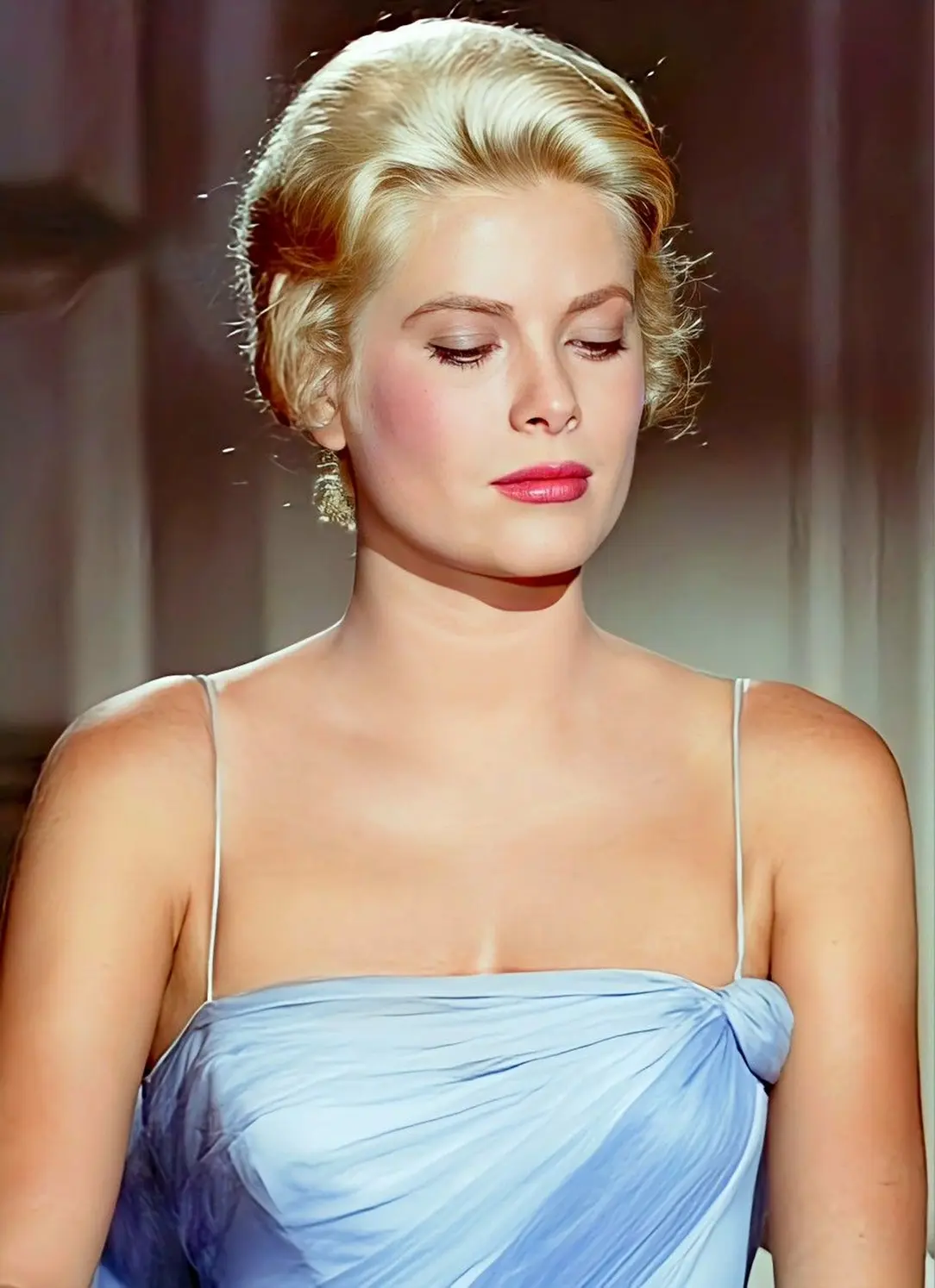
During the same era, another icon, Grace Kelly, brought a different dialect of film fashion language: an aristocratic beauty that didn’t need to shout. In Hitchcock’s To Catch a Thief, she required no glittering jewels. Her power and allure came from a blue-silver chiffon cocktail dress, from the impeccable cut reflecting the spirit of Christian Dior’s The New Look, masterfully interpreted by legendary costume designer Edith Head. It was a lesson in quiet pride, where material and silhouette said everything.
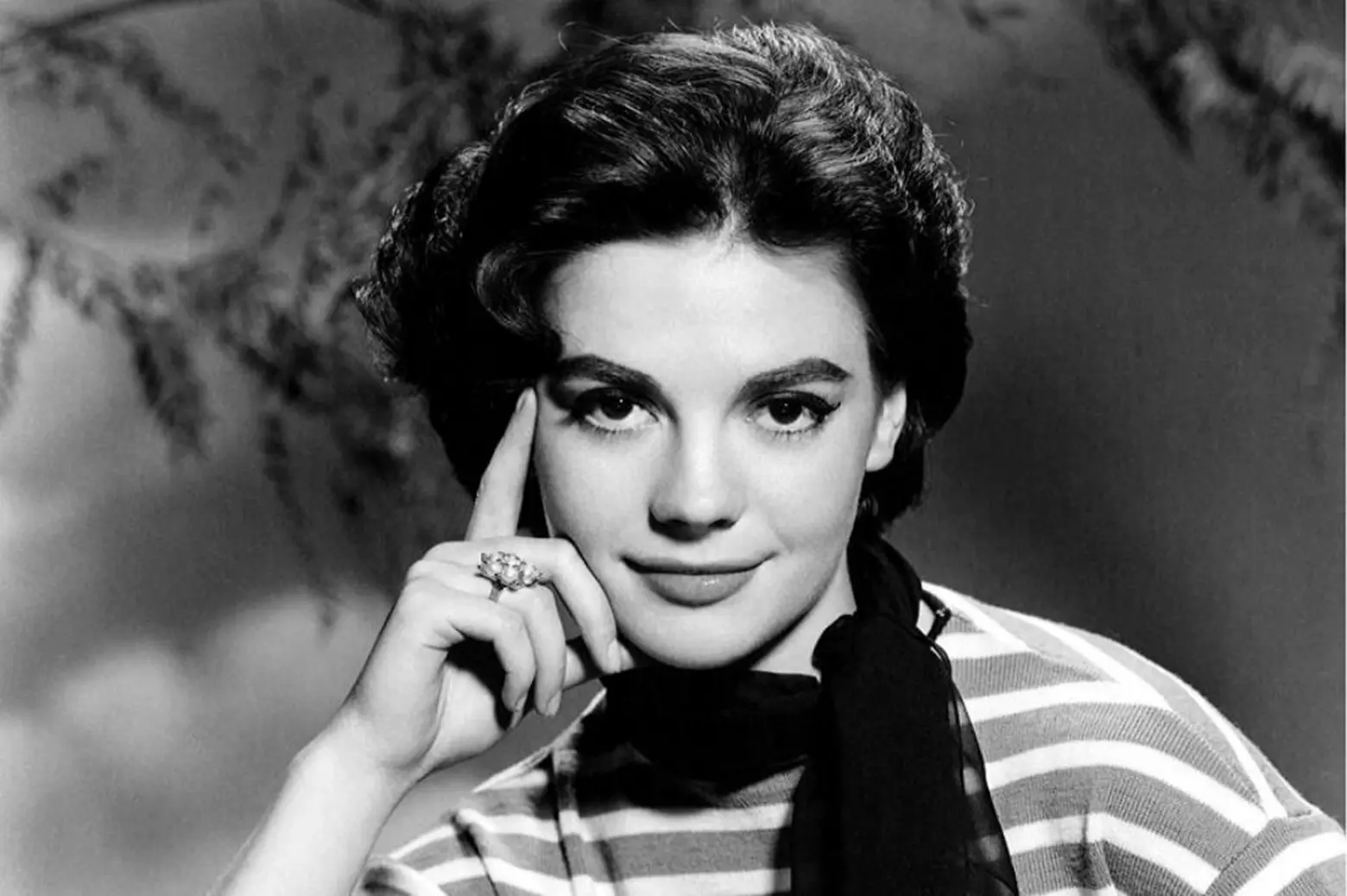
Yet, behind these perfect images lay tense creative debates. Film history records disagreements between Parisian couturiers and Hollywood’s costume designers. Edith Head, then a pillar of Paramount, had to mediate between Givenchy’s vision for Sabrina and the practical demands of the set. Coco Chanel outright refused to collaborate with Gloria Swanson over aesthetic differences. These conflicts reveal a fascinating truth: fashion in cinema has never been a pure realm of beauty. It is a battleground for artistic egos, a negotiation between personal vision and collective storytelling. The beauty that ultimately prevailed was often the result of a delicate compromise.
So why do these costumes from over half a century ago still enchant us? Perhaps because they speak to us in a timeless language: the language of emotion. Hepburn’s black speaks of freedom and urban loneliness. Sabrina’s white speaks of rebirth and hope. Kelly’s silver - blue speaks of status and restraint. The best fashion in romance films does not strive to set trends; it strives to clarify the heart. It turns fabric into poetry, seams into rhythm, and the wearer into a character in a story everyone wishes to live.
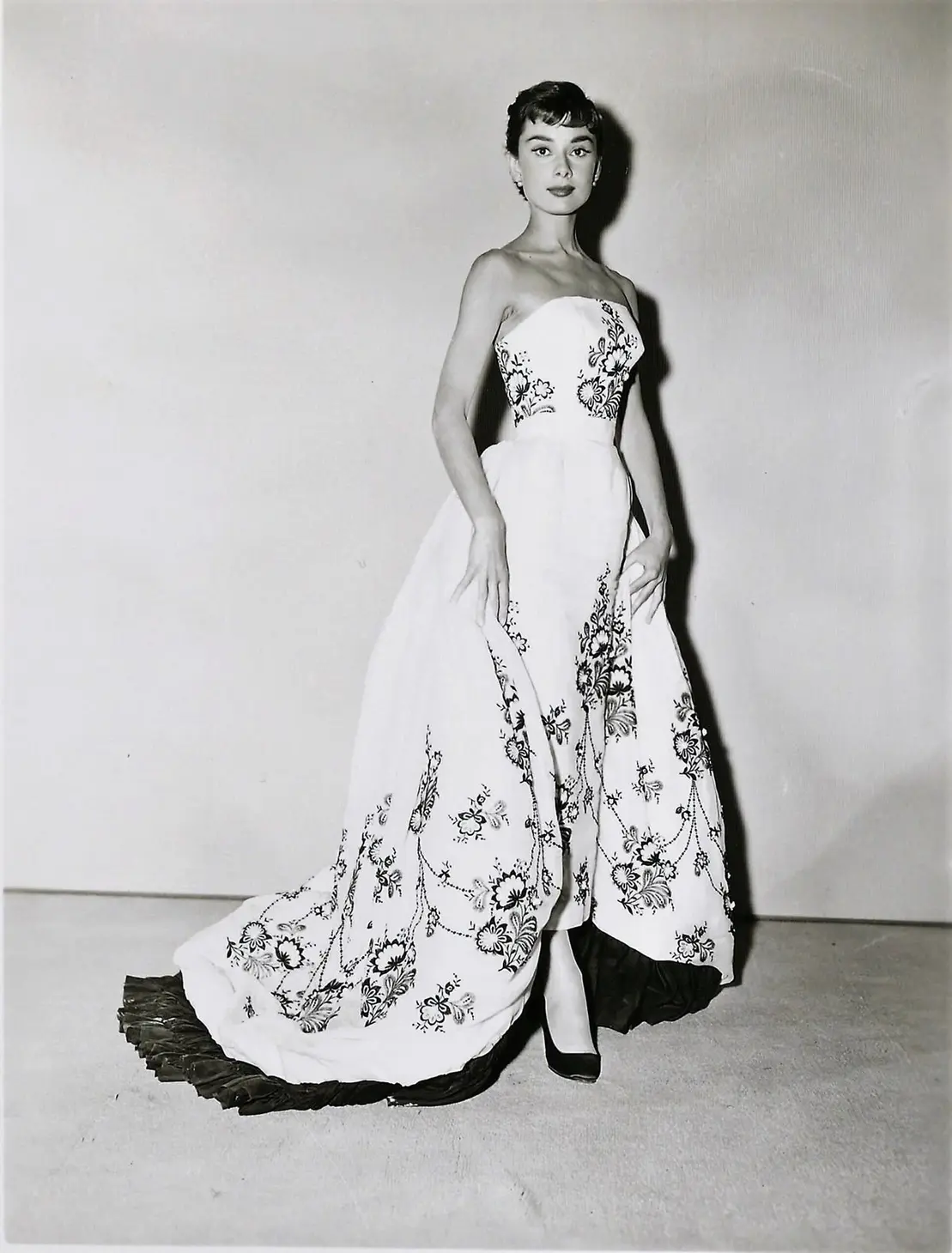
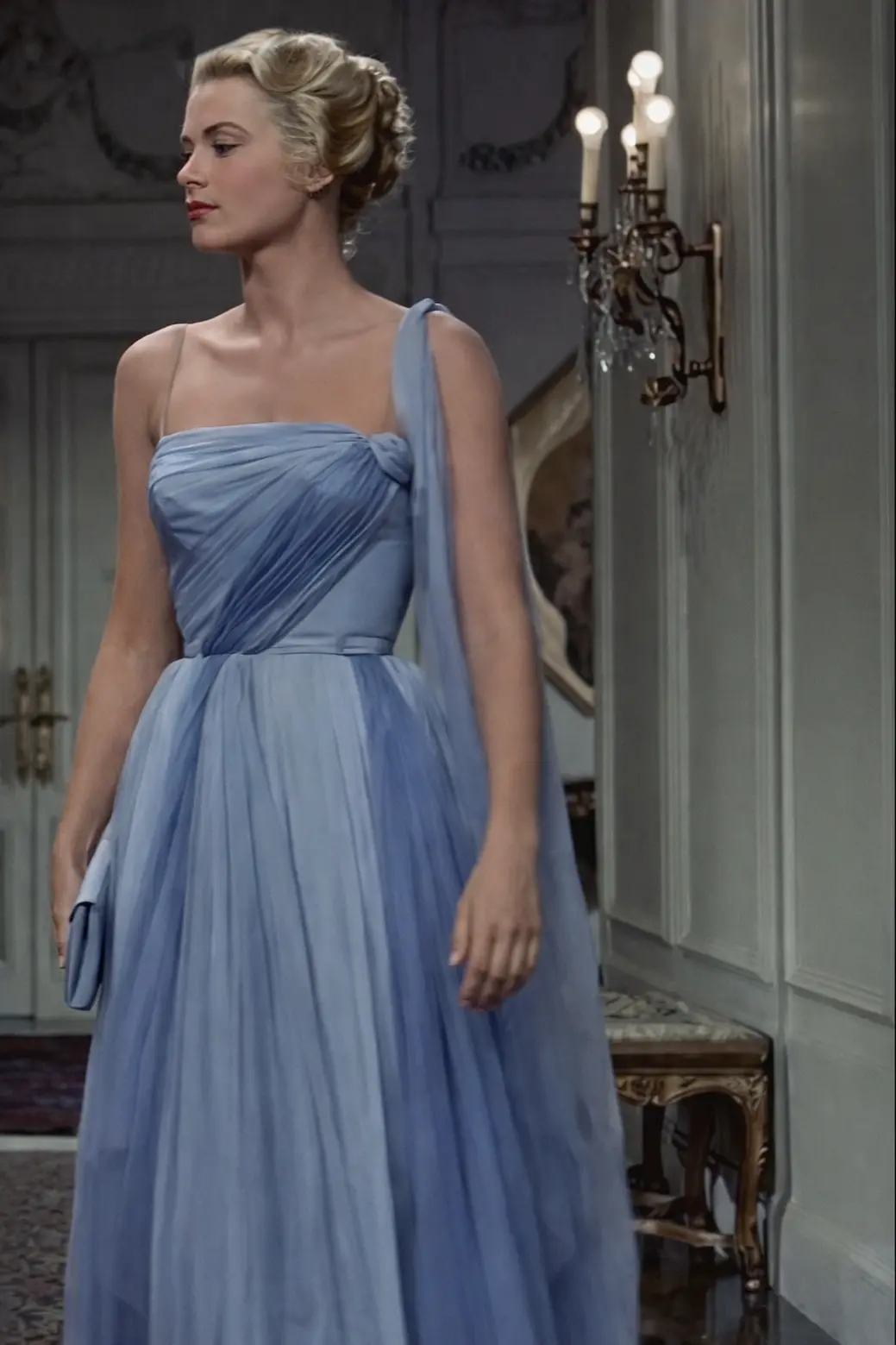
When the screen fades, the plot may blur, but the image of a woman in a beautiful dress, moving through the frame like a declaration of love to life itself, remains forever. Fashion in films is the magic of this wordless language: it turns film into memory, and memory into love.
Advertisement