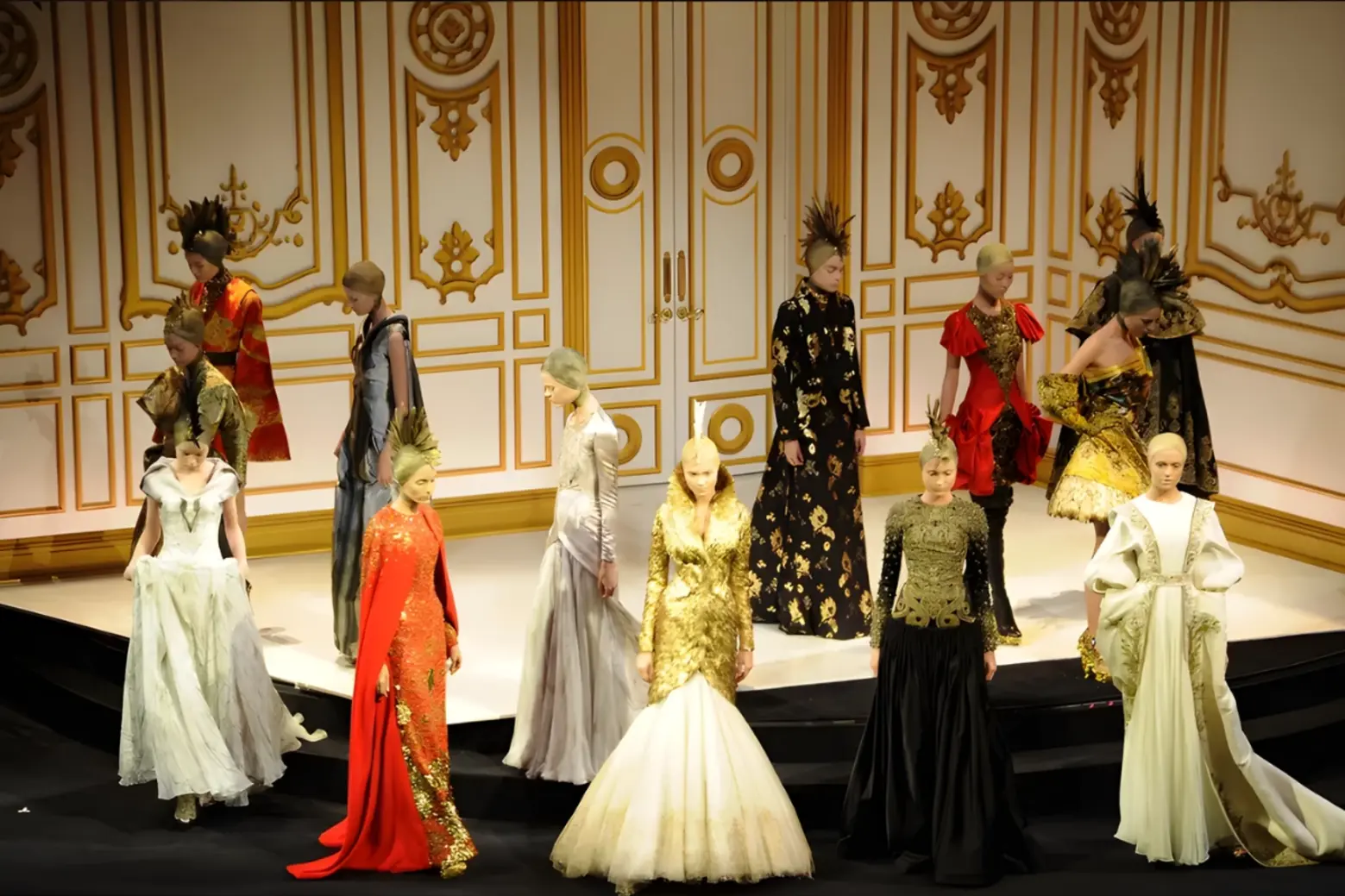
In a small, ornate Paris salon in March 8, 2010, editors and VIPs saw Alexander McQueen’s unfinished final collection unveiled.
Alexander McQueen’s Final Collection Still Echoes Today
In a small, ornate Paris salon in March 8, 2010, editors and VIPs saw Alexander McQueen’s unfinished final collection unveiled.
March 10, 2026


A sharp contrast to his usual pyrotechnic shows, this intimate presentation blended dark-ages motifs (angels, Byzantine Madonnas) with McQueen’s consummate tailoring. The resulting array of gowns and coats felt both elegiac and triumphant, serving as a graceful farewell to a fashion legend.
Lee Alexander McQueen (1969–2010) earned renown as a fiercely theatrical designer. Critics note his shows were “more than a parade of clothes” – they were performances designed to move audiences. McQueen himself likened his runway productions to theater, famously staging models in padded cells, downpours of paint or water, and even holograms. As his long-time colleague Sarah Burton observed, “whether you liked it or hated it, he really wanted you to feel something”. By 2009, his haute-fashion shows (e.g. the live-streamed Plato’s Atlantis) embraced digital prints and futuristic themes. This bravura style defined McQueen’s signature.
The Sacred Finale and Byzantine Craftsmanship of Alexander McQueen
The Fall/Winter 2010-2011 collection served as a hauntingly beautiful farewell, presented just weeks after Alexander McQueen’s death. Departing from the high-octane techno-futurism of his previous work, Sarah Burton and the design team showcased 16 nearly-finished looks in a grand Paris drawing room rather than a chaotic runway. Only 70 top editors and executives attended the event, where the atmosphere remained one of intense reverence and hushed silence. Every piece in the collection had been hand-cut by McQueen himself before his passing, lending an incredibly personal weight to the garments. A poignant design note left for the guests simply stated that each piece was unique, much like the designer himself.
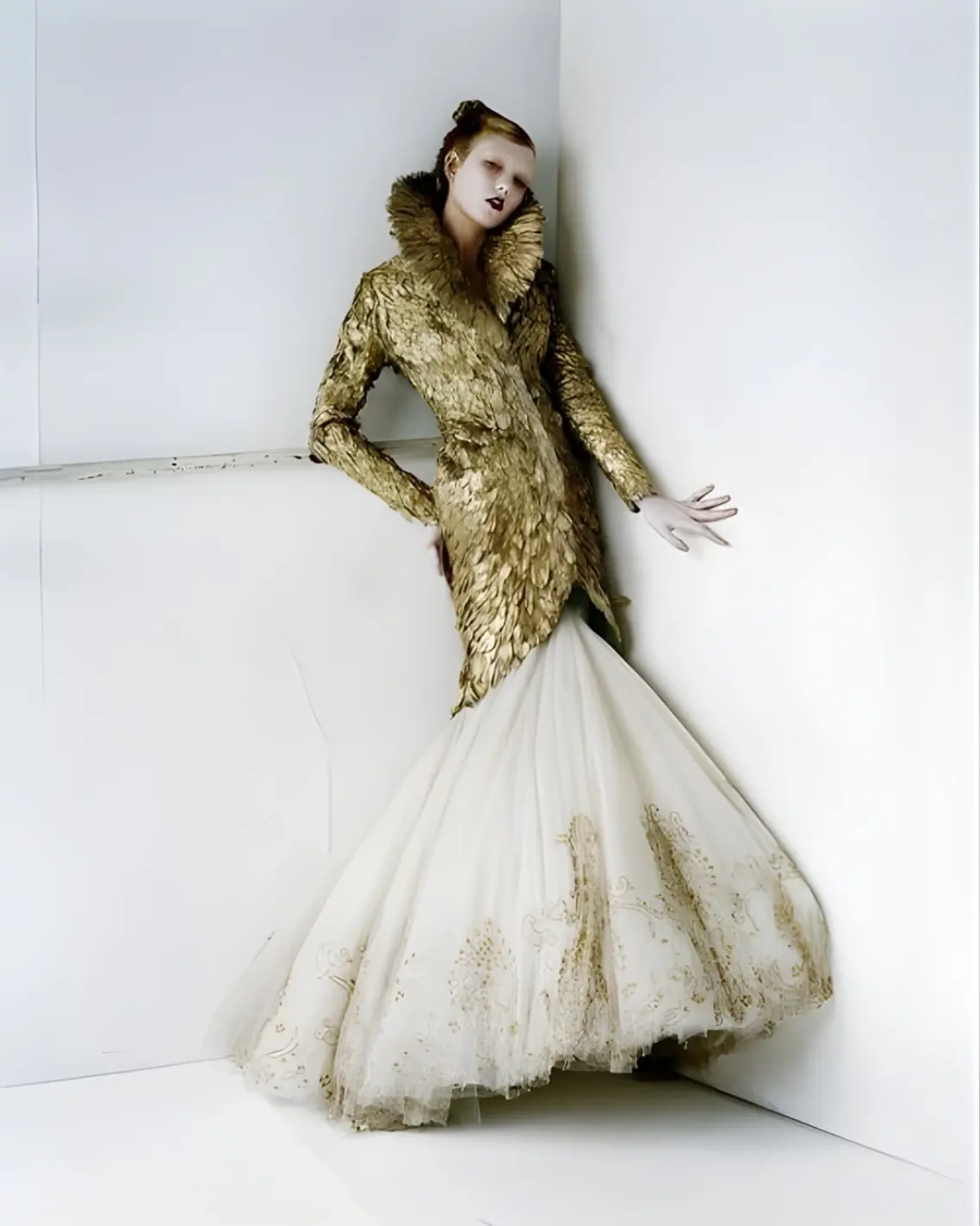
McQueen turned his back on the digital world for this final vision, seeking light and beauty within the art of the Dark Ages. The collection became a rich tapestry of religious iconography, featuring digital jacquards of Renaissance paintings and Bosch demons woven directly into the fabrics. Sculptural grandeur defined the silhouettes, from gold-feathered coats inspired by Grinling Gibbons’s woodcarvings to pale chiffon dresses printed with angelic faces and Byzantine empress motifs. By fusing his signature sharp tailoring with the calm grace of medieval Madonnas, McQueen created a "Grail-like" aesthetic that moved away from provocation and toward a sense of eternal, spiritual artistry.
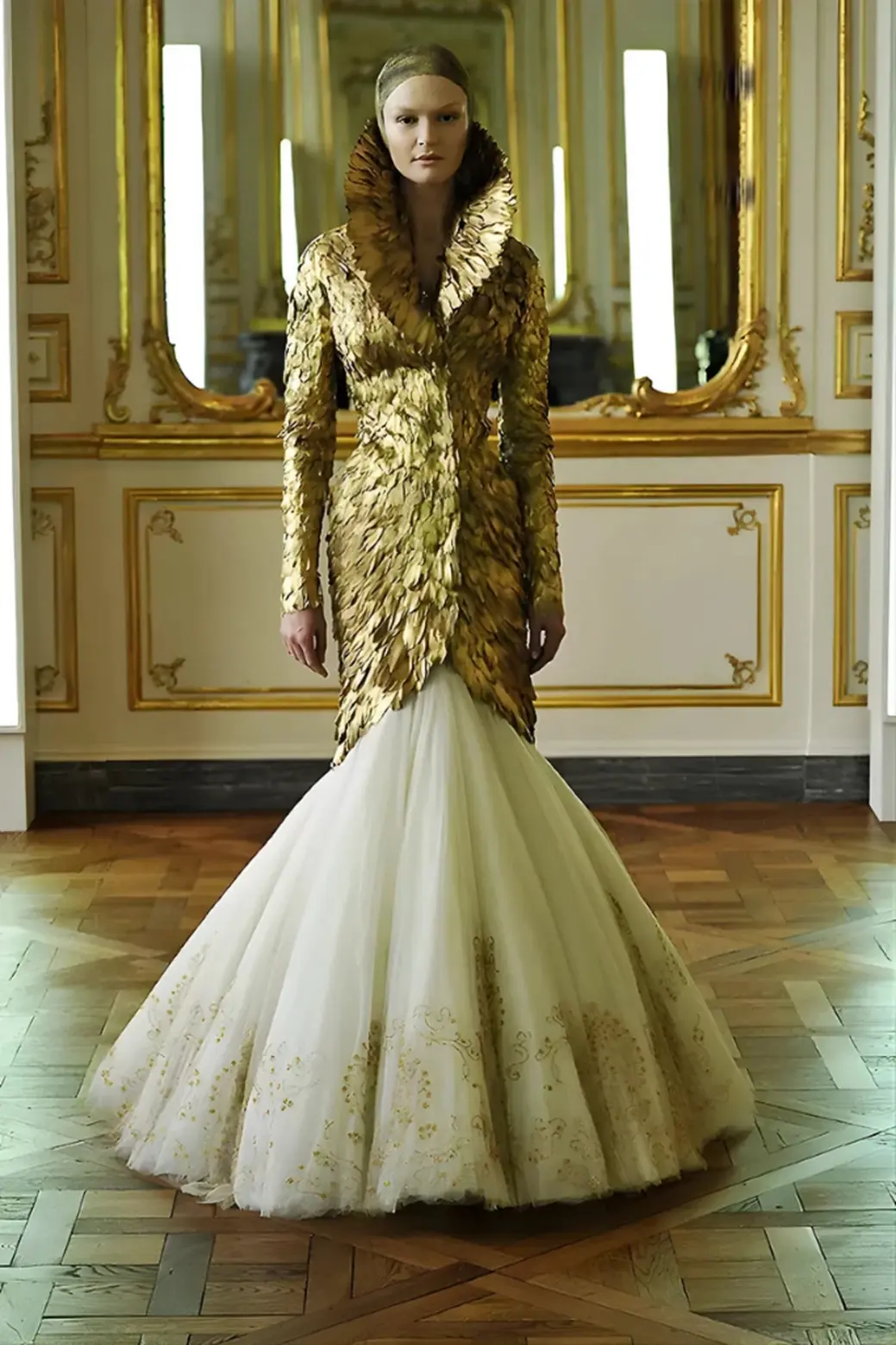
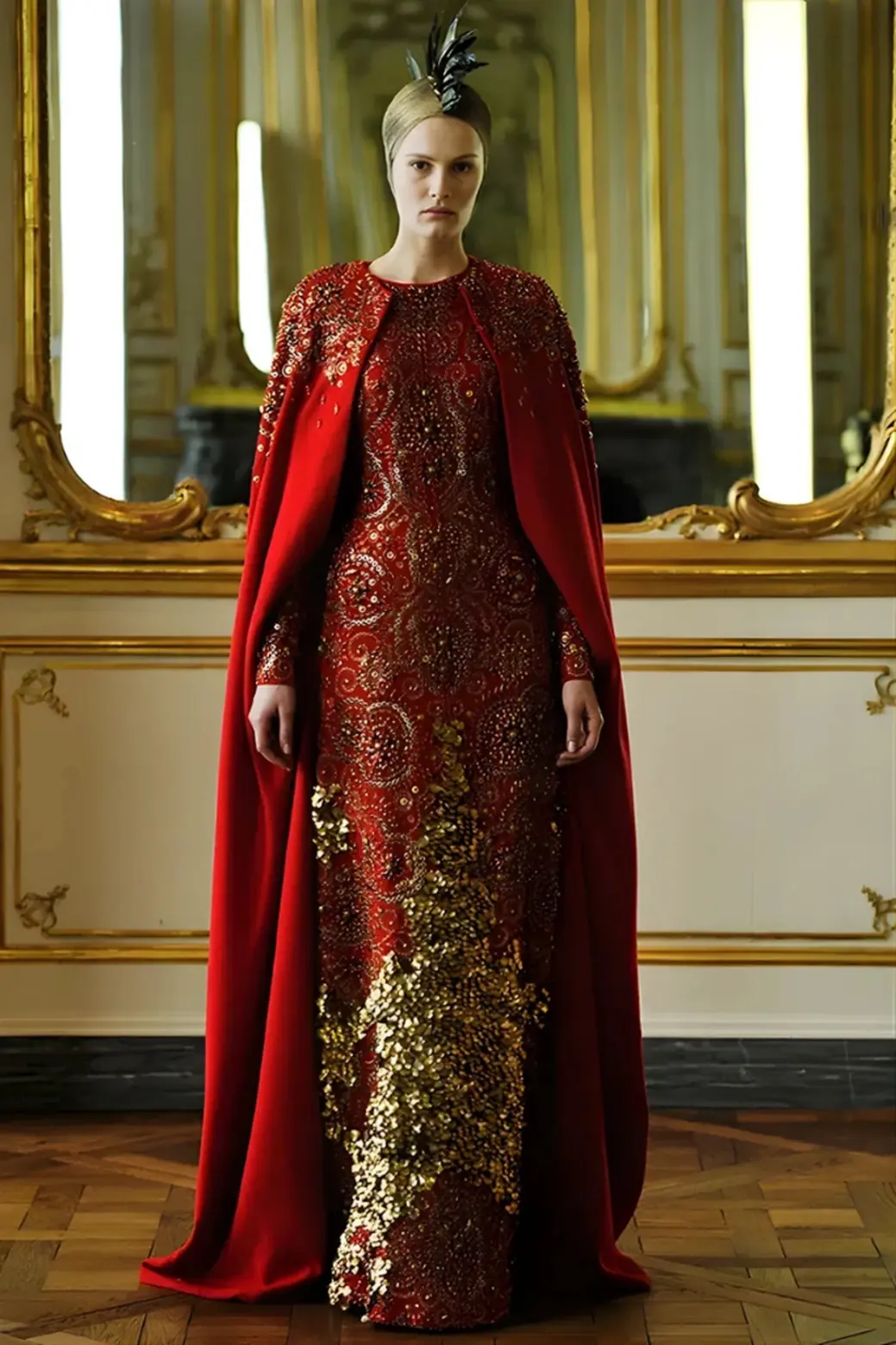
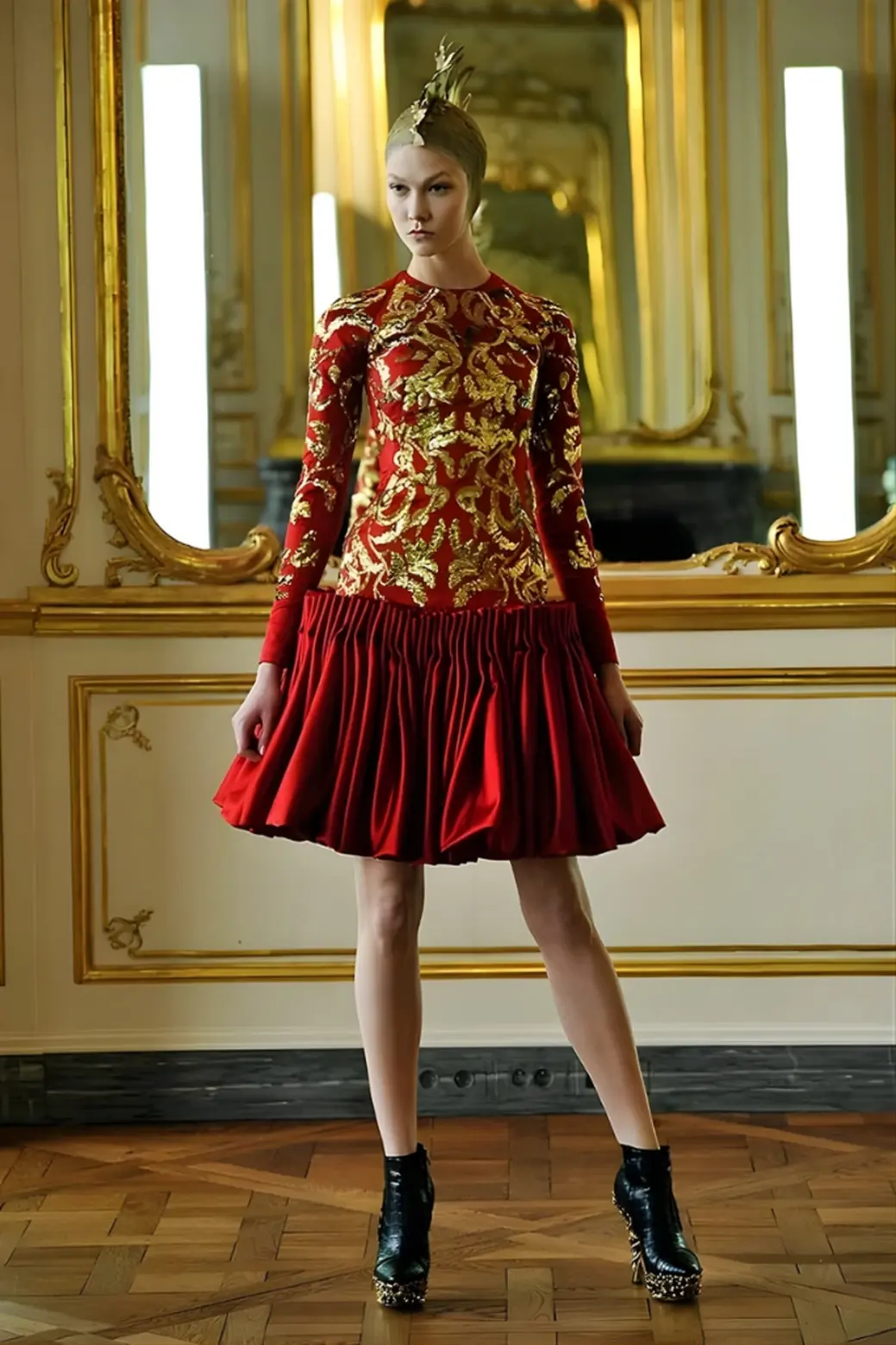
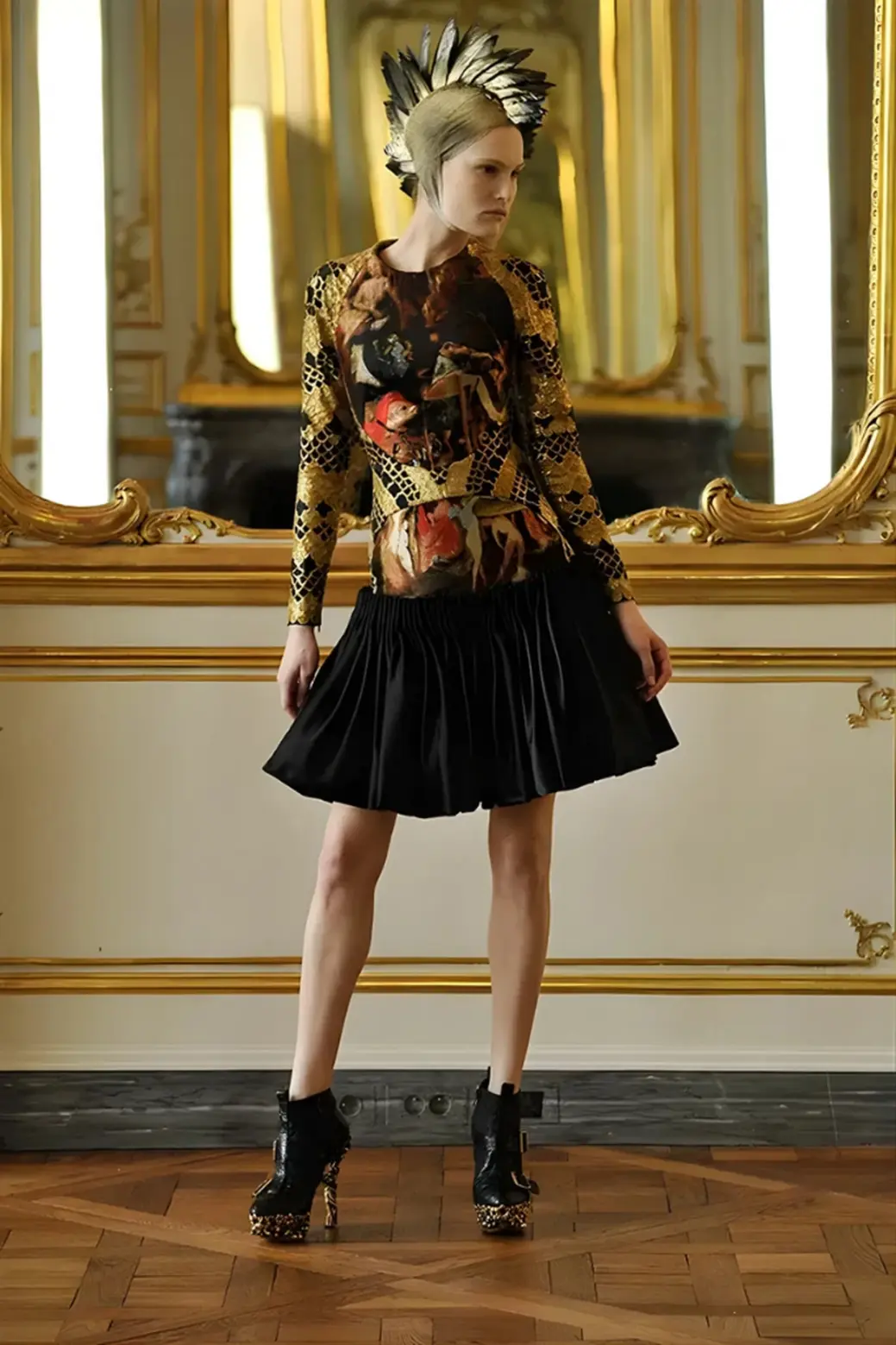
The reception of the collection was a mix of awe and profound sadness. While critics praised the breathtaking craftsmanship and the dense use of iconography, from embroidered acorns to his signature skulls, the mood remained sobering. The work was truly spectacular, but the fashion world was acutely aware of the bleak reality of its creator's absence. McQueen’s team expressed a simple, poignant goal: “We just wanted to do Lee proud.” By the time the final look, a symbol of angelic beauty passed through the room, the silence of the audience was broken only by the applause of the staff backstage. It was more than a runway show; it was a closing chapter that proved much of McQueen's greatest beauty had often come from so much pain.
Beyond a mere runway show, this final vision serves as a sacred, hushed eulogy that immortalizes the "Grail-like" beauty and unparalleled craftsmanship of Alexander McQueen. By intertwining the ethereal grace of Byzantine motifs with the weight of historical art, the collection goes beyond fashion to create an eternal cultural legacy. Ultimately, this intimate presentation remains a tragic masterpiece, guaranteeing that Alexander McQueen's miraculous creativity lives on as a last chapter of pure, sublime beauty.