MENU
Close





On January 19, 2026, Valentino Garavani died in Rome at 93, closing the life story behind one of fashion’s most enduring signatures: Roman ceremony, couture discipline, and Valentino Red.
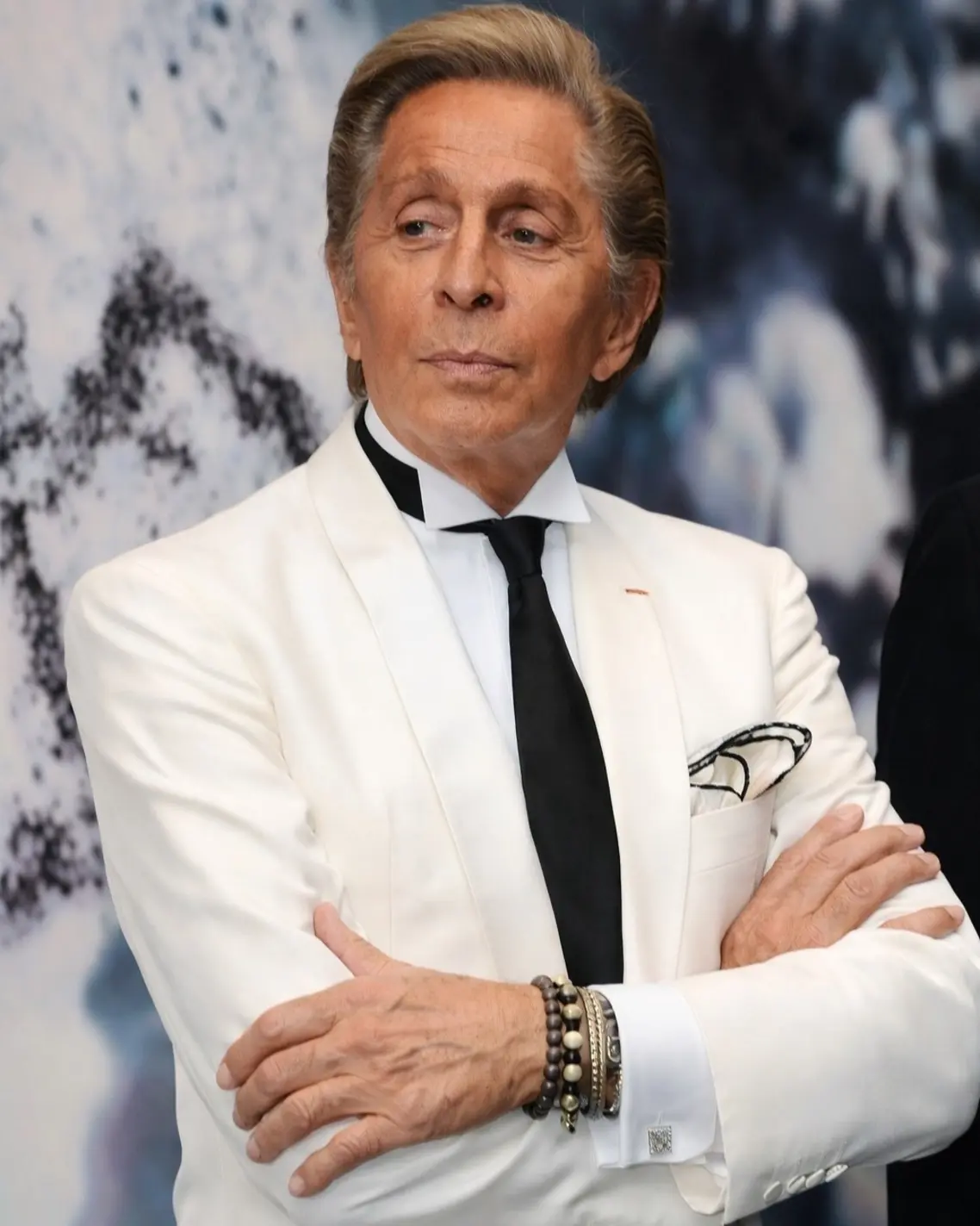
On January 19, 2026, Valentino Garavani died in Rome at 93, closing the life story behind one of fashion’s most enduring signatures: Roman ceremony, couture discipline, and Valentino Red.
January 20, 2026


Valentino passed away at his home in Rome, according to announcements carried by major outlets and reporting citing the Valentino Garavani and Giancarlo Giammetti Foundation. Public rites were scheduled with a lying in state on January 21–22 at PM23, Piazza Mignanelli 23, followed by a funeral on January 23 at Basilica of Santa Maria degli Angeli e dei Martiri at 11:00 a.m
Valentino was born in 1932 in Italy and trained in Paris before returning to build his house in Rome, with widely cited timelines placing the launch around 1960. A pivotal early moment often referenced in retrospectives is his acclaimed all-white collection in 1962, which sharpened his international profile and announced a designer with a distinct command of purity, proportion, and occasion.
His runway farewell arrived in 2007, marking the close of his active era as a working couturier and cementing a legacy that later audiences experienced again through the documentary Valentino: The Last Emperor.
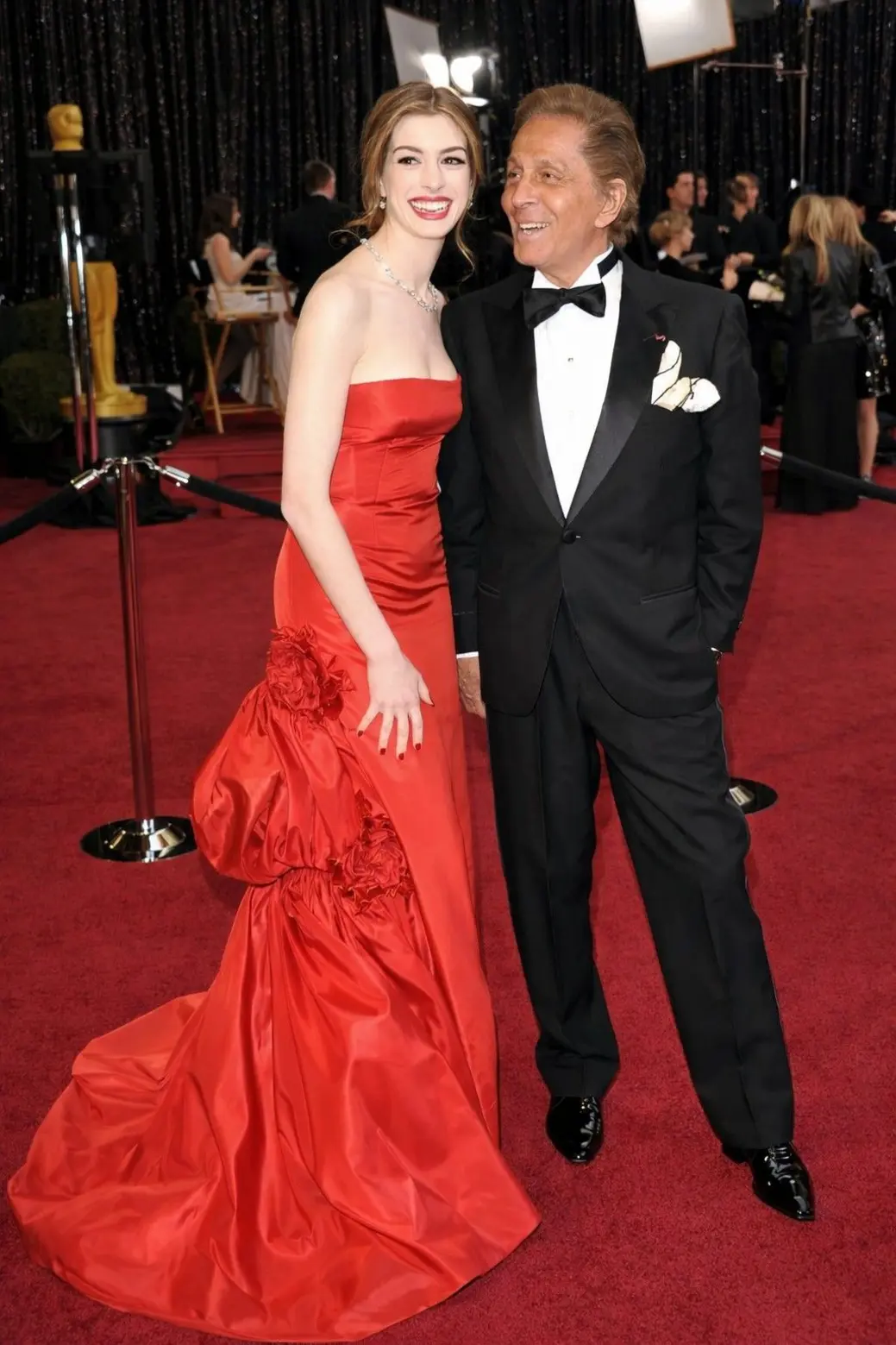
Valentino’s impact sits beyond the runway, because he built a complete visual language for modern luxury: the gown as ceremony, the atelier as discipline, and glamour as a kind of social architecture. In an industry that often runs on acceleration, his work represented a slower authority, precision that reads from a distance and rewards proximity through finish, line, and restraint.
This moment matters because his career helped set the template for what “occasion dressing” means in the contemporary imagination. The silhouette, the color story, the way a neckline frames the face under flash, these ideas became part of the cultural operating system of red-carpet fashion, long after individual seasons moved on.
Rome remained Valentino’s frame, and the memorial schedule reinforced that bond with particular clarity. The choice of Piazza Mignanelli 23 (PM23) for the lying in state reads like an intentional final address: a civic space where fashion, art, and the city’s ceremonial rhythm converge, aligned with the Foundation’s cultural mission.
In Valentino’s universe, “Roman” never meant costume; it meant proportion, grandeur, and light. The city’s stone discipline became a couture discipline: structure that holds emotion, and ornament that serves the whole. His Rome feels present in the way his gowns carried a sense of entry, how a woman appears, pauses, and takes up space with inevitability.
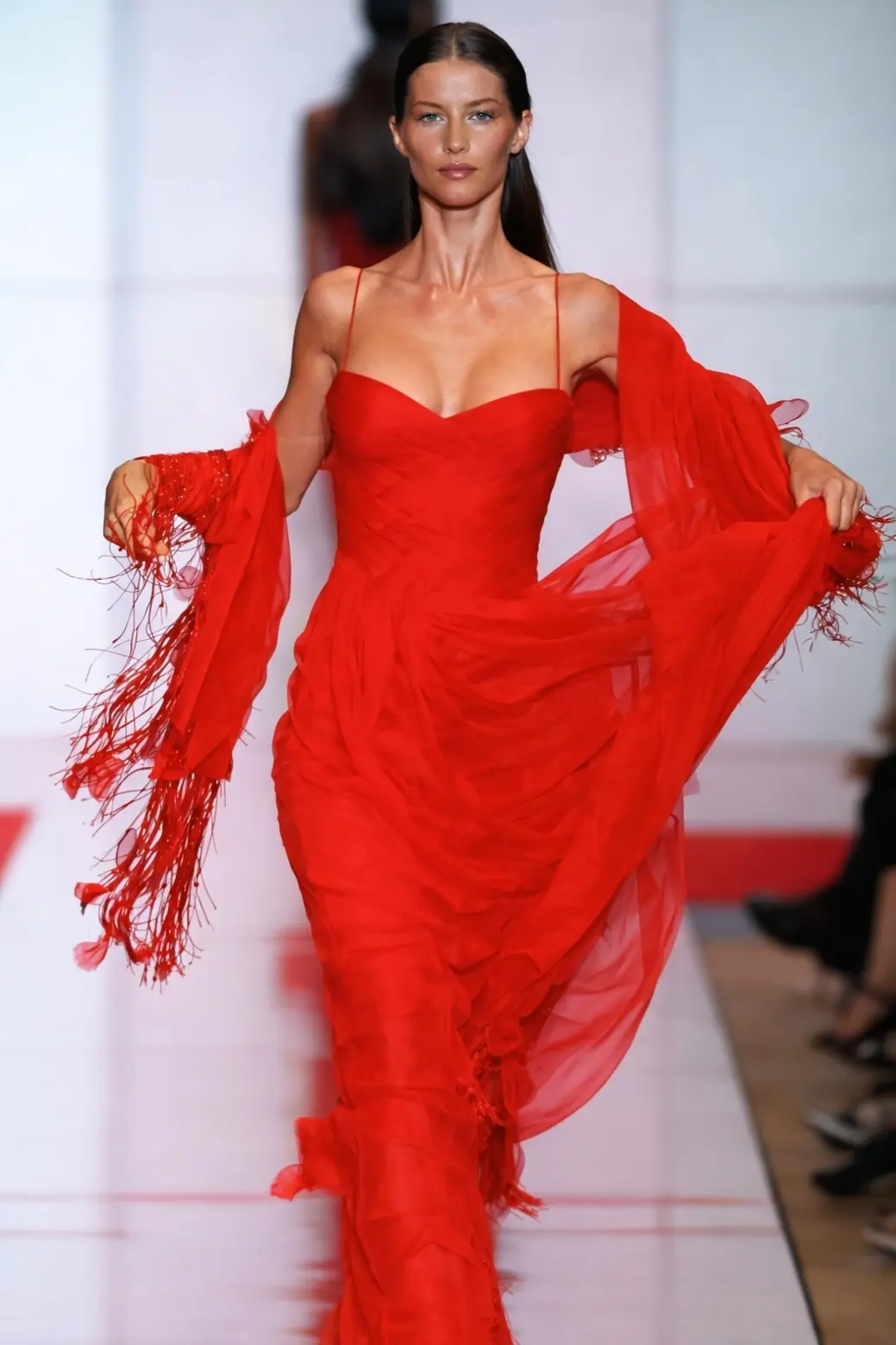
Valentino Red became more than a shade; it became a signal. It reads as confident under daylight, theatrical under spotlight, and almost ceremonial under candlelit interiors, an instant message of presence that carries both romance and command. The color’s cultural power rests in its consistency: it feels like a signature rather than a trend, a doctrine rather than a mood.
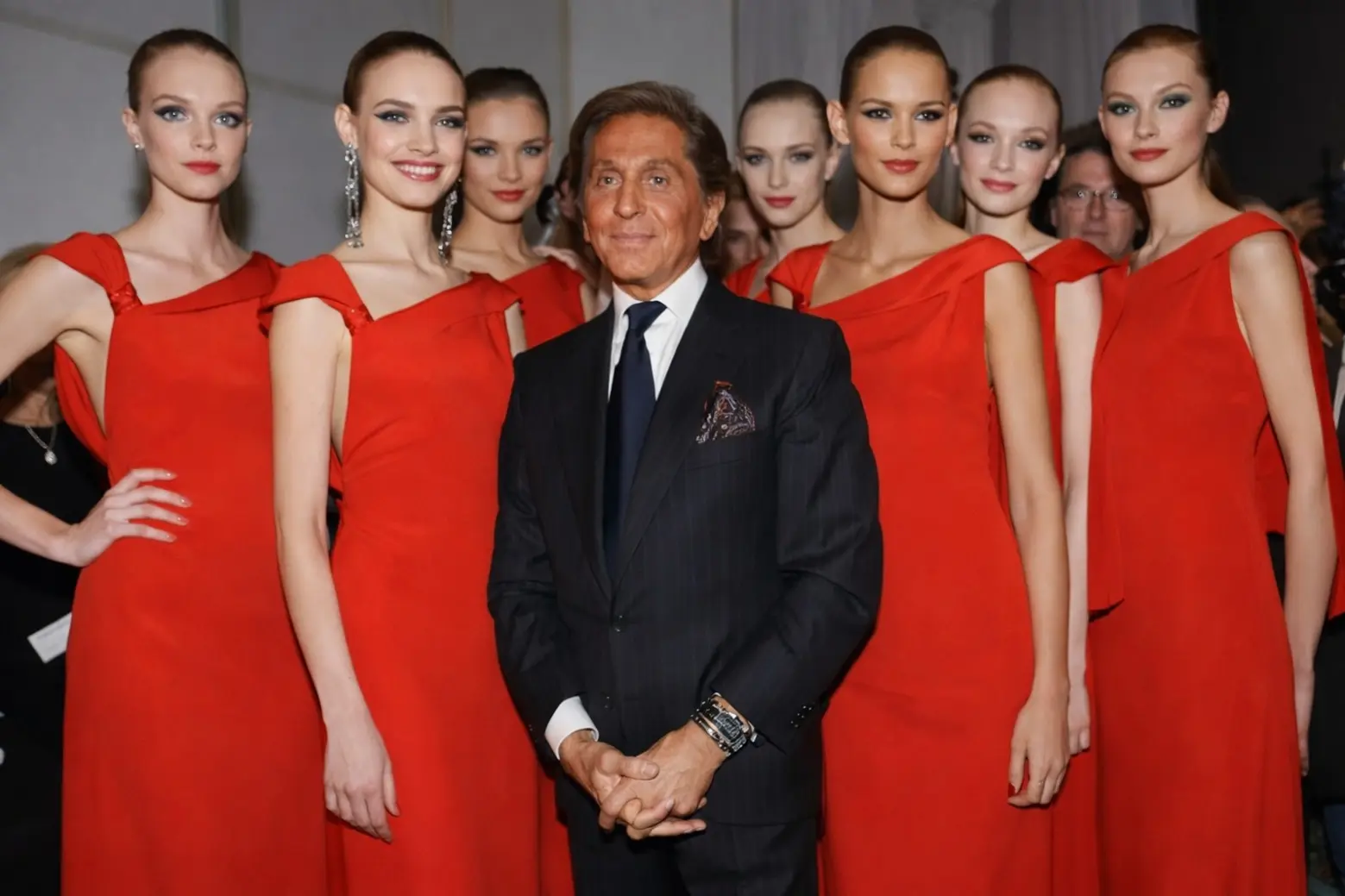
Beyond Valentino Red, there is a precise Valentino code you can recognize on sight: clean, sculptural lines supported by couture construction, with controlled glamour that feels calm rather than loud. He built dresses with invisible architecture, inner corsetry, hand-set linings, and perfectly balanced necklines, so the silhouette stays lifted and smooth while the fabric still moves like liquid.
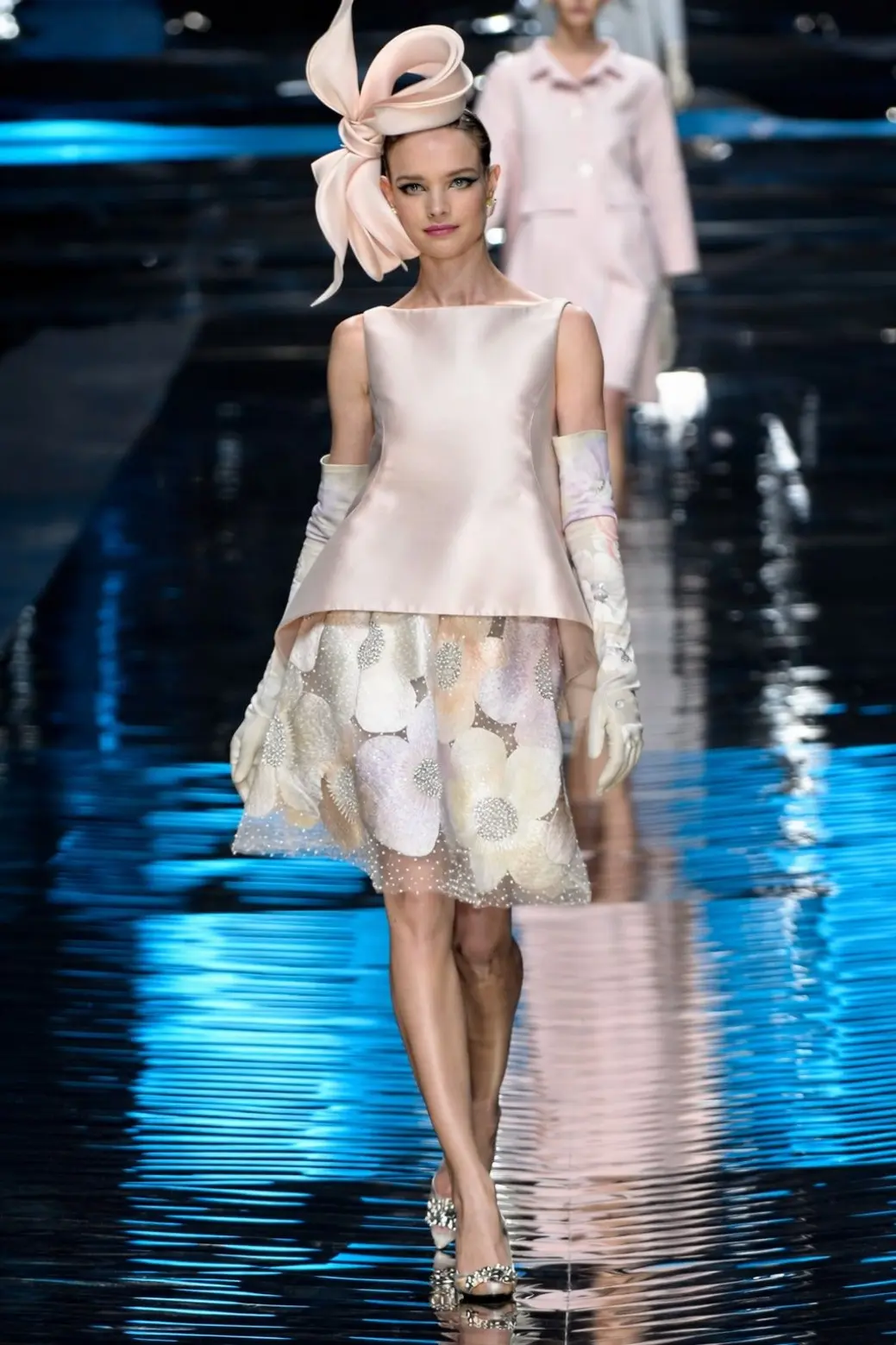
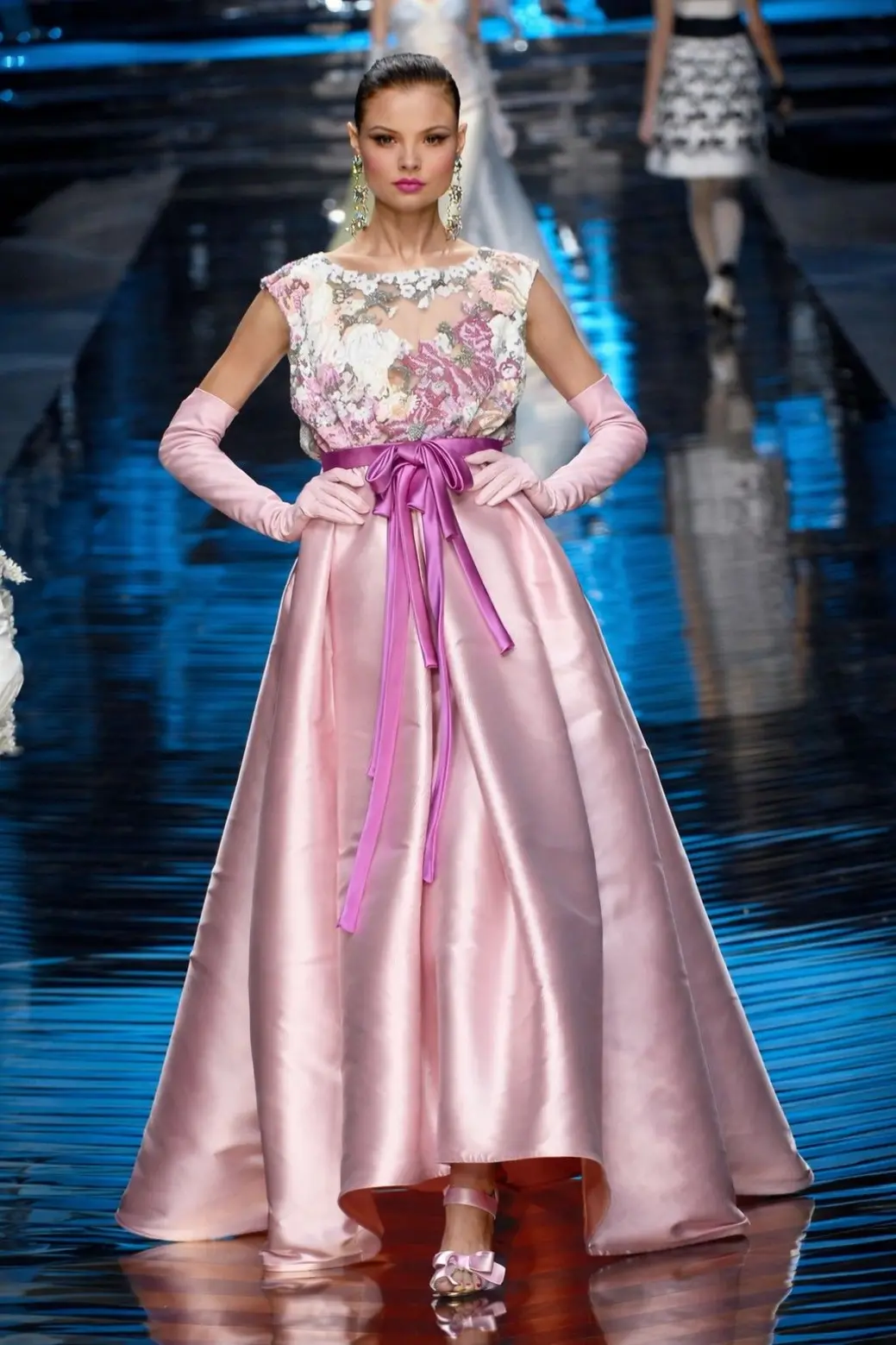
Sensuality comes from how materials behave: chiffon, organza, tulle, and lace are layered to create a soft haze and measured transparency, while draping gathers from the bust or waist and radiates outward, guiding the eye and catching light to elongate the body. Even the sparkle is disciplined: beads, sequins, and embroidery are placed strategically, crowning the shoulders, defining the bodice, or running vertically, so shine reads as structure and intent, delivering authority through craft rather than shock.
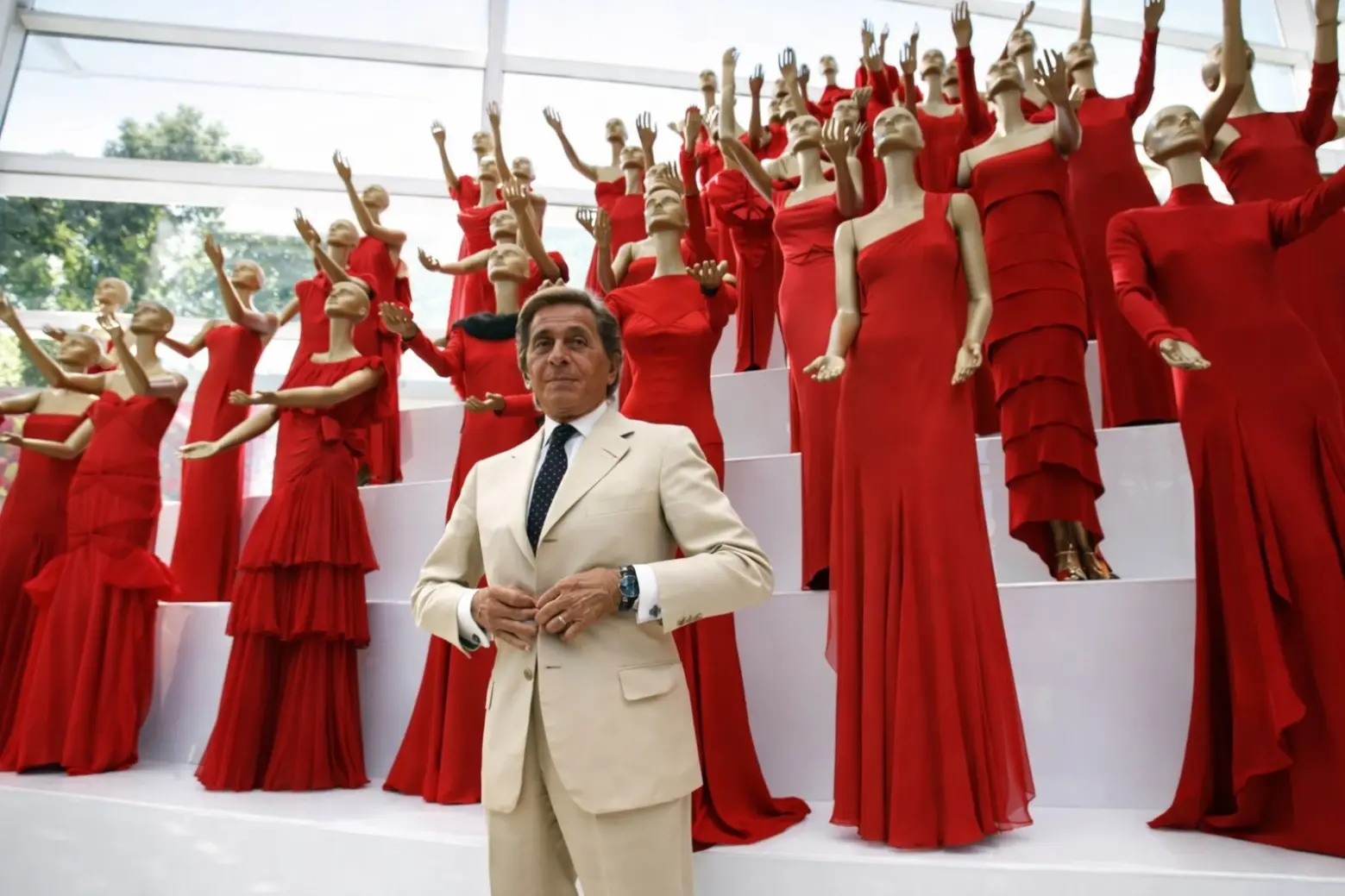
Valentino’s name continues to function like a dress code: an expectation of finish, a devotion to ceremony, and a belief that elegance carries moral weight, how a woman enters a room, how she holds attention, how she leaves an image behind. Even as the fashion house evolves under later leadership, the Valentino imprint persists as a reference point for what couture can mean when it aims for permanence.
Rome, in turn, becomes the final editorial frame. The public rites, Piazza Mignanelli for viewing, the Basilica for farewell, place the end of the story inside the city’s architecture, as if Valentino’s life returns to the exact elements that shaped his aesthetic: stone, proportion, light, and ceremony.