MENU
Close





Explore the rebellion of 1990s fashion: the rise of anti-fashion, minimalist aesthetics, and grunge. Discover how fashion in the 1990s shifted from glamour to simplicity, redefining style forever.
Explore the rebellion of 1990s fashion: the rise of anti-fashion, minimalist aesthetics, and grunge. Discover how fashion in the 1990s shifted from glamour to simplicity, redefining style forever.
January 9, 2026
Advertisement
Advertisement


When discussing the concept of “anti-fashion,” the 1990s' fashion scene stands out as a defining era. This was the decade where a generation pivoted from the opulence of previous years, embracing what was most essential and stripped back. The supermodel phenomenon peaked, and the very essence of style was rewritten. Fashion in the 1990s became a study in contrast, minimalism, and rebellion.
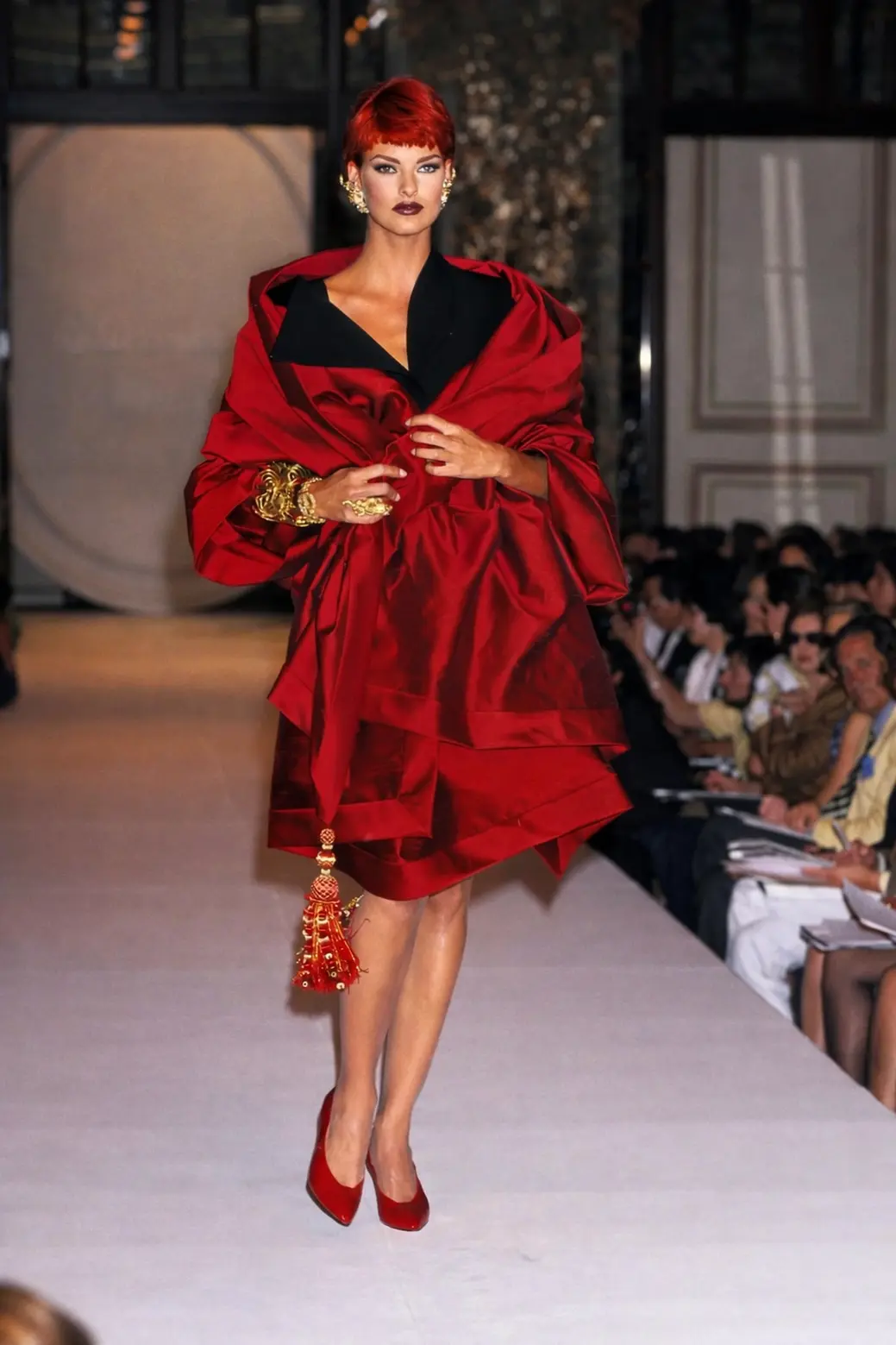
While fashion constantly cycles through historical inspiration - as seen in the 2016 - 17 revival of '70s disco glamour - few periods have returned with the resonance of the 1990s' fashion. This was a decade that temporarily turned its back on fashion itself, creating a compelling narrative of reinvention.
Emerging from the shadows of economic recession and global tension, fashion in the 1990s marked a stark departure from the power-dressing and hedonism of the 1980s. For many in the '90s youth culture, clothing was just one facet of a broader lifestyle, leading to what was widely termed an “anti-fashion” ethos. This mindset shift fundamentally reshaped silhouettes and materials. Although neon hues lingered early on, the core philosophy of 1990s' fashion steadily evolved toward minimalist expression.
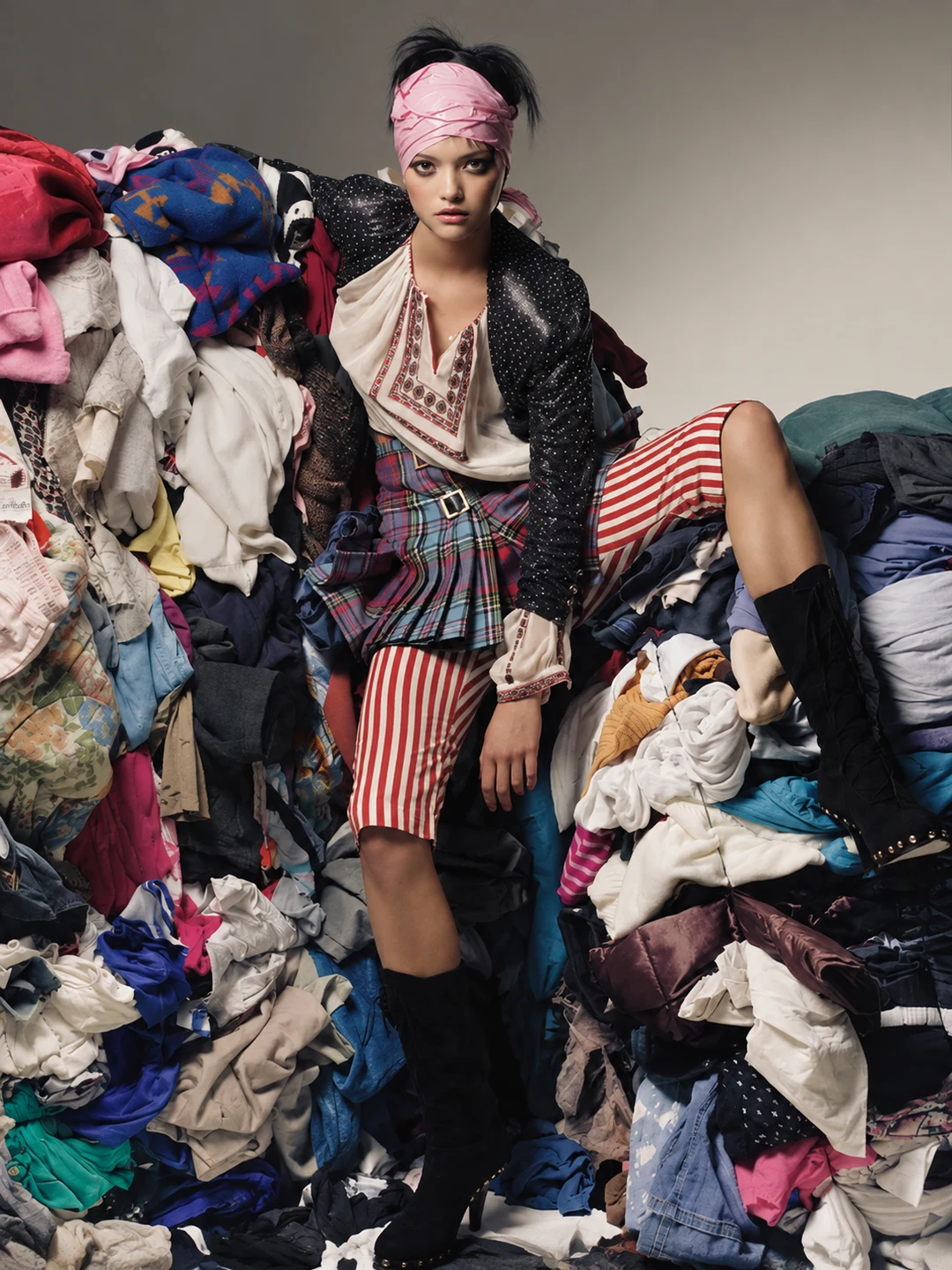
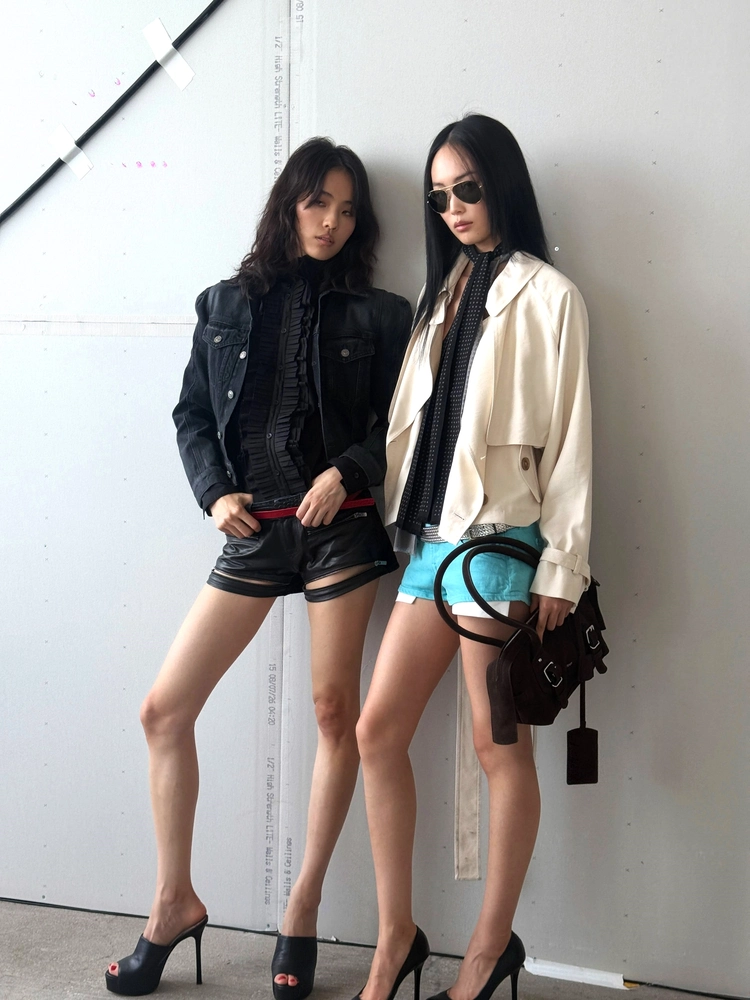
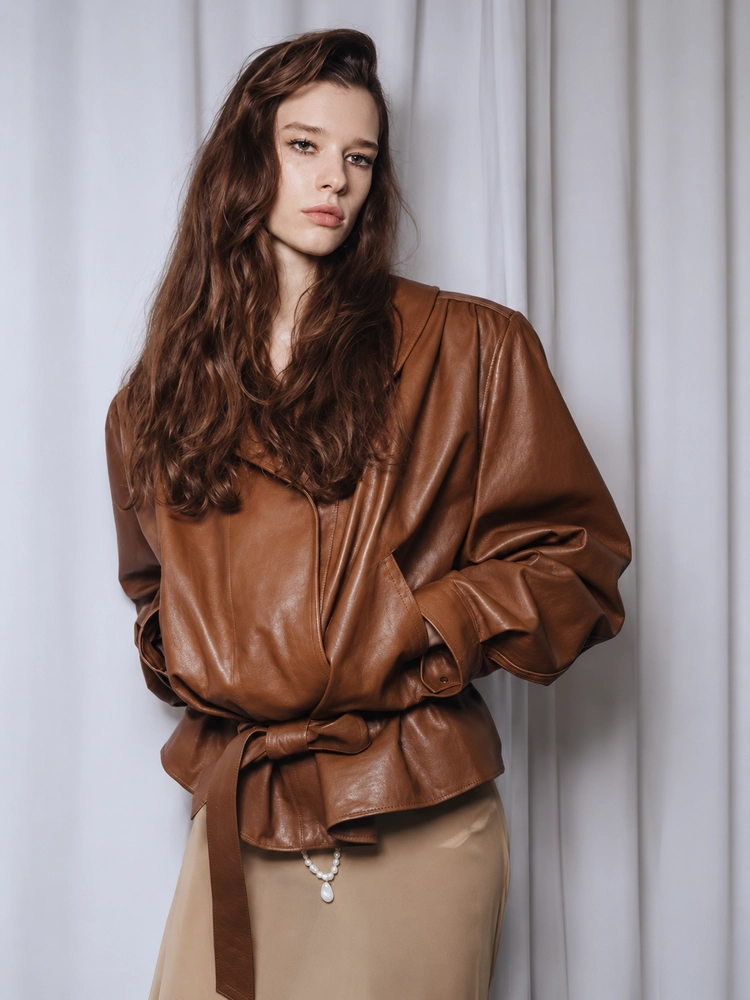
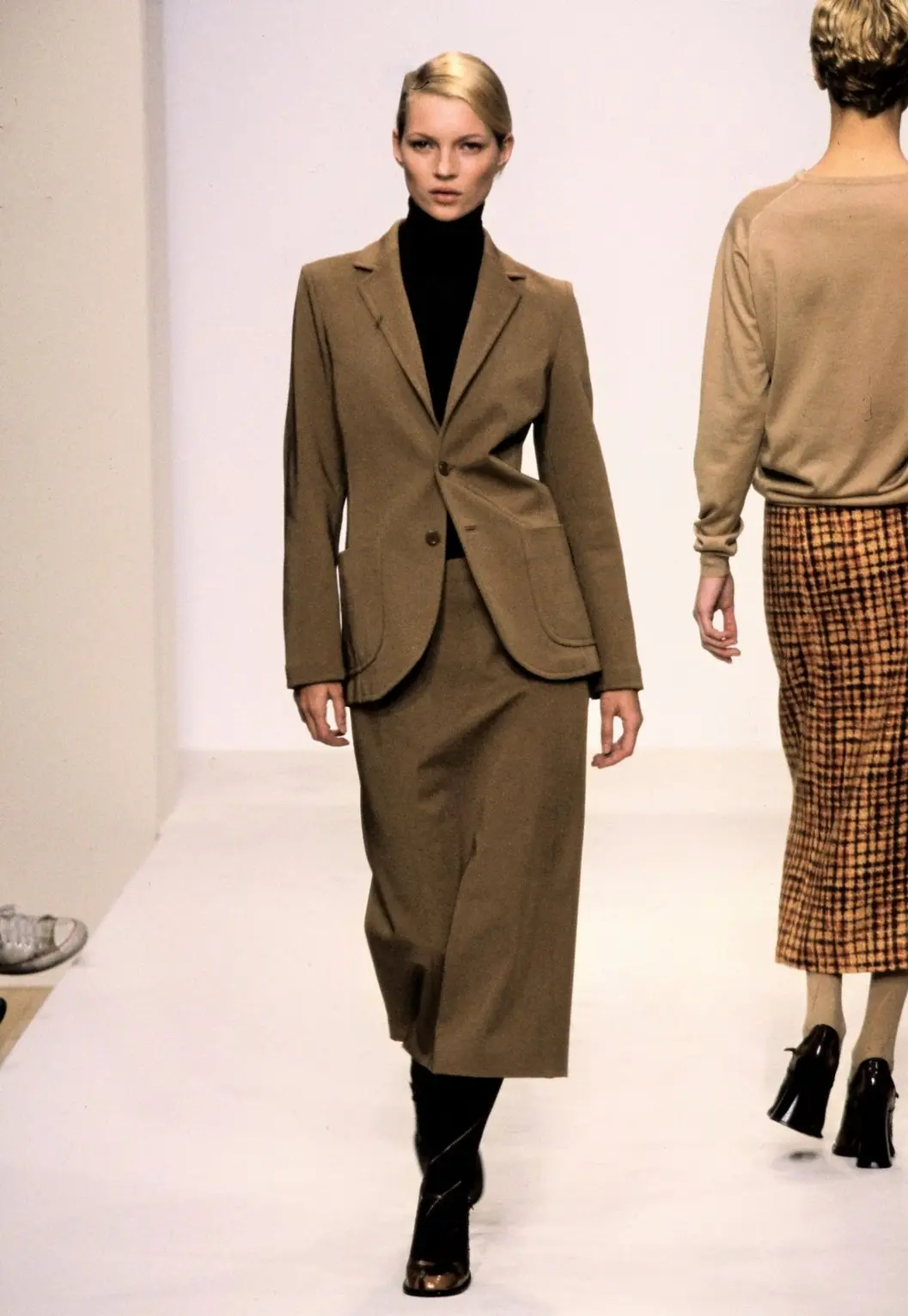
Glamorous outfits were replaced by simple, classic designs. A neutral palette of gray, brown, and beige dominated runways, displacing the bold brights of the prior decade. Cuts became cleaner, more restrained, and body-conscious, reflecting an underlying social somberness. The definitive 1990s' fashion uniform included trench coats, T-shirts, striped sailor tops, double-breasted blazers, and structured handbags.
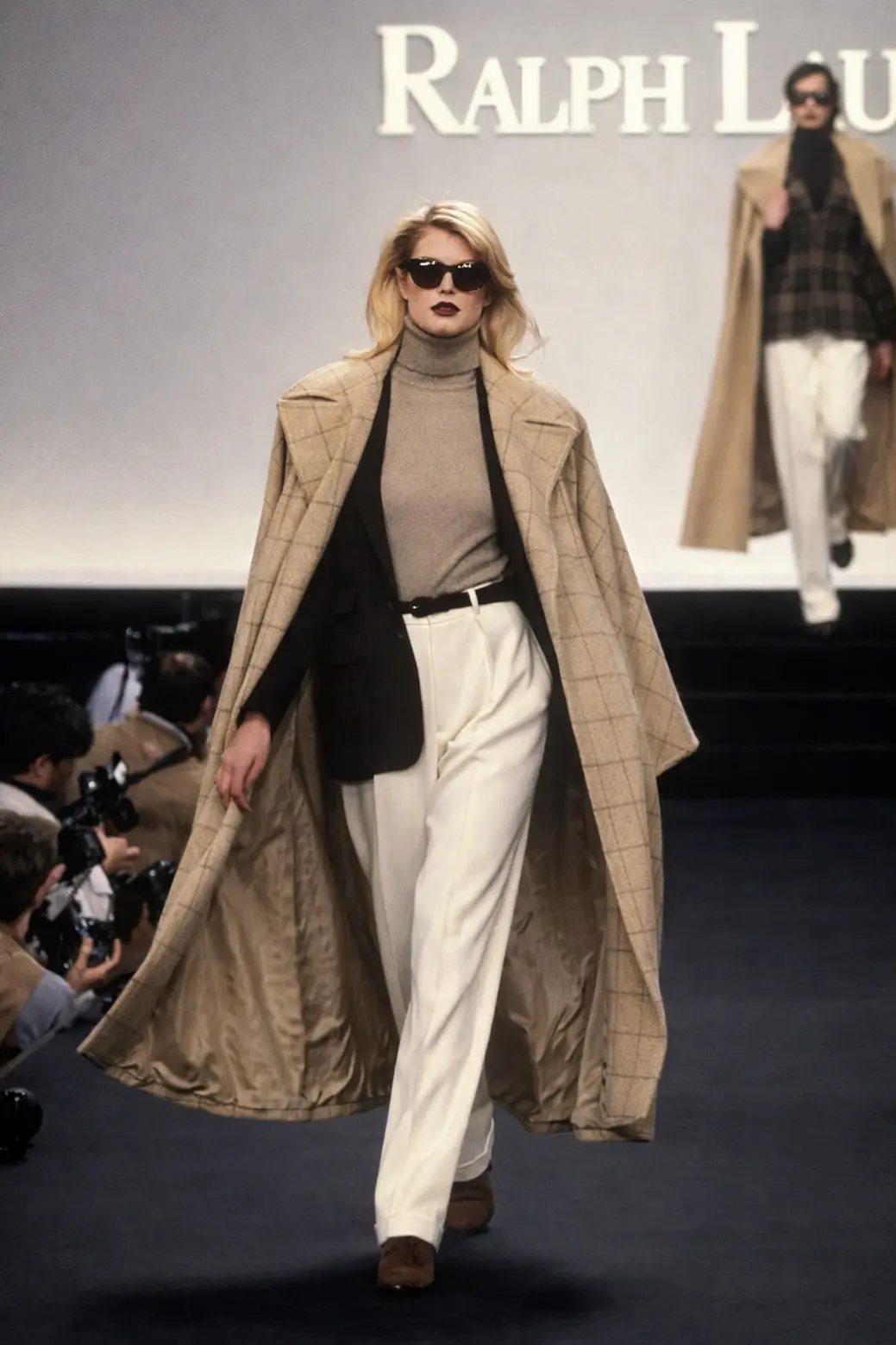
Designers mirrored the era's pragmatic mentality in their fabric choices. Synthetics like Lycra were blended with natural cotton and wool, prioritizing comfort, stretch, and easy care. This innovation in blended fabrics became a hallmark of fashion in the 1990s and remains an industry standard today.
One of the most iconic moments in early 1990s' fashion was Marc Jacobs’ controversial grunge collection. It celebrated a disheveled, lower-strata aesthetic - slouchy beanies, scuffed boots, frayed dresses, and plaid shirts - that challenged the fashion establishment and left an indelible mark on the decade's style direction.
The era was equally defined by the iconic “Big Six” supermodels - Naomi Campbell, Cindy Crawford, Linda Evangelista, Claudia Schiffer, Christy Turlington, and Kate Moss - who redefined celebrity and glamour within 1990s' fashion.
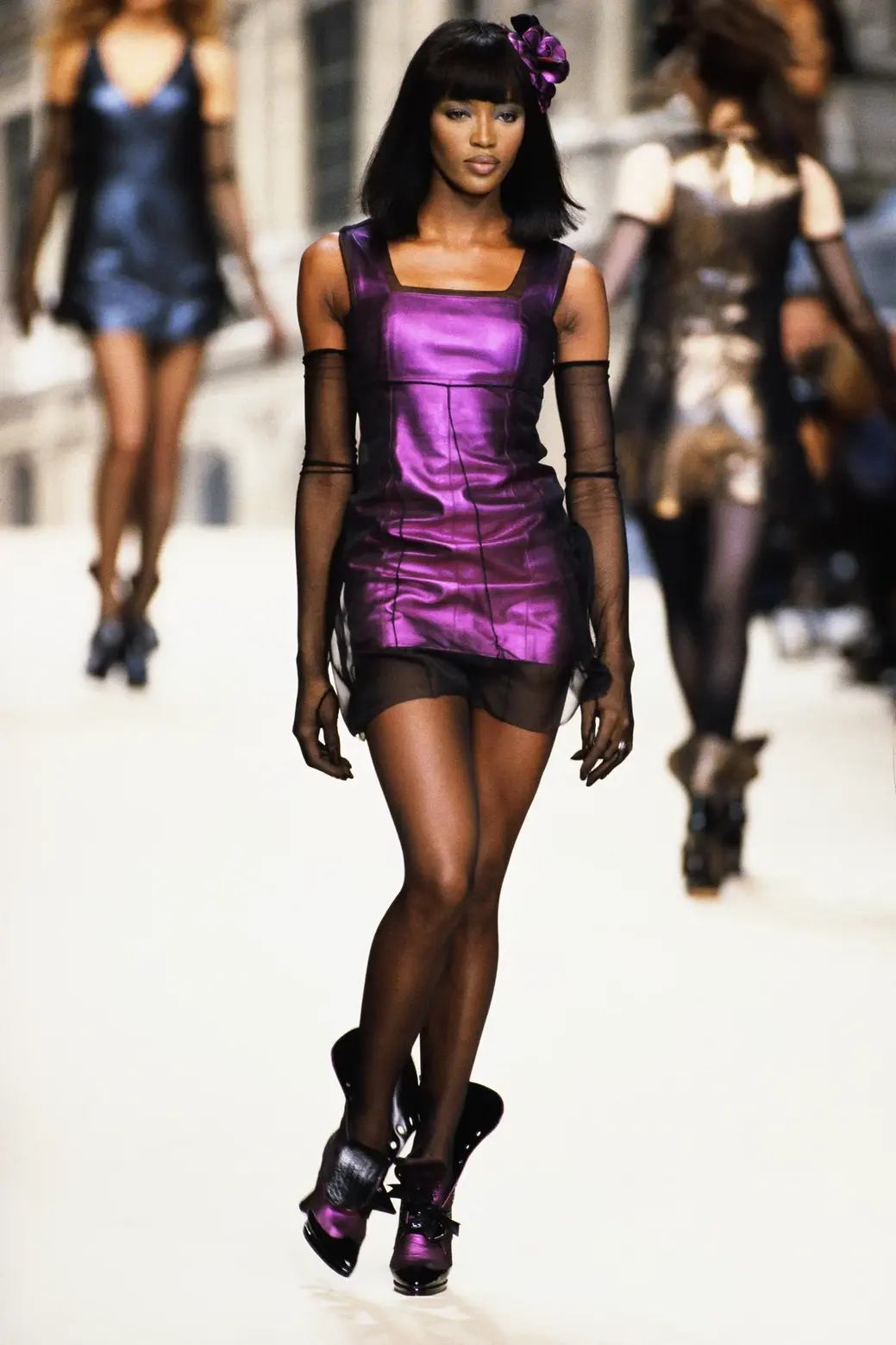
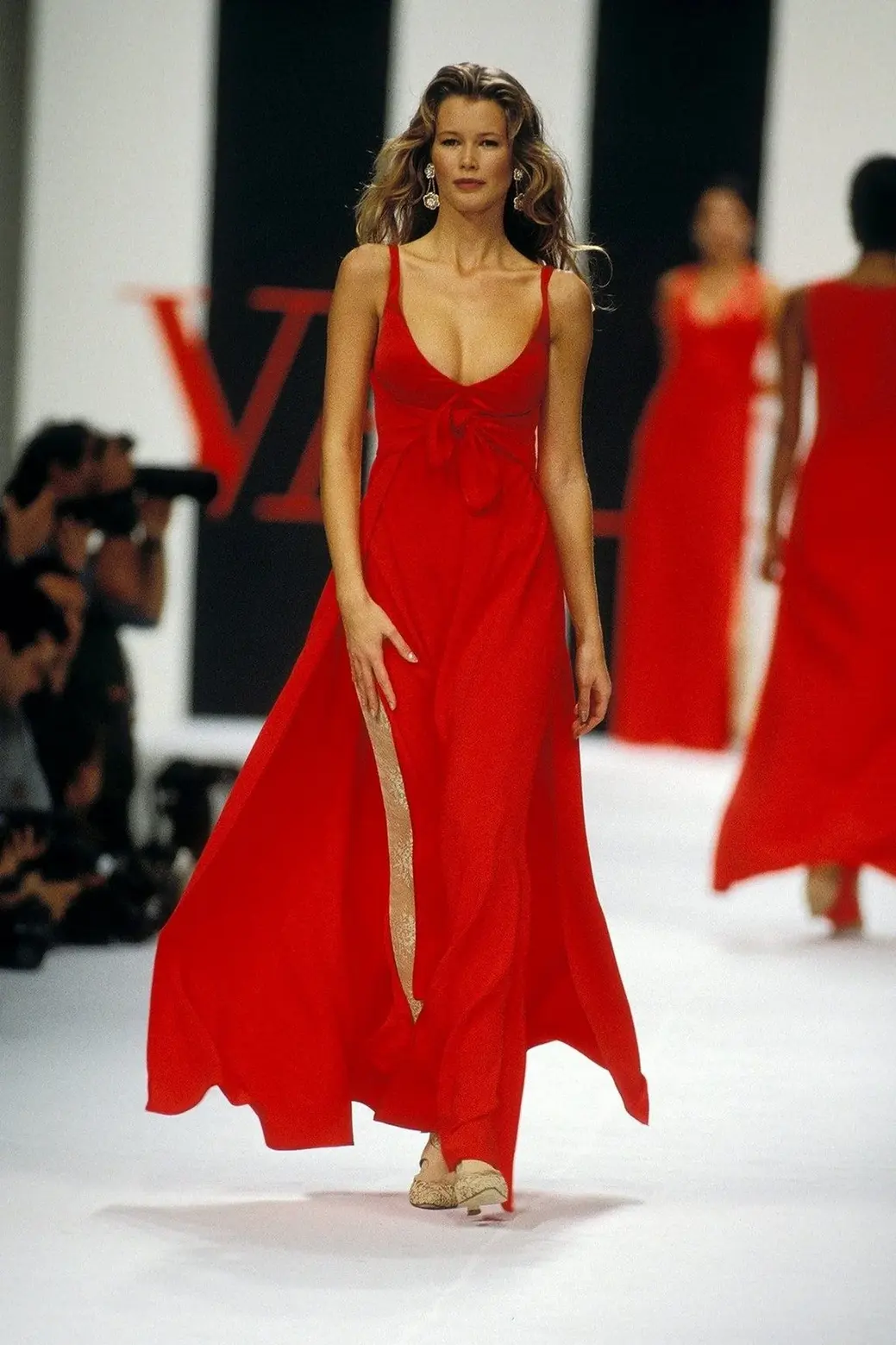
More than a fleeting trend, fashion in the 1990s represents a distinct global chapter. It was a decade shaped by historical turbulence, a collective retreat to simplicity, and a profound questioning of excess. By embracing the everyday, 1990s' fashion forever altered our relationship with what we wear.
Advertisement