MENU
Close





On April 4, 2017, a short film ad titled Live for Now debuted starring the rising supermodel Kendall Jenner and produced by Pepsi. What followed was one of the harshest media backlashes in modern advertising history.

On April 4, 2017, a short film ad titled Live for Now debuted starring the rising supermodel Kendall Jenner and produced by Pepsi. What followed was one of the harshest media backlashes in modern advertising history.
April 4, 2025


The “Pepsi ad” attempted to frame a protest-scene as a moment of unity, but instead exposed the deep discomfort and controversy around the commodification of social justice. The public reaction revealed how celebrity, corporate marketing, and social movements collide often with harmful consequences.
In the commercial, supermodel Kendall Jenner abandons a photo shoot to join a group of cheerful, generic protesters marching through city streets. The ad culminates with her handing a can of Pepsi to a police officer, the officer opens it, smiles, and the crowd cheers, as though all conflict has magically dissolved. The ad’s message: “unity,” “peace,” “harmony.”
Critics were immediate and scathing. Many argued the “Pepsi ad” trivialised real-world protests against police violence and racial injustice. Comparisons multiplied between the ad and actual images from protests, particularly a well-known photograph of a Black Lives Matter protester confronting riot police. For many, the ad was not only tone-deaf but deeply insulting.
Within 24 hours, Pepsi pulled the ad and issued a public apology. Their statement acknowledged they “missed the mark,” admitting they did not intend to trivialize serious issues. The brand also apologized for putting Kendall Jenner “in this position.”
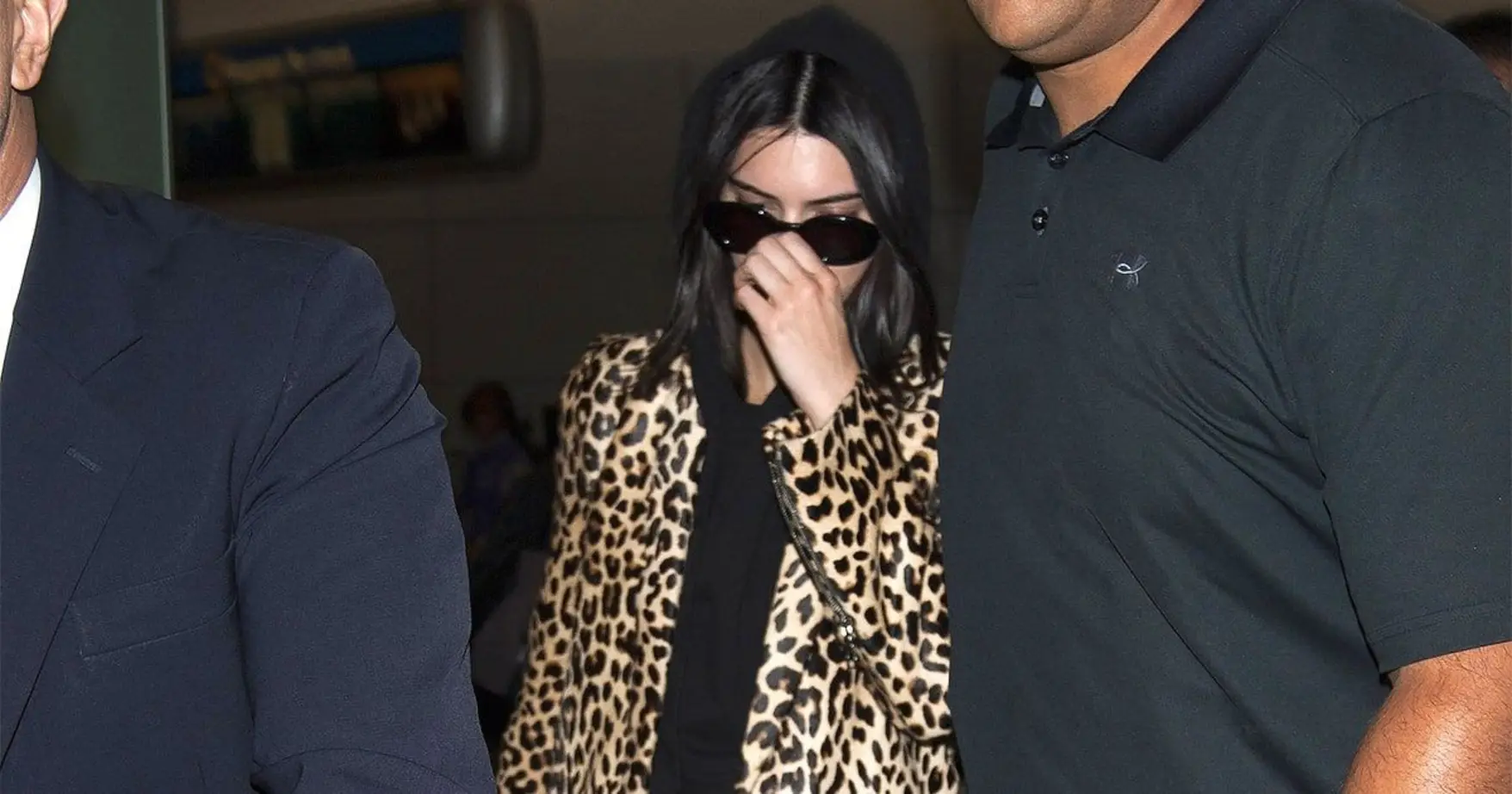
Meanwhile, Kendall Jenner faced a wave of criticism. She later addressed the fallout, publicly admitting she “felt so stupid” for participating, saying she didn’t foresee how hurtful or insensitive the ad would be. The controversy left a lasting stain on her public image.
The Pepsi-Kendall Jenner debacle is more than a failed advertisement, it’s a case study in marketing hubris and cultural misreading. It shows how brands sometimes treat complex social issues as superficial backdrops for selling products. The “Pepsi ad” attempted to harness protest imagery and the cachet of celebrity, but in doing so, stripped away context, history, and meaning.
It also laid bare how influential celebrity presence can be, for better or worse. The ad’s failure demonstrated that audiences are no longer passive; social media gave marginalized voices the power to call out trivialization of serious issues. For once, a major corporation had to bow to public sensibility rather than push forward with a campaign.
The “Pepsi ad” remains a cautionary moment for marketers, advertisers, and fashion-culture observers. It showed that even in an age of celebrity glamour and brand ambition, cultural sensitivity, especially around protest and social justice, is critical.
For the fashion and celebrity-drama sphere, the episode marked a shift, showing that a model’s commercial choices can directly impact their credibility within the industry. For the first time, a major fashion figure faced reputational damage not for runway work, but for participating in a campaign that misread cultural and political realities. The fallout pushed brands and agencies to demand greater cultural awareness from models, and it signaled that fashion imagery can no longer treat social movements as aesthetic backdrop. Kendall Jenner’s moment with Pepsi underscored that celebrity influence now carries responsibility.