MENU
Close





On March 17, 2021, Ralph & Russo announced it had been placed into administration, a formal marker that the house, as the couture world had come to know it, was entering its final chapter.
On March 17, 2021, Ralph & Russo announced it had been placed into administration, a formal marker that the house, as the couture world had come to know it, was entering its final chapter.
March 17, 2025


The statement framed the decision through the shockwave that hit occasion dressing worldwide, with weddings, galas, and red carpets abruptly reduced, and the brand’s financial structure left exposed.
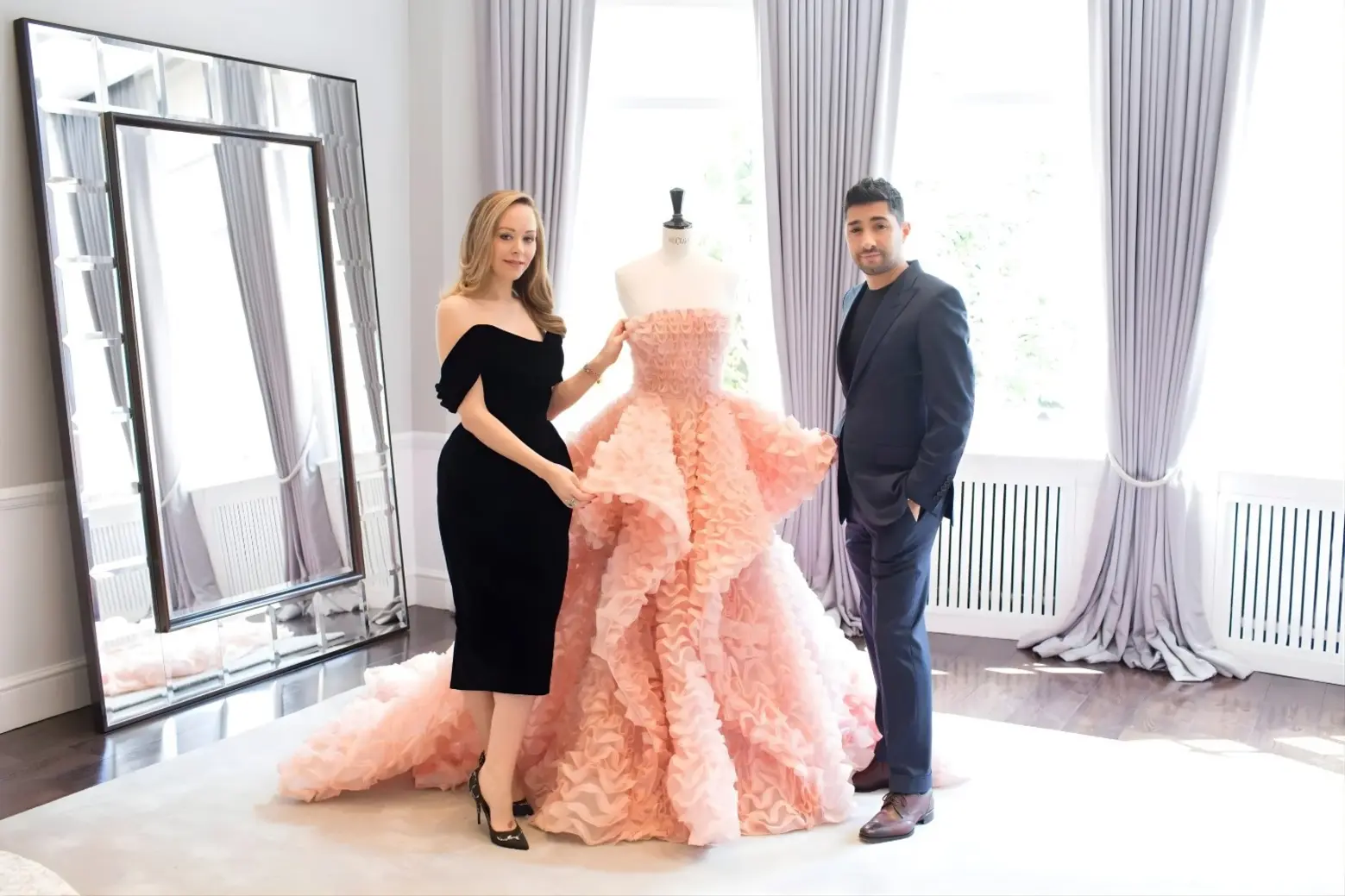
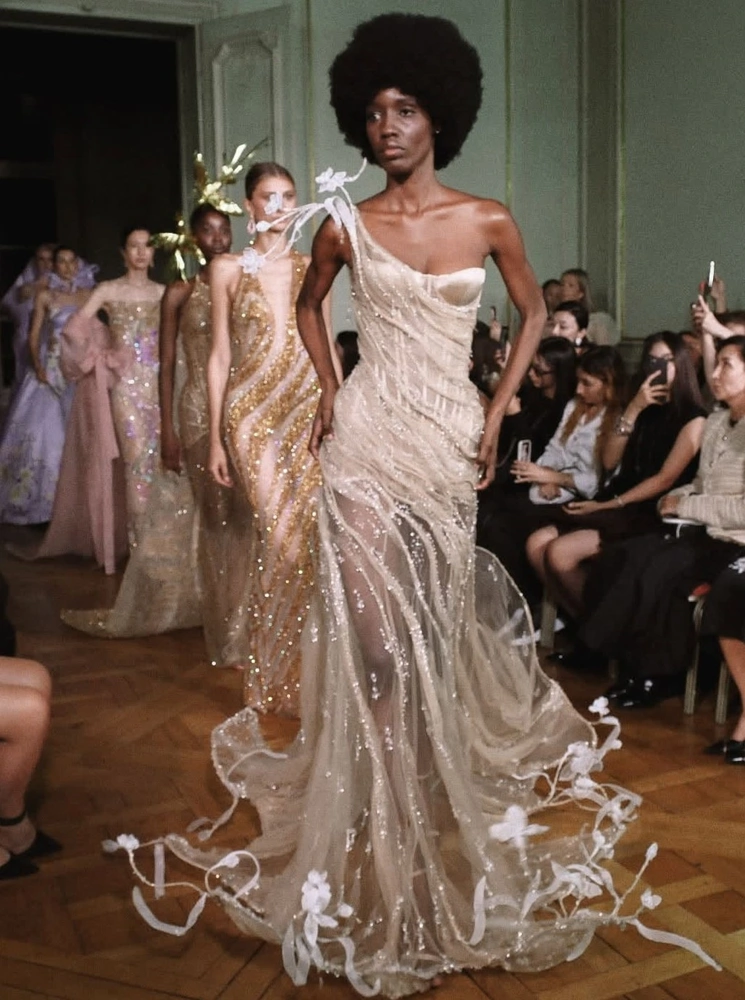
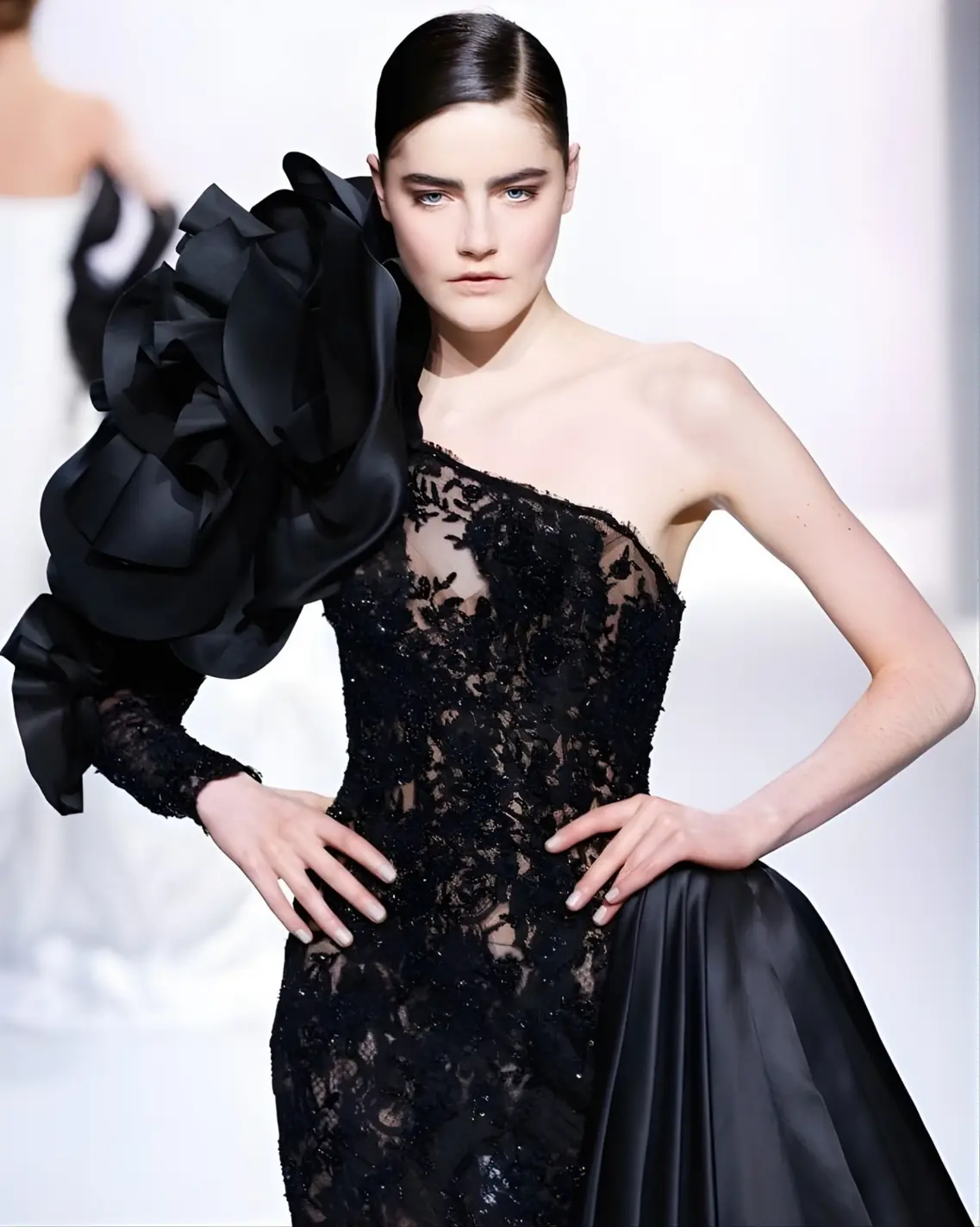
To understand why the news landed with real grief among couture connoisseurs, you have to remember what Ralph & Russo represented in the 2010s. This was couture built for an era that consumed fashion through images at lightning speed, yet still demanded handwork, fantasy, and the aura of rarity. Their gowns delivered instant impact: sculpted bodices, sweeping skirts, and beadwork so dense it read like light caught in fabric. They mastered a modern “princess” language without turning saccharine, keeping the mood polished, high-voltage, and camera-ready.

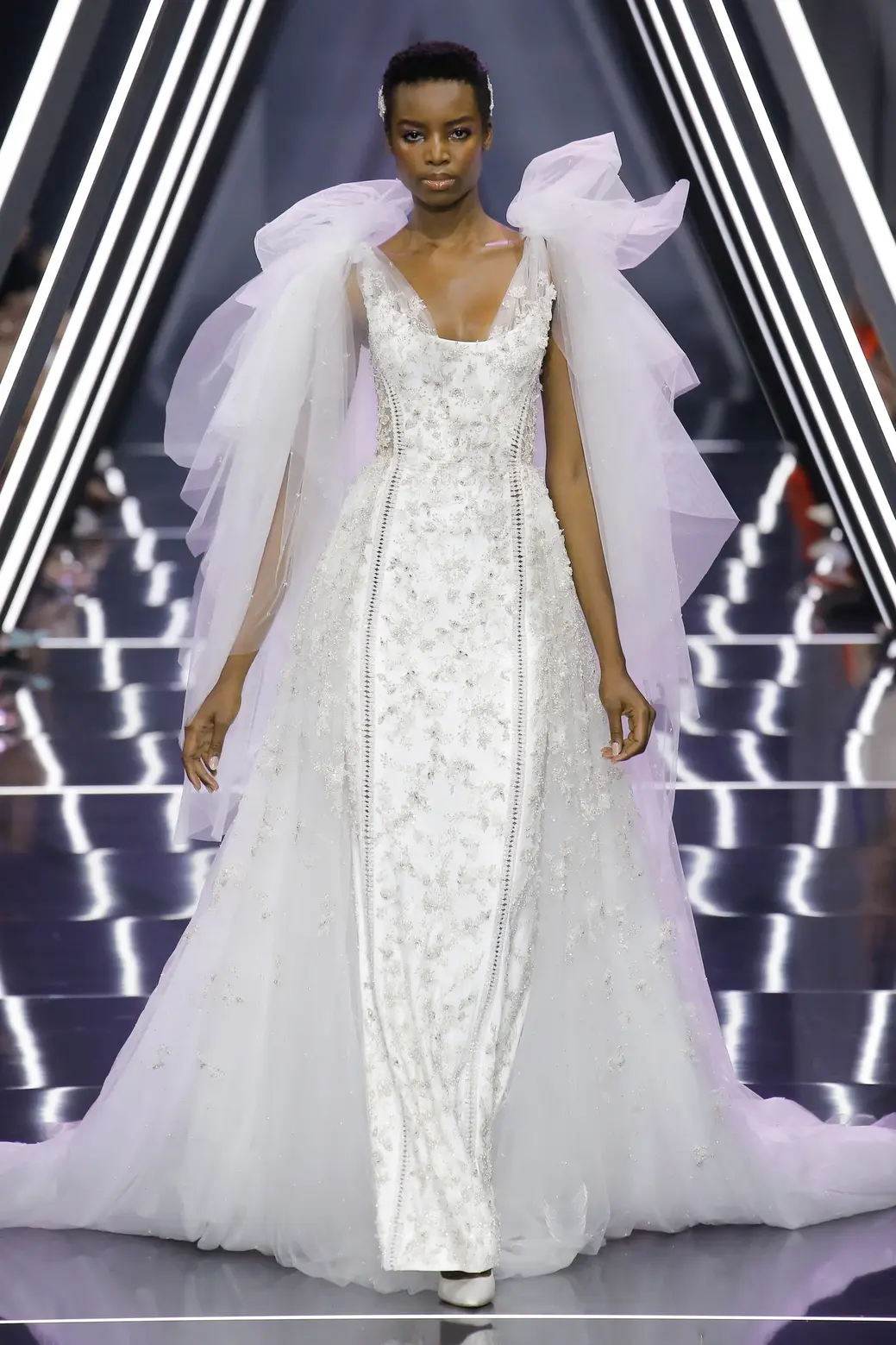
Their milestone was historic. In 2014, Ralph & Russo debuted on the official Paris Haute Couture Fashion Week schedule as a guest member, widely described as the first British label invited in nearly a century, an achievement that signaled how quickly the house had become institution-worthy. That invitation mattered because couture runs on gatekeeping: calendar access is legitimacy, and legitimacy is survival. Ralph & Russo earned it by treating couture as engineering plus romance, with London atelier discipline and Paris-level spectacle.
They also shaped the decade’s idea of couture as public culture, not only private commission. Their pieces lived on red carpets and in global headlines, anchoring a particular 2010s glamour that felt unapologetically ornate.
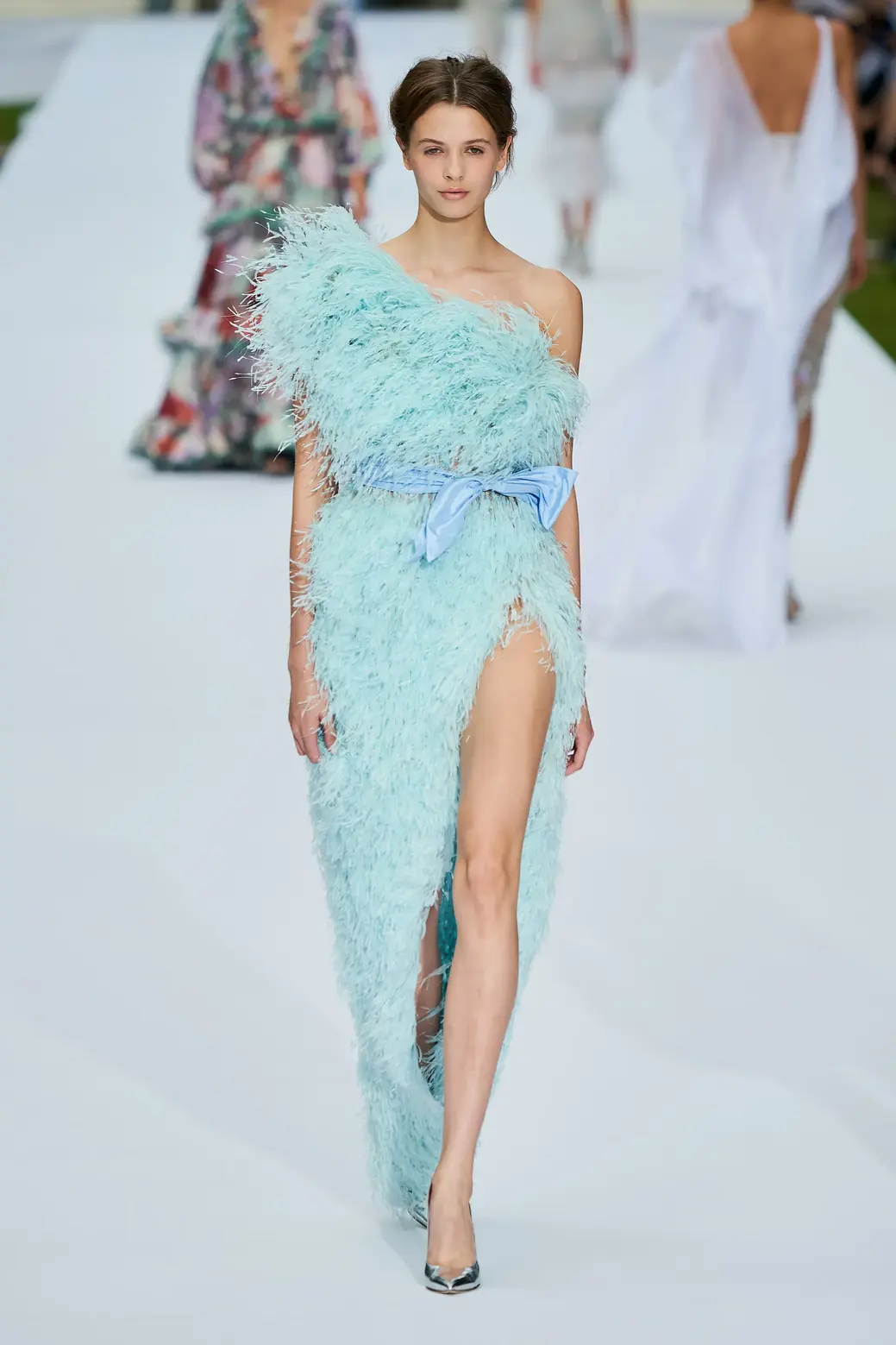
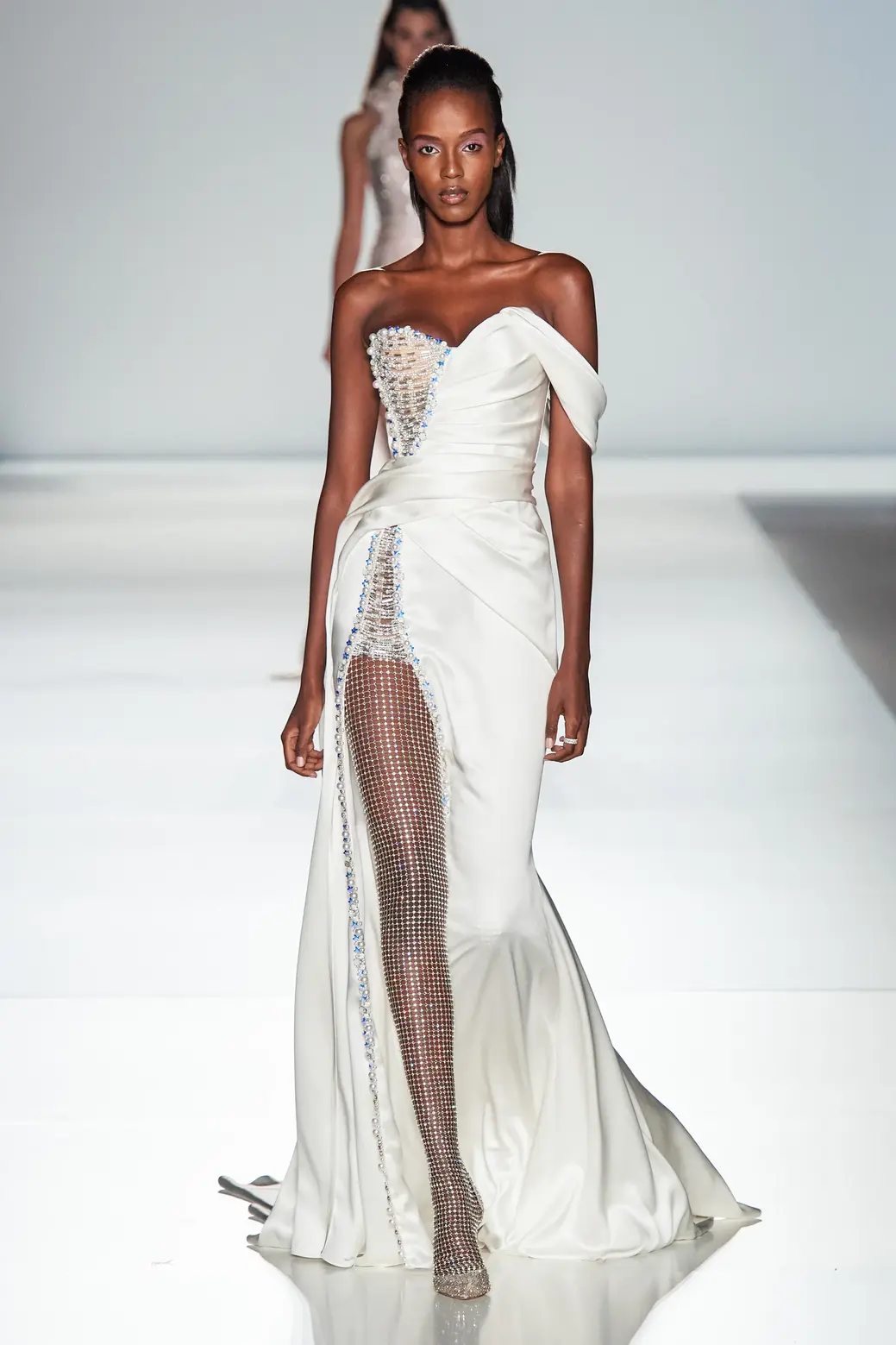
So when the administration announcement arrived, the loss felt specific: a couture house that understood the era’s appetite for spectacle, and delivered it with genuine craft, suddenly facing a market where spectacle had fewer places to go. The pandemic did not merely reduce sales. It disrupted the rituals that couture feeds on: ceremony, entrance, photographs that travel. Ralph & Russo’s own statement tied the decision directly to the worldwide economic hit and the collapse of the occasionwear ecosystem.
Ralph and Russo’s legacy still holds. Their closure felt like a curtain drop on a decade of modern fairytale glamour, yet the hand behind much of that magic continues: Tamara Ralph still creates couture under her own name, returning to Paris Haute Couture Week with Tamara Ralph Couture.