MENU
Close





On May 20, 1873, a simple patent for copper-riveted work pants quietly set the stage for one of fashion’s most enduring icons. Born in the grit of the American West, Levi’s blue jeans began not as a trend, but as a solution: one that would outlast gold rush miners, outlive industrial eras, and eventually define the way the world dressed.
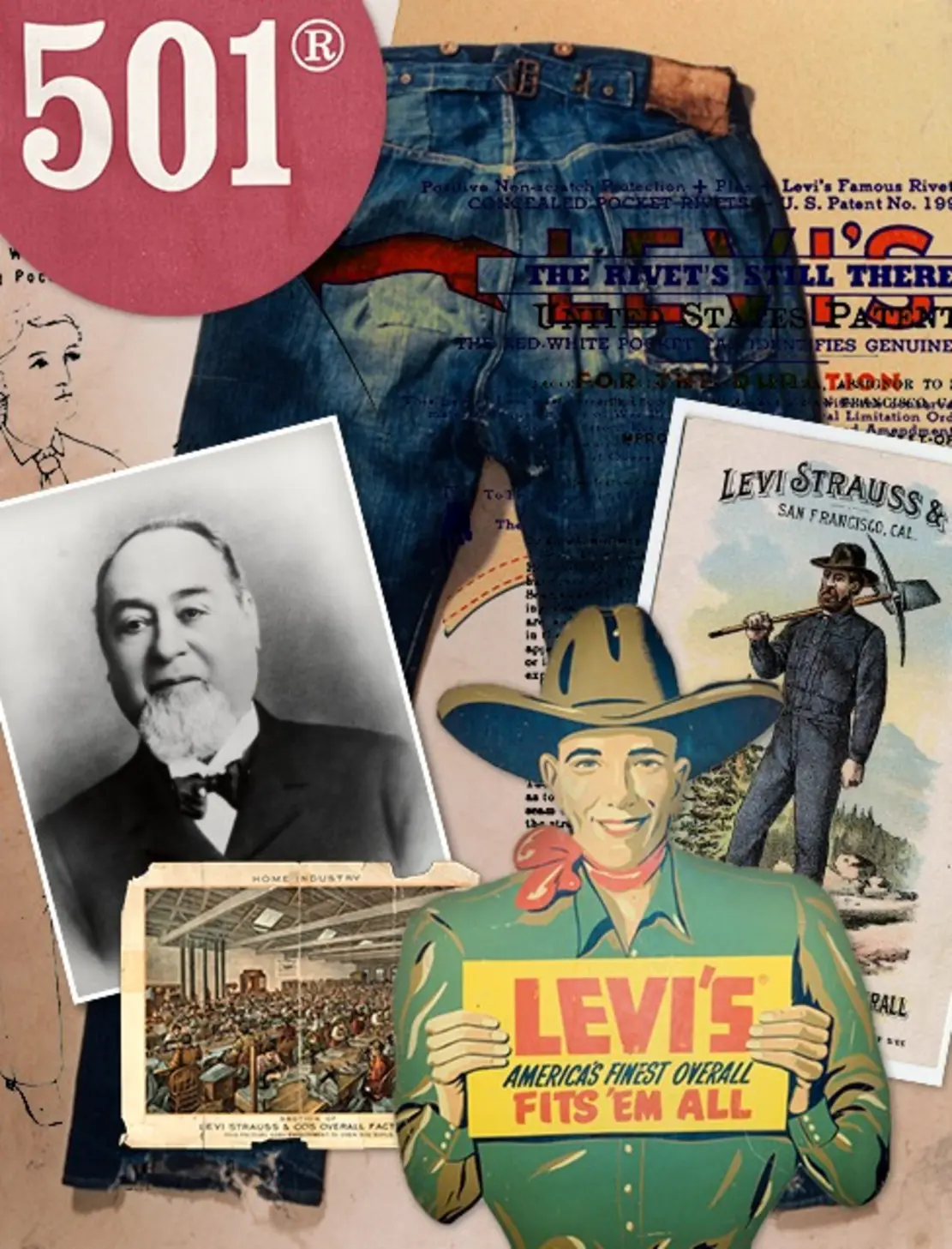
On May 20, 1873, a simple patent for copper-riveted work pants quietly set the stage for one of fashion’s most enduring icons. Born in the grit of the American West, Levi’s blue jeans began not as a trend, but as a solution: one that would outlast gold rush miners, outlive industrial eras, and eventually define the way the world dressed.
May 20, 2025


1873 of America was a land of dust, gold, collapsing tents, dry winds, and men who worked until fabric surrendered before they did. Then denim existed. It was sturdy - but the frontier was harsher than any cloth.
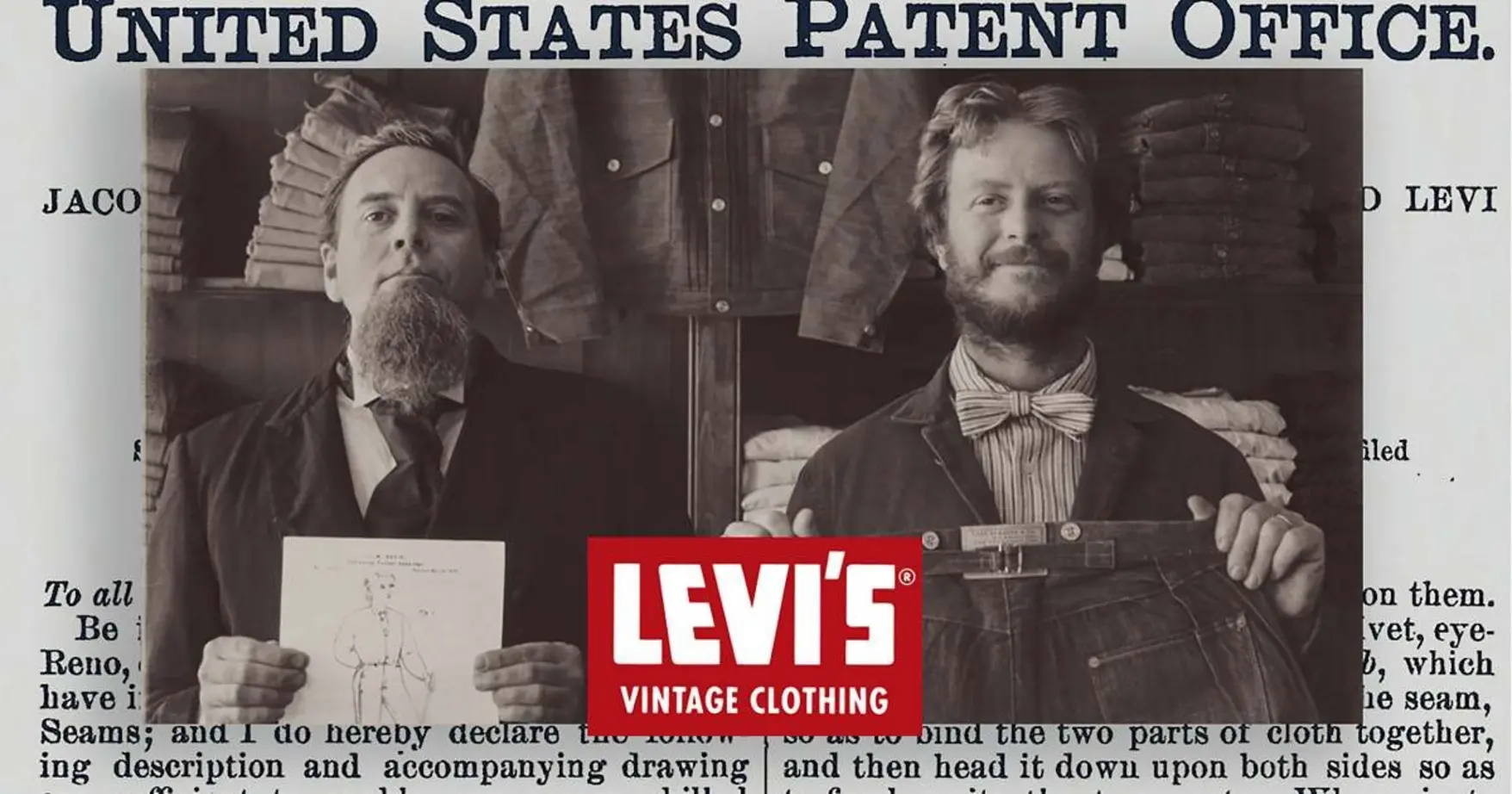
Then came May 20, 1873, when Levi Strauss and Jacob Davis secured their patent for copper-riveted work pants. Those tiny metal fasteners didn’t just reinforce pockets; they reinforced the faith of laborers who needed gear that wouldn’t quit mid-shift.
This feels like one of those rare industrial epiphanies: a simple fix that accidentally opens the door to cultural legend.
With the patent secured, Strauss brought Davis to bustling, fast-growing San Francisco to run production. In those early years, Levi’s garments were brutally honest: thick cotton denim, heavy thread, metal rivets gleaming like workman's armor. Nothing about them tried to be stylish; everything about them tried to survive.


By the late 1880s, the XX model (Levi's early "waist overalls") matured into the now-iconic 501, and something subtle shifted. Men weren’t simply buying work pants anymore - they were buying a trusted companion, the kind of garment that aged with them, recorded their labor, and somehow made endurance look effortless. It was still just workwear, yes, but it had already begun writing its own mythology.
By the 1920s, Levi’s had traveled far beyond mines, ranches, and railroad lines. The blue jean found new lives - on farmers, on wanderers, on movie stars, on teenagers testing the limits of authority. What began as gear for gold miners slowly transformed into a universal language of ease and rebellion, worn by anyone who wanted clothing as straightforward as their intentions.

And even now, in a world full of synthetics that promise stretch and shape, people keep returning to the breathability and honesty of cotton, the same qualities Strauss and Davis unknowingly planted in the garment’s DNA. Nowadays, a pair of Levi's became a must-have item for style-conscious individuals, a badge of authenticity worn by those who valued both heritage and attitude. Denim itself became shorthand for casual confidence, and Levi’s 501s emerged as the benchmark against which all other jeans were measured. To mention Levi’s was to invoke the very idea of jeans: no other garment so effortlessly straddled the worlds of workwear, music, film, and fashion culture, uniting generations under an enduring icon.