MENU
Close





On November 14, 2002, at New York’s Lexington Avenue Armory, the Victoria’s Secret Fashion Show runway was stormed by PETA activists waving “Gisele: Fur Scum” signs, targeting Gisele Bündchen over reports tying her to Blackglama as the face of its iconic mink-glamour campaign.
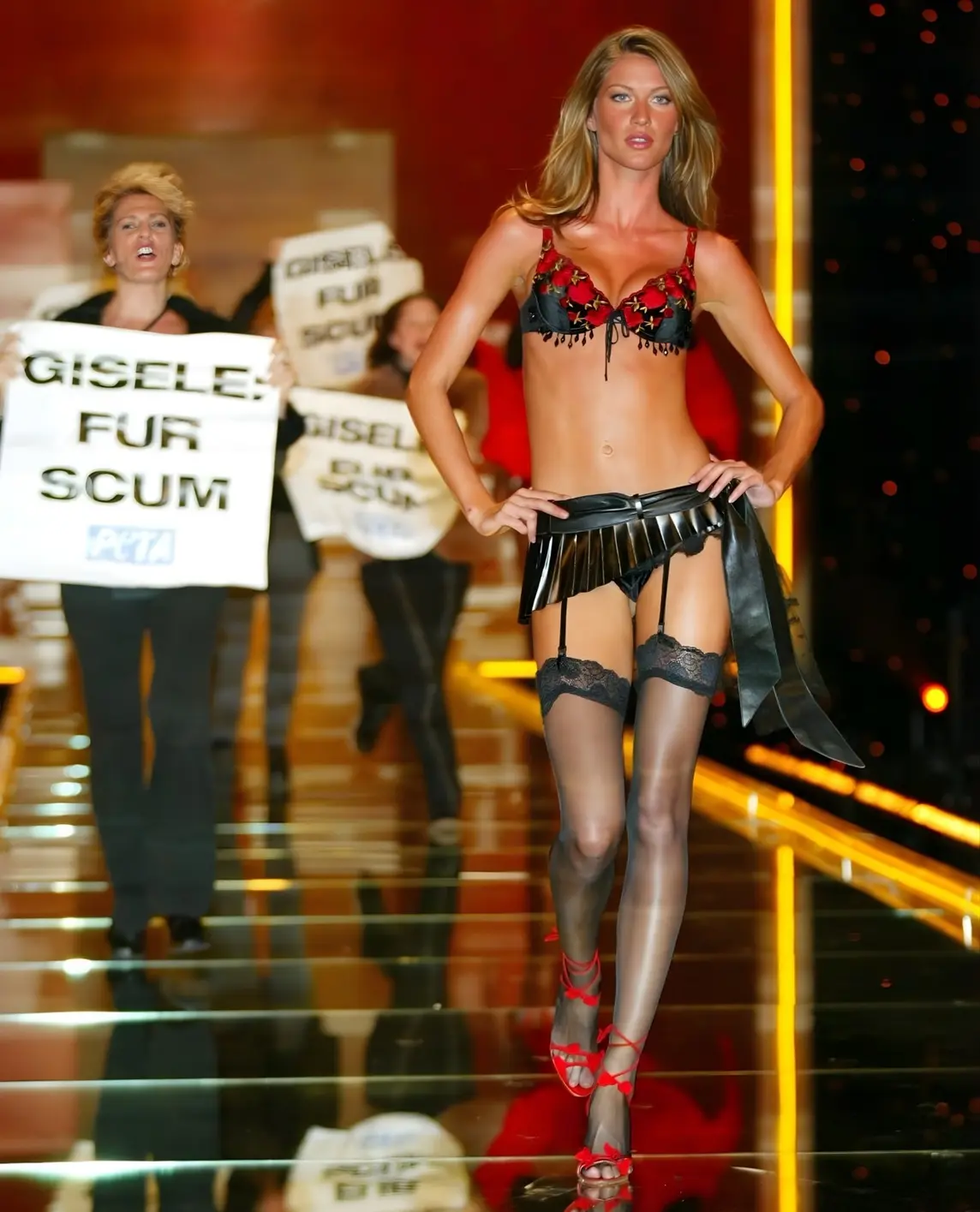
On November 14, 2002, at New York’s Lexington Avenue Armory, the Victoria’s Secret Fashion Show runway was stormed by PETA activists waving “Gisele: Fur Scum” signs, targeting Gisele Bündchen over reports tying her to Blackglama as the face of its iconic mink-glamour campaign.
November 14, 2025


Gisele Bündchen was the latest fashion figure to come into the firing line with PETA after signing up to model for BlackGlama. The famously curvy Brazilian bombshell was reportedly paid $500,000 and received two coats worth $250,000 each for her part in the fur coat maker's new campaign. But she also incurred the wrath of PETA, who were then preparing for a high profile campaign against her. "Gisele's a Brazilian bloodsucker - all legs and no heart," PETA spokesman Dan Mathews told MSNBC. "She obviously wants attention, and she's gonna get it, though not the kind she might want."
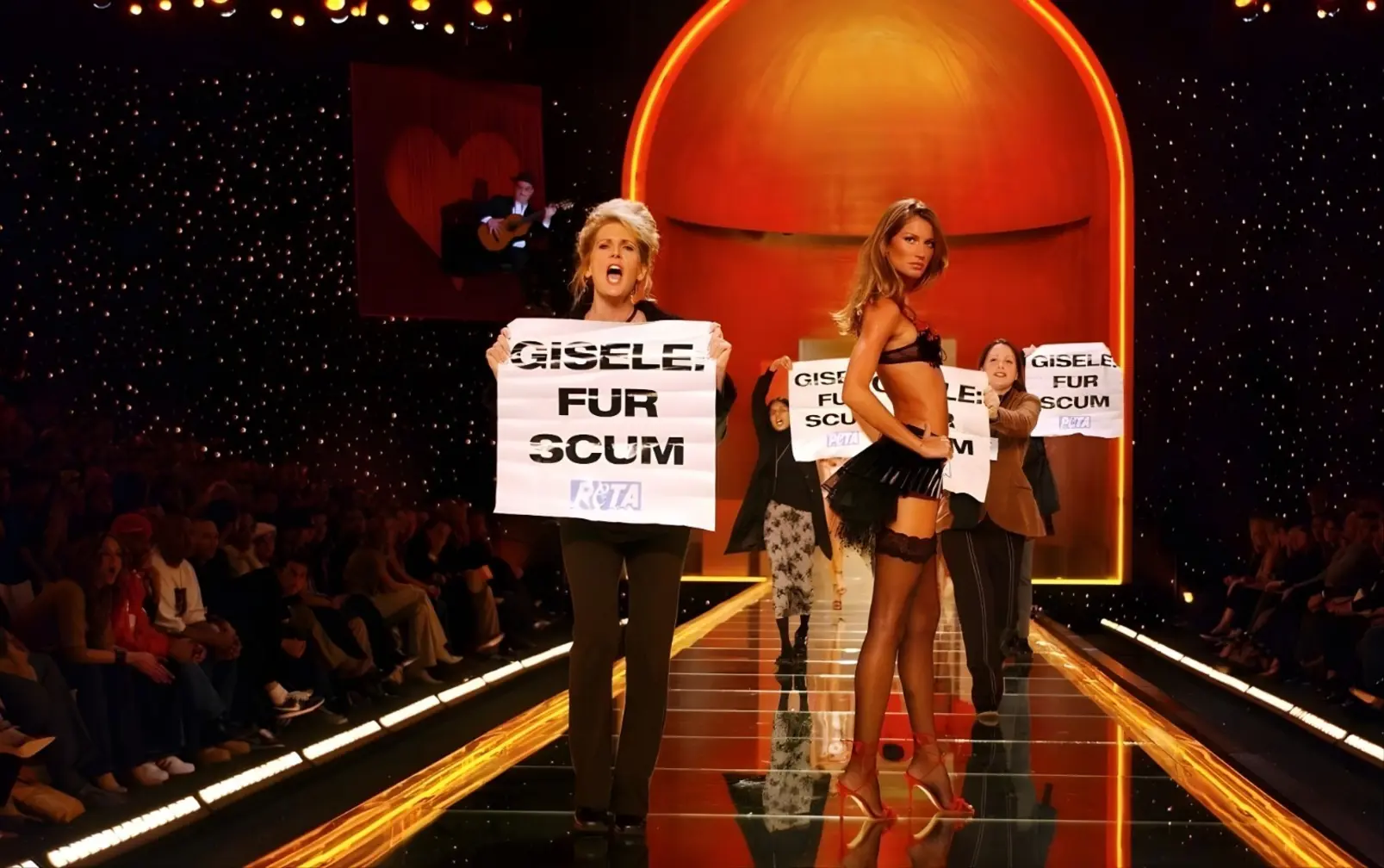
Security was unusually tight: NYPD were on hand in large numbers, as were many private bodyguards. To enter the armory, guests had to wait half an hour, then file through a checkpoint where their bodies were scanned and their bags searched with great care. None of that prevented four members of PETA from infiltrating the audience. Naomi Campbell had barely completed her pose and turned to exit when Gisele Bündchen emerged, dressed in a beaded bra and black panties only for protesters to spill onto the runway and disrupt her walk, yet by the time the next model, Michelle Alves, was halfway down the catwalk, security had already hauled them away less than thirty seconds. The women from PETA were then arrested, arraigned, and deposited in the Tombs. Gisele, the world’s most highly paid model at that time, and the current face of the Blackglama fur ad seemed unfazed by the commotion; CBS shot the segment again, and the show went on. But film clips and news stories about the attack appeared throughout the world, dominating coverage of the show and infuriating Victoria’s Secret.
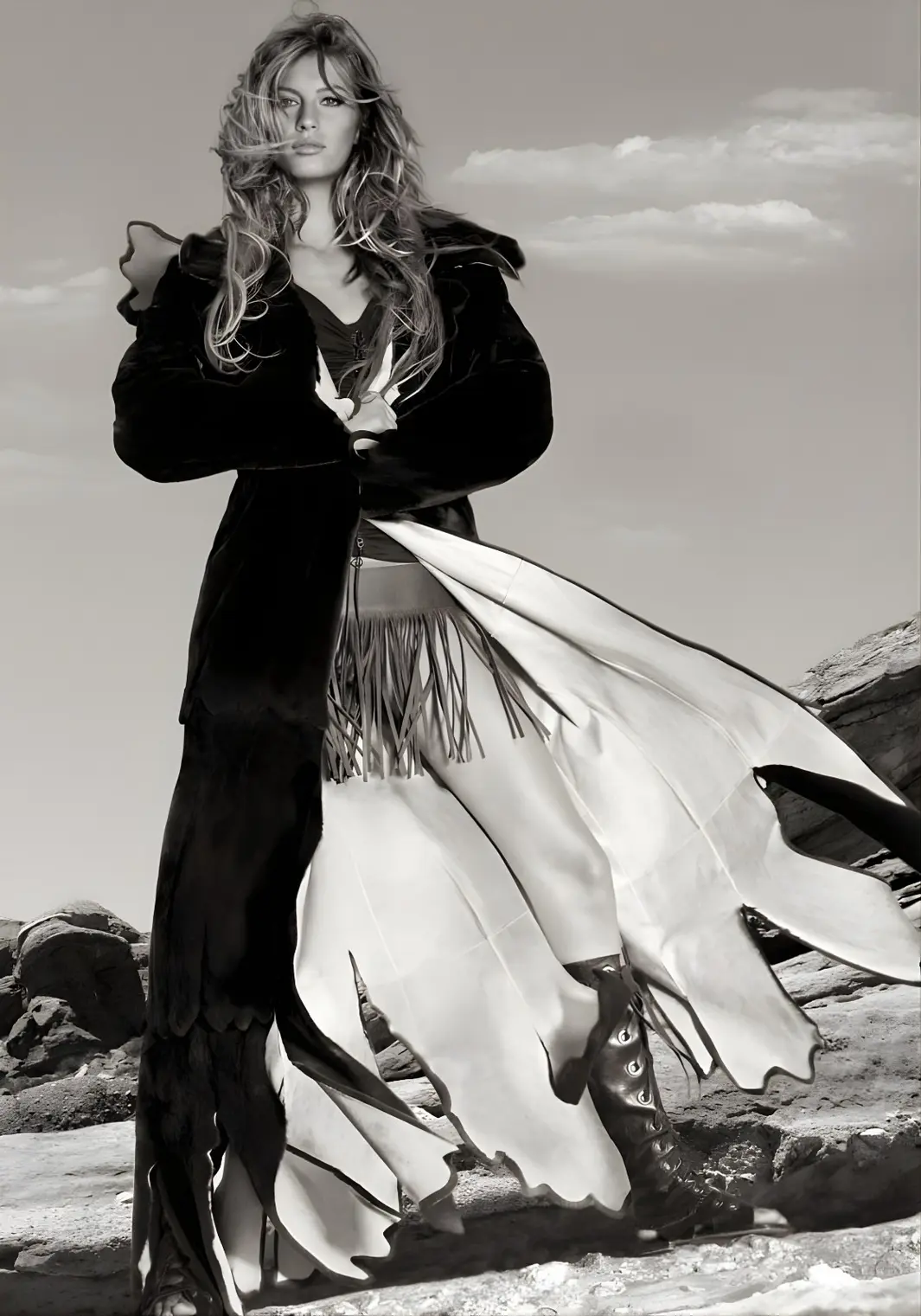

Yet composure on the runway can coexist with impact off it. Years later, Gisele Bündchen framed the interruption as a personal turning point: a shock that snapped her out of autopilot. In a 2018 interview with Vogue, she described the realization that responsibility sits with the person whose name carries the campaign, and she connected the moment to a decisive shift away from fur work as a line she finally drew for herself.
That is the deeper lesson of this date: public figures live inside a harsher weather system than ordinary professionals. Every choice, campaigns, contracts, and endorsements travels faster than intention.
The fur debate sits at the center of that accountability because it touches tenderness and brutality at once: heritage craft versus animal suffering, tradition versus evolving values, personal taste versus collective cost. It remains sensitive because it asks fashion to confront what it can usually edit out, origins. That is why protests aim for the biggest spotlight: a supermodel at peak cultural volume, a show built for mass broadcast, a split second that turns lingerie spectacle into ethics headline.