MENU
Close





A soft tracksuit became a hard business move. On March 19, 2003, Liz Claiborne announced its deal to acquire Juicy Couture, effectively taking a buzzy, celebrity-fueled label and giving it the corporate runway needed to scale into an empire.
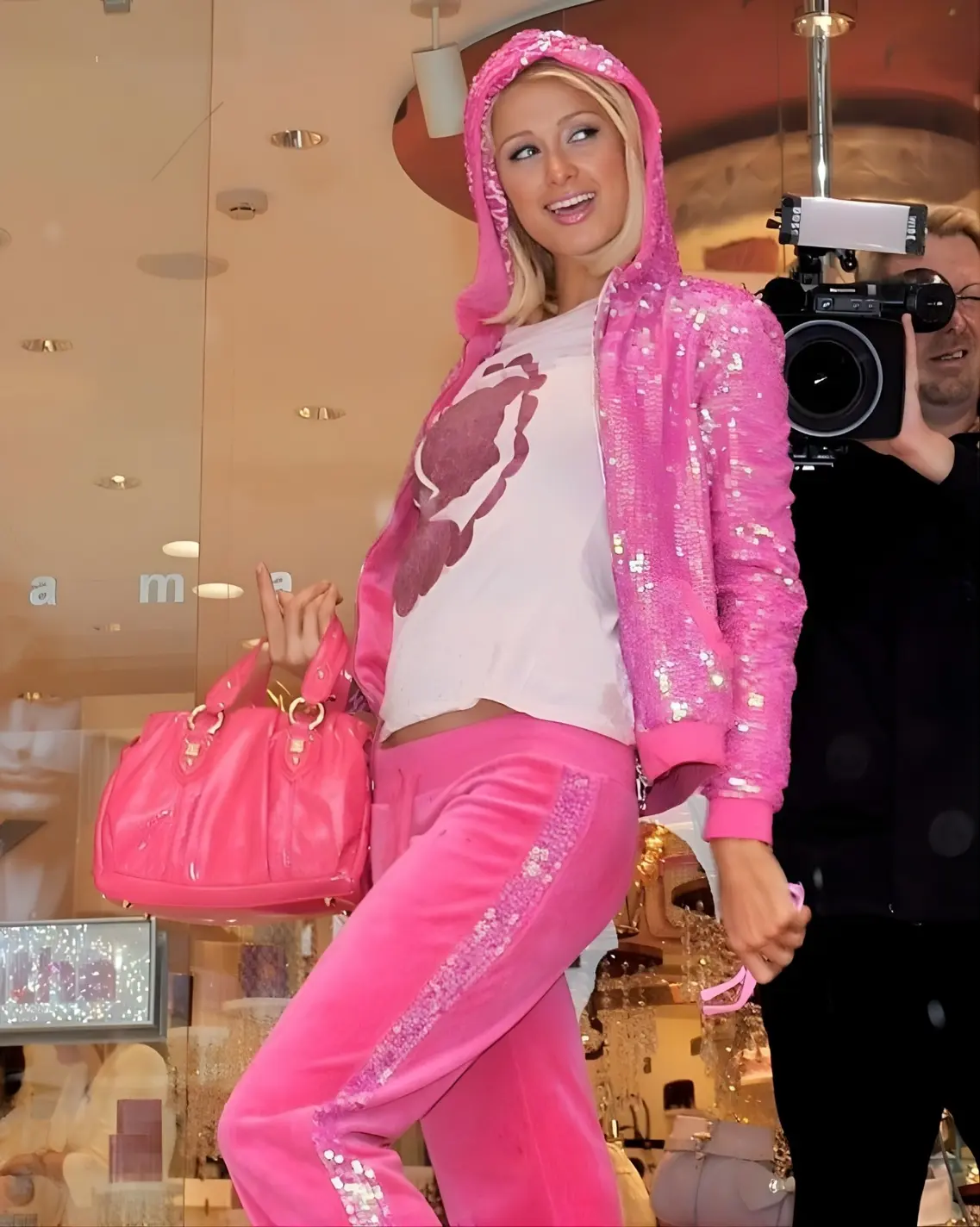
A soft tracksuit became a hard business move. On March 19, 2003, Liz Claiborne announced its deal to acquire Juicy Couture, effectively taking a buzzy, celebrity-fueled label and giving it the corporate runway needed to scale into an empire.
March 19, 2026


Juicy had already mastered a very 2000s magic trick: making “casual” feel expensive, public, and aspirational. The velour set was lounge wear with paparazzi potential: zip hoodie, low-rise pant, a logo that read like a signature. It taught a generation of girls and young women that style could live in daylight, in errands, in airports, in iced-coffee hours, in the everyday scenes where celebrity culture loved to hunt. By the time Paris Hilton turned the tracksuit into a uniform and a punchline and a flex all at once, the look had crossed into cultural shorthand: Y2K in two pieces.
The Liz Claiborne deal matters because it marks the moment Juicy stopped being only a hot item and started becoming infrastructure: distribution, retail expansion, marketing power, and the kind of growth plan that turns a trend into a category. When the acquisition later closed on April 7, 2003, the shift became official: Juicy Couture moved from cult to machine, from “seen on” to “everywhere.”
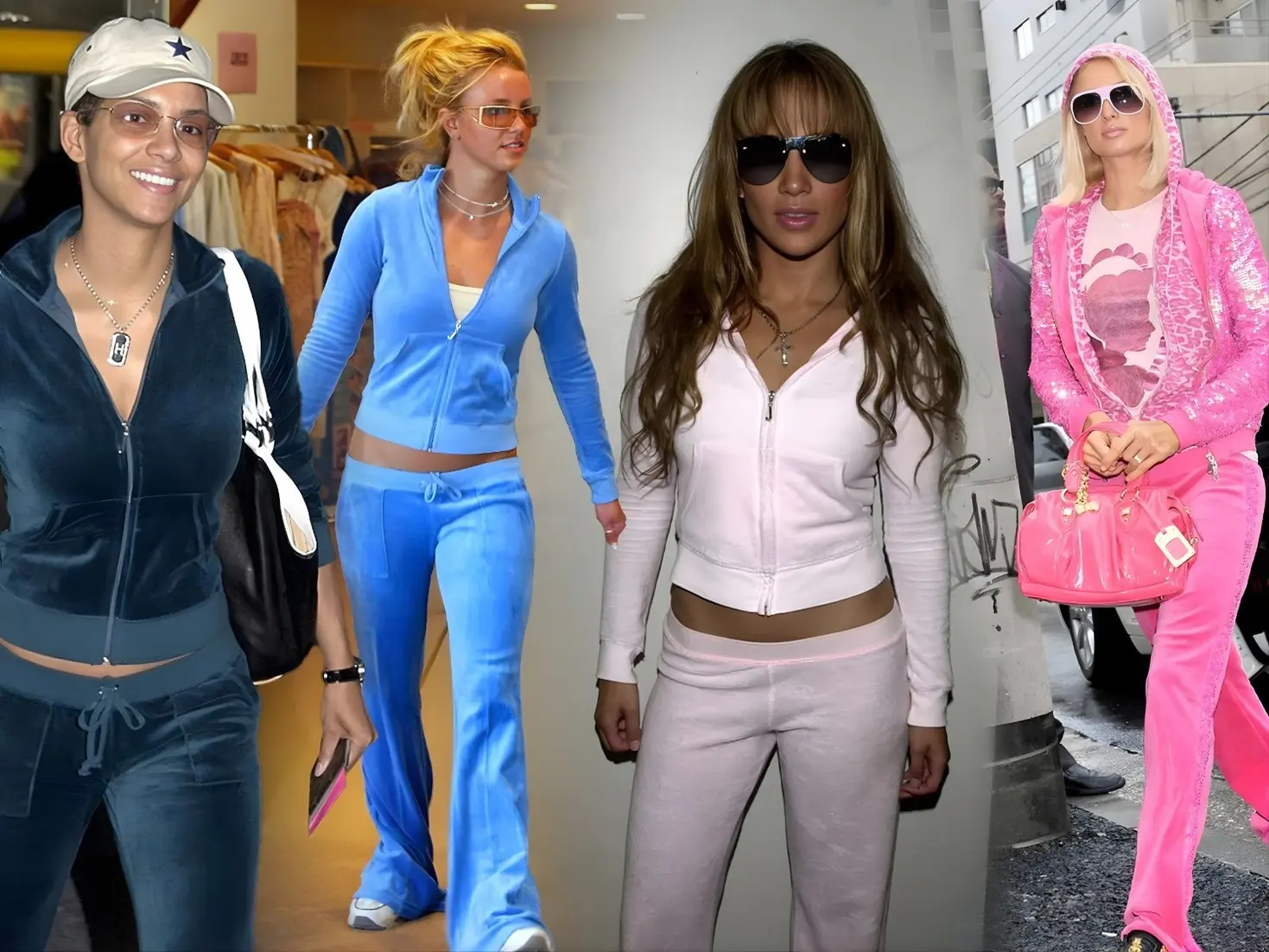
In the 2000s, the Juicy Couture tracksuit became a Hollywood uniform, turning up on the era’s hottest women from Halle Berry, Britney Spears to Jennifer Lopez, Kim Kardashian, and Lindsay Lohan. Juicy did something brands still chase: it made casual chic feel like access. If you owned the set, you owned a piece of the scene.
Two decades later, Juicy’s prime still reads as a golden age, one that collectors treat like a time capsule. Vintage sets circulate like trophies, and the Y2K revival keeps pulling Juicy back into the conversation through rewears, reissues, and the ongoing obsession with celebrity archives as fashion currency.
Today’s Juicy Couture carries the name; 2000s Juicy carried the temperature. That earlier era hit a peak many brands study and few replicate: a perfect storm of celebrity visibility, playful luxury, and an aesthetic so specific it became a memory. On this day in 2003, the business world simply caught up to what the culture already knew, Juicy had the power to raise a whole generation on the idea that “casual” could still feel like a crown.