MENU
Close





On July 25, 2025, readers spotted a two page Guess advert inside Vogue’s August 2025 print issue and a small line of fine print flipped the page into a debate.
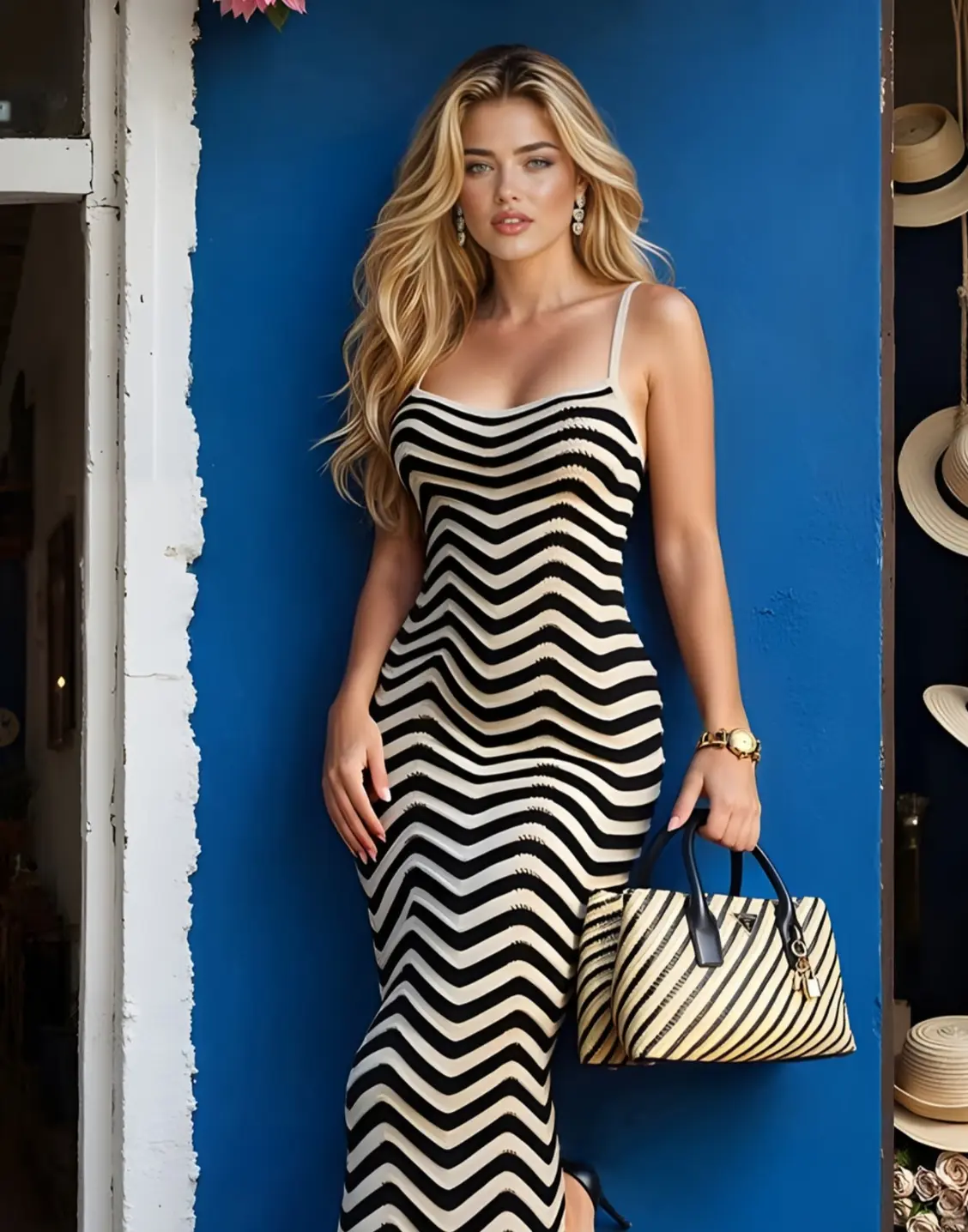
On July 25, 2025, readers spotted a two page Guess advert inside Vogue’s August 2025 print issue and a small line of fine print flipped the page into a debate.
July 25, 2025


The model looked like the classic Guess fantasy, sunlit hair, polished skin, easy confidence, yet the credit read “Seraphinne Vallora on AI.” The “Guess Girl” had arrived as a generated image, and the reaction hit fast.
This mattered because Guess built decades of branding around a very specific archetype: the girl as icon, the girl as aspiration, the girl as a living photograph. The Guess Girl always functioned as a cultural shortcut, a face you could place in time, a body language you could imitate, a mood you could buy into. Replacing that role with an AI model moved the fantasy into a different category entirely. It shifted from human charisma to programmable perfection, from muse to asset.
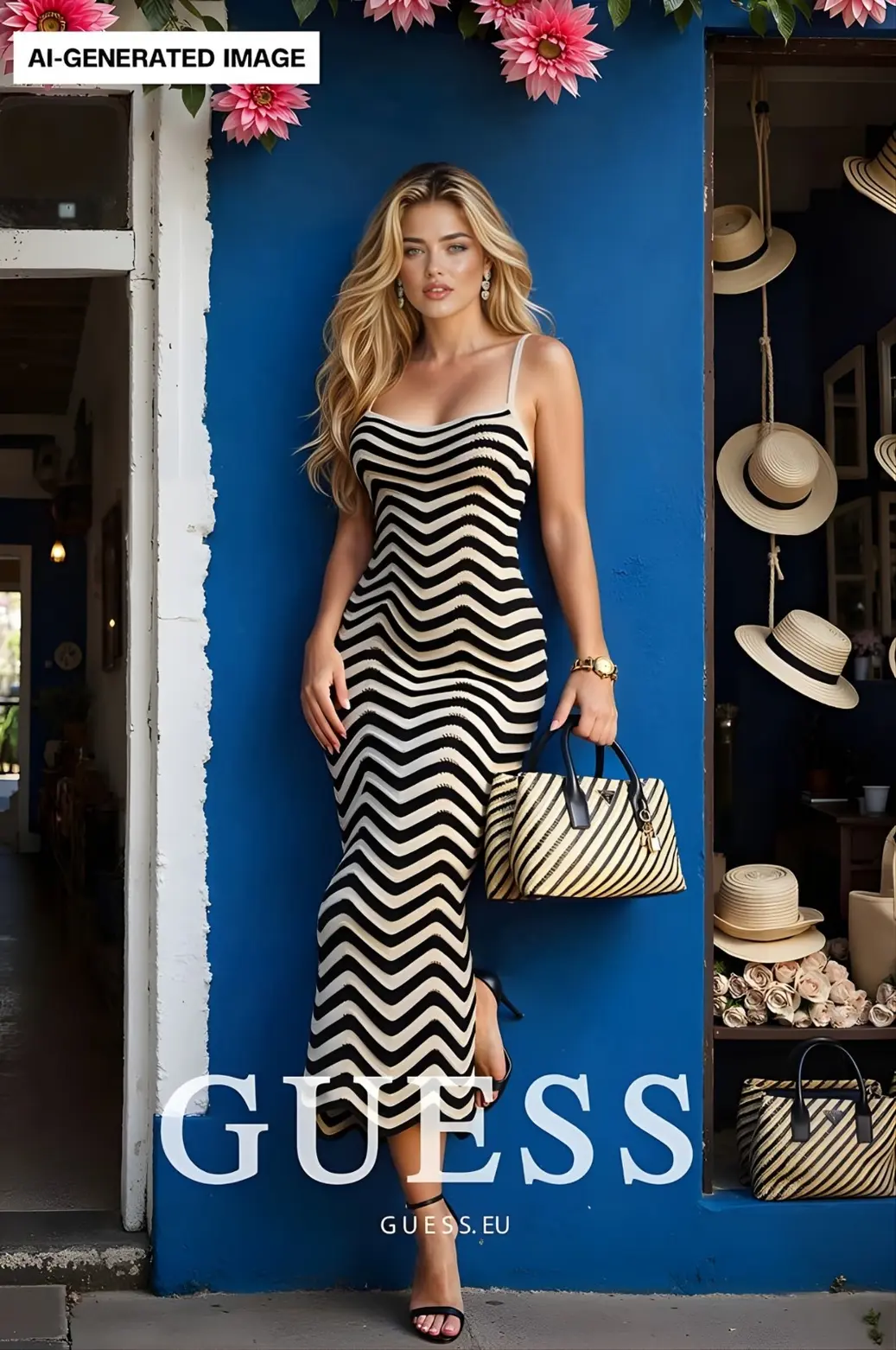
The campaign was developed by Seraphinne Vallora, an AI driven marketing agency. In interviews reported by CNN, its founders said Guess co founder Paul Marciano approached them, reviewed multiple drafts, and selected a blonde and a brunette for further development. They also said the process used a real model in studio wearing Guess clothing to inform how the garments would sit and move in the final images.
Public backlash focused on a few fault lines that fashion keeps circling. First, jobs and credit. A campaign image supports far more than a single face, it supports photographers, stylists, hair and makeup, set teams, assistants, retouchers, casting, producers. When a brand buys an AI pipeline, the industry reads the move as a signal about labor priorities, even when teams still exist behind the tool.
Second, beauty standards. The Guess Girl has always been an edited ideal, yet AI introduces a new intensity: a body and face with endless tweak ability, no fatigue, no boundaries, and a level of control that turns aspiration into something almost frictionless. Critics worried that this kind of image can harden the gap between real life and the fantasy page, especially for younger audiences who already live inside filters.
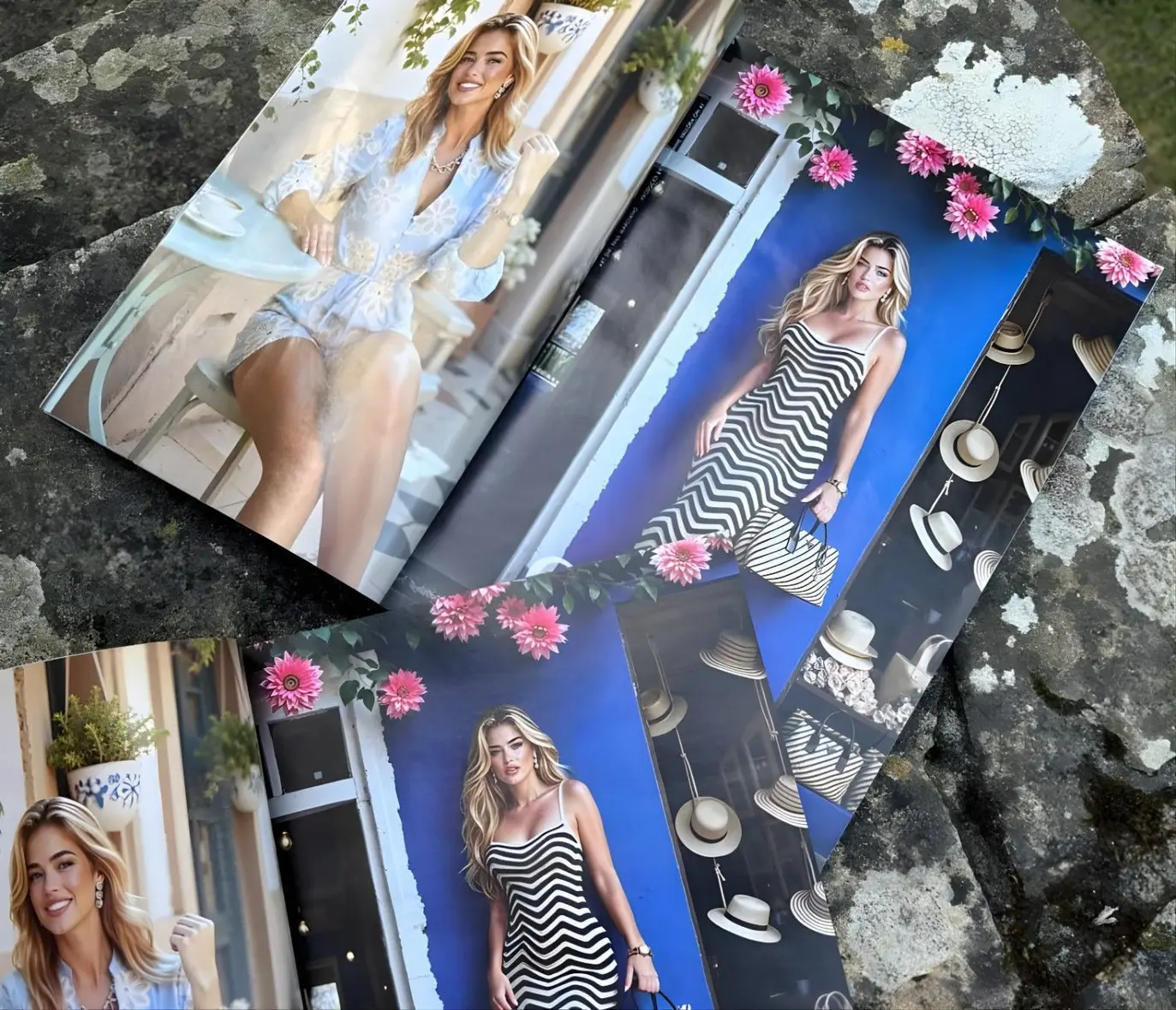
Vogue’s wider context sharpened the conversation. A Condé Nast spokesperson told CNN that AI models have never appeared in Vogue editorial content, while AI avatars have appeared in some international editions, including Vogue Singapore in March 2023. So the Guess ad sat in a gray zone: paid pages, real magazine authority, new tech, and a reader base trained to treat Vogue as a referee of taste.