MENU
Close





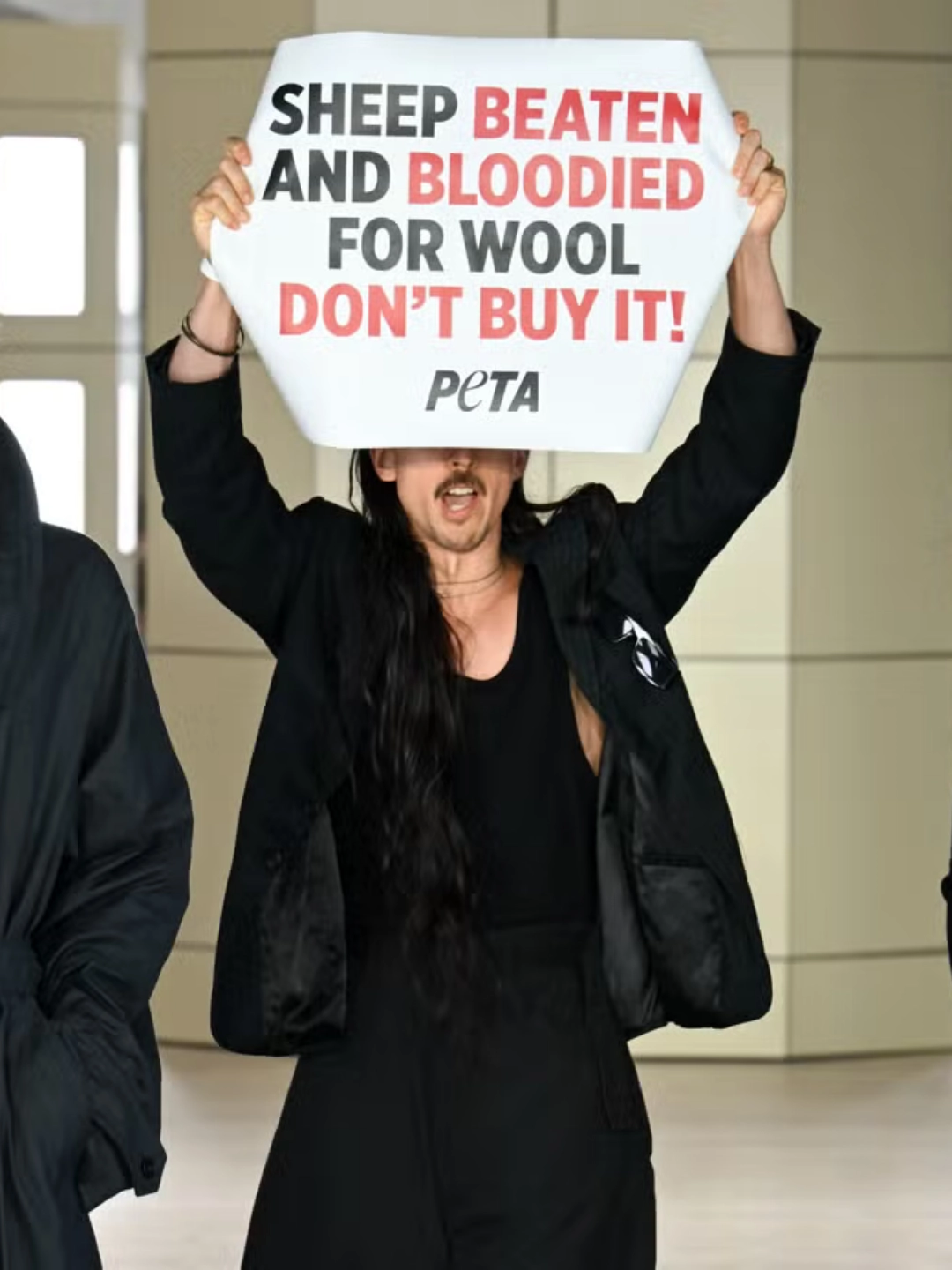
On December 3, 2025, the CFDA rewrote American fashion history with a ruling that will reshape New York Fashion Week forever: animal fur is officially banned from all collections showing on the NYFW calendar beginning September 2026.
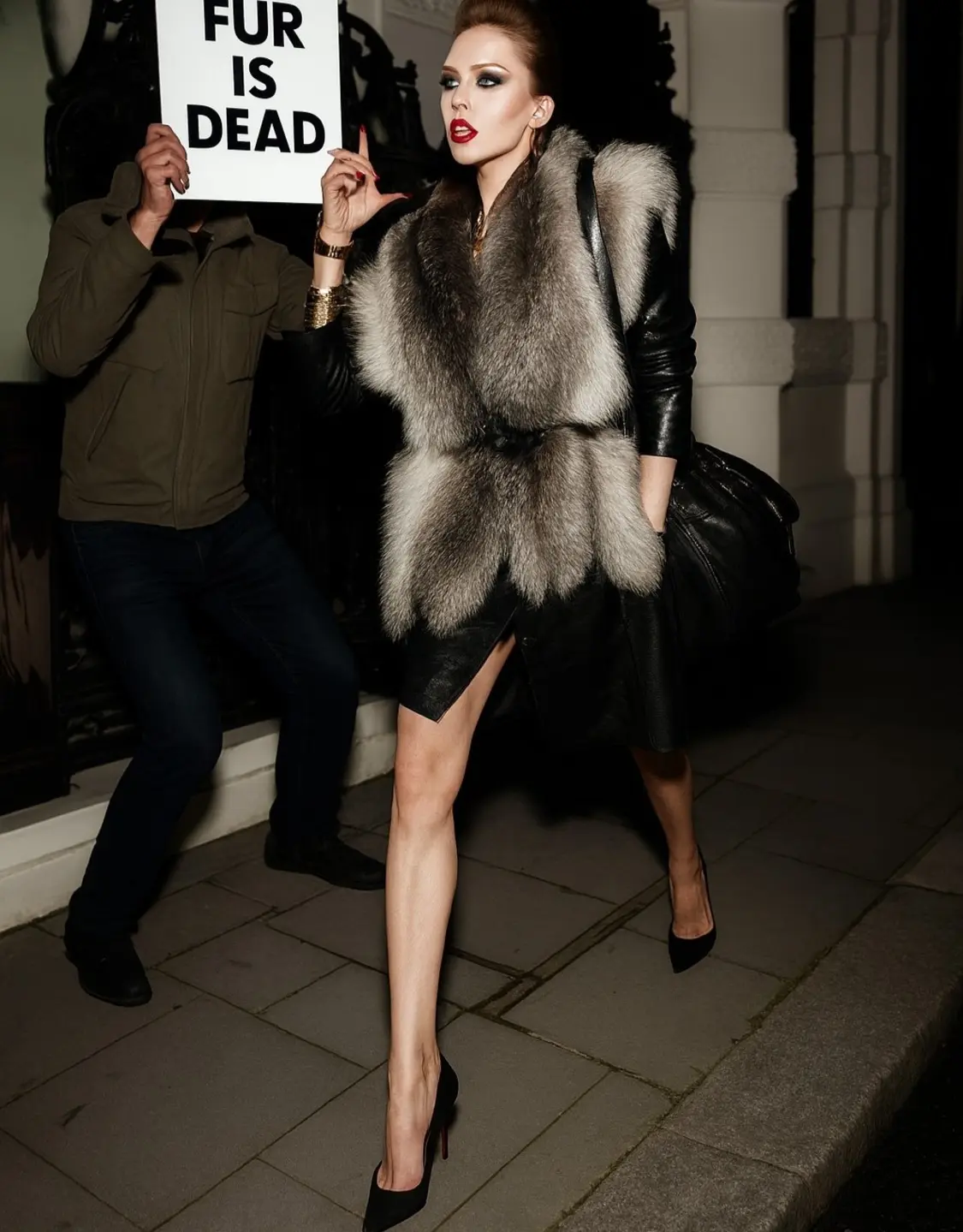
On December 3, 2025, the CFDA rewrote American fashion history with a ruling that will reshape New York Fashion Week forever: animal fur is officially banned from all collections showing on the NYFW calendar beginning September 2026.
December 3, 2025


With that announcement, New York joined London, Copenhagen, Berlin, Stockholm, Amsterdam, Helsinki, and Melbourne in taking fur off the runway, cementing a global shift that had been building for nearly a decade.
For years, real fur had already been disappearing from American runways. Coach, Michael Kors, and the Prada and Armani Groups began phasing it out in the late 2010s; Ralph Lauren banned it as early as 2006. What remained were occasional statements of glamour, symbolic more than systemic.
The CFDA’s decision transformed that slow fade into a definitive line in the sand. This wasn’t just a materials policy change, it was a cultural and industrial redirection. The ruling aligned NYFW with a worldwide movement toward ethics, traceability, and material innovation, and placed American fashion squarely in the camp of future-facing design councils like Copenhagen’s.
CFDA CEO Steven Kolb emphasized that the ban reflects where both the industry and its audience are headed. As consumers reject materials associated with cruelty, the CFDA wants American designers to lead innovation.

The policy bans any farmed or trapped fur from animals killed specifically for their pelts, including mink, fox, rabbit, chinchilla, karakul lamb, and raccoon dog. The only exemption: fur obtained through Indigenous subsistence hunting, recognizing cultural and ancestral practices rather than commercial farming.
To support designers through the transition, the CFDA committed to educational materials, a material library, and innovative resources, acknowledging that faux fur alternatives also come with sustainability challenges.
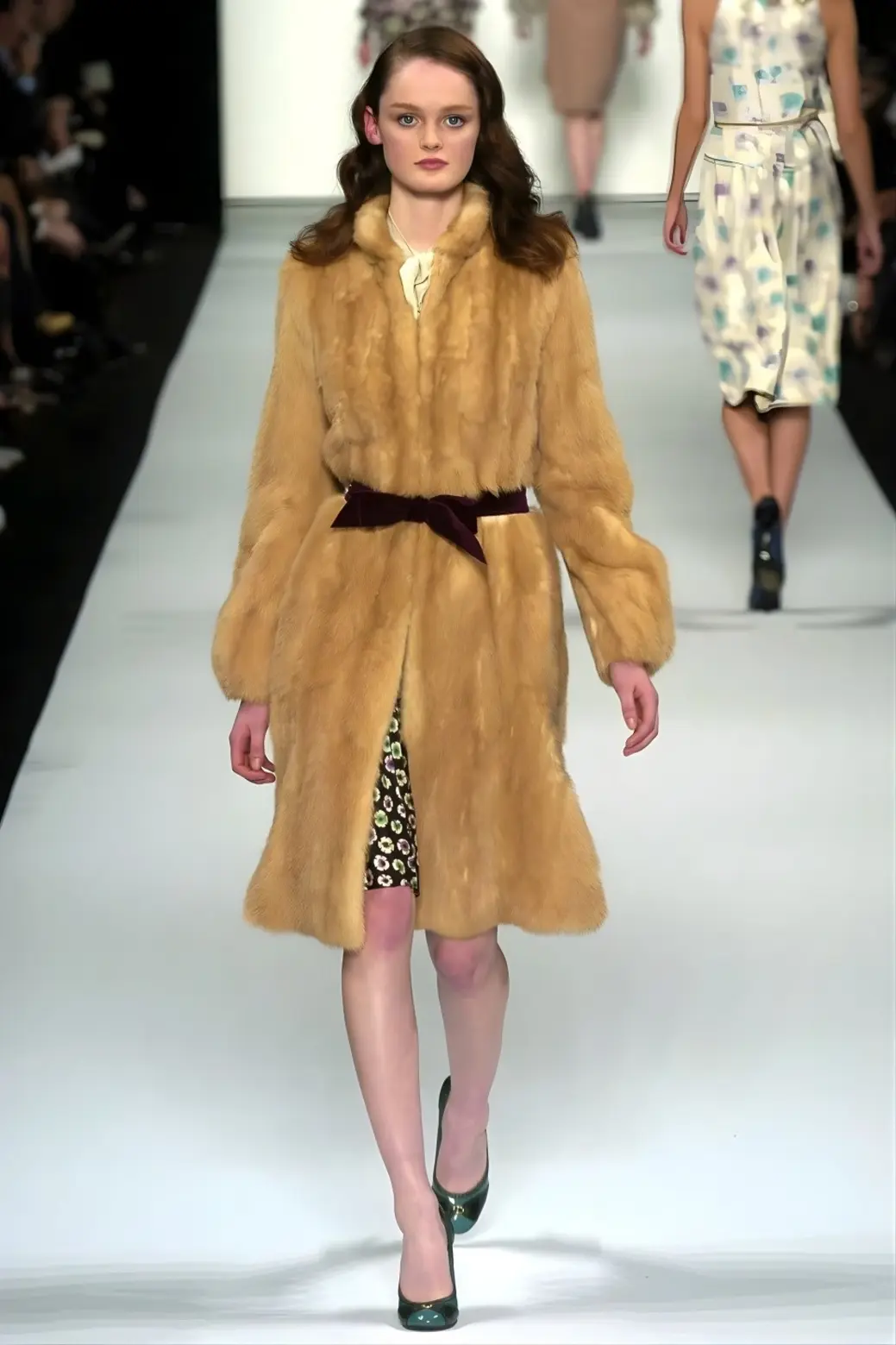

New York Fashion Week has always been the most pragmatic, democratic, and consumer-facing of the Big Four. But with this decision, it also positioned itself as a leader in ethics-driven industry reform. Where fur dominated NY runways in the ’90s and early 2000s, think supermodels in sweeping coats at Michael Kors and Marc Jacobs, its absence is now part of NYFW’s modern visual language. This ban also arrives as global editorial leaders like Condé Nast, ELLE, and InStyle remove fur from their pages. The alignment between press, designers, and fashion councils marks a rare moment of unified industry direction.
The December 3 announcement marked a shift in what power, prestige, and beauty look like on an American runway. In an era where ethics, innovation, and aesthetics are now inseparable, NYFW chose to lead, with conviction, not nostalgia.