MENU
Close





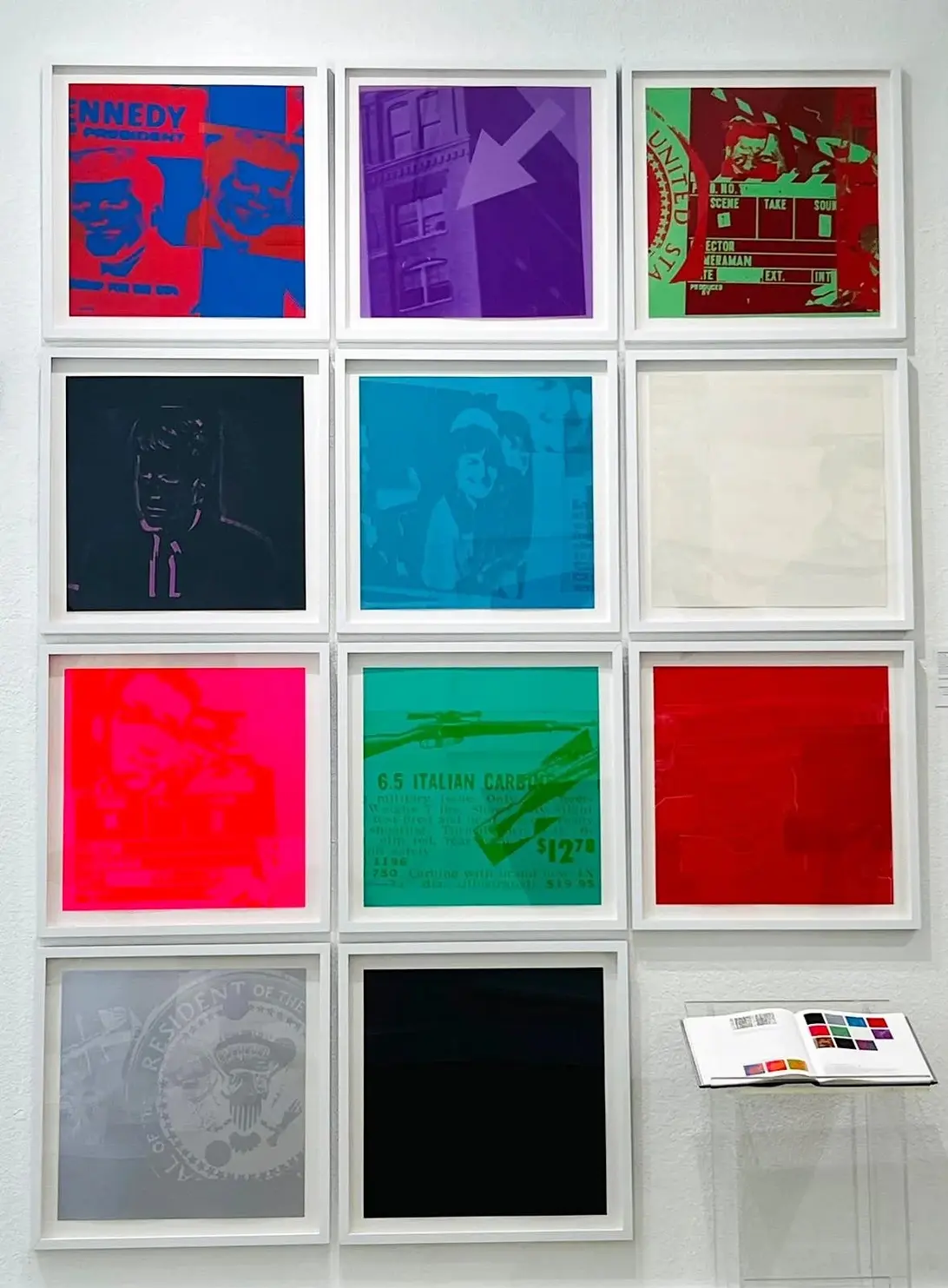
In 1968, Andy Warhol released one of his most haunting and provocative portfolios: Flash—November 22, 1963.
In 1968, Andy Warhol released one of his most haunting and provocative portfolios: Flash—November 22, 1963.
November 22, 2025


Composed of silkscreens and text panels, the series revisits the assassination of President John F. Kennedy through the lens of mass media, bringing Warhol’s fascination with celebrity, trauma, and repetition into sharp, chilling focus. If Warhol’s Marilyns and Elvises immortalized fame, Flash revealed the darker truth beneath America’s obsession with the camera.


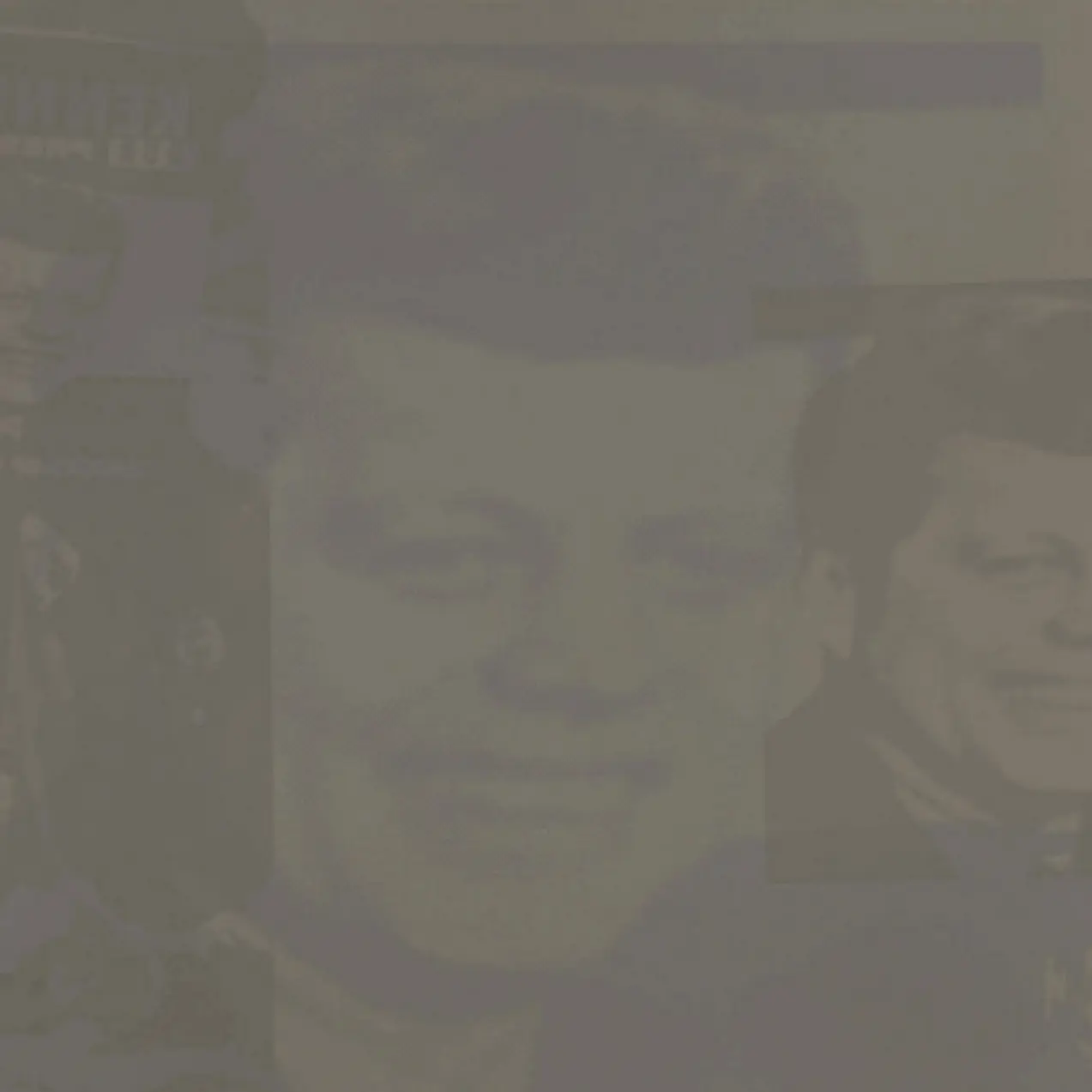
The title itself is significant. “Flash” refers not only to the news bulletins that interrupted regular programming on November 22, 1963, but also to the photographers’ flashbulbs that turned tragedy into spectacle. Warhol, who meticulously collected newspapers as source material, understood how instantly an event could become an image, and how quickly that image could loop, circulate, and ultimately lose its meaning. In Flash, he captures this exact process, the transformation of national shock into consumable media.

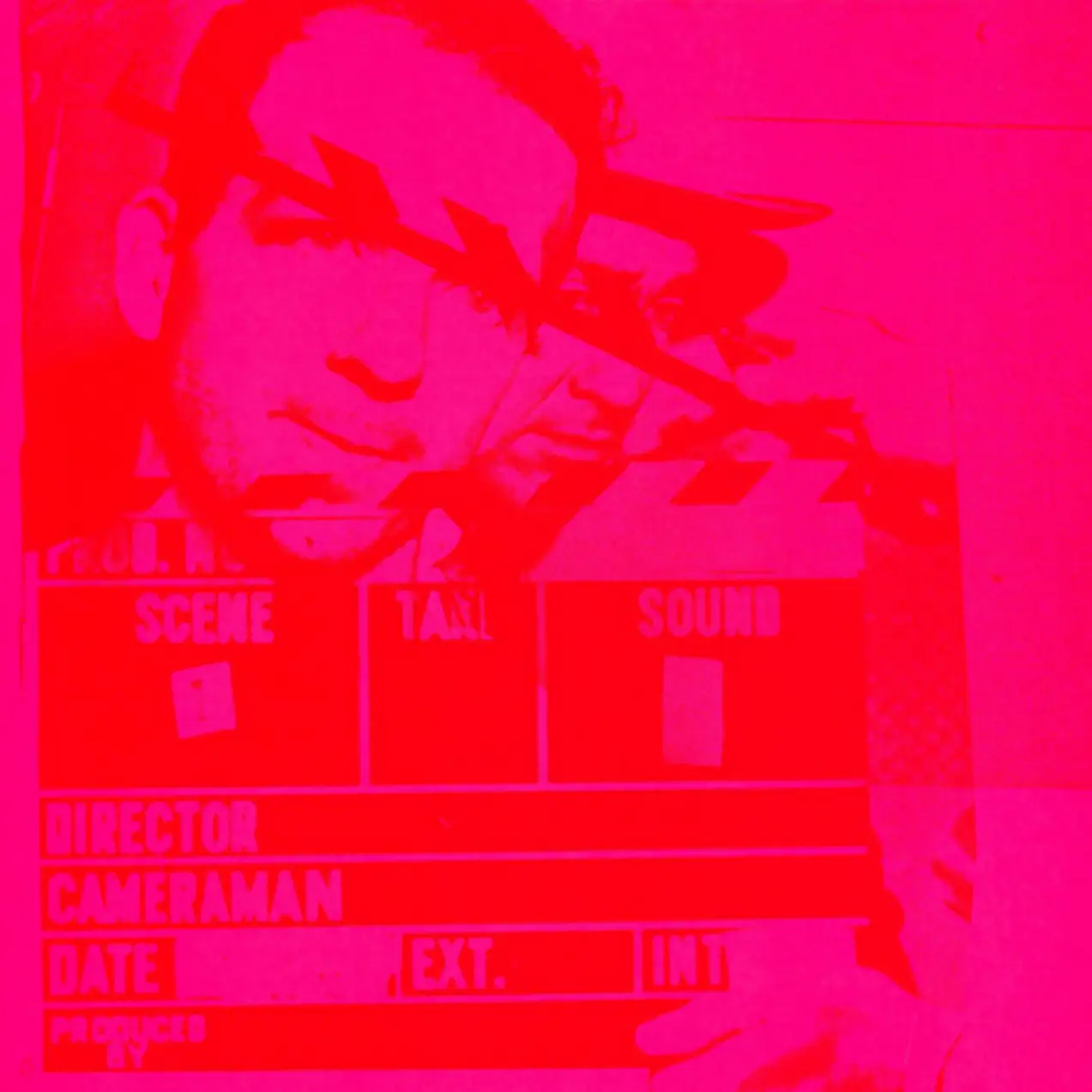
The series includes 11 prints, each built from photographs lifted from newspapers, television broadcasts, and press archives. Jacqueline Kennedy, photographed in the hours surrounding her husband’s assassination and funeral, becomes the emotional center of the portfolio. Warhol reproduces her face in varying degrees of closeness and clarity, sometimes poised, sometimes shattered, always framed by a grief the public felt entitled to witness. In these images, Jackie is both icon and human, Warhol freezes her in a state of perpetual mourning, inviting viewers to reflect on their own participation in the spectacle.

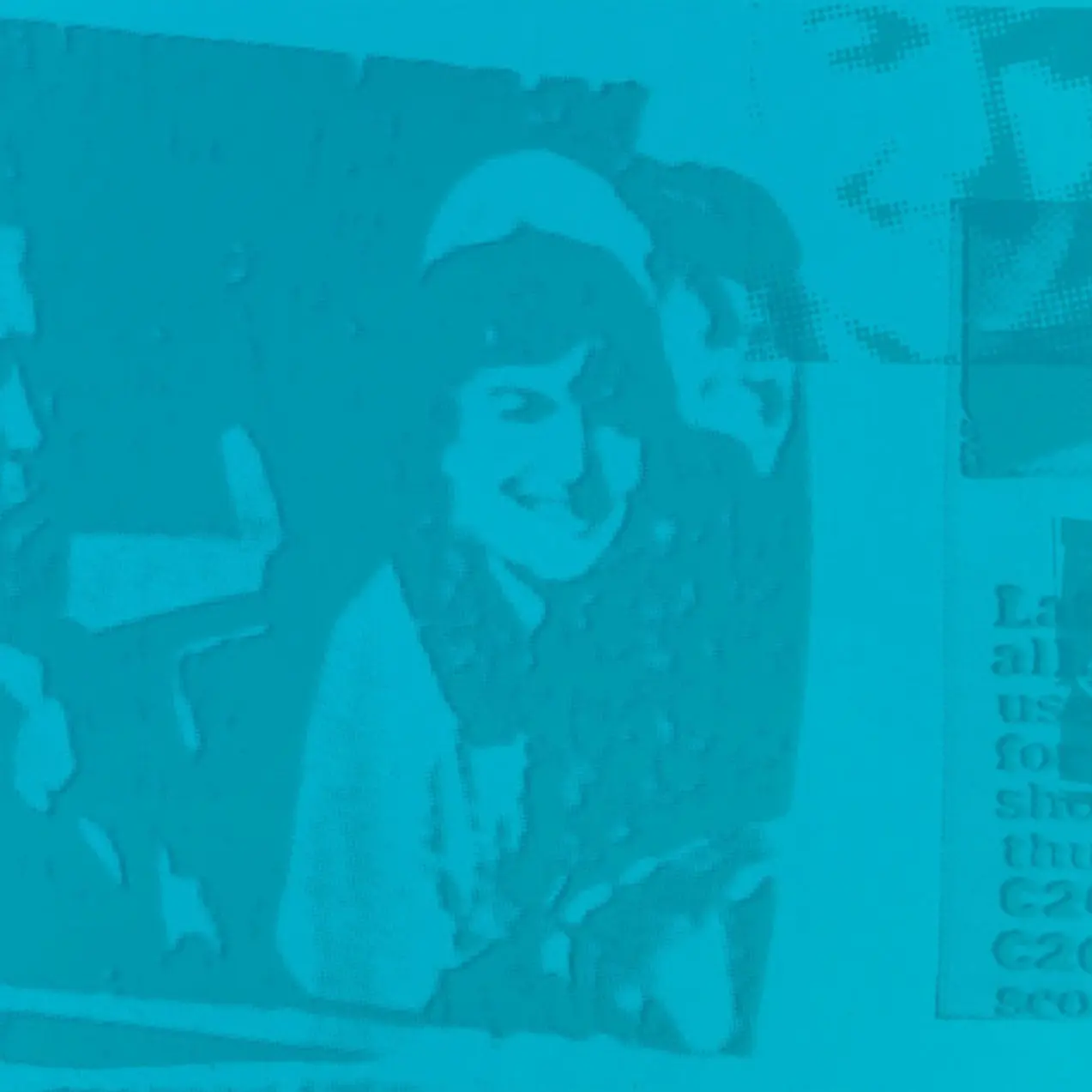
Other panels depict the motorcade, the Texas School Book Depository, and images of Lee Harvey Oswald. The repetition of Oswald’s smirking portrait suggests the uncanny way the media transformed him into a morbid anti-celebrity; his televised murder by Jack Ruby amplified the sense that the tragedy was unfolding in real time for an entire nation.
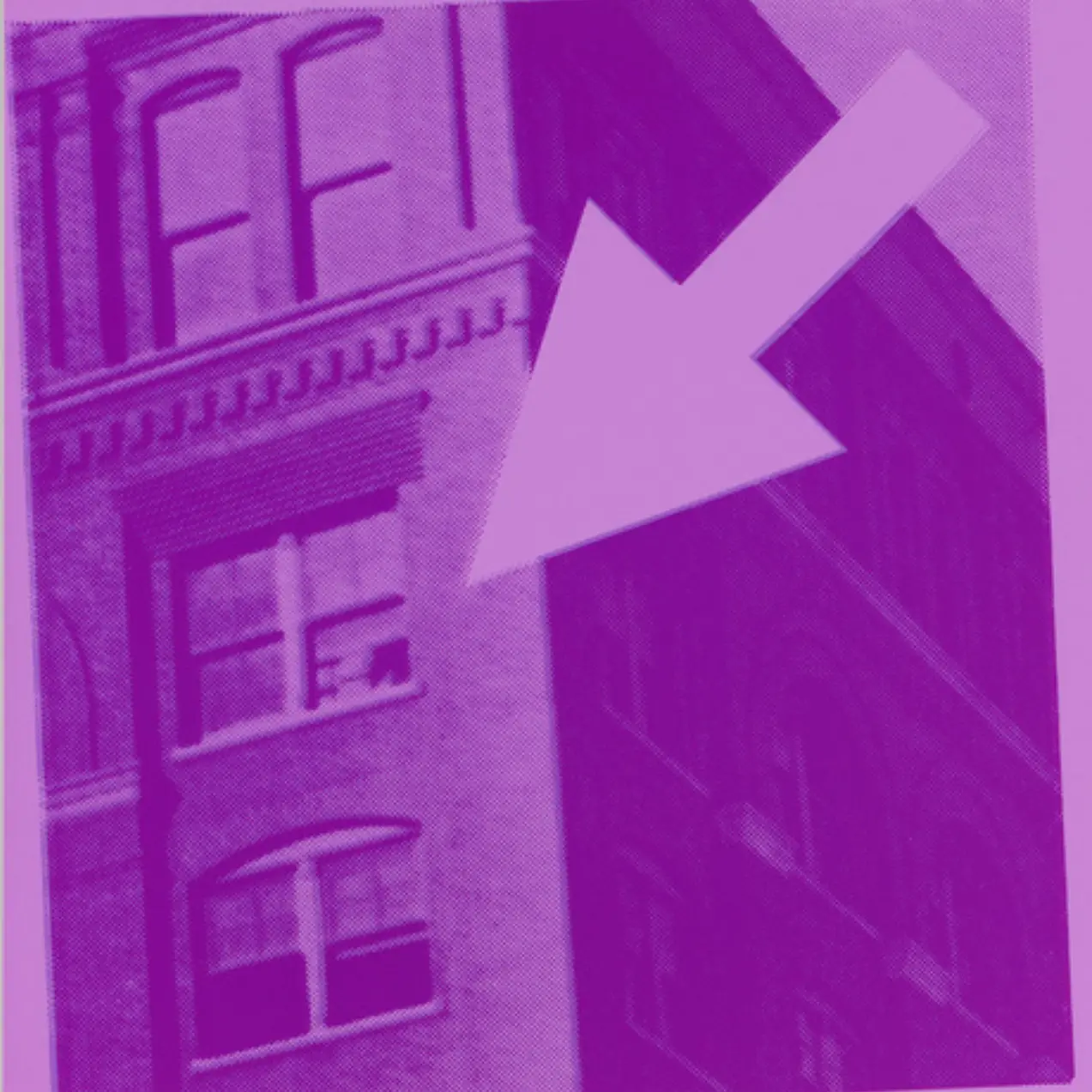
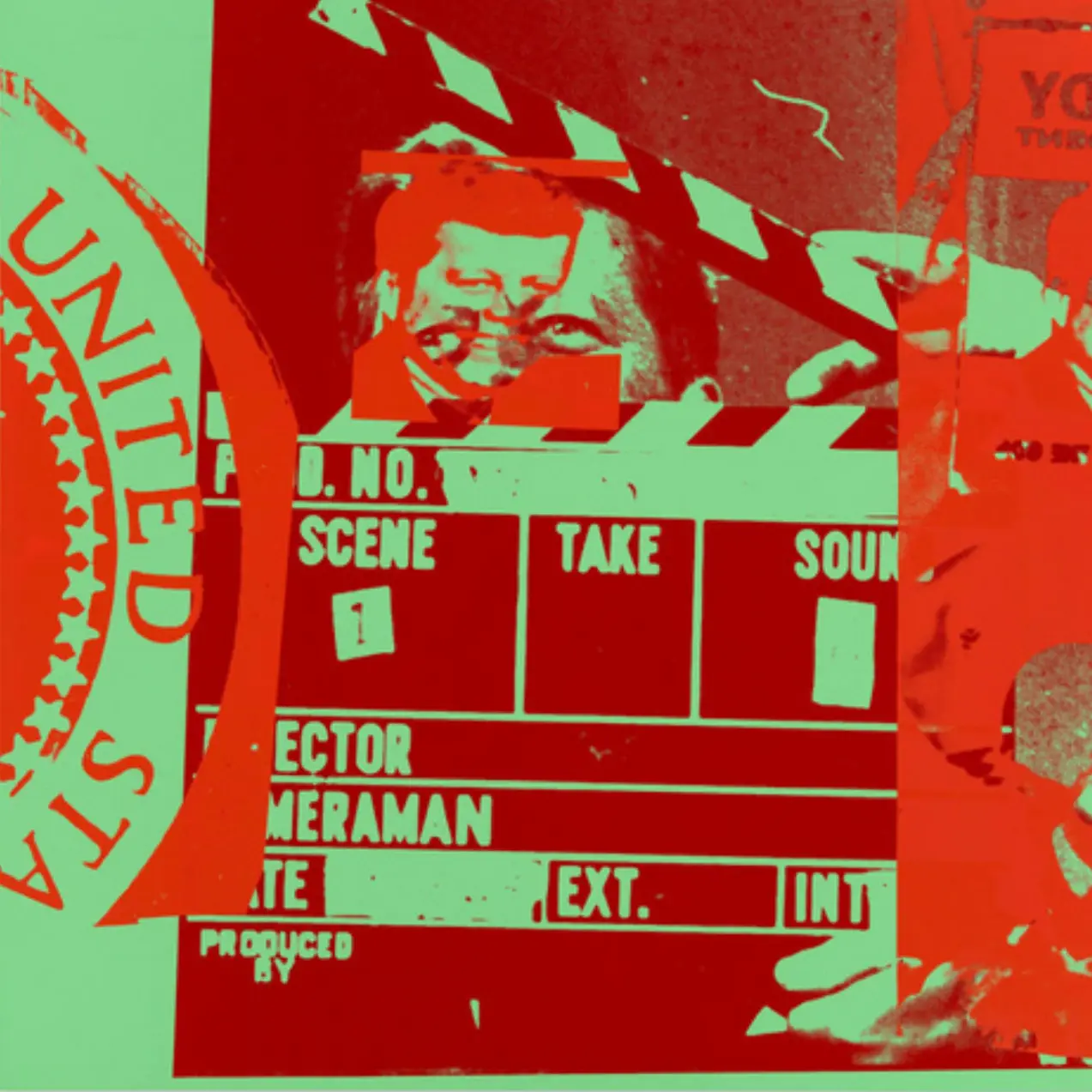
Unlike Warhol’s more colorful celebrity portraits, Flash uses a restrained palette dominated by black, white, and electric blue. This chromatic coldness heightens the emotional distance, reminding viewers that they are encountering a mediated event—not the tragedy itself. Warhol’s deliberate detachment is what makes the series so powerful: he neither moralizes nor dramatizes. Instead, he mirrors our own gaze back to us, exposing how violence becomes memory through the filter of media.

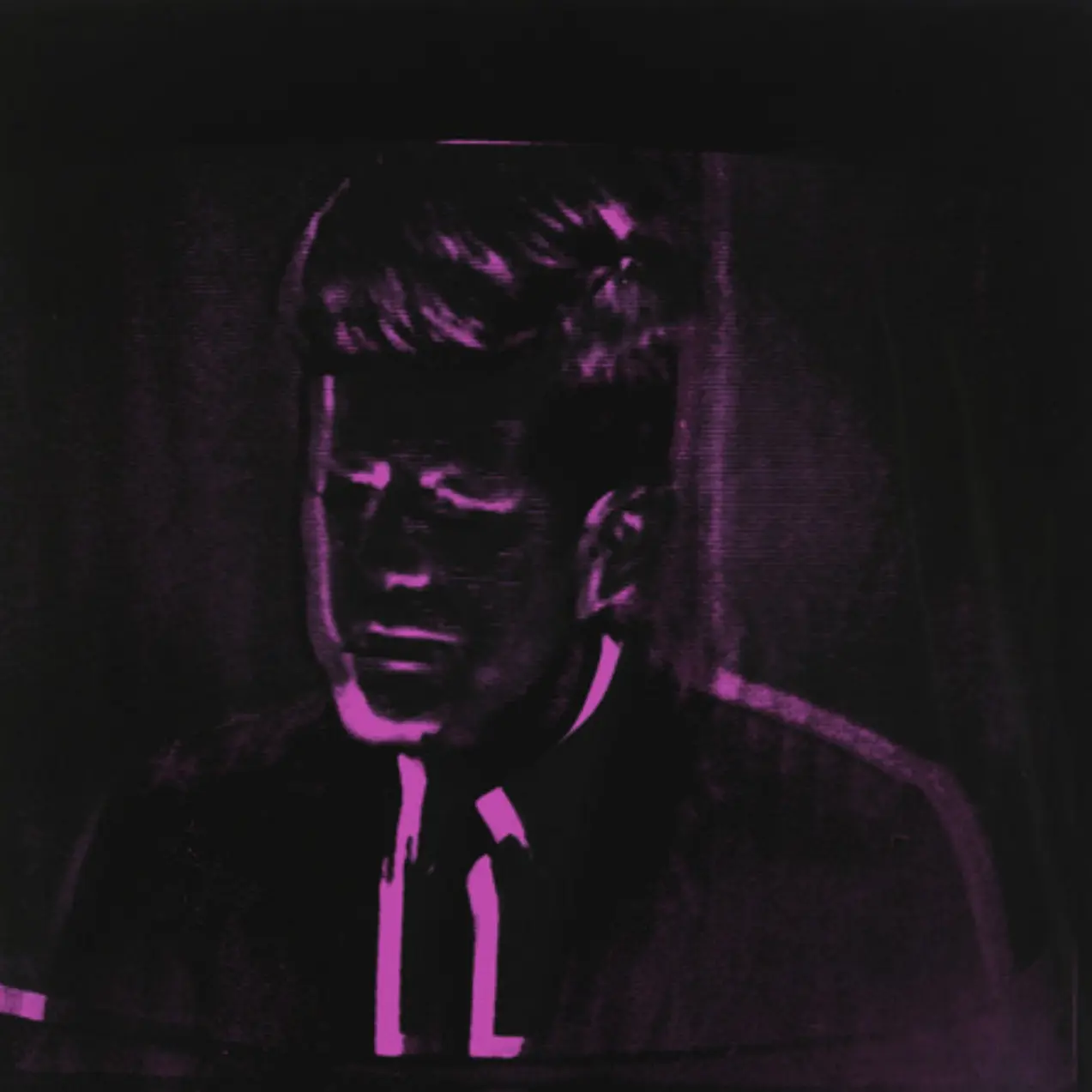
More than half a century later, Flash—November 22, 1963 remains one of Warhol’s most poignant commentaries on modern life. It is a reminder that history is not only written in words, but reproduced endlessly in images that shape, distort, and ultimately define collective memory.